
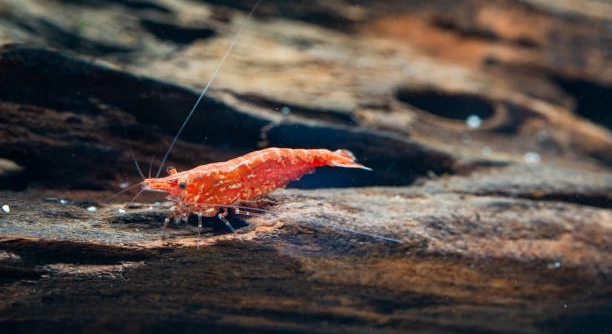
Shrimp are a popular addition to many meals, known for their mild flavor and quick cooking time. They can enhance dishes with their texture and protein content, making them a versatile choice in kitchens everywhere.
Shrimp immediately benefit from additions that enhance their flavor, texture, and overall appeal. Ingredients such as citrus, garlic, butter, fresh herbs, spices, and sauces can elevate shrimp dishes, improving taste, aroma, and palatability while maintaining nutritional value and ease of preparation.
These simple additions can transform shrimp into a more enjoyable and satisfying meal, providing both depth of flavor and a visually appealing dish.
Lemon and Citrus Zest
Adding lemon or other citrus zest to shrimp brightens the flavor immediately. The natural acidity balances the shrimp’s sweetness and brings a fresh, clean taste. Lightly squeezing fresh lemon juice over cooked shrimp enhances its natural flavor without overpowering the dish. Even a small amount of lime or orange zest can create a noticeable difference. Citrus also helps cut through any richness if shrimp are prepared with butter or creamy sauces. You can mix zest into marinades before cooking or sprinkle it on top after grilling or sautéing. The oils from the peel release aromatic notes that make the shrimp more appealing. This technique works for simple shrimp salads or more complex dishes like pasta and rice bowls. It’s a simple step, but it changes the overall experience. Fresh citrus is inexpensive and easy to keep on hand, making it an accessible addition that transforms ordinary shrimp into something more flavorful.
Citrus zest makes shrimp taste brighter, fresher, and more aromatic, improving both flavor and presentation in any dish.
Using lemon or lime zest with shrimp enhances the natural taste while adding subtle aromatic notes. The acidity helps balance the richness of butter or oil used in cooking, while the zest brings a light fragrance. Mixing it into marinades allows the shrimp to absorb flavor, making each bite more enjoyable. For a quick boost, a gentle squeeze of fresh citrus over cooked shrimp immediately lifts the dish. This method is particularly effective when grilling or pan-searing, as the heat releases the essential oils in the zest. Even small amounts have a significant impact, making citrus an easy and effective addition for both simple weeknight meals and more elaborate dishes. It also pairs well with other ingredients like garlic, herbs, and spices, giving flexibility in flavor combinations. Using citrus ensures the shrimp remain bright, flavorful, and appealing, highlighting the natural sweetness without overwhelming it.
Garlic and Herb Infusion
Garlic and fresh herbs add depth and aroma to shrimp instantly, creating a flavorful base that complements any cooking style.
Infusing shrimp with garlic and herbs enhances taste, providing a savory, aromatic profile that works in numerous dishes.
Cooking shrimp with garlic and fresh herbs is an easy way to elevate its flavor. Garlic releases a warm, rich aroma when sautéed, which combines beautifully with shrimp’s natural sweetness. Herbs such as parsley, thyme, or basil add freshness, contrasting with the richness of butter or oil used in cooking. You can mince garlic finely or crush it slightly for a more intense flavor. Adding herbs towards the end of cooking preserves their aroma and color. This method works for stir-fries, pasta, or grilled shrimp, making it versatile. Garlic and herb combinations not only improve taste but also enhance presentation, making dishes more visually appealing. Additionally, these ingredients are readily available and inexpensive, allowing for quick preparation without complex techniques. Regular use of garlic and herbs in shrimp dishes provides consistent flavor improvement and elevates simple meals to a satisfying, aromatic experience.
Spices and Seasonings
Spices add immediate depth to shrimp without adding bulk. Paprika, chili powder, or black pepper can enhance flavor, while a pinch of salt balances the natural sweetness. These seasonings work well in both sautéed and grilled preparations.
Using spices on shrimp allows you to create a more complex taste profile with minimal effort. Paprika adds a mild smokiness, while chili powder or cayenne introduces a gentle heat that highlights the shrimp’s natural flavor. Black pepper provides subtle warmth, and a touch of salt ensures the seasoning penetrates the shrimp evenly. You can combine spices with oil or butter for a simple marinade, allowing the shrimp to absorb flavor before cooking. Even when prepared quickly, spices transform shrimp into a more satisfying dish. This method works well for tacos, pasta, or rice bowls. Adjusting the spice level is easy, giving control over how bold the flavors become.
Spices can be mixed into dry rubs or liquid marinades, giving shrimp consistent flavor and aroma. This simple addition is versatile and enhances every bite.
Butter and Oil Enhancements
Butter and oil instantly improve shrimp’s texture and flavor. They help carry seasonings and add a smooth, rich taste, especially in pan-cooked dishes.
Cooking shrimp with butter or oil creates a luscious coating that seals in moisture. Butter adds a creamy richness, while olive or avocado oil gives a subtle, fruity note. When combined with garlic, herbs, or spices, fats help flavors meld evenly. This technique prevents shrimp from drying out and keeps them tender and juicy. It works in stir-fries, sautéed dishes, or baked preparations. Even a small amount of fat makes a noticeable difference in mouthfeel and flavor. The choice of butter or oil can slightly alter the flavor profile, allowing customization to suit the dish.
Using fats like butter or oil ensures shrimp remain moist and flavorful. They also enhance seasoning absorption, making each bite more enjoyable and well-rounded. This method is simple, requiring only a quick toss in a heated pan and immediate cooking to maintain texture. It is effective for nearly any shrimp dish and pairs well with other additions such as citrus, garlic, and spices. Regular use of butter or oil in shrimp preparation guarantees consistent flavor, richness, and a satisfying eating experience, turning a quick meal into something more polished and flavorful.
Soy Sauce and Marinades
Soy sauce instantly adds a savory, umami flavor to shrimp. It enhances taste while helping seasonings stick. A quick marinade with soy sauce gives shrimp a richer, more complex flavor profile.
Marinades can combine soy sauce with a touch of sugar, ginger, or garlic. This mix balances salty and sweet notes, making shrimp taste more layered. Marinating for even a short time allows the shrimp to absorb the flavors without losing their natural texture.
Fresh Vegetables
Adding vegetables to shrimp dishes boosts both flavor and texture. Bell peppers, onions, or zucchini complement shrimp well, providing crunch and freshness. Cooking them together ensures the flavors meld and creates a balanced, colorful plate.
Hot Sauce
A splash of hot sauce immediately livens up shrimp. It adds a gentle heat that enhances flavor without overpowering the dish.
FAQ
How long should shrimp be cooked to stay tender?
Shrimp cook very quickly, usually in two to four minutes depending on size. Overcooking makes them rubbery, so watch closely. They are done when they turn pink and opaque with a slight curl. Using medium heat helps them cook evenly without drying out.
Can shrimp be frozen before cooking?
Yes, raw shrimp can be frozen for several months. Store them in an airtight bag with minimal air to prevent freezer burn. Thaw in the fridge overnight or under cold running water for faster use. Avoid thawing at room temperature to maintain texture and safety.
What is the best way to peel shrimp quickly?
Hold the shrimp by the tail and gently pull off the shell. Use your thumb to loosen the legs, which often helps remove the shell in one piece. For extra speed, use a small paring knife to cut along the back and remove the vein and shell simultaneously.
Are deveined shrimp safer to eat?
Deveining shrimp removes the digestive tract, which can contain sand or grit. While it is mostly a textural concern rather than a safety issue, many prefer deveined shrimp for a cleaner taste. It also improves the appearance of the shrimp in cooked dishes.
What seasonings work best with shrimp?
Shrimp pair well with garlic, paprika, chili, black pepper, lemon, butter, and fresh herbs. Soy sauce or light marinades also work. Use seasoning sparingly to enhance natural sweetness without overpowering it. Spices can be mixed into a dry rub or a quick marinade before cooking.
Can shrimp be reheated safely?
Yes, but reheat carefully to avoid overcooking. Use a skillet with low heat or a quick steam. Avoid microwaving for long periods, as this can make shrimp rubbery. Add a small amount of water or oil to maintain moisture during reheating.
Is it necessary to remove tails before cooking?
Not always. Tails can be left on for presentation or for easier handling during serving. They are often removed for dishes like pasta or stir-fry, where eating with a fork or chopsticks is easier without them.
What is the best method to grill shrimp?
Brush shrimp with oil and season lightly. Use medium heat and grill for 2–3 minutes per side until pink and slightly charred. Skewers help keep shrimp in place and prevent them from falling through the grates. Avoid overcooking to maintain tenderness.
How can I tell if shrimp is fresh?
Fresh shrimp should smell like the sea, not fishy. Flesh should be firm and translucent with a slight sheen. Avoid shrimp with a strong ammonia odor or mushy texture. Check the eyes and shell if buying whole shrimp; they should be clear and intact.
Can shrimp be cooked from frozen?
Yes, frozen shrimp can be cooked directly, though it may take slightly longer. Rinse under cold water first to remove ice crystals, then cook using your preferred method. Avoid overcrowding the pan to ensure even cooking and prevent steaming instead of sautéing.
What is the difference between wild and farmed shrimp?
Wild shrimp are caught in their natural environment, often with a firmer texture and more complex flavor. Farmed shrimp are raised in controlled environments, generally more consistent in size and availability. Both are safe to eat when properly handled and cooked.
How should shrimp be stored after cooking?
Cooked shrimp should be refrigerated within two hours of cooking. Store in a shallow, airtight container and use within three to four days. For longer storage, freeze in a sealed bag with minimal air to preserve texture and flavor.
Can shrimp be eaten raw safely?
Raw shrimp are not recommended unless specifically labeled as sushi- or sashimi-grade. Raw shrimp carry a risk of bacterial contamination. Freezing for a sufficient period can reduce parasites, but cooking is the safest option to ensure food safety.
Are there low-fat ways to cook shrimp?
Yes, shrimp can be boiled, steamed, or grilled without oil. Using minimal butter or oil while sautéing still keeps fat content lower than heavier fried preparations. Adding herbs, spices, or citrus enhances flavor without relying on fat for taste.
Do shrimp have health benefits?
Shrimp are high in protein, low in calories, and provide essential nutrients like selenium, vitamin B12, and omega-3 fatty acids. They can be part of a balanced diet, offering nutritional value without excessive fat or carbohydrates. Cooking methods affect how healthy they remain.
Can shrimp be used in cold dishes?
Absolutely. Shrimp work well in salads, shrimp cocktails, or chilled pasta dishes. Ensure they are fully cooked, cooled quickly, and stored safely to maintain freshness. Cold shrimp retain flavor and texture if not overcooked initially.
How do I prevent shrimp from sticking to the pan?
Preheat the pan and add a thin layer of oil. Avoid overcrowding to allow even heat distribution. Pat shrimp dry before cooking to reduce moisture, which can cause sticking. Stir or flip carefully with a spatula or tongs to maintain shape.
Is it necessary to devein shrimp if it’s small?
For very small shrimp, the vein is less noticeable and often left in. Removing it is mostly for appearance and texture. In larger shrimp, deveining is recommended for a cleaner presentation and smoother bite.
Can shrimp absorb flavors from other ingredients?
Yes, shrimp absorb marinades and seasonings quickly due to their delicate texture. Even a brief exposure to garlic, citrus, or soy sauce can enhance flavor. Avoid long marinating times with acidic ingredients, as they can change the texture.
What is the easiest way to peel frozen shrimp?
Rinse frozen shrimp under cold water to loosen ice. Hold the tail and pull the shell away from the body. Legs often come off with the shell. For deveining, use a small knife along the back to remove the vein efficiently.
Are pink shrimp fully cooked?
Not always. Shrimp turn pink as they cook, but check for an opaque texture throughout. Raw shrimp can sometimes appear slightly pink, so texture and firmness are better indicators of doneness.
How can I keep shrimp from drying out?
Cook shrimp quickly over medium heat and avoid overcooking. Using fats like butter or oil helps retain moisture. Removing them from heat immediately when done ensures they stay tender. Adding a splash of liquid or sauce also helps maintain juiciness.
Can shrimp be microwaved safely?
Yes, but with caution. Use short intervals and cover to retain moisture. Stir or rotate shrimp to heat evenly. Overheating makes shrimp rubbery, so monitor closely. A light drizzle of oil or butter can improve texture during microwaving.
Are frozen shrimp as good as fresh?
Properly frozen shrimp maintain flavor and texture well. They are often frozen immediately after being caught, which can preserve freshness better than shrimp sitting in stores. Thaw carefully to retain quality.
Can shrimp be grilled without skewers?
Yes, but they may fall through the grates. Use a grill basket or foil to keep them together. Apply oil to prevent sticking. Quick, direct grilling over medium heat ensures even cooking without losing shrimp to the flames.
How long can shrimp stay in the fridge raw?
Raw shrimp should be used within one to two days. Keep them in an airtight container on the coldest shelf. Check for freshness before cooking to ensure safe consumption.
What is the best way to season shrimp for pasta?
Combine garlic, butter, herbs, and a touch of citrus. Cook shrimp briefly, then toss with pasta and sauce. This method enhances both shrimp and pasta flavors without overpowering the dish.
Shrimp are a versatile ingredient that can be transformed in many ways with simple additions. Using ingredients like citrus, garlic, butter, fresh herbs, spices, soy sauce, or vegetables can elevate their flavor immediately. These additions do not require complicated techniques or long cooking times. They enhance the natural taste and texture of shrimp while keeping the dish easy to prepare. Even small changes, like a squeeze of lemon or a pinch of paprika, make a noticeable difference. By experimenting with these options, you can turn a simple shrimp meal into something more enjoyable without adding unnecessary complexity.
Cooking shrimp with attention to seasoning and flavor combinations ensures a balanced and appealing dish. Butter or oil helps retain moisture and makes shrimp tender, while herbs and spices provide aromatic depth. Marinating with soy sauce or a light marinade allows the shrimp to absorb flavor without losing its natural sweetness. Adding fresh vegetables provides texture and visual appeal, making the dish more satisfying. Each of these approaches can be applied individually or in combination, depending on the style of the dish or personal preference. Taking the time to layer flavors with these simple techniques improves the overall eating experience while keeping preparation straightforward.
Incorporating these strategies into your shrimp dishes allows for consistent results and a wider variety of flavors. Understanding how each addition impacts taste and texture helps make informed choices in cooking. Even basic meals can feel more polished and flavorful when using these techniques. With minimal effort, shrimp can be more than just a quick protein; they can be the centerpiece of a well-balanced, flavorful meal. Over time, learning which additions work best for your recipes ensures that shrimp are consistently tender, flavorful, and visually appealing. By keeping the approach simple and practical, you can enjoy delicious shrimp meals regularly without stress or overcomplication.

Hello,
If you enjoy the content that we create, please consider saying a "Thank You!" by leaving a tip.
Every little bit helps us continue crafting quality advice that supports the health, happiness, and well-being of pets around the world, for pets of all shapes, sizes, and species.
We really appreciate the kindness and support that you show us!