
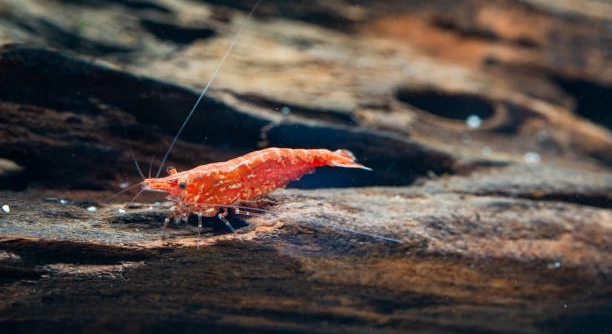
Do you ever find yourself watching your shrimp tank and wishing it could be just a little more vibrant and healthy? Many shrimp enthusiasts seek simple ways to enhance both appearance and habitat. Small upgrades can make a noticeable difference.
Upgrading a shrimp tank involves improving water quality, enhancing filtration, providing better hiding spaces, and optimizing lighting. These changes support shrimp health, encourage natural behaviors, reduce stress, and promote a more stable, thriving aquatic environment for all inhabitants.
Even minor adjustments can greatly impact your shrimp’s wellbeing and the overall appeal of your tank, making each upgrade worth careful consideration.
High-Quality Filtration
A strong filtration system is essential for maintaining a healthy shrimp tank. It removes waste, uneaten food, and harmful chemicals that can build up over time. Upgrading to a high-quality filter ensures consistent water flow and better circulation, which benefits both plants and shrimp. Many standard filters are not sufficient for shrimp tanks, as shrimp are sensitive to ammonia and nitrite spikes. A filter that offers gentle flow prevents shrimp from being stressed or injured while still keeping the water clean. Some filters come with adjustable flow rates, allowing you to tailor the water movement to suit the shrimp species in your tank. Additionally, filters with multiple media types, like sponge, ceramic, and carbon, improve mechanical, chemical, and biological filtration. This combination creates a more stable environment, reduces maintenance frequency, and promotes healthy growth. Investing in a quality filter is one of the most impactful upgrades you can make for a thriving shrimp habitat.
Upgrading your filter improves water quality, reduces maintenance, and ensures a safer, healthier environment for all your shrimp.
A better filtration system also allows for a larger and more diverse tank. With consistent water parameters, shrimp can breed more successfully, and plants thrive without being overrun by algae. A strong filter prevents water stagnation and provides oxygenation that keeps shrimp active and healthy. Over time, the filter media itself can become a mini ecosystem, supporting beneficial bacteria that break down waste naturally. This reduces the risk of sudden spikes in ammonia or nitrites, which are especially harmful to baby shrimp. Choosing the right filter size is important; too small, and it won’t handle the tank’s bioload, too large, and the flow could be too strong. Adding a pre-filter sponge is a simple way to protect delicate shrimp from being sucked in while maintaining excellent water quality. Overall, upgrading filtration is a practical investment that keeps the tank cleaner, shrimp happier, and maintenance easier.
Better Lighting
Proper lighting can improve plant growth and showcase your shrimp’s colors beautifully. Many standard lights are too weak or improperly positioned.
Enhanced lighting supports photosynthesis in aquatic plants, promoting a balanced ecosystem. It also brings out the vibrant colors of shrimp, making the tank more visually appealing.
Choosing the right spectrum and intensity of light is important. LED systems are energy-efficient and allow for adjustable brightness and timing, simulating natural day-night cycles. This helps regulate shrimp activity and feeding patterns. Stronger lighting encourages healthy plant growth, which in turn stabilizes water chemistry by absorbing excess nutrients. Plants provide hiding spots for shrimp, reducing stress and increasing survival rates, particularly for juveniles. A timer ensures consistent light periods, preventing algae overgrowth caused by irregular lighting. Positioning lights correctly prevents shadows and ensures all areas of the tank receive adequate illumination. Incorporating lighting that complements your tank’s size, plant selection, and shrimp species creates a more harmonious environment. Over time, upgraded lighting contributes to healthier shrimp, lush plant growth, and a more visually striking aquarium.
Live Plants
Live plants improve water quality by absorbing nitrates and providing oxygen, which keeps shrimp healthier and reduces algae growth. They also offer hiding places that help shrimp feel secure, encouraging natural behavior and reducing stress.
Plants create a stable ecosystem that supports shrimp growth. Mosses, ferns, and floating plants provide excellent cover for baby shrimp, helping them avoid being eaten by adults. Rooted plants stabilize the substrate, prevent erosion, and aid in nutrient cycling. Healthy plants contribute to better water chemistry by consuming excess nutrients and reducing harmful waste buildup. Choosing low-maintenance species ensures they thrive without constant attention, while their presence enhances the tank’s natural look. Proper planting and regular trimming encourage growth, keeping the tank balanced and visually appealing. Over time, live plants create a thriving environment that supports reproduction and activity.
A densely planted tank provides shelter and reduces stress for all shrimp. The combination of hiding spaces, oxygenation, and nutrient absorption creates a healthier and more stable habitat, improving survival rates and overall activity levels.
Substrate Upgrades
Choosing the right substrate is key for shrimp health. Nutrient-rich or specialized substrates support plants and improve water stability, which benefits shrimp directly.
A fine-grained substrate is ideal, as it allows shrimp to forage naturally and prevents debris from becoming trapped. Some substrates buffer water parameters, keeping pH and hardness stable, which is critical for sensitive species. Substrates that support beneficial bacteria help break down waste, maintaining cleaner water and reducing ammonia spikes. Dark-colored substrates enhance shrimp coloration, making them stand out more. Layering substrates with different textures and nutrient content provides variety and supports plant roots effectively. Regular cleaning with gentle methods prevents compaction without disturbing the shrimp. A carefully chosen substrate improves both the tank’s functionality and visual appeal, while promoting shrimp activity and reproduction.
Substrate upgrades create a more natural environment for shrimp to explore, forage, and thrive. The combination of proper texture, nutrients, and bacterial support improves tank stability, enhances shrimp coloration, and reduces the likelihood of water quality issues over time.
Water Conditioner and Additives
Using water conditioners is essential to remove chlorine and chloramine from tap water, which can harm shrimp. Adding minerals and trace elements helps maintain proper water hardness and supports molting and overall health.
Regular use of supplements stabilizes pH levels and provides nutrients that shrimp cannot get from food alone. This ensures they remain active and healthy, reducing stress and mortality.
Hiding Places
Adding caves, driftwood, and other decorations provides shelter for shrimp. These spaces reduce stress, protect molting shrimp, and encourage natural behavior within the tank.
Automatic Feeder
An automatic feeder ensures shrimp receive small, consistent meals. Scheduled feeding prevents overfeeding and maintains water quality, creating a healthier tank environment.
FAQ
What is the most important upgrade for a shrimp tank?
The most important upgrade is a high-quality filtration system. Good filtration maintains clean water, removes harmful chemicals, and ensures proper circulation. A reliable filter reduces stress for shrimp and prevents ammonia and nitrite spikes that can be deadly. Filters with adjustable flow and multiple media types provide both mechanical and biological filtration, supporting long-term tank stability.
Do live plants really make a difference?
Yes, live plants improve water quality by absorbing nitrates and providing oxygen. They also create hiding spaces for shrimp, which reduces stress and supports natural behavior. Mosses, ferns, and floating plants are particularly effective for creating cover for baby shrimp. Healthy plants stabilize the substrate, aid nutrient cycling, and reduce algae growth.
How often should I upgrade my tank equipment?
Upgrades should be considered when current equipment fails to maintain stable water parameters or when shrimp behavior indicates stress. Regular monitoring of water quality, shrimp activity, and plant health helps determine if upgrades are needed. Timely improvements prevent health issues and support shrimp growth and breeding success.
Is substrate really that important for shrimp health?
Yes, substrate affects both water chemistry and shrimp behavior. Fine-grained or nutrient-rich substrates allow shrimp to forage naturally and support plant growth. Some specialized substrates buffer pH and hardness, stabilizing water conditions for sensitive species. Substrates also support beneficial bacteria, which break down waste and reduce the risk of ammonia spikes.
Do shrimp benefit from automatic feeders?
Automatic feeders provide small, consistent meals, preventing overfeeding and water contamination. Scheduled feeding ensures shrimp get proper nutrition without the stress of irregular feeding times. This also helps maintain stable water quality and reduces the risk of excess waste buildup, supporting overall health.
Are water conditioners necessary?
Water conditioners are essential for neutralizing chlorine and chloramine in tap water, which can harm shrimp. Adding minerals and trace elements also supports molting and overall health. Regular supplementation helps maintain consistent water hardness and pH, providing a more stable environment.
What types of hiding places are best?
Caves, driftwood, and other decorations create shelter for shrimp. These hiding spaces reduce stress, protect molting shrimp, and encourage natural behavior. Dense plant coverage combined with small hiding structures provides both protection and comfort, improving survival rates and encouraging breeding.
How does lighting affect shrimp tanks?
Proper lighting supports plant growth and highlights shrimp colors. LED systems with adjustable brightness and timers simulate natural day-night cycles, helping regulate shrimp activity and feeding patterns. Well-lit tanks encourage healthier plants, stabilize water chemistry, and make shrimp more visually vibrant.
Can I combine multiple upgrades at once?
Yes, combining upgrades such as filtration, substrate, plants, and hiding spaces maximizes benefits. Each improvement supports different aspects of the tank, from water quality to shrimp behavior. Coordinating upgrades ensures a balanced and thriving habitat while preventing sudden stress from multiple changes.
Do these upgrades improve shrimp breeding?
Upgrades like live plants, proper substrate, hiding spaces, and stable water parameters create ideal conditions for breeding. Consistent care and enhanced habitats reduce stress, increase survival rates of juveniles, and encourage natural reproduction. A well-maintained tank supports healthy growth and stronger shrimp populations over time.
How do I know which upgrade to start with?
Start with the upgrade that addresses the biggest challenge in your tank. Most often, filtration and water quality improvements have the most immediate impact. After stabilizing water conditions, adding live plants, hiding spots, and substrate enhancements further support shrimp health and activity.
Are expensive upgrades always better?
Not necessarily. Quality and suitability for your specific tank matter more than price. Some inexpensive options, like sponge pre-filters or small caves, can provide excellent results. Focus on upgrades that improve water stability, provide shelter, and support natural behaviors.
Can I upgrade gradually?
Yes, gradual upgrades are safer for shrimp. Sudden changes can stress them or disrupt water parameters. Introduce one change at a time, monitor behavior and water quality, and adjust as needed. This approach minimizes risk while improving the tank over time.
How do I maintain upgraded equipment?
Regular cleaning and monitoring are essential. Filters should be rinsed in tank water, substrates occasionally cleaned, and plants trimmed to prevent overgrowth. Automatic feeders and lighting should be checked for proper function. Maintenance ensures long-term benefits from each upgrade.
Will all shrimp species benefit equally from upgrades?
Most freshwater shrimp species benefit from improved filtration, hiding spaces, substrate, and water quality stabilization. Sensitive species like Caridina require more precise water parameters, so upgrades are particularly important for them. Tailoring upgrades to species needs ensures maximum health and activity.
How do upgrades affect tank maintenance?
Upgrades often reduce long-term maintenance. High-quality filtration, stable substrates, and live plants help maintain water quality, reducing the need for frequent cleaning or water changes. While initial investment and setup take effort, the result is a healthier, lower-maintenance tank.
Can upgrades prevent common shrimp diseases?
Yes, upgrades like clean water, hiding spaces, and nutrient-rich substrates reduce stress and minimize exposure to harmful bacteria and parasites. Stable conditions improve molting success and overall immunity, lowering the risk of disease outbreaks in the tank.
Do lighting upgrades impact algae growth?
Yes, strong lighting can encourage plant growth but may also increase algae if not managed properly. Using timers, proper spectrum, and balancing nutrient levels helps plants thrive without letting algae dominate, keeping the tank visually appealing and healthy.
Are hiding spots more important for adults or juveniles?
Both benefit, but juveniles especially need hiding spots to avoid predation and stress. Dense plant coverage combined with caves and driftwood ensures all shrimp can retreat when molting or feeling threatened, promoting survival and natural behavior.
How do I know if upgrades are working?
Observe shrimp activity, molting frequency, and reproduction rates. Healthy, active shrimp with vibrant colors and consistent breeding indicate successful upgrades. Stable water parameters and plant growth also signal that improvements are effective and sustaining the tank environment.
Final Thoughts
Upgrading a shrimp tank can make a noticeable difference in both the health of the shrimp and the overall look of the aquarium. Simple improvements, such as better filtration, live plants, and suitable substrate, create a more stable and balanced environment. Each upgrade supports water quality, reduces stress, and encourages natural behaviors in shrimp. Over time, these changes can lead to more active shrimp, higher survival rates for juveniles, and even better breeding success. While some upgrades require an upfront investment, the long-term benefits often outweigh the initial costs. A well-maintained tank not only supports shrimp health but also reduces daily maintenance, making the experience of keeping shrimp more enjoyable and less stressful.
It is important to consider upgrades carefully and introduce changes gradually. Sudden alterations in water flow, substrate, or tank setup can stress shrimp and disrupt water parameters. Monitoring water quality and observing shrimp behavior helps determine which upgrades will have the most impact. Sometimes, small changes, like adding a few hiding spots or supplementing water with minerals, can make a significant difference in shrimp activity and wellbeing. Combining multiple upgrades over time ensures the tank remains healthy while giving the shrimp time to adjust. Choosing equipment and supplies that match the specific needs of the shrimp species in the tank is also crucial. For example, Caridina species require more precise water parameters than some Neocaridina species, so upgrades may need to be tailored to meet these requirements. This thoughtful approach helps create a thriving, stable habitat.
Consistency and attention to detail are key in maintaining a healthy shrimp tank. Regular care, including monitoring water parameters, cleaning filters, trimming plants, and checking equipment, ensures that the benefits of upgrades are long-lasting. Using quality lighting, automatic feeders, and proper substrates enhances the tank’s functionality while keeping the shrimp environment natural and supportive. Even minor adjustments can improve the overall health of the shrimp, their coloration, and their activity levels. By prioritizing a combination of filtration, water conditioning, plant growth, hiding spaces, and supplemental care, a shrimp keeper can create a tank that is both visually appealing and supportive of shrimp wellbeing. Over time, these consistent improvements lead to a more stable ecosystem, healthier shrimp, and a more enjoyable and rewarding aquarium experience.

Hello,
If you enjoy the content that we create, please consider saying a "Thank You!" by leaving a tip.
Every little bit helps us continue crafting quality advice that supports the health, happiness, and well-being of pets around the world, for pets of all shapes, sizes, and species.
We really appreciate the kindness and support that you show us!