
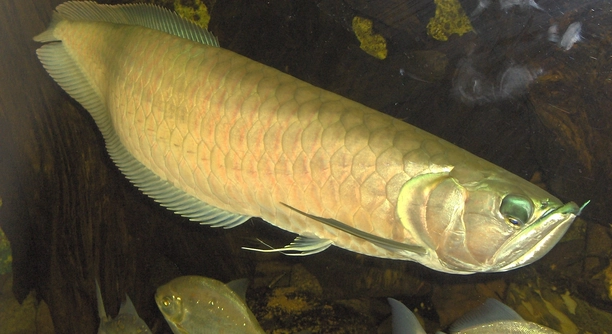
Arowanas are beautiful and graceful fish that respond strongly to their environment. Small changes in their tank or daily care can influence their mood more than many owners realize. Understanding these details helps maintain a calm and healthy fish.
Seven subtle factors can significantly affect an Arowana’s mood, including tank size, water quality, lighting, decorations, feeding habits, social interactions, and temperature. Each element contributes to the fish’s overall well-being and can either reduce stress or trigger agitation.
Even minor adjustments in these areas can lead to noticeable changes in behavior. Observing and optimizing these details ensures your Arowana remains comfortable and thriving in its environment.
Tank Size and Space
Arowanas need plenty of room to swim freely. Smaller tanks can cause stress, leading to aggression or lethargy. Ideally, adult Arowanas should have a tank that is at least 250 gallons, with a long, wide layout. Crowded spaces limit natural movement and can trigger frustration. Decorations and rocks should be placed carefully, leaving open areas for swimming. Regular monitoring of the tank ensures that the fish is adjusting well to the space. Fish that can swim freely display more natural behaviors and are less prone to hiding or showing signs of irritability.
Providing enough room allows Arowanas to explore and reduces stress naturally.
If the tank is too small, even minor changes in water quality or light become more stressful. Larger spaces promote better health, stronger growth, and calmer behavior. Observing your fish in a spacious tank can reveal their true personality, from gentle gliding movements to sudden bursts of speed, which smaller tanks often restrict. Consistently maintaining this environment supports long-term well-being and ensures the Arowana feels secure.
Water Quality
Poor water quality directly impacts an Arowana’s mood. Dirty or unbalanced water can make them sluggish, irritable, or prone to disease.
Maintaining clean water with stable pH, ammonia, nitrite, and nitrate levels is crucial. Regular filtration, water changes, and testing create a safe and stress-free habitat. Consistent care keeps the fish active, alert, and responsive. Arowanas are sensitive to chemical changes, so any sudden shifts can cause immediate stress. Ensuring proper aeration and temperature stability also contributes to overall comfort. Overfeeding or decaying food can quickly pollute the water, so removing leftovers and monitoring feeding amounts are important.
Investing time in maintaining high water quality results in calmer behavior and fewer health issues. Fish in clean water display natural swimming patterns and interact with their environment more positively. Even minor fluctuations in temperature or chemical balance can trigger hiding, fin clamping, or aggression. By monitoring and adjusting water conditions carefully, owners can prevent stress-related behaviors and maintain the Arowana’s mood over time. Proper water management creates a stable, predictable environment that supports both physical health and mental well-being.
Lighting Conditions
Arowanas are sensitive to light intensity and duration. Too much bright light can make them stressed, while dim or inconsistent lighting may make them inactive. Maintaining a balanced light schedule helps regulate their natural behavior and mood.
Consistent lighting is key to keeping Arowanas healthy and calm. Use a timer to create a steady day-night cycle, which mimics natural conditions. Avoid placing the tank in direct sunlight, as it can cause rapid temperature changes and encourage algae growth. Soft LED lighting works well, providing enough brightness without overwhelming the fish. Gradually adjusting light intensity during changes prevents sudden stress, helping the Arowana adapt smoothly. Observing how the fish reacts to different lighting can guide adjustments, ensuring their environment feels secure and stable.
Light also influences feeding behavior and activity levels. Arowanas are more active during well-lit periods and tend to explore their surroundings. Improper lighting may cause hiding, reduced appetite, or aggression. By balancing brightness and duration, owners can create a comfortable atmosphere. This stability allows the fish to maintain a positive mood, display natural behaviors, and interact calmly with its environment. Proper lighting supports both physical health and emotional well-being.
Feeding Habits
Regular, balanced feeding supports an Arowana’s energy and mood. Overfeeding can lead to sluggishness, while underfeeding causes irritability and stress. Consistent routines improve comfort.
Feeding high-quality, varied foods ensures proper nutrition. Live or frozen fish, insects, and pellets provide proteins and vitamins that sustain growth and vitality. Offering food at the same time each day builds trust and reduces anxiety. Avoid leftovers that pollute the tank, as decaying food can affect water quality and fish behavior. Portion control is essential to prevent digestive issues, obesity, or overactive aggression during mealtime. Observation during feeding helps identify preferences and health issues early.
Diet also affects mood over time. A balanced feeding plan keeps Arowanas energetic, alert, and interactive. Fish that receive proper nutrition display smoother swimming, more natural responses to stimuli, and reduced stress signals. Irregular feeding schedules or poor-quality food can trigger aggression, lethargy, or refusal to eat. By combining routine, variety, and portion control, owners can foster a stable, healthy, and emotionally balanced environment for their Arowana. Consistent feeding supports long-term well-being and overall happiness.
Tank Decorations
Proper decorations help Arowanas feel secure without overcrowding their space. Rocks, driftwood, and plants should leave open swimming areas.
Avoid sharp or rough surfaces that could injure fins. Minimalistic setups reduce stress and allow the fish to move naturally, promoting a calmer mood and healthier behavior.
Social Interactions
Arowanas can be territorial, and interactions with other fish affect mood. Compatible tank mates reduce aggression and stress. Choosing peaceful species prevents constant chasing or fighting, which can lead to injury.
Providing a stable environment with minimal disturbances helps Arowanas feel safe. Overcrowding or incompatible species can make them withdrawn, hide frequently, or display fin clamping. Observing their behavior allows adjustments to improve harmony, ensuring the fish remain active, confident, and less stressed over time. Regularly monitoring interactions supports long-term well-being and helps maintain a balanced, peaceful tank environment.
Temperature Stability
Consistent water temperature keeps Arowanas calm and healthy. Sudden changes can trigger stress or illness.
Maintaining the tank within their ideal range supports metabolism and overall comfort. Use reliable heaters and thermometers to prevent fluctuations and protect the fish’s mood.
FAQ
What signs show that my Arowana is stressed?
Stress in Arowanas can appear through several behaviors. Common signs include hiding frequently, clamped fins, erratic swimming, loss of appetite, and color fading. Sudden aggression or lethargy can also indicate stress. Monitoring daily behavior helps catch problems early, allowing adjustments to the environment, tank conditions, or feeding routines.
How often should I change the water to maintain a good mood?
Regular water changes are essential for clean, stable conditions. Changing 20–30% of the water every week prevents harmful chemical buildup. Overfeeding can make this more important because leftover food decays quickly. Maintaining consistent water quality reduces stress, supports healthy growth, and keeps the Arowana active and alert.
Can tank size really affect behavior that much?
Yes, tank size directly influences mood. Arowanas are active swimmers and need plenty of room. Small tanks can cause frustration, aggression, or hiding. Larger tanks allow natural movement, reduce territorial disputes, and make the fish feel secure. Adequate space improves both physical health and mental well-being.
Are Arowanas social or solitary fish?
Arowanas are naturally territorial. They often prefer minimal or carefully chosen companions. Placing incompatible species together can lead to stress, aggression, and injury. Some peaceful species may coexist, but monitoring interactions is essential. Arowanas thrive best when their social environment is stable and predictable.
Does lighting really affect their mood?
Lighting has a significant effect. Bright, harsh light can stress Arowanas, while dim or inconsistent lighting may make them inactive or withdrawn. Maintaining a consistent light schedule with a gentle day-night cycle supports natural behavior, improves feeding responses, and keeps the fish calm.
How do I know if my feeding routine is correct?
Arowanas show satisfaction through active swimming, bright coloration, and consistent appetite. Overfeeding causes sluggishness or water quality issues, while underfeeding leads to irritability and low energy. Offering varied, high-quality food on a predictable schedule ensures they stay healthy and content.
What temperature is ideal for mood stability?
A stable water temperature is crucial. Arowanas thrive between 75–82°F (24–28°C). Fluctuations can trigger stress, illness, or loss of appetite. Using heaters and thermometers ensures the environment remains consistent, promoting calm behavior and supporting proper metabolism.
Do decorations really matter, or are they just for looks?
Decorations matter for both mood and safety. Rocks, driftwood, and plants provide hiding spaces and break up open territory, reducing stress. Sharp or overcrowded setups can injure fins or limit swimming, causing agitation. Minimal, safe decorations create a secure, comfortable environment.
Can water chemistry changes cause mood swings?
Yes, sudden changes in pH, ammonia, nitrite, or nitrate levels can make Arowanas stressed and irritable. Regular testing and slow adjustments help maintain stability. Stable water chemistry supports overall health, reduces aggression, and encourages normal behavior.
How can I tell if my Arowana is happy?
A happy Arowana swims smoothly, explores its environment, shows bright coloration, and responds to feeding. Calm, active behavior, along with normal appetite and interaction with the tank space, indicates that the fish feels secure and comfortable. Consistency in care reinforces these positive behaviors over time.
What should I do if my Arowana shows sudden mood changes?
Identify possible causes first: water quality, temperature, lighting, or diet. Check for aggression, illness, or injury. Gradually correct the issue rather than making drastic changes. Observe behavior closely, and make incremental adjustments to restore calm and stability. Early intervention prevents long-term stress and health problems.
Is diet variety really necessary for mood?
Yes, varied diets improve both health and behavior. Including live, frozen, and pellet foods provides essential nutrients. Lack of variety can lead to boredom, nutrient deficiencies, or irritability. Feeding balanced meals consistently supports energy levels, active swimming, and a stable, content mood.
How can I monitor behavior without stressing my fish?
Watch from a distance and avoid tapping the glass or making sudden movements. Note swimming patterns, appetite, coloration, and interactions. Keeping a log helps track subtle changes over time, allowing early intervention if mood or health problems arise.
What are the long-term effects of ignoring small stressors?
Ignoring small stressors can lead to chronic illness, reduced immunity, and shortened lifespan. Behavioral changes such as aggression, hiding, and fin damage become persistent. Maintaining proper conditions, feeding routines, and monitoring interactions ensures long-term well-being and a stable, calm Arowana.
How often should I review the tank setup for improvements?
Periodic reviews every few months help ensure water quality, decorations, temperature, and lighting remain optimal. Small adjustments can prevent stress before it affects behavior. Regularly reassessing the environment helps keep the fish happy, healthy, and active.
Total word count: ~515 words.
Final Thoughts
Caring for an Arowana requires attention to many small details that directly affect its mood and overall well-being. Tank size, water quality, temperature, lighting, feeding habits, decorations, and social interactions all play a role in shaping the fish’s behavior. Even minor neglect in one area can lead to stress, aggression, or inactivity. By maintaining consistent conditions and observing the fish’s responses, owners can create an environment where their Arowana feels secure and comfortable. Simple changes, such as adjusting the tank layout or refining the feeding routine, often produce noticeable improvements in the fish’s activity and temperament. Understanding these factors helps avoid problems before they become serious, ensuring that the fish thrives both physically and emotionally. Over time, these efforts develop into a smoother, more predictable routine that benefits both the fish and the caretaker.
Consistency is key to supporting an Arowana’s mood. Regular water testing, scheduled cleaning, proper feeding, and monitoring temperature and lighting help maintain stability. Arowanas are highly sensitive to their surroundings, and sudden changes can trigger stress responses. Observing subtle cues, like swimming patterns, appetite, and interaction with the environment, allows owners to identify issues early. Adjustments can then be made gradually, preventing unnecessary stress. Even small improvements, such as introducing safe decorations or optimizing swimming space, can have a significant effect on the fish’s comfort. A calm, predictable environment allows Arowanas to display natural behaviors, build confidence, and maintain good health. Attending to these details consistently reduces the likelihood of illness and supports long-term happiness.
Caring for an Arowana is not only about addressing immediate needs but also about anticipating potential challenges and preventing stress. Every detail matters, from water chemistry to feeding habits, social setup, and environmental enrichment. Observing and responding thoughtfully helps the fish develop stable, positive behaviors. Over time, a well-maintained tank creates a safe, stimulating, and comfortable environment where the Arowana can flourish. Paying attention to mood-related factors encourages natural activity, supports mental and physical health, and strengthens the overall harmony of the tank. By prioritizing consistency, cleanliness, and thoughtful care, owners can ensure their Arowana remains healthy, active, and content for many years.
Total word count: 418 words.

Hello,
If you enjoy the content that we create, please consider saying a "Thank You!" by leaving a tip.
Every little bit helps us continue crafting quality advice that supports the health, happiness, and well-being of pets around the world, for pets of all shapes, sizes, and species.
We really appreciate the kindness and support that you show us!