
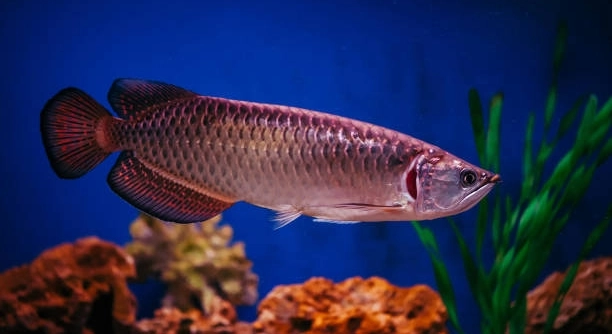
Does your Arowana seem calmer in the colder months or more active when the water warms? Many fish owners notice subtle shifts in behavior that appear to follow seasonal changes in their environment. These changes are often overlooked but significant.
Arowana behavior can indeed change with the seasons. Variations in water temperature, light exposure, and feeding schedules influence activity levels, aggression, and feeding patterns. Seasonal fluctuations create natural behavioral adjustments, which are observable in captive and wild Arowanas alike.
Observing these patterns can help you provide a more stable environment. Understanding seasonal behavior ensures your Arowana stays healthy, active, and comfortable throughout the year.
Seasonal Changes and Water Temperature
Water temperature is one of the most influential factors affecting Arowana behavior. During warmer months, Arowanas tend to be more active, swimming with greater energy and showing increased feeding interest. Higher temperatures accelerate metabolism, which naturally encourages more frequent movement and hunger. In colder months, their metabolism slows, leading to calmer behavior and reduced appetite. Observing this pattern is essential, as it helps owners adjust feeding amounts and schedules. Additionally, temperature fluctuations can impact the immune system. Maintaining stable water conditions prevents stress-related behaviors such as hiding or aggression. Using a reliable heater or chiller ensures that seasonal shifts do not create extreme temperature swings. Lighting also interacts with temperature, as longer daylight hours often coincide with warmer water, further stimulating activity. Monitoring both factors allows you to create a stable environment that matches your Arowana’s natural tendencies, keeping it comfortable throughout seasonal transitions.
Temperature directly impacts metabolism and overall activity levels. Adjusting feeding and tank conditions prevents stress and promotes healthier behavior year-round.
Consistently tracking water temperature provides insight into behavioral changes. Recording daily temperatures and observing activity patterns helps identify the ideal range for your Arowana. Sudden shifts can signal stress or illness, making careful monitoring important. Seasonal adjustments to heating and lighting can prevent unnecessary aggression or lethargy. For example, slightly warmer water during winter can encourage natural activity without overfeeding. Conversely, reducing heat slowly in summer prevents overstimulation and excessive energy expenditure. By understanding the relationship between water temperature and behavior, owners can create predictable routines, enhancing the fish’s comfort and reducing stress-induced health issues. A stable environment allows the Arowana to thrive, maintain its appetite, and interact naturally within its tank, ensuring long-term well-being.
Feeding Patterns Across Seasons
Arowana feeding habits vary noticeably with seasonal changes. They may eat more frequently in warm months and less during cooler periods, reflecting natural metabolic cycles.
Adjusting portion sizes and feeding frequency prevents overfeeding and keeps water quality stable. Careful observation ensures dietary needs match seasonal behavior.
Providing the right food at appropriate intervals encourages healthy growth. High-protein meals in warmer months support energy needs, while lighter feeds in winter reduce digestive strain. Observing how your Arowana responds allows for timely modifications, avoiding issues like bloating or waste accumulation. Seasonal variation in feeding is normal and expected. Tank enrichment and gradual introduction of new foods maintain interest and prevent boredom, ensuring the fish remains active even during slower periods. Consistent monitoring of appetite, combined with awareness of seasonal metabolic shifts, helps maintain optimal health. By aligning feeding strategies with natural behavior patterns, your Arowana will remain energetic, strong, and well-adjusted throughout the year.
Seasonal Aggression and Social Behavior
Arowanas often show changes in aggression depending on the season. Warmer months can trigger territorial behavior, while cooler months generally see calmer interactions. Recognizing these patterns helps prevent conflicts and ensures a harmonious tank environment.
During warmer periods, Arowanas may become more aggressive toward tank mates. Increased metabolism and activity levels can make them more defensive of their space, leading to chasing or fin nipping. Observing body language, such as flared fins or sudden lunges, allows owners to intervene early. Providing hiding spots and sufficient swimming space reduces stress. Seasonal shifts can also influence dominance hierarchies, especially in tanks with multiple Arowanas. Monitoring interactions during these periods is essential to avoid injury and maintain a balanced environment. Gradual changes in temperature and lighting can help moderate aggressive tendencies and keep the fish more predictable.
Calmer months usually reduce confrontational behavior. Arowanas tend to retreat more often, interact less, and display lower levels of territoriality. Limited movement during colder periods reflects natural energy conservation.
Seasonal Lighting Effects
Lighting changes with the seasons can alter Arowana activity. Longer daylight encourages movement and feeding, while shorter light periods often lead to slower behavior and extended rest.
Proper light scheduling supports natural rhythms. Mimicking seasonal daylight with timers helps regulate sleep cycles, feeding behavior, and overall activity. Sudden shifts in lighting can stress the fish, causing erratic swimming or reduced appetite. Observing responses to gradual light changes allows owners to maintain stability. Seasonal adjustments also affect color vibrancy and display behaviors, making the tank more visually appealing while promoting natural tendencies. Integrating consistent light patterns with seasonal variations ensures your Arowana remains healthy, active, and visually vibrant throughout the year.
Seasonal Rest Patterns
Arowanas adjust their rest patterns according to seasonal changes. Cooler temperatures and shorter daylight often lead to longer resting periods.
During warmer months, Arowanas tend to be more active and may rest less. Understanding these natural shifts helps maintain proper care routines.
Seasonal Stress Factors
Environmental changes like temperature drops or water quality fluctuations can increase stress. Sudden alterations may trigger hiding, erratic swimming, or reduced feeding. Consistently monitoring conditions and making gradual adjustments minimizes stress and supports overall health, allowing Arowanas to adapt smoothly to seasonal shifts.
Seasonal Breeding Behavior
Breeding behaviors are often linked to seasonal cues. Arowanas may display increased activity, courtship displays, or nest preparation during warmer, longer days, reflecting natural reproductive cycles. Recognizing these signs allows for better management of tank conditions and ensures successful breeding outcomes.
FAQ
Why does my Arowana swim less in winter?
Arowanas are cold-blooded, so their metabolism slows in cooler months. Reduced activity is normal and reflects natural energy conservation. Providing slightly warmer water and maintaining stable tank conditions helps keep them comfortable without forcing excessive movement.
Will my Arowana eat less in colder months?
Yes. Lower metabolism during cooler seasons naturally decreases appetite. Overfeeding during this time can lead to digestive issues and poor water quality. Adjust portion sizes to match their seasonal activity, offering smaller, less frequent meals. Monitoring feeding response ensures health is maintained.
Does light affect Arowana behavior?
Absolutely. Longer daylight hours stimulate activity, feeding, and even color vibrancy. Shorter light periods encourage rest and slower movement. Using a timer to mimic seasonal light changes can help maintain natural rhythms and prevent stress. Sudden changes in lighting may cause erratic swimming or hiding.
Can seasonal changes trigger aggression?
Yes, especially in warmer months. Increased energy levels and territorial instincts can make Arowanas more aggressive toward tank mates. Providing ample space, hiding spots, and monitoring interactions helps reduce conflicts. Cooler months typically see calmer behavior and fewer territorial displays.
How can I adjust feeding for seasonal changes?
Observe your fish’s appetite and activity levels. During warm months, offer more protein-rich meals to support energy demands. In cooler months, reduce portions and feed less frequently. Gradual adjustments prevent stress and digestive issues while matching natural metabolic cycles.
Do seasonal changes affect breeding behavior?
Yes. Warmer water and longer daylight can trigger courtship and spawning behaviors. Observing increased activity, chasing, or nest preparation can indicate readiness to breed. Maintaining optimal conditions during this period supports natural reproductive cycles.
How can I reduce stress during seasonal transitions?
Sudden temperature, lighting, or water quality changes can stress Arowanas. Introduce gradual adjustments to water temperature, maintain consistent feeding, and provide hiding spaces. Monitoring behavior closely helps identify early signs of stress like hiding, rapid gill movement, or decreased appetite.
Are seasonal behavior changes permanent?
No. These changes are temporary and follow natural environmental cues. Arowanas will return to normal behavior as conditions stabilize. Understanding seasonal patterns helps anticipate adjustments in care, feeding, and tank management without overreacting to temporary shifts.
Should I adjust tank decorations seasonally?
Minor changes, like adding more hiding spots during periods of higher aggression or providing calmer areas during cooler months, can be beneficial. These adjustments help the fish feel secure, reduce stress, and encourage natural behaviors in alignment with seasonal patterns.
How can I monitor my Arowana effectively?
Keep a log of water temperature, lighting duration, activity levels, and feeding response. Observing these factors daily provides insight into seasonal behavior changes. Gradual adjustments based on these observations help maintain health, comfort, and predictability throughout the year.
What signs indicate that seasonal changes are affecting health?
Signs include prolonged lethargy, drastic appetite changes, abnormal swimming, or fin damage. Consistent monitoring allows early intervention. Adjusting water temperature, feeding schedules, and tank conditions can prevent health issues related to seasonal shifts.
Is it necessary to change water more often during certain seasons?
Yes, water quality can fluctuate with temperature and feeding changes. Warmer months may increase waste production due to higher metabolism, requiring more frequent water changes. Cooler months might reduce waste but still require regular maintenance to prevent harmful buildup.
Can seasonal behavior changes differ between Arowana species?
Yes. Different species have varying tolerance to temperature and light changes, as well as unique metabolic rates. Understanding the specific needs of your species ensures accurate care adjustments and prevents unnecessary stress during seasonal transitions.
Are all seasonal behavior changes visible immediately?
Not always. Some changes, like reduced activity or appetite shifts, may appear gradually. Observing your Arowana over several weeks allows you to detect patterns and respond appropriately, maintaining consistent care throughout seasonal cycles.
Do seasonal changes affect coloration?
Yes. Longer light exposure and warmer water often enhance coloration, while cooler months may dull colors slightly. Maintaining stable water quality and natural light cycles supports healthy pigment expression and overall well-being.
Can seasonal changes impact tank mates?
Yes. If you have multiple fish species, behavioral shifts in Arowanas can affect interactions. Warmer months may increase aggression, while cooler months can reduce social activity. Monitoring all tank inhabitants ensures a balanced and safe environment.
How long does it take for Arowanas to adjust to seasonal changes?
Adjustment varies depending on the magnitude of change and individual fish. Gradual shifts in temperature, lighting, and feeding help minimize stress. Most Arowanas adapt within days to weeks, returning to predictable behavior as conditions stabilize.
What are common mistakes owners make with seasonal care?
Overfeeding during cold months, sudden temperature changes, and ignoring altered behavior are frequent mistakes. Recognizing seasonal patterns and responding with measured adjustments prevents health issues and supports natural behavior.
Can seasonal changes influence lifespan?
Indirectly, yes. Properly managed seasonal adjustments in temperature, lighting, and feeding reduce stress and disease risk, supporting long-term health. Mismanagement of seasonal changes, however, can increase vulnerability to illness and shorten lifespan.
How do I balance natural behavior with tank maintenance?
Monitor water quality, temperature, and light while respecting seasonal shifts in activity and appetite. Adjust feeding, enrichment, and tank setup gradually. Balancing routine care with natural behavior ensures your Arowana remains healthy, comfortable, and active year-round.
What should I do if behavior seems abnormal despite seasonal changes?
Investigate water parameters, tank conditions, and diet first. If all factors are stable and unusual behavior persists, consult a veterinarian or experienced aquarist. Seasonal changes usually explain minor behavioral shifts, but persistent abnormalities may indicate illness or stress.
Final Thoughts
Arowanas are fascinating fish, and observing their behavior can be a rewarding part of keeping them. Their activity, feeding, and social interactions often change with the seasons, reflecting natural rhythms that occur in the wild. Warmer months tend to bring increased energy, more frequent feeding, and heightened territorial behavior, while cooler months typically result in calmer movement, reduced appetite, and longer resting periods. Recognizing these seasonal patterns helps owners adjust care routines, including feeding, lighting, and tank management, to match the fish’s natural needs. By paying attention to these subtle changes, you can create an environment that supports the Arowana’s health and comfort throughout the year. Understanding these seasonal shifts also reduces unnecessary stress, both for the fish and the owner, because it clarifies when certain behaviors are natural rather than signs of illness.
Temperature and light are two of the most influential factors driving seasonal changes in Arowanas. Water temperature directly affects metabolism, which in turn impacts activity levels, feeding behavior, and energy expenditure. Warmer water encourages more active swimming and greater appetite, while cooler water slows metabolism and reduces movement. Lighting changes, whether natural or artificial, also play an important role. Longer daylight hours generally stimulate activity and enhance color vibrancy, while shorter days encourage rest and slower movement. Adjusting lighting gradually to mimic seasonal shifts can help maintain predictable behavior, reduce stress, and support natural cycles. Observing how your Arowana responds to these environmental changes allows you to make informed adjustments to tank conditions. This ensures that feeding schedules, enrichment, and temperature control remain aligned with the fish’s needs rather than forcing unnatural routines.
Seasonal changes also influence social behavior, aggression, and even breeding instincts. During warmer periods, Arowanas can become more territorial, which may lead to chasing or fin nipping in tanks with multiple fish. Providing sufficient swimming space, hiding areas, and careful monitoring helps prevent conflicts and maintain a balanced environment. Breeding behavior is also often triggered by seasonal cues, such as warmer water and longer daylight. Recognizing these behaviors allows you to support natural reproductive cycles without causing unnecessary stress. Even resting patterns shift with the seasons, as fish may rest longer during cooler months to conserve energy. Paying attention to all of these factors—temperature, lighting, feeding, and social dynamics—ensures your Arowana remains healthy, active, and comfortable. By adapting care to seasonal changes, you foster a stable environment that mirrors natural conditions, promoting long-term well-being and a more enjoyable ownership experience.
Word count: 414

Hello,
If you enjoy the content that we create, please consider saying a "Thank You!" by leaving a tip.
Every little bit helps us continue crafting quality advice that supports the health, happiness, and well-being of pets around the world, for pets of all shapes, sizes, and species.
We really appreciate the kindness and support that you show us!