
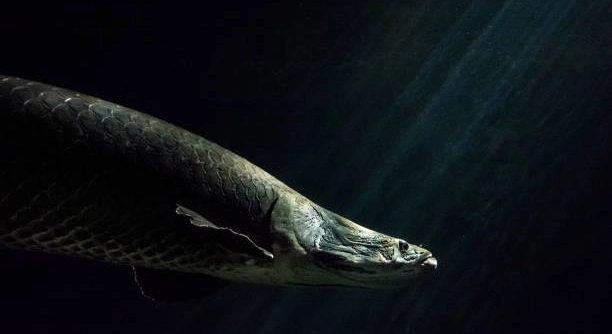
Are you thinking about expanding your aquarium but worry about adding fish that might stress your Arowana? Keeping a harmonious tank requires careful selection of companions that can coexist peacefully and maintain balance.
The best tank mates for Arowanas are those that are large, non-aggressive, and able to tolerate similar water conditions. Ideal companions include Silver Dollars, Clown Loaches, Bichirs, and certain types of Catfish that do not provoke territorial behavior.
Selecting compatible fish can make your aquarium both peaceful and visually appealing, ensuring that your Arowana remains healthy and unstressed while sharing its environment.
Silver Dollars
Silver Dollars are an excellent choice for Arowana tanks due to their peaceful nature and schooling behavior. They grow to a decent size, which prevents the Arowana from seeing them as prey. These fish prefer open swimming space, matching the Arowana’s need for room. Their silver coloring complements the aesthetic of the tank while adding movement without aggression. Silver Dollars thrive in groups, which helps reduce stress for all fish in the aquarium. They also prefer similar water conditions, including slightly acidic to neutral pH and warm temperatures, which aligns well with an Arowana’s requirements. Keeping them in schools of at least five ensures they feel secure, reducing chances of erratic swimming or hiding. Their diet mainly consists of plant matter, with occasional protein supplements. Feeding them appropriately ensures they stay healthy and do not compete aggressively with the Arowana for food, maintaining a peaceful coexistence in the tank.
Silver Dollars’ calm temperament and schooling habits make them highly compatible with Arowanas, reducing stress and creating a balanced aquarium environment.
Their adaptability, size, and social behavior allow them to coexist seamlessly. With proper care, they enhance both the appearance and harmony of your tank.
Clown Loaches
Clown Loaches are ideal tank mates for Arowanas because they are non-aggressive and bottom-dwelling. They stay out of the Arowana’s territory while adding activity to the lower areas of the tank.
These loaches require ample space and hiding spots to feel secure. They are social fish that thrive in groups of three or more, which helps prevent stress-related behaviors. Their diet consists of sinking pellets, vegetables, and occasional live foods, reducing competition for food with surface-feeding Arowanas. Clown Loaches are hardy and adapt well to tropical freshwater aquariums, tolerating a range of water conditions. Their striking orange and black stripes add color contrast without disturbing the tank’s harmony. Regular observation ensures they are active and healthy, which contributes to overall tank stability. By carefully monitoring their behavior, they can coexist with Arowanas for years, providing movement and interest without conflict. Proper maintenance and group care create a balanced and visually appealing aquarium that supports both species’ well-being.
Bichirs
Bichirs are slow-moving, bottom-dwelling fish that coexist well with Arowanas. Their large size and calm behavior prevent aggression. They occupy lower levels of the tank, leaving open swimming space for the Arowana, which reduces territorial stress and maintains harmony.
Bichirs have a unique, elongated body that allows them to navigate the tank quietly. They prefer hiding spots and caves, which makes them feel secure and less likely to provoke the Arowana. Their diet includes meaty foods like shrimp, worms, and pellets, minimizing competition for the Arowana’s surface feeding. Bichirs are hardy, adapting well to a variety of water conditions while requiring moderate maintenance. Observing their behavior regularly ensures they remain healthy and active without causing stress to other tank inhabitants.
These fish are nocturnal and peaceful, making them excellent companions. Their calm presence adds depth to the tank, complementing the Arowana’s more active swimming patterns. Maintaining suitable hiding spots and providing consistent care ensures long-term compatibility.
Catfish
Many species of Catfish, including Plecos and Synodontis, are compatible with Arowanas. Their bottom-feeding habits reduce competition, and their generally non-aggressive nature keeps the tank calm.
Catfish contribute to a cleaner aquarium by consuming leftover food, algae, and debris, which promotes overall water quality. Plecos grow large enough to avoid being threatened by the Arowana, while Synodontis remain small but peaceful, blending into the tank’s lower and mid-level areas. These fish tolerate similar water parameters as Arowanas, including warm temperatures and neutral to slightly acidic pH. Providing adequate hiding places for Catfish prevents stress and ensures they feel secure. Feeding them a mix of vegetables, algae wafers, and protein sources keeps them healthy and active without encroaching on the Arowana’s feeding territory. Regular monitoring and tank maintenance maintain a peaceful balance, allowing both species to thrive.
Silver Arowanas (Juvenile Companions)
Juvenile Silver Arowanas can coexist with adult Arowanas if the tank is large enough. Their similar swimming patterns and behavior reduce stress, allowing them to share territory peacefully. Careful monitoring ensures compatibility as they grow.
They require spacious tanks and proper feeding to prevent competition. Grouping juveniles separately until size differences are manageable helps maintain harmony and avoid aggression in the shared tank environment.
Oscars
Oscars are large, robust fish that can live with Arowanas in spacious aquariums. They are territorial but generally peaceful with similarly sized companions. Their size and temperament make them suitable for cohabitation when monitored carefully. Oscars require high-quality protein diets and stable water conditions. Proper tank setup with hiding spots reduces aggression.
Rainbowfish
Rainbowfish are active, mid-level swimmers that add movement and color to an Arowana tank. Their peaceful nature and quick swimming help them avoid stress while staying visible in the aquarium.
FAQ
What are the best tank conditions for Arowanas and their companions?
Arowanas and compatible tank mates require a large aquarium with plenty of swimming space. Water temperature should be maintained between 75–82°F, and the pH should be neutral to slightly acidic. Strong filtration and regular water changes are essential to keep the environment stable. Providing hiding spots for bottom-dwelling species like Bichirs, Clown Loaches, and Catfish helps reduce stress. Open swimming areas are necessary for active species such as Silver Dollars and Rainbowfish. Consistent lighting, moderate water flow, and regular monitoring of water parameters will ensure all fish coexist peacefully.
Can small fish be kept with Arowanas?
Small fish are generally not recommended with adult Arowanas. Arowanas are predatory and may view smaller fish as food. Juvenile Arowanas can sometimes tolerate slightly smaller companions if the tank is spacious and feeding is sufficient. Using mid-sized fish that are fast swimmers, like Rainbowfish, reduces the risk of predation. Careful observation is essential to ensure that the Arowana does not show hunting behavior. It is safer to stick with larger, non-aggressive species to maintain a peaceful tank environment over time.
How many tank mates should an Arowana have?
The number of companions depends on the tank size and species. Arowanas require at least 250 gallons for one adult, and additional fish should be limited to prevent overcrowding. Schooling species, like Silver Dollars or Clown Loaches, should be kept in groups of five or more to reduce stress. Too many fish can cause territorial disputes, water quality issues, and stress. Selecting fewer, compatible companions ensures the Arowana remains dominant without aggression, and all fish have sufficient space to swim, feed, and hide comfortably.
What should I feed Arowanas and their tank mates?
Arowanas require a high-protein diet including pellets, shrimp, fish, or insects. Feeding twice daily in controlled portions prevents overfeeding. Tank mates have different dietary needs: Bichirs and Catfish prefer meaty foods and sinking pellets, while Silver Dollars need more plant-based items. Oscars require a protein-rich diet with occasional vegetables. Ensuring each species receives the correct food prevents competition and keeps them healthy. Feeding at different levels—surface for Arowanas, mid-level for Rainbowfish, bottom for Bichirs—reduces stress and maintains harmony in the tank.
How do I prevent aggression in an Arowana tank?
Aggression can be minimized by choosing compatible, similarly sized species. Avoid overcrowding and provide hiding spots for timid fish. Large, active species like Silver Dollars or Rainbowfish distract the Arowana without triggering territorial behavior. Regular monitoring, proper feeding, and maintaining stable water conditions reduce stress, which is a common trigger for aggression. Separating overly aggressive individuals or providing dividers can also help maintain peace.
How often should water be changed in an Arowana tank?
Arowana tanks require consistent water changes to maintain water quality. Performing 20–30% water changes weekly helps remove waste, uneaten food, and toxins. Heavily stocked tanks may need more frequent changes. Monitoring water parameters like ammonia, nitrite, nitrate, and pH ensures stability. Using dechlorinated water and maintaining similar temperature prevents shock to the fish. Regular water maintenance supports the health of all tank inhabitants and reduces stress, making the aquarium more harmonious for Arowanas and their companions.
Are decorations safe for Arowanas and their tank mates?
Yes, but they should be chosen carefully. Avoid sharp objects that can injure large, active Arowanas. Smooth rocks, driftwood, and sturdy plants work well. Decorations should provide hiding spaces for bottom-dwellers while leaving open swimming areas for surface swimmers. Secure decorations prevent accidental toppling, which could stress or harm the fish. Well-planned tank layout contributes to a calm environment, promoting coexistence among species like Clown Loaches, Bichirs, and Rainbowfish alongside the Arowana.
How do I introduce new fish to an Arowana tank?
New fish should be quarantined for at least two weeks to prevent disease. Introduce them slowly, using a divider or floating acclimation to allow the Arowana to observe without direct contact. Monitor behavior for signs of aggression or stress. Gradual introduction allows tank mates to adjust and reduces conflict. Feeding both new and existing fish simultaneously helps prevent competition. Regular observation during the first weeks ensures a smooth transition and helps maintain a peaceful, balanced aquarium environment for all species.
Can Arowanas be kept with multiple large fish species?
Yes, if the tank is spacious enough and species are compatible. Large, peaceful fish reduce stress and maintain balance. Avoid aggressive or predatory species that may provoke conflict. Ensuring enough hiding areas and swimming space allows all fish to coexist comfortably. Regular monitoring and careful selection of tank mates maintain long-term harmony.
Final Thoughts
Maintaining a peaceful Arowana tank requires careful planning and attention to detail. Selecting tank mates that are compatible in size, temperament, and water requirements is essential to avoid stress and aggression. Large, non-aggressive fish like Silver Dollars, Clown Loaches, Bichirs, and certain Catfish species are excellent companions because they occupy different levels of the tank, allowing the Arowana plenty of open swimming space. Juvenile Silver Arowanas can also be kept together in very large tanks, but careful monitoring is necessary as they grow to ensure harmony. Choosing the right combination of species reduces conflict and helps create a balanced and visually appealing aquarium.
Tank setup plays an equally important role in keeping your Arowana and its companions comfortable. A spacious aquarium with proper filtration, stable water parameters, and adequate hiding spots supports the health and wellbeing of all fish. Bottom-dwelling species like Bichirs and Clown Loaches need caves or driftwood to feel secure, while mid-level swimmers like Rainbowfish benefit from open areas to move freely. Regular water changes, monitoring pH and temperature, and proper feeding routines help maintain a stable environment. Feeding fish according to their dietary needs prevents competition and ensures that all species remain healthy. Proper care and observation allow tank mates and Arowanas to coexist peacefully over the long term.
Selecting compatible species and maintaining a carefully managed environment not only supports the health of the Arowana but also enhances the overall beauty and activity of the aquarium. Active swimmers like Silver Dollars and Rainbowfish add movement and color, while bottom dwellers contribute to the tank’s balance and cleanliness. Observing the interactions between fish regularly helps detect early signs of stress or aggression, allowing adjustments before issues escalate. By understanding the needs of each species, providing adequate space, and ensuring proper care, you can create a harmonious tank that is both visually appealing and stress-free for your Arowana and its companions. A well-planned aquarium brings satisfaction, knowing that every fish has the space, nutrition, and environment it needs to thrive.

Hello,
If you enjoy the content that we create, please consider saying a "Thank You!" by leaving a tip.
Every little bit helps us continue crafting quality advice that supports the health, happiness, and well-being of pets around the world, for pets of all shapes, sizes, and species.
We really appreciate the kindness and support that you show us!