
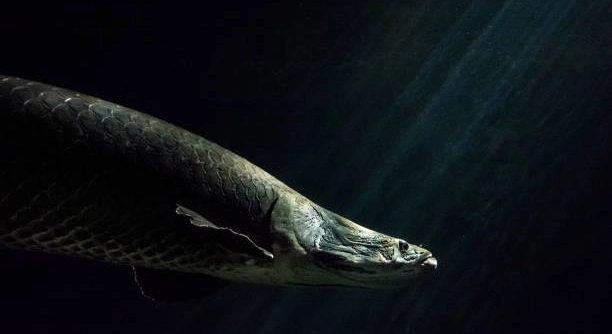
Have you ever set up an aquarium and wondered how Arowanas behave with company? These majestic fish are popular for their beauty, size, and presence, making them a favorite choice for both beginner and experienced aquarists.
Arowanas are generally territorial, and keeping them alone is often safer to prevent aggression. Housing them in pairs requires careful observation, sufficient space, and proper tank setup to reduce stress and ensure coexistence without injury.
Understanding Arowana behavior is key for a healthy aquarium environment. Learning how they interact can help create a more balanced and peaceful aquatic space.
Understanding Arowana Temperament
Arowanas are naturally territorial and can become aggressive if their space is limited or if they feel threatened. They are active swimmers who need plenty of room to move freely. Observing their body language can help identify stress or dominance issues early. Some Arowanas tolerate tank mates, but compatibility depends on size, temperament, and the layout of the aquarium. Proper hiding spots and visual barriers can reduce confrontations. Diet also plays a role; well-fed Arowanas are less likely to compete aggressively. Water quality is crucial since stress from poor conditions can trigger aggression. Tank size should be considered carefully when planning to keep more than one Arowana. Even slight differences in age or size can affect interactions, with larger fish often dominating smaller ones. Maintaining consistent routines and monitoring behavior daily helps ensure a peaceful environment and prevents injuries.
Arowanas generally prefer open swimming space and minimal disturbance, which supports their natural instincts and reduces stress.
Paying attention to these factors can improve both the health and happiness of your Arowana, making coexistence easier if you plan to keep more than one.
Housing Arowanas in Pairs
Pairs of Arowanas can live together with careful planning and attention.
Keeping two Arowanas in the same tank requires a larger aquarium, ideally over 250 gallons, to allow enough swimming space and reduce territorial disputes. The tank should include visual breaks, such as plants or driftwood, to give each fish its own area. Monitor behavior closely, especially during feeding or breeding periods, when aggression can increase. Size matching is important; large differences can lead to bullying or stress. Introducing Arowanas simultaneously helps them establish boundaries, and maintaining excellent water quality supports their health. Observing interactions over time lets you identify signs of dominance or injury. Some aquarists use separate tanks with a shared divider to acclimate the fish before attempting full cohabitation. Feeding separately can reduce competition, and keeping the environment enriched with hiding spots or floating structures can minimize conflicts. Even with precautions, not all pairs will thrive together, so readiness to separate them is essential.
With proper preparation and attention to behavior, keeping Arowanas in pairs can be manageable, but constant observation and care are key to a harmonious setup.
Tank Size and Environment
Arowanas need spacious tanks to thrive, especially if more than one is kept together. A larger aquarium reduces aggression and provides room for natural swimming behavior. Decorations and plants should create visual barriers without restricting movement.
For a single adult Arowana, a tank of at least 150 gallons is recommended, though bigger is better. When keeping a pair, 250 gallons or more is ideal to prevent territorial disputes. The tank should have a secure lid, as Arowanas are known for jumping. Water quality must remain stable, with regular filtration and monitoring. Temperature and pH should be consistent to maintain health. Decorations such as driftwood or tall plants can provide hiding spots, breaking line-of-sight to reduce stress. Avoid overcrowding with other species that may provoke aggression or compete for space. Lighting should mimic natural conditions without being too harsh.
Proper maintenance of the tank environment directly impacts the Arowanas’ health and behavior. Adequate space, hiding spots, and water conditions prevent conflicts and stress. Consistent monitoring ensures that both fish remain healthy and active.
Feeding and Nutrition
A balanced diet is essential to reduce aggression and support growth. Arowanas are carnivorous and thrive on protein-rich food.
Feeding should include live or frozen fish, shrimp, and insects, supplemented with pellets formulated for large carnivorous fish. Overfeeding can lead to poor water quality and health problems, while underfeeding may increase aggression. Feeding multiple times per day in small amounts helps maintain stable energy levels. Variety is important to provide essential nutrients and prevent dietary deficiencies. Avoid feeding overly large prey that may cause choking or digestive issues. Some aquarists incorporate occasional treats, like worms or small crustaceans, to stimulate natural hunting behaviors. Monitoring food consumption also allows you to observe any changes in appetite, which may indicate stress or illness. Proper feeding supports both physical growth and mental stimulation.
The right diet promotes healthy behavior, reduces conflict in shared tanks, and ensures Arowanas reach their full potential. Observing their eating habits also gives insight into overall wellbeing and tank dynamics.
Monitoring Behavior
Regular observation of Arowanas is crucial to prevent aggression. Look for chasing, nipping, or hiding, which can indicate stress or dominance issues. Early detection allows intervention before injuries occur.
Behavior can change quickly, especially in pairs. Recording daily interactions helps track patterns and identify triggers, such as feeding times or new tank additions.
Signs of Stress
Stress in Arowanas may appear as loss of appetite, lethargy, or unusual swimming patterns. Stress can weaken their immune system and make them more prone to disease.
Identifying stress early allows for corrective actions, like adjusting tank conditions, separating fish, or improving hiding spaces. Consistent monitoring and intervention are essential to maintain a peaceful environment and ensure long-term health.
Separating Aggressive Fish
Sometimes separation is the only solution. Aggressive behavior can escalate despite precautions, so a backup tank is recommended.
Using a divider or a separate tank reduces injuries and allows both fish to calm down. This temporary measure can prevent long-term harm while maintaining optimal tank conditions.
Long-Term Care
Maintaining consistent routines and water quality supports Arowanas’ health. Regular feeding, cleaning, and observation are key.
FAQ
How long can an Arowana live alone?
Arowanas can live for 10 to 20 years when kept alone in a proper environment. A solitary setup reduces stress caused by territorial disputes. Providing a spacious tank, clean water, and a balanced diet supports longevity. Regular observation ensures early detection of illness or behavioral changes.
Can two Arowanas share a tank without fighting?
Yes, but only under careful conditions. The tank must be very large, ideally over 250 gallons, with hiding spots and visual barriers. Size matching and simultaneous introduction help reduce aggression. Monitoring behavior and separating fish if fights occur is essential.
What size tank is needed for a pair of Arowanas?
A tank of at least 250 gallons is recommended for two adult Arowanas. This provides enough space for swimming and reduces territorial aggression. Additional decorations and plants help break the line-of-sight, giving each fish its own area.
How can I tell if my Arowanas are stressed?
Signs of stress include loss of appetite, hiding, erratic swimming, or nipping at tank mates. Poor water quality or insufficient space often causes stress. Corrective actions, such as adjusting tank conditions, adding hiding spots, or temporarily separating aggressive fish, are necessary to restore calm.
What should I feed Arowanas in a shared tank?
Feed a balanced diet of high-protein foods, including live or frozen fish, shrimp, and insects, supplemented with pellets designed for large carnivorous fish. Feeding small amounts multiple times a day reduces competition and ensures both fish receive proper nutrition. Variety helps prevent deficiencies and encourages natural hunting behaviors.
Is it safe to mix Arowanas with other fish?
Mixing Arowanas with other species is risky. They are large, predatory, and territorial. Tank mates must be carefully chosen, typically other large, robust species that cannot fit in the Arowana’s mouth. Monitoring interactions is necessary, as even compatible species may trigger aggression.
How often should I check water quality?
Water should be checked daily for temperature, pH, ammonia, nitrite, and nitrate levels. Arowanas are sensitive to changes, and poor water quality can increase stress or trigger aggression. Using a reliable filtration system and regular water changes ensures a healthy environment.
Do Arowanas recognize each other?
Yes, they can recognize familiar tank mates and may establish a social hierarchy. Dominance displays such as chasing or flaring fins are common. Observing these behaviors helps determine whether the pairing is working or if separation is needed.
What’s the best way to introduce two Arowanas?
Introduce them simultaneously into a large, well-prepared tank. Visual barriers and hiding spots reduce stress. Size matching helps prevent bullying. Observe closely for the first few weeks, especially during feeding, and be ready to separate if aggressive behaviors escalate.
Can an aggressive Arowana calm down over time?
Some aggression decreases as fish establish boundaries and territories, but not all Arowanas calm down. Continuous observation and proper tank management are crucial. If aggression persists, temporary or permanent separation may be the only way to prevent injury.
How often should I feed a pair of Arowanas?
Feeding small amounts two to three times a day is recommended. Multiple feedings reduce competition and stress. Monitor each fish to ensure both are eating adequately and adjust portions to prevent overfeeding and water quality issues.
Are Arowanas happier alone or in pairs?
Happiness depends on tank conditions and temperament. Many thrive alone because it reduces stress and prevents injuries. Others may tolerate pairs if the tank is large enough, behavior is monitored, and proper environmental enrichment is provided. Regular observation is key to determining compatibility.
What should I do if one Arowana becomes aggressive suddenly?
Immediate action is necessary. Provide a temporary divider or separate tank to prevent injury. Review tank size, water quality, and feeding practices. Aggression may stem from stress, illness, or territorial disputes. Adjusting conditions often helps restore peace, but permanent separation may be required.
Can I keep Arowanas of different sizes together?
It is not recommended. Larger fish often dominate or injure smaller ones, leading to stress and potential death. Size matching is critical for pairs. If keeping different sizes together, constant observation and a backup plan for separation are essential to prevent conflicts.
How do I encourage peaceful behavior in a pair?
Provide a large tank, visual barriers, and multiple hiding spots. Feed adequately and maintain excellent water quality. Simultaneous introduction and careful monitoring help reduce aggression. Even with precautions, some pairs may require separation if conflicts persist.
Can Arowanas coexist during breeding?
Breeding can trigger strong aggression, especially in males. Even previously compatible pairs may fight. Separate tanks or dividers are often necessary during breeding periods to prevent injury while allowing controlled interaction.
Are there long-term risks of keeping Arowanas together?
Long-term risks include chronic stress, injuries, and uneven growth due to dominance. Regular monitoring, proper tank conditions, and readiness to separate fish are necessary to maintain health. Without careful management, aggression can lead to serious harm or death.
How do I know if my tank setup is suitable for a pair?
The tank should be large, with plenty of swimming space, hiding spots, and stable water conditions. Observe interactions; minimal chasing, nipping, or hiding indicates a compatible environment. Be ready to make adjustments or separate fish if problems arise.
Can Arowanas share a tank with other large species safely?
It is possible with careful selection of robust, non-aggressive species that are too large to be eaten. Even so, monitoring interactions and ensuring sufficient space is critical. Aggression can still occur, so a contingency plan is always recommended.
What maintenance practices help reduce aggression?
Regular water changes, proper filtration, consistent feeding schedules, and environmental enrichment reduce stress. Observing behavior daily allows early detection of conflicts. Adjusting hiding spots, barriers, or tank layout can help minimize disputes and maintain harmony.
How do I know when to separate Arowanas permanently?
Permanent separation is needed if repeated aggression causes injuries, stress, or one fish dominates feeding and space. Even with a large tank, some personalities are incompatible. Safety and health must take priority over attempts to force cohabitation.
What are signs of a healthy pairing?
Healthy pairs swim freely, share territory without constant chasing, eat normally, and show minimal stress behaviors. Occasional displays of dominance are normal, but persistent aggression or hiding indicates incompatibility. Regular observation helps ensure both fish are thriving in their environment.
Is it possible to reintroduce separated Arowanas?
Reintroduction can be attempted after a cooling-off period, ideally with visual barriers or dividers first. Close monitoring is essential. Not all fish will accept each other again, so be prepared for permanent separation if conflicts resume.
How can I minimize aggression during feeding?
Feed in multiple locations simultaneously to reduce competition. Provide enough food for both fish and monitor consumption. Offering varied food items can help keep both fish occupied and decrease fighting during mealtime.
What role does enrichment play in Arowana behavior?
Enrichment, like floating structures, plants, and hiding spots, reduces boredom and territorial disputes. It encourages natural behaviors and provides private spaces, which helps maintain a calmer tank environment and reduces overall aggression.
Can water parameters affect compatibility?
Yes, poor water quality or fluctuating temperature and pH can increase stress and aggression. Maintaining stable, optimal conditions is essential for peaceful coexistence. Regular testing and adjustments help create a suitable environment for both fish.
How do I prevent injuries in a shared tank?
Ensure sufficient space, provide barriers, and monitor interactions closely. Separate aggressive individuals when necessary. Regular feeding and environmental enrichment reduce stress and conflicts. Immediate action at the first signs of injury prevents escalation and promotes recovery.
What should I do if one fish stops eating?
Loss of appetite can indicate stress, illness, or bullying. Check water quality, tank conditions, and interactions. Temporarily separating the fish and adjusting feeding practices may help restore normal behavior. Monitoring closely ensures the fish returns to a healthy eating routine.
Are some Arowana species more compatible than others?
Yes, temperament varies between species. Some are more aggressive or territorial, making cohabitation difficult. Researching species-specific behavior and size helps predict compatibility and informs tank setup decisions. Even with careful planning, individual personalities can affect success.
How important is observation in shared tanks?
Observation is critical. Daily monitoring allows detection of stress, aggression, or illness. Early intervention prevents injuries and ensures both fish remain healthy. Adjusting feeding, hiding spots, or tank layout can maintain harmony and minimize conflicts.
Can environmental changes reduce aggression?
Yes, adding plants, driftwood, or barriers can break line-of-sight and reduce territorial disputes. Rearranging the tank occasionally may prevent boredom and encourage natural exploration, reducing stress and improving coexistence.
What is the safest way to introduce new tank mates?
Use a divider or quarantine tank first. Observe interactions through the barrier. Gradual introduction reduces stress and allows fish to establish territories safely. Be prepared to separate fish permanently if aggression continues.
How often should I check for injuries in a shared tank?
Check daily for scratches, torn fins, or bite marks. Even minor injuries can worsen if ignored. Promptly addressing wounds prevents infection and helps maintain a peaceful environment. Monitoring ensures both fish remain healthy and active.
Can aggression be reduced with more hiding spots?
Yes, providing caves, plants, and floating barriers allows fish to retreat and reduces line-of-sight conflicts. A well-structured tank supports natural behaviors, reduces stress, and minimizes fights between Arowanas.
Is it possible for Arowanas to form a stable hierarchy?
Yes, some pairs establish dominance without serious conflict. Occasional displays are normal, but continuous aggression indicates incompatibility. Monitoring and adjusting the environment helps maintain a stable hierarchy and ensures both fish remain healthy.
How do tank decorations influence behavior?
Decorations create visual breaks, private areas, and territory boundaries. Driftwood, plants, and rocks reduce chasing and nipping, helping maintain a calm environment. They also provide mental stimulation and encourage natural behaviors.
What are common mistakes in keeping Arowanas together?
Common mistakes include insufficient tank size, lack of hiding spots, ignoring aggression, poor water quality, and mismatched sizes. Overfeeding or underfeeding can also trigger disputes. Careful planning, observation, and readiness to separate fish prevent serious problems.
How long should I observe new pairs?
Observe closely for at least several weeks, particularly during feeding. Early aggression or stress signs indicate potential issues. Continuous monitoring ensures timely intervention and increases the chances of successful cohabitation.
Can aggressive behavior affect health long-term?
Yes, chronic stress and repeated injuries can weaken the immune system, reduce growth, and lead to disease. Preventing aggression through proper tank setup, observation, and management supports long-term health.
What’s the best strategy if one Arowana dominates the tank?
Separate temporarily or permanently to prevent stress and injury. Adjust hiding spots, feeding methods, and tank layout to give both fish access to space and resources. Observing interactions ensures a safe and balanced environment.
How can I make cohabitation more likely to succeed?
Provide a very large tank, visual barriers, hiding spots, consistent feeding, and stable water conditions. Introduce fish simultaneously, monitor behavior, and be ready to separate if necessary. Individual personalities ultimately determine success.
Are temporary dividers effective long-term?
Temporary dividers allow acclimation and reduce immediate conflict. Long-term effectiveness depends on individual fish compatibility. Some pairs may require permanent separation, while others adjust over time. Regular observation is essential.
How do I balance tank decorations with swimming space?
Place decorations along the edges or in corners to create hiding spots without restricting swimming paths. Ensure the tank remains open enough for natural movement while providing visual barriers to reduce stress and aggression.
What’s the role of diet in managing aggression?
Adequate nutrition reduces competition and stress. High-protein meals in small, frequent portions ensure both fish are satisfied. Varied diet encourages natural hunting behaviors and minimizes disputes during feeding.
Can Arowanas coexist in the same tank for their entire lifespan?
It is possible, but not guaranteed. Compatibility depends on personality, size, species, and tank conditions. Continuous observation, proper maintenance, and readiness to separate fish when necessary are essential for long-term success.
How do I decide between keeping one or two Arowanas?
Consider tank size, personal ability to monitor behavior, and willingness to intervene if aggression occurs. Solitary Arowanas are often easier to manage, while pairs require significant space and careful attention. Safety and health should guide the decision.
What’s the most important factor in Arowana cohabitation?
Tank size, observation, and proper environment are the most critical. Even with compatible fish, continuous monitoring and adjustments prevent aggression and stress, ensuring both Arowanas remain healthy and active in a shared space.
Keeping Arowanas can be a rewarding experience, but it requires careful planning and attention to their needs. These fish are naturally territorial, which makes the decision to keep them alone or in pairs important. Many aquarists find that a single Arowana is easier to manage because it reduces the risk of aggression and stress. A solitary setup allows the fish to have plenty of space to swim and explore without fear of conflict. Proper tank size, stable water quality, and a balanced diet are all essential factors to maintain the health of a lone Arowana. Observing the fish regularly helps ensure that any signs of illness or stress are noticed early. Even though keeping one fish might seem simpler, it still demands consistent care and attention to provide a comfortable and stimulating environment.
For those considering keeping Arowanas in pairs, preparation is crucial. A large tank is a necessity, ideally 250 gallons or more, to give each fish sufficient space. Visual barriers and hiding spots help reduce territorial disputes by giving the fish areas to retreat. Feeding should be carefully managed, with food offered in multiple locations to prevent competition and aggression. Monitoring behavior is critical, especially in the first few weeks after introducing the pair. Even with careful planning, some Arowanas may not tolerate each other, and temporary or permanent separation may become necessary. Understanding the personalities of your fish and providing a structured environment are key to helping a pair coexist successfully. Regular observation and adjustments to tank conditions can help prevent injuries and keep both fish healthy.
Ultimately, whether keeping one Arowana or two, the focus should be on providing the right environment and consistent care. Arowanas are long-lived, active fish that thrive when their needs for space, diet, and water quality are met. Choosing to keep a pair is possible, but it comes with added responsibilities, including monitoring for aggression and maintaining a sufficiently large tank. Observing their behavior, providing environmental enrichment, and ensuring proper feeding routines all contribute to their overall wellbeing. Paying attention to these details will help your Arowanas live longer, healthier lives while minimizing stress and conflict. Thoughtful planning and dedication to their care make it possible to create an aquarium where Arowanas can thrive safely, whether alone or in carefully managed pairs.

Hello,
If you enjoy the content that we create, please consider saying a "Thank You!" by leaving a tip.
Every little bit helps us continue crafting quality advice that supports the health, happiness, and well-being of pets around the world, for pets of all shapes, sizes, and species.
We really appreciate the kindness and support that you show us!