
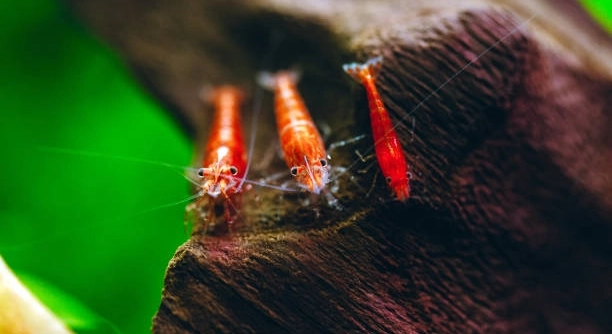
Do you ever notice how shrimp move around in their tanks or natural habitats? Their behavior can seem both solitary and social, creating a balance between personal space and group living in their environment.
Shrimp exhibit a strong preference for maintaining and defending personal territory over social interaction. Territorial behavior ensures access to resources such as food, shelter, and mating opportunities, which directly impacts survival and overall fitness in both natural and captive settings.
Observing shrimp behavior closely reveals patterns that go beyond mere companionship. Understanding their territorial instincts can help improve aquarium setups and natural habitat management.
Territorial Behavior in Shrimp
Shrimp naturally claim specific areas in their habitat to secure food, shelter, and safety. This territorial instinct is most noticeable when multiple shrimp are placed in a confined environment. They may stake out hiding spots among rocks, plants, or other structures. A shrimp’s chosen territory is often defended aggressively against intruders, even those of the same species. Understanding these patterns can help in designing aquariums that minimize conflict. Territorial behavior also influences feeding habits. Shrimp may prefer to eat alone to avoid competition, and new arrivals can disrupt established hierarchies. Observing how shrimp interact with their surroundings provides insight into their needs. Tank setup, population density, and availability of hiding spaces directly affect the level of stress and aggression observed. By giving each shrimp sufficient space and resources, conflicts are reduced, and shrimp exhibit more natural, relaxed behaviors. This balance is crucial for both their health and overall activity levels in a captive setting.
Proper tank design can minimize stress and promote natural behavior.
Creating spaces that respect shrimp boundaries ensures healthier interactions and reduces competition, leading to calmer and more active shrimp populations over time.
Social Interaction Among Shrimp
Shrimp do engage in social behaviors, although these interactions are limited and often secondary to territorial instincts.
While shrimp occasionally congregate for feeding or molting, their social interactions are subtle. They may communicate through movement, antenna contact, or gentle nudging. These behaviors help them sense nearby shrimp without provoking conflict. Social interaction is more about coexistence than companionship. Group dynamics form when multiple shrimp share the same environment, with hierarchies emerging based on size, strength, and territorial claims. Shrimp that are less aggressive often stay at the periphery, avoiding confrontation, while dominant individuals claim prime hiding spots. Even in social settings, territorial instincts dominate, and the balance between personal space and shared areas is delicate. Overcrowding or insufficient hiding spaces increases stress and can lead to aggression, affecting feeding and overall health. Observing shrimp carefully allows aquarists to adjust population density, decorations, and hiding places to maintain harmony. Understanding both territorial and social behavior helps create an environment that supports natural instincts while allowing peaceful coexistence for multiple shrimp.
Environmental Factors Affecting Shrimp Behavior
Water quality and tank setup strongly influence shrimp behavior. Poor conditions increase stress, making shrimp more aggressive over territory. Proper filtration, temperature, and hiding spots encourage calm, natural behaviors, reducing conflicts and supporting overall health in both solitary and group settings.
Shrimp are sensitive to changes in their environment, including water chemistry, temperature, and light levels. Sudden fluctuations can trigger defensive behavior and territorial disputes. Aquariums that provide plenty of hiding spaces, plants, and structures allow shrimp to claim areas without constant conflict. Observing their movement patterns helps identify preferred spots and ensures that each shrimp has access to necessary resources. Maintaining stable, clean conditions supports natural behavior and improves shrimp longevity.
Population density also affects territorial behavior. Overcrowding forces shrimp into shared spaces, increasing stress and aggressive encounters. Carefully monitoring numbers and providing enough space for each shrimp is essential. By designing the tank to mimic natural habitats with multiple zones, shrimp can coexist peacefully. This careful planning allows them to feed, molt, and explore without constant territorial pressure, supporting overall activity, health, and reproduction. A well-structured environment ensures that shrimp exhibit both territorial and social behaviors without harmful conflict.
Observing and Managing Shrimp Behavior
Frequent observation is necessary to understand how shrimp interact with their environment and each other.
Watching shrimp closely allows you to notice signs of stress or conflict, such as chasing or hiding. Early intervention, like adjusting tank decorations or spacing, can prevent injury and maintain harmony. Regular monitoring also helps identify dominant individuals and ensures all shrimp have access to food and shelter. Observation informs adjustments to population density, environmental enrichment, and hiding spaces. By keeping track of shrimp behavior over time, you can maintain a balanced, peaceful tank. Small changes often have large impacts on overall shrimp wellbeing and interactions, supporting both their territorial instincts and limited social engagement.
Feeding and Territory
Shrimp often defend feeding areas, ensuring they have first access to food. Aggression can appear when multiple shrimp approach the same spot, especially if resources are limited. Properly spacing food reduces competition and supports calmer interactions.
Providing several feeding points encourages sharing and limits conflicts. Observing which shrimp dominate certain areas helps adjust placement and feeding schedules.
Molting and Vulnerability
During molting, shrimp become highly vulnerable, seeking secure hiding spaces to avoid aggression from tank mates. The process requires both shelter and minimal disturbance. Providing adequate cover reduces stress and supports successful molting, ensuring shrimp remain healthy and active.
Signs of Stress
Shrimp under stress may hide excessively, display aggressive chasing, or refuse to eat.
Monitoring behavior carefully helps identify environmental or social issues early, allowing adjustments to improve conditions. Stress management through proper tank setup and observation ensures shrimp can express natural behaviors safely.
FAQ
Do shrimp get along with each other?
Shrimp can coexist peacefully if their environment supports both personal space and group living. Conflicts usually arise over territory rather than social interaction. Providing plenty of hiding spots and sufficient food reduces aggression. Observation helps identify dominant shrimp and ensures everyone has access to resources without constant stress.
How much space do shrimp need in a tank?
Tank space is critical for minimizing territorial disputes. Overcrowding increases stress and aggression. A general guideline is to provide at least one gallon of water per shrimp, but additional decorations and hiding spaces are equally important. Structured zones help shrimp claim territory without direct confrontation.
Why do shrimp hide so often?
Hiding is natural, especially during molting or when shrimp feel threatened. Shrimp use shelters to avoid aggression and reduce stress. Lack of hiding spaces can lead to excessive stress, affecting feeding, growth, and reproduction. Observing hiding patterns helps determine if environmental adjustments are needed.
Do shrimp fight over food?
Food is a common reason for territorial behavior. Dominant shrimp may chase others away from feeding spots. Spreading food across multiple areas encourages sharing and reduces competition. Watching feeding behavior can inform adjustments to placement and quantity to maintain harmony.
Can shrimp live in groups without conflict?
Yes, if the environment is designed with both social and territorial needs in mind. Shrimp balance personal space with occasional interactions. Dense vegetation, rocks, and multiple hiding areas reduce aggression. Monitoring shrimp behavior allows for timely adjustments to prevent persistent conflict.
How do I know if my shrimp are stressed?
Signs of stress include hiding for long periods, erratic swimming, refusing food, or displaying frequent aggression. Environmental factors like poor water quality, temperature fluctuations, and overcrowding are common triggers. Stress management involves stable conditions, adequate space, and observing social interactions.
Do shrimp prefer certain areas in the tank?
Shrimp often select preferred zones for feeding, molting, and resting. These areas typically offer shelter, food access, and minimal disturbance. Identifying these spots helps in arranging tank decorations and ensuring each shrimp has sufficient space to claim territory without conflict.
What role does molting play in behavior?
Molting temporarily makes shrimp vulnerable. They retreat to hiding spaces to avoid aggression from tank mates. Stress during this phase can cause injury or death. Providing secure hiding areas and minimizing disturbances ensures safe molting and supports overall health and growth.
How do shrimp communicate?
Shrimp communicate mainly through movement, antenna contact, and gentle nudges. These interactions are subtle and often signal awareness of nearby shrimp or environmental changes. This communication helps maintain balance between territorial defense and social coexistence.
Can territorial shrimp coexist with other species?
Yes, if tank mates are non-aggressive and occupy different areas. Aggressive species or those competing for the same resources increase stress and conflict. Careful selection and monitoring of tank inhabitants are key to maintaining a peaceful, functional environment.
How can I reduce territorial disputes?
Providing multiple hiding spaces, adequate food distribution, and sufficient water volume reduces disputes. Observing shrimp behavior and making small adjustments, like rearranging decorations or adjusting population density, helps maintain harmony. Consistency in tank conditions supports calmer, natural interactions.
Does tank layout affect shrimp behavior?
Absolutely. Vertical and horizontal structures create territories, allowing shrimp to claim personal space. Plants, rocks, and caves not only offer hiding but also reduce visual contact, lowering stress. Observing how shrimp move through the layout helps optimize tank design for natural behaviors.
What are common mistakes in managing shrimp tanks?
Overcrowding, poor water quality, insufficient hiding spaces, and uneven food distribution are common issues. Ignoring territorial needs can lead to stress, aggression, and health problems. Monitoring behavior and making adjustments ensures a stable environment that meets both social and territorial requirements.
How often should I observe shrimp behavior?
Daily observation helps catch early signs of stress or conflict. Noting feeding patterns, hiding behavior, and interactions allows proactive management. Even brief check-ins provide valuable information for maintaining a balanced environment and supporting shrimp health and well-being.
Do all shrimp species value territory the same way?
No, territorial instincts vary by species. Some are more aggressive and require larger territories, while others are more tolerant of neighbors. Researching species-specific behaviors helps design appropriate tanks and manage populations effectively, reducing conflict and stress.
Final Thoughts
Shrimp behavior is shaped by a balance between territorial instincts and limited social interaction. Observing their movements and interactions shows how important personal space is to these small creatures. Even in a group, shrimp carefully select areas they can claim as their own, especially around hiding spots, feeding zones, or shelter. This behavior is not about aggression for its own sake, but about survival and access to resources. Territorial behavior ensures that each shrimp can feed without constant interference, find a safe place to molt, and reduce stress from encounters with others. In aquariums, it becomes clear that providing enough space and environmental complexity helps shrimp live naturally, while cramped conditions increase stress and conflict. Recognizing and accommodating these instincts allows shrimp to display normal behaviors and promotes overall health.
Maintaining a stable environment is equally important to support shrimp wellbeing. Water quality, temperature, and tank layout all influence how shrimp interact with each other and with their surroundings. Sudden changes or poor conditions can heighten aggression or cause shrimp to hide excessively, disrupting normal routines. By providing multiple hiding places, spreading food across different areas, and avoiding overcrowding, shrimp can coexist peacefully while maintaining their territorial habits. Careful observation allows aquarists to adjust conditions if certain shrimp appear stressed or dominant individuals are causing conflicts. Each tank is unique, and paying attention to shrimp behavior helps in creating an environment that balances their need for personal space with occasional social interaction. The combination of structured layout, proper population density, and stable water conditions is essential for fostering healthy behavior and preventing unnecessary stress.
Ultimately, understanding shrimp behavior comes down to watching and responding thoughtfully to their needs. Territorial instincts are not a limitation but a natural part of how shrimp live and survive. Creating a habitat that respects these behaviors results in more active, healthier shrimp and a more harmonious tank environment. Observing their daily routines, from feeding to molting, provides insight into their preferences and allows small adjustments to improve life quality. While shrimp are tiny and their behaviors may seem simple, the complexity of their interactions reflects the importance of territory, safety, and careful coexistence. A tank that supports these needs allows shrimp to thrive, making it easier to enjoy their natural behaviors and maintain a balanced, peaceful aquatic environment.

Hello,
If you enjoy the content that we create, please consider saying a "Thank You!" by leaving a tip.
Every little bit helps us continue crafting quality advice that supports the health, happiness, and well-being of pets around the world, for pets of all shapes, sizes, and species.
We really appreciate the kindness and support that you show us!