
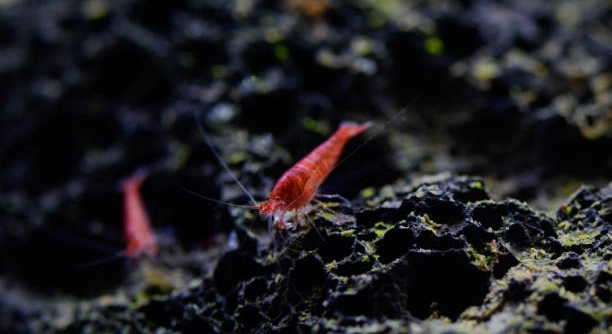
Do you ever notice your cherry shrimp spending more time out in the open than hiding? Observing their behavior can reveal subtle changes in social interaction that are often easy to miss but meaningful to their overall well-being.
Cherry shrimp display increased sociability through more frequent interactions with tank mates, heightened movement in open areas, and engagement in group feeding. Recognizing these behaviors is essential for monitoring health, environmental comfort, and social dynamics within the aquarium.
These signs offer insights into your shrimp’s comfort and can help you foster a more harmonious aquarium environment.
Increased Movement Across the Tank
Cherry shrimp that are becoming more social often explore their environment more actively. You may notice them swimming in open areas instead of sticking to plants or decorations. This movement is a sign of comfort and confidence in their surroundings. Socially active shrimp often interact with others during these explorations, moving closer together and sometimes following each other across the tank. Increased movement can also be observed during feeding times, where shrimp gather more readily and appear less cautious. Environmental factors like clean water, stable temperature, and proper hiding spots support this behavior, as shrimp feel safer to venture out. Watching how they navigate obstacles or climb surfaces can give clues to their social engagement. Movement is not just physical; it reflects mental and social comfort, showing that your shrimp are adapting well to their habitat and to each other.
Heightened tank activity often indicates growing social behavior among cherry shrimp. This is a reliable observation for attentive keepers.
Tracking movement patterns over time allows you to notice trends in interactions. Observing which areas are favored, how often they approach each other, and how they respond to food provides insight. Social shrimp tend to cluster, exchange signals like antenna touching, and spend more time visible. Less active shrimp may remain hidden, indicating discomfort or stress. Regular observation of movement helps in adjusting tank conditions to support their social growth.
Engaging During Feeding
Cherry shrimp show sociability when they actively gather around food and share it with others. Social individuals are less aggressive over resources, often allowing others to feed nearby without conflict.
During feeding, shrimp may approach slowly, touch antennae, and nibble alongside one another. Observing these behaviors is a clear sign that they are comfortable and forming social bonds. Feeding routines can become a group activity, with shrimp congregating in visible areas and demonstrating coordinated behavior. Environmental stability, including clean water and balanced diet, encourages this social engagement. It is important to provide enough food to prevent competition, which can mask natural social tendencies. Watching how shrimp interact during these times helps gauge their comfort levels and group cohesion. Social feeding is one of the simplest ways to notice subtle changes in behavior and strengthens the overall harmony within the tank.
Antennae Touching and Interaction
Antennae touching is a common sign of social behavior in cherry shrimp. When they frequently touch each other’s antennae, it shows communication and comfort. This behavior often appears during feeding or while exploring the tank together.
Antennae serve as sensory tools for shrimp. Touching them to other shrimp helps exchange information about food, safety, and territory. Social shrimp use these interactions to maintain group cohesion. This behavior also reflects a level of trust, as shy or stressed shrimp usually avoid contact. Observing consistent antennae touching can indicate that your shrimp are becoming more confident and socially aware.
These interactions can extend beyond brief touches. Shrimp may follow each other while exploring or gently tap multiple tank mates in succession. Monitoring these behaviors over time gives insight into their social hierarchy and comfort level within the aquarium. The more frequent and relaxed the antennae contact, the stronger the indication of developing sociability.
Shared Hiding Spots
Cherry shrimp often show social tendencies by sharing hiding spots without conflict. Multiple shrimp occupying the same space indicates trust and comfort in each other’s presence.
When shrimp feel secure, they cluster under leaves, decorations, or moss. This shared space reduces stress and strengthens social bonds. Observing which shrimp prefer certain hiding spots can reveal natural preferences and compatibility.
Over time, these shared areas become social hubs. Shrimp may alternate positions, rest side by side, or even groom lightly around each other. This behavior demonstrates peaceful coexistence and cooperative interaction. Ensuring enough hiding spaces and stable water conditions encourages this social clustering. Social shrimp use these shared spaces to communicate subtly while maintaining a sense of security. The presence of multiple individuals in a single spot is one of the clearest signs of growing sociability.
Following Each Other
Cherry shrimp often follow each other as a sign of social behavior. This is especially noticeable during feeding or exploration. Following indicates curiosity and comfort around other shrimp.
This behavior helps establish social bonds and hierarchy. Shrimp that consistently follow or are followed show trust and familiarity, forming a cooperative group dynamic within the tank.
Antenna Flicking and Communication
Antenna flicking is a subtle but important social cue. Shrimp use quick, repeated movements of their antennae to signal presence or intentions. Observing consistent flicking toward tank mates shows they are aware of each other and interacting socially.
Shrimp often flick antennae during feeding, exploration, or when moving through open areas. This behavior helps them share information about food sources, environmental changes, or potential threats. Social shrimp respond to flicks with their own antennae movements, creating a communication network. Tracking this behavior over time allows you to understand which shrimp are more socially engaged and how they coordinate group activity.
Group Grazing
Cherry shrimp display social tendencies when grazing together. Multiple shrimp feeding side by side reflects comfort and shared activity within the tank.
FAQ
How can I tell if my cherry shrimp is becoming more social?
Social shrimp often spend more time in open areas, interact with tank mates, and display behaviors like antennae touching or following each other. Increased movement, shared hiding spots, and group grazing are reliable indicators. Observing these behaviors consistently over days or weeks shows growing sociability.
Why do cherry shrimp touch antennae?
Antennae touching is a form of communication. Shrimp exchange information about food, territory, or environmental changes. Social shrimp use this behavior to maintain group cohesion, signal intentions, and establish trust with other shrimp. Less social or stressed shrimp tend to avoid contact.
Is following each other a sign of social behavior?
Yes. When shrimp follow one another, it demonstrates curiosity, trust, and comfort. This behavior often appears during feeding or exploration. Following helps shrimp maintain awareness of the group, form social bonds, and navigate the tank more confidently.
Do cherry shrimp share hiding spots willingly?
They do. Social shrimp often cluster under leaves, moss, or decorations without conflict. Shared hiding spots indicate comfort with tank mates and trust. Observing these clusters can help track social behavior and tank dynamics, especially when multiple shrimp occupy a single area peacefully.
What does group grazing indicate?
Group grazing shows social engagement. Shrimp feeding side by side without aggression signals comfort, trust, and cooperative behavior. It reflects a stable environment where resources are sufficient, and shrimp feel safe interacting with each other during feeding periods.
Can environmental factors affect social behavior?
Absolutely. Stable water conditions, clean tanks, adequate hiding spots, and proper food encourage social interaction. Stressful conditions, poor water quality, or overcrowding can reduce sociability. Maintaining a consistent and safe habitat supports natural behaviors like antennae contact, following, and group grazing.
How often should I observe their behavior?
Regular observation is important. Watching shrimp daily, especially during feeding or exploration, helps track changes in social behavior. Noting patterns over time can highlight shy or less social individuals and reveal whether environmental adjustments are needed to encourage interaction.
Do all shrimp show the same level of sociability?
No. Individual shrimp have different temperaments. Some are naturally more social, frequently engaging with tank mates, while others are shy or slower to interact. Observing the group over time helps identify which shrimp are more socially active and which may require a calmer space.
Can social behavior indicate health?
Yes. Active, social shrimp usually indicate good health. Shrimp that hide constantly, avoid contact, or move little may be stressed, ill, or in unsuitable conditions. Monitoring social behavior alongside physical signs like color and movement helps ensure overall well-being.
What steps can I take to encourage sociability?
Providing stable water parameters, adequate hiding spots, and sufficient food supports social behavior. Avoid sudden changes in temperature or lighting. Observing and gently adjusting the tank setup, like adding moss or plants for shared spaces, encourages shrimp to interact comfortably.
How long does it take for shrimp to become social?
The timeline varies. Some shrimp start showing social behavior within days of being comfortable, while others take weeks. Factors like tank conditions, shrimp temperament, and group size influence how quickly they become confident and interactive. Patience and consistent care are essential.
Can social behavior change over time?
Yes. Shrimp may become more or less social depending on environmental conditions, stress levels, or changes in the group. Monitoring behaviors such as movement, antennae touching, and shared feeding can indicate shifts in social dynamics. Maintaining stability helps sustain positive interactions.
Is it normal for some shrimp to remain shy?
It is normal. Individual shrimp personalities differ. Some will remain cautious or prefer hiding, even in ideal conditions. Observing without interference ensures these shrimp can engage at their own pace while still benefiting from group interaction.
Does group size impact sociability?
Yes. Larger groups often display more social behaviors like following, grazing together, and antennae contact. Small groups may show less interaction, while overcrowding can cause stress and reduce comfort. Finding a balanced group size supports natural social tendencies.
Are there signs that social behavior is negative?
Aggression, constant chasing, or stress-related hiding indicates unhealthy social interaction. Proper tank management, sufficient resources, and monitoring group dynamics prevent conflicts while allowing positive sociability to develop naturally.
Can observing social behavior help improve tank management?
Definitely. Watching how shrimp interact provides insights into environmental comfort, feeding routines, and group harmony. Adjusting tank conditions based on behavior observations promotes well-being, encourages social interaction, and prevents stress-related issues.
What are subtle signs of increasing sociability?
Subtle signs include brief antennae touches, following a single shrimp, gradually spending more time in open areas, or grazing near others without aggression. Noticing these behaviors early allows you to support and enhance positive social development in the tank.
How do I record social behavior effectively?
Keep a simple journal noting movement patterns, feeding behavior, antennae contact, and hiding spot usage. Observing the same time each day helps identify trends, track social growth, and detect any environmental issues that may affect interactions.
Can social behavior indicate breeding readiness?
Sometimes. Social, active shrimp often display confidence that can coincide with reproductive behavior. Males may follow females more frequently, and females may cluster or move openly. Social comfort supports natural breeding behaviors without stress.
How important is patience in observing shrimp social behavior?
Patience is key. Social changes can be gradual. Consistent care, stable tank conditions, and careful observation over weeks or months reveal meaningful patterns and ensure shrimp are comfortable and interactive.
What should I avoid when encouraging social behavior?
Avoid sudden environmental changes, overcrowding, or overfeeding. Stressful conditions can reduce interaction and mask natural sociability. Focus on stability, adequate resources, and gentle observation to allow shrimp to develop social behaviors naturally.
Can I compare behavior between tanks?
Comparisons are possible but should account for differences in tank size, environment, and group dynamics. Observing patterns within a single tank provides the clearest insight, while comparisons can highlight general trends in shrimp sociability.
How do I know if social behavior is improving?
Improvement is seen when shrimp spend more time in open areas, interact frequently, share hiding spots, and engage in group grazing or antennae contact. Gradual increases in these behaviors indicate growing confidence and comfort among tank mates.
Does diet affect social behavior?
Yes. Balanced nutrition ensures energy and reduces competition for resources. Shrimp that feel secure about food availability are more likely to explore, interact, and engage socially. Poor or inconsistent feeding can reduce sociability and increase stress.
How do environmental enrichment tools affect social behavior?
Adding moss, plants, or small decorations encourages exploration and provides shared spaces for interaction. Enrichment supports natural behaviors like grazing together, following, and antennae touching, enhancing social engagement while keeping shrimp active and comfortable.
Is social behavior linked to water quality?
Absolutely. Clean, stable water supports confidence and interaction. Poor water quality leads to stress, hiding, and reduced activity. Maintaining proper parameters is essential to observe natural social behaviors and ensure overall health.
How can I encourage shy shrimp to socialize?
Provide gentle observation, ample hiding spots, and stable conditions. Slowly introducing food and monitoring interactions allows shy shrimp to engage at their own pace. Avoid overcrowding and sudden changes to support gradual comfort and sociability.
Are there long-term benefits to observing social behavior?
Yes. Tracking social behavior helps maintain a healthy tank, identify stressors, adjust environmental conditions, and encourage positive interactions. Consistent observation allows you to support shrimp well-being, group harmony, and natural behaviors over time.
How do lighting and tank layout affect social behavior?
Lighting and layout impact visibility and comfort. Moderate lighting and accessible hiding spots encourage interaction. Overly bright conditions or limited spaces increase stress, reducing social behaviors like following, grazing, and antennae contact. Proper setup supports confidence and social engagement naturally.
Can social behavior indicate stress or illness?
Yes. Shrimp that isolate, avoid antennae contact, or stop exploring may be stressed or unwell. Observing social patterns alongside physical signs such as discoloration or lethargy helps detect problems early and improve overall care.
Does social behavior vary with shrimp age?
It can. Younger shrimp may be more active and curious, showing early social behaviors like following and grazing together. Older shrimp may be calmer but still display group interaction through shared spaces and gentle antennae contact.
How often should tank conditions be checked to support social behavior?
Regular checks of temperature, pH, ammonia, nitrites, and nitrates are important. Stable conditions encourage confidence, activity, and social interaction. Frequent monitoring ensures environmental consistency, which is critical for observing natural behaviors in shrimp groups.
What role does space play in social behavior?
Adequate space allows shrimp to explore, interact, and establish preferred areas. Overcrowding reduces comfort, leading to hiding and conflict. Proper tank size promotes natural behaviors like following, grazing together, and antennae communication without stress.
Can social behavior change with new tank mates?
Yes. Introducing new shrimp can alter group dynamics. Initial cautious behavior may shift to active interaction over time. Observing how individuals adjust helps ensure a smooth transition and continued positive social behavior.
How can I differentiate between playful and aggressive behavior?
Playful behavior includes antennae touching, following, grazing together, and gentle contact. Aggressive actions involve chasing, biting, or repeated attempts to displace others. Careful observation allows distinction and ensures tank harmony.
Does water flow influence social behavior?
Moderate water flow encourages movement without causing stress. Strong currents can reduce social interactions, as shrimp seek shelter instead of exploring or interacting. Proper flow supports natural activity and group behaviors.
Are there seasonal changes in social behavior?
Behavior may vary with temperature fluctuations or seasonal lighting changes. Stable conditions minimize these variations, allowing consistent observation of sociability throughout the year.
Can behavioral observation help with breeding?
Yes. Noting social interactions, following, and antennae contact can indicate readiness for reproduction. Socially comfortable shrimp are more likely to engage in natural breeding behaviors, improving success rates in the tank.
How can I track improvements in social behavior?
Documenting interactions daily, noting movement patterns, shared hiding spots, feeding behavior, and antennae contact provides clear evidence of progress. Regular records help identify trends, encourage positive changes, and maintain a healthy social environment.
Is it normal for social behavior to fluctuate?
Yes. Changes in water quality, stress, food availability, or group composition can temporarily alter social interactions. Observing long-term patterns rather than single events gives a better understanding of overall sociability.
What tools help observe shrimp behavior effectively?
Journals, cameras, or simple observation logs allow tracking of movement, interactions, and feeding. Consistent methods help identify trends, compare behaviors, and make informed adjustments to support social engagement.
How does tank decoration influence interaction?
Plants, moss, and hiding spots provide areas for shared spaces, grazing, and exploration. Proper decoration encourages natural behaviors like following and antennae contact, while offering security to less confident shrimp.
Can observing social behavior prevent conflicts?
Yes. Monitoring interactions helps detect early signs of stress or aggression. Adjusting tank conditions, space, and resources prevents negative interactions and promotes a harmonious environment for all shrimp.
Does water temperature affect social behavior?
Stable, appropriate temperatures support active exploration, grazing, and interaction. Sudden shifts can reduce confidence, increase hiding, and decrease social engagement. Maintaining consistent warmth is crucial for observing natural behaviors.
Are all social behaviors visible immediately?
Some behaviors develop gradually. Subtle interactions like brief antennae touches, following, and shared grazing may take time to appear. Consistent observation helps recognize these small but important signs of growing sociability.
What is the most important factor for encouraging social behavior?
Consistent care, stable water conditions, adequate space, and proper nutrition are essential. Supporting shrimp comfort ensures natural behaviors like following, grazing, and antennae contact occur reliably.
How long should I monitor social behavior for accurate observations?
Observing daily for several weeks provides meaningful patterns. Short-term observations may miss trends or subtle behaviors. Long-term tracking ensures accurate understanding of social dynamics and shrimp comfort levels.
Can water chemistry changes affect social hierarchy?
Yes. Shifts in pH, ammonia, or nitrate levels can stress shrimp, temporarily altering interactions, dominance, and comfort. Maintaining stable water chemistry supports consistent social behavior and group harmony.
Is it normal for some shrimp to isolate sometimes?
Yes. Even social shrimp may take short breaks from interaction. Temporary isolation can occur during molting, rest, or exploration of less populated areas. Monitoring patterns ensures it is normal and not a sign of stress.
How does light intensity impact shrimp behavior?
Moderate light encourages visibility and exploration without stress. Too bright or inconsistent lighting can reduce social interaction, making shrimp hide or limit movement. Balanced lighting supports natural behaviors and group engagement.
Can tank mates from different species affect social behavior?
Yes. Non-aggressive species generally allow shrimp to maintain normal social behaviors. Aggressive or predatory tank mates may reduce interaction, cause hiding, or limit grazing opportunities, affecting social development.
How can I encourage interaction without forcing it?
Provide safe spaces, balanced food, and stable conditions. Allow shrimp to engage at their own pace. Gentle observation supports natural development of following, grazing, and antennae contact without stress.
Do social behaviors change after molting?
Often. Molting shrimp may temporarily isolate or reduce interaction. Once their exoskeleton hardens, they usually rejoin the group, resuming normal social behaviors such as grazing, following, and antennae contact.
Can observation help identify shy individuals?
Yes. Tracking movement, hiding spots, and interaction frequency highlights shy shrimp. This allows adjustments to tank conditions or enrichment to encourage comfort and gradual social engagement.
Are social behaviors affected by food type?
Certain foods encourage group feeding and grazing. Balanced nutrition reduces competition, allowing shrimp to interact more naturally. Limited or inconsistent food can decrease social behaviors and increase stress-related hiding.
Does tank size influence social patterns?
Adequate space encourages following, grazing together, and shared hiding. Small or overcrowded tanks may reduce interactions, increase stress, and limit natural social behavior. Proper tank size supports confident, comfortable shrimp.
Can observing social behavior prevent health issues?
Yes. Changes in movement, interaction, or grazing can indicate stress, disease, or poor water quality. Early observation allows prompt action to maintain health and group harmony.
How do I differentiate social play from dominance?
Playful behaviors include gentle following, grazing together, and antennae contact without aggression. Dominance involves chasing, displacing, or restricting access to hiding spots or food. Careful observation distinguishes positive social behavior from negative interactions.
Can social behavior indicate tank harmony?
Yes. Consistent, peaceful interaction, shared hiding spots, and coordinated grazing reflect a stable and harmonious environment. Monitoring these behaviors helps maintain overall well-being and tank balance.
Does introducing plants increase social interaction?
Yes. Plants provide shared spaces for grazing, exploration, and shelter. Their presence encourages group behaviors like antennae contact, following, and clustering while enhancing comfort and reducing stress.
How do I track gradual changes in behavior?
Keep a daily log noting movement, feeding, antennae contact, and hiding patterns. Comparing entries over weeks reveals trends, helping identify improvements or potential stressors affecting social behavior.
Are social behaviors permanent once established?
Not always. Changes in environment, group composition, or stress levels can alter interactions. Maintaining stable conditions ensures behaviors persist, while monitoring allows timely adjustments to support sociability.
Can observing social behavior improve overall tank management?
Absolutely. Tracking shrimp interactions informs decisions on space, food, hiding spots, and water quality. It helps prevent stress, encourages positive behaviors, and promotes a balanced, harmonious environment for all shrimp.
Do social shrimp interact more during feeding?
Yes. Feeding encourages following, grazing together, and antennae contact. Social shrimp feel safe enough to share resources, allowing natural behaviors to emerge in a controlled, stress-free environment.
How can I tell if social behavior is temporary or stable?
Observing patterns over weeks reveals stability. Temporary interactions may occur during new introductions or environmental changes, while consistent behaviors indicate genuine social comfort and group cohesion.
Can water flow or filtration affect social interaction?
Moderate water flow supports exploration and grazing. Strong currents may reduce interaction by encouraging hiding. Proper filtration ensures stable water quality, indirectly supporting social behaviors like following and antennae contact.
Are there behaviors that indicate extreme sociality?
Extreme sociality includes constant following, clustering, and persistent antennae contact. While mostly positive, ensure these behaviors are balanced with space, resources, and occasional solitary activity to avoid stress or competition.
How important is observation for long-term shrimp care?
Observation is essential. It informs tank management, identifies shy or stressed individuals, tracks social trends, and ensures shrimp remain healthy, comfortable, and socially engaged over time.
What is the best way to encourage natural social behavior?
Stable water conditions, adequate hiding spots, balanced diet, and proper tank size support natural social behaviors. Gentle observation and minimal interference allow shrimp to interact confidently and comfortably.
Can social behavior predict tank compatibility?
Yes. Observing how shrimp interact shows which individuals coexist peacefully, tolerate sharing spaces, and respond positively to group dynamics. This helps maintain a balanced and harmonious aquarium environment.
How does tank enrichment influence shy shrimp?
Plants, moss, and small decorations provide secure areas for exploration and gradual interaction. Enrichment encourages shy shrimp to engage at their own pace without stress.
Can social behavior change with age or molting cycles?
Yes. Younger shrimp may be more active, while molting periods temporarily reduce interaction. Observing these changes helps understand natural patterns and adjust care to support ongoing sociability.
How do I measure improvement in social behavior over time?
Track movement, feeding, following, antennae contact, and shared hiding. Consistent increases in these behaviors indicate growing comfort, confidence, and positive social interaction.
Are certain shrimp more likely to lead group behavior?
Yes. Some individuals naturally take initiative in exploring, grazing, or following others. Recognizing these patterns helps understand social hierarchy and dynamics within the tank.
Can changes in diet affect group interaction?
Yes. Consistent, balanced feeding encourages grazing together, reduces competition, and supports natural social behavior. Inconsistent or scarce food can reduce confidence and interaction.
Does temperature fluctuation affect sociability?
Stable temperatures support exploration, grazing, and interaction. Sudden changes can cause hiding, reduce movement, and temporarily limit social behaviors.
How can observation prevent negative behaviors?
Monitoring interactions helps detect aggression, competition, or stress early. Adjusting conditions, space, or resources ensures positive social behavior and reduces conflict.
Can observing social patterns help with breeding decisions?
Yes. Socially active, confident shrimp are more likely to engage in reproductive behavior. Recognizing these patterns supports planning for successful
Final Thoughts
Observing your cherry shrimp closely provides a lot of insight into their behavior and well-being. Social behaviors like following each other, grazing together, sharing hiding spots, and antennae touching are clear indicators that your shrimp are comfortable and interacting naturally. These behaviors don’t appear overnight and often develop gradually as the shrimp feel safe and secure in their environment. By paying attention to these small but important actions, you can better understand the dynamics within your tank and ensure that each shrimp has the conditions it needs to thrive. Social interaction is not just about activity; it reflects overall confidence, health, and comfort in the group.
Creating a stable and supportive environment is essential for encouraging social behavior. Water quality, temperature, tank size, and the availability of hiding spots all play a role in how comfortable your shrimp feel. A consistent feeding schedule and balanced nutrition also help shrimp feel secure, reducing competition and promoting group activity. Observing behaviors like group grazing or following can help you identify which shrimp are more confident and which may need extra care or space. Even subtle cues, such as gentle antennae touches or brief clustering in shared hiding spots, are meaningful signs of sociability. Taking the time to monitor these behaviors regularly allows you to make small adjustments that support healthy interactions and harmony within the tank.
Social behavior in cherry shrimp can change over time depending on environmental conditions, group composition, and individual personalities. Some shrimp are naturally more active and social, while others may prefer hiding or taking their time to explore. Observing patterns over weeks or months helps track these changes and understand what is normal for your group. Encouraging social interaction does not mean forcing shrimp together; it means providing a safe, stable, and comfortable environment that allows natural behaviors to emerge. By focusing on observation, patience, and proper care, you can create a balanced tank where shrimp are confident, active, and socially engaged. Monitoring their interactions over time will not only improve your ability to care for them but also make watching their behavior more rewarding and informative.

Hello,
If you enjoy the content that we create, please consider saying a "Thank You!" by leaving a tip.
Every little bit helps us continue crafting quality advice that supports the health, happiness, and well-being of pets around the world, for pets of all shapes, sizes, and species.
We really appreciate the kindness and support that you show us!