
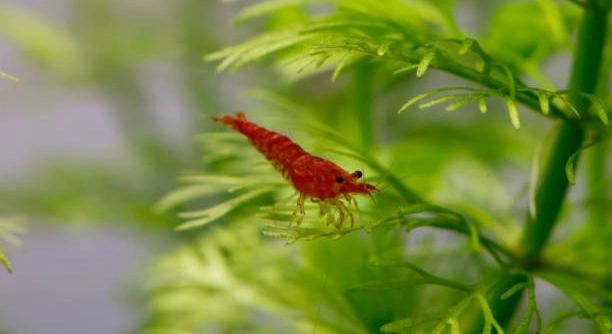
Cherry shrimp are small, colorful freshwater creatures that can be found in many home aquariums. They often move carefully around plants, rocks, and decorations, seeming to explore every corner of their environment with purpose.
Cherry shrimp do display a sense of territory within their tanks. They recognize familiar areas and tend to return to safe zones for feeding and shelter. Territorial behavior is subtle but observable through consistent movement patterns and avoidance of unfamiliar spaces.
Learning how shrimp navigate and claim their spaces can improve tank setup and overall shrimp well-being, making observation both practical and fascinating.
Understanding Shrimp Territory
Cherry shrimp move carefully around their tanks, often favoring specific areas over others. They seem to recognize which spots are safe for feeding and hiding. Rocks, plants, and decorations help them establish boundaries. Shrimp may retreat when other shrimp enter their chosen space, showing subtle territorial behavior. This behavior is more noticeable in crowded tanks, where movement patterns become predictable. Watching their interactions reveals how they balance exploration and safety. Some shrimp remain close to moss or hiding spots, while others venture toward open areas. Tank layout can influence how clearly they mark their spaces. Providing enough hiding spots reduces stress and competition. Even with multiple shrimp, certain individuals consistently return to the same areas. Tank decorations create natural barriers that help prevent conflict. Observing these patterns can help you maintain a balanced and calm environment for your shrimp.
Recognizing how shrimp choose spaces helps in planning tank setup and ensuring they feel secure.
Shrimp establish small home areas that support feeding, molting, and hiding. Keeping decorations and plants arranged thoughtfully allows shrimp to claim personal zones without stress. This reduces conflicts and promotes natural behavior. Adjusting the tank’s layout occasionally can refresh their environment and encourage exploration. Even subtle changes in decorations can influence movement patterns and comfort levels. Monitoring shrimp behavior helps identify which areas are most valued. Personal observation is key to understanding their preferences. This knowledge also aids in maintaining water quality in favorite spots. It ensures shrimp access food and hiding areas without competition. By respecting their territorial tendencies, you support healthier, more active shrimp.
Signs of Territorial Behavior
Shrimp often retreat when others enter their chosen spots.
Territorial behavior can be subtle, but certain signs indicate shrimp are aware of boundaries. They may approach other shrimp cautiously, retreating when another gets too close. Some shrimp guard preferred feeding areas, staying near plants or hiding spaces. Even during molting, they choose secluded spots, suggesting an instinct to protect themselves. Observing these patterns allows you to recognize normal interactions versus stress or aggression. Over time, shrimp establish routines, favoring familiar spaces and routes. Not all shrimp behave the same; some are more adventurous, while others remain in defined zones. Crowded tanks can intensify territorial displays, but sufficient hiding places reduce tension. Understanding these behaviors helps maintain harmony in your aquarium, making the environment comfortable for all shrimp. Adjusting tank layout, adding plants, and monitoring interactions supports their natural instincts and ensures a balanced habitat.
Feeding Areas and Personal Space
Cherry shrimp tend to return to the same feeding spots consistently. They favor areas with easy access to food and nearby hiding places. These spots become part of their personal space, and other shrimp usually respect these boundaries during feeding times.
Establishing clear feeding areas helps maintain order in the tank. Shrimp often approach food cautiously, ensuring no other shrimp invade their chosen space. Plants, moss, or decorations near feeding zones give shrimp a sense of security while eating. Observing which shrimp claim certain areas can show hierarchy and individual preferences. Rotating food placement occasionally encourages exploration but should not disrupt their sense of safety. Consistency in feeding routines helps reduce stress and keeps shrimp active and healthy, supporting natural behavior patterns without causing conflicts in the tank.
Shrimp also use feeding areas as resting zones between movements. Favorite spots often double as hiding areas for molting or resting. By providing multiple feeding and shelter areas, shrimp can avoid competition and establish personal territories. Watching how they balance feeding, resting, and moving between spaces offers insight into their social behavior. Careful observation helps identify shy or dominant shrimp, allowing you to adjust tank layout if necessary. Supporting their natural feeding habits ensures shrimp remain active, healthy, and comfortable, promoting a stable and peaceful environment.
Social Interactions and Space Sharing
Shrimp often signal boundaries with subtle movements or retreats when others approach. Respect for personal space is key to tank harmony.
Cherry shrimp interact carefully with each other, often using gentle touches or retreats to maintain distance. Dominant shrimp may occupy prime locations, while others adapt by finding less contested areas. These interactions are usually calm but demonstrate clear awareness of each shrimp’s territory. Shy shrimp may avoid areas with more active individuals, creating natural zones within the tank. Providing enough plants, moss, and hiding spaces encourages sharing without conflict. Observing patterns of movement and space usage helps maintain a balanced environment. Territorial behaviors are subtle, yet consistent, reflecting instinctual needs for safety and feeding.
Space sharing can be influenced by tank size and decoration arrangement. Shrimp in larger tanks with abundant hiding spots tend to show less stress and more relaxed interactions. Dense plant coverage allows multiple individuals to claim nearby areas without competition. Adjusting decorations to create natural separations helps maintain peace. Even small changes in layout can encourage shy shrimp to explore and establish secondary territories. Understanding the balance between dominant and timid shrimp allows for better tank management. Respecting their need for personal space while offering multiple zones supports overall health, activity, and social stability within the shrimp population.
Recognizing Hiding Spots
Cherry shrimp often choose specific hiding spots among plants or decorations. These areas provide safety during molting and reduce stress from other shrimp or sudden movements.
Hiding spots also allow shrimp to rest without interference. They tend to return to familiar shelters repeatedly, showing attachment to certain locations within the tank.
Territory and Molting
Molting is a vulnerable time, and shrimp rely on secure areas to protect themselves. They retreat to corners, dense plants, or crevices, minimizing exposure to others. Safe molting zones reduce stress and support healthy growth, ensuring shrimp can shed exoskeletons without conflict or disturbance from tank mates.
Observing Movement Patterns
Shrimp display consistent movement paths in their tanks. They often follow the same routes between feeding, hiding, and resting areas, indicating familiarity and comfort with their environment. Tracking these patterns can reveal preferred zones and highlight which areas serve as territory markers within the tank.
FAQ
Do cherry shrimp get stressed if their territory is disturbed?
Yes, cherry shrimp can become stressed if their usual areas are disturbed. They rely on familiar hiding spots and feeding zones to feel secure. Sudden changes, such as moving decorations or overcrowding, may cause them to hide more often or reduce activity. Stress can also affect molting, making shrimp more vulnerable to injury. Maintaining consistency in tank layout and providing multiple shelters helps minimize stress and supports their natural behavior. Observing how shrimp react to changes can indicate which areas are most important for their sense of safety.
How can I tell which shrimp is dominant in the tank?
Dominant shrimp often claim prime feeding spots or favorite hiding areas. They move confidently and may gently push others away, while shy shrimp retreat to secondary zones. Watching movement patterns over time shows which shrimp consistently occupy high-traffic areas. Providing enough hiding spots allows less dominant shrimp to avoid conflict and maintain their own safe spaces. Dominance is subtle in cherry shrimp and usually doesn’t lead to aggressive behavior, but careful observation ensures a balanced tank and reduces stress for all individuals.
Do cherry shrimp recognize each other’s territories?
Yes, shrimp appear to recognize familiar zones of other shrimp. They often avoid areas actively occupied by another, particularly near food or shelter. This subtle awareness helps maintain harmony in the tank, especially when multiple shrimp are present. While it is not as pronounced as in larger animals, patterns of avoidance and retreat show they remember which spaces are claimed by tank mates. Creating multiple zones with decorations and plants ensures that each shrimp can find a safe area without unnecessary confrontation, supporting their natural instincts and overall well-being.
Can tank size affect shrimp territorial behavior?
Tank size plays a significant role in how shrimp establish territories. Smaller tanks can lead to more competition for prime spaces, while larger tanks allow shrimp to spread out and reduce conflicts. Even in well-planted small tanks, careful arrangement of hiding spots and feeding areas helps manage space effectively. In larger tanks, multiple individuals can maintain their own zones without overlapping, leading to calmer behavior and less stress. Observing how shrimp interact in different tank sizes helps determine the best layout and population density for a balanced environment.
Do decorations influence shrimp territory?
Absolutely. Rocks, plants, moss, and other decorations provide boundaries and hiding spots that shrimp use to define their spaces. Shrimp return to familiar areas around these structures, which helps them feel safe while feeding, resting, or molting. Arranging decorations thoughtfully allows multiple shrimp to establish their own zones, minimizing conflicts. Even small changes can influence how they move and interact, making observation important. Providing diverse structures ensures each shrimp has an opportunity to claim a comfortable area, supporting natural behaviors and reducing stress within the tank.
How do shrimp behave during molting regarding territory?
During molting, shrimp are highly vulnerable and seek secluded spots for safety. They often retreat to dense plants, moss, or crevices, avoiding open areas where they might be exposed to other shrimp. Ensuring plenty of hiding spots is essential, as molting shrimp need protection to shed exoskeletons successfully. After molting, they typically return to familiar zones gradually, indicating both a preference for safe spaces and recognition of their established territory. Monitoring molting behavior helps ensure shrimp remain safe and healthy, supporting overall tank harmony and natural routines.
Can shrimp coexist peacefully in shared territories?
Yes, cherry shrimp generally coexist peacefully if there are enough hiding spots and feeding zones. Each shrimp usually establishes a preferred area and avoids unnecessary conflict. Providing multiple shelters, plants, and moss encourages spatial separation and reduces stress. Observing shrimp interactions allows you to adjust tank layout if certain areas become overcrowded. Most disputes are subtle, such as brief retreats or gentle nudges, and not harmful. By supporting natural behavior with thoughtful tank design, shrimp can share space effectively while maintaining comfort and activity levels.
Does feeding affect territorial behavior?
Feeding time can highlight territorial tendencies. Shrimp may return to favored feeding spots and defend them by gently nudging others away. Providing multiple feeding areas prevents competition and ensures all shrimp can eat safely. Consistent feeding routines help shrimp establish predictable patterns, reducing stress and promoting a calm tank environment. Observing which areas are claimed during feeding offers insight into their preferred zones and helps maintain a balanced layout. Proper feeding practices support natural behavior and prevent conflicts, allowing shrimp to thrive comfortably in their aquatic environment.
Can shrimp adapt if their territory changes?
Shrimp can adapt to changes, but it may take time. Moving decorations or rearranging plants can temporarily stress them, as they may need to find new safe zones. Gradual adjustments and providing multiple hiding spots help them settle more quickly. Observing their movement and behavior shows how they adjust to new layouts. Shrimp often explore new areas cautiously, returning to familiar shelters while assessing safety. Patience and careful planning when modifying the tank allow shrimp to adapt while maintaining comfort, reducing stress and supporting their natural behavior patterns.
How do I encourage peaceful territorial behavior in a tank?
Providing sufficient hiding spots, plants, moss, and multiple feeding areas encourages shrimp to establish zones without conflict. Avoid overcrowding and maintain consistent tank conditions. Observing shrimp behavior helps identify which areas are most valued, allowing you to make adjustments. Supporting natural instincts ensures shrimp coexist peacefully, remain active, and reduce stress. Careful planning and attention to their preferred spaces fosters a stable and balanced environment, promoting healthy social behavior and overall well-being for all shrimp in the tank.
Cherry shrimp are small but fascinating creatures that show clear awareness of their surroundings. Observing them can reveal subtle behaviors, like choosing favorite hiding spots, returning to feeding areas, and following familiar movement paths. These habits indicate that shrimp recognize specific areas as their personal zones within the tank. Even though they are tiny, their behavior reflects instinctual needs for safety, access to food, and secure spaces for molting. Consistently providing multiple shelters, moss, plants, and decorations allows shrimp to feel comfortable and maintain their routines. A well-thought-out tank setup reduces stress and encourages natural behavior. Watching shrimp navigate and interact in their environment can also be surprisingly rewarding, showing how even small creatures organize their living spaces. Over time, familiar patterns of movement and territory become more noticeable, and understanding these tendencies helps maintain a peaceful and balanced aquarium.
Territorial behavior in cherry shrimp is subtle but important for their health and comfort. Shrimp often claim specific areas for feeding or hiding, and they recognize when other shrimp enter these zones. While they are not aggressive in the way larger animals might be, they still rely on boundaries to feel secure. Providing sufficient space and multiple zones allows shrimp to coexist without unnecessary conflict. Observing interactions between shrimp can reveal which individuals are more dominant and which prefer quieter areas. This knowledge can guide how you arrange plants, rocks, and moss in the tank, ensuring each shrimp has a suitable space. Even minor adjustments in tank layout can affect how shrimp move, interact, and establish their territories. By respecting their territorial tendencies, you create an environment where shrimp are less stressed, more active, and able to display natural behaviors like feeding, exploring, and molting.
Maintaining a tank that supports shrimp territory requires attention to layout, population, and resources. Shrimp do best in environments with ample hiding spots and multiple feeding areas to prevent competition. Consistency in tank setup and feeding routines helps shrimp establish comfort zones and reduces stress. Observing shrimp behavior regularly allows you to understand their preferences and make adjustments as needed. Territorial awareness also plays a role during molting, when shrimp seek secure locations to shed their exoskeletons safely. By providing a balanced habitat that accommodates their natural instincts, shrimp can thrive and coexist peacefully. Paying attention to these small details ensures a healthy and harmonious tank where shrimp are active, secure, and able to carry out their daily routines without unnecessary stress. This understanding of shrimp behavior also helps maintain a cleaner and more organized aquarium, benefiting both the shrimp and their caretaker.

Hello,
If you enjoy the content that we create, please consider saying a "Thank You!" by leaving a tip.
Every little bit helps us continue crafting quality advice that supports the health, happiness, and well-being of pets around the world, for pets of all shapes, sizes, and species.
We really appreciate the kindness and support that you show us!