
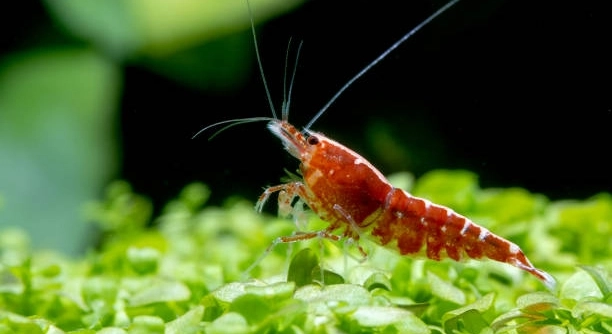
Is your cherry shrimp losing its vibrant red color and appearing pale in the tank? Observing this change can be worrying for any shrimp keeper, as their bright colors are often signs of health and overall well-being in the aquarium environment.
The primary cause of a cherry shrimp turning pale is stress, which can stem from poor water quality, sudden changes in temperature, insufficient nutrition, or aggressive tank mates. Addressing these factors promptly helps restore the shrimp’s natural coloration and vitality.
Monitoring your shrimp closely and making gradual adjustments can significantly improve their color and health over time. Understanding the reasons behind the paleness ensures a happier and thriving aquarium community.
Understanding Stress in Cherry Shrimp
Stress is the most common reason cherry shrimp lose their bright coloration. Poor water conditions, sudden temperature changes, and overcrowding can all contribute to stress. When shrimp are stressed, their bodies focus on survival instead of maintaining vivid colors. Even subtle changes in the tank, such as new decorations or chemicals from cleaning products, can trigger stress responses. Stress can also weaken their immune system, making them more vulnerable to diseases. Observing behavior like hiding, reduced movement, or loss of appetite can indicate stress before color changes appear. Providing a stable environment with clean, properly conditioned water is essential. Shrimp prefer consistent temperatures and gentle filtration to avoid strong currents. Introducing plants and hiding spaces reduces anxiety and helps them feel secure. Feeding high-quality food in moderation supports their overall health, helping them maintain both vitality and coloration even in a shared tank.
Maintaining stable water parameters is key to reducing stress and keeping shrimp healthy and colorful.
Even minor adjustments in tank conditions can have significant effects on shrimp color. Consistency in temperature, pH, and ammonia levels ensures their bodies can focus on natural processes rather than survival. Providing adequate hiding spots with moss, plants, or small caves reduces fear from tank mates. Overcrowding increases stress, so maintaining a proper shrimp-to-tank ratio is crucial. Feeding a balanced diet with protein and plant matter encourages strong coloration. Regular water changes prevent the buildup of toxins that could harm them. Observing shrimp behavior daily helps identify early signs of stress, allowing quick corrections. Avoid sudden chemical treatments or strong lighting changes that may trigger pale coloration. Gradual introductions of new shrimp or tankmates minimize territorial stress. Even the smallest environmental improvements, like adding driftwood or leaf litter, can enhance their comfort. Consistent care over time fosters healthier, more vibrant shrimp in any aquarium setup.
Water Quality and Its Impact
Poor water quality directly affects shrimp health, leading to fading color and lethargy. Clean, stable water prevents stress and supports overall vitality.
Water quality is a critical factor in maintaining vibrant cherry shrimp. High ammonia or nitrite levels are toxic and can cause immediate stress, while fluctuating pH and temperature make shrimp pale over time. Filtration must be gentle yet effective, removing debris without creating strong currents that exhaust shrimp. Regular water testing ensures safe conditions, keeping chemical levels in check. Water changes of 10–20% weekly help maintain balance without shocking the shrimp. Minerals and trace elements, such as calcium and magnesium, support exoskeleton development and color expression. Removing uneaten food prevents decay that could alter water chemistry. Soft, slightly acidic water generally suits cherry shrimp best, but stability matters more than exact parameters. Live plants improve water quality by absorbing nitrates and providing natural cover. Introducing shrimp slowly into a new tank allows them to acclimate to water conditions gradually. Every measure aimed at maintaining clean, balanced water directly contributes to restoring and preserving their natural red hues, ensuring healthy, active shrimp that display their best colors consistently.
Diet and Nutrition
A lack of proper nutrients can cause cherry shrimp to fade in color. Feeding a balanced mix of algae, plant matter, and protein helps maintain their natural red hues and overall health.
High-quality shrimp food supports growth and coloration. Shrimp need both plant-based and protein-based nutrition. Algae wafers, blanched vegetables, and occasional protein supplements provide essential vitamins and minerals. Deficiencies in carotenoids, which influence red coloration, often result in paleness. Overfeeding can pollute the tank, stressing shrimp and diminishing color. Offering small portions multiple times a week encourages healthy eating habits. Observing their eating behavior ensures they are consuming a varied diet, which directly affects vibrancy. Supplements designed for shrimp can enhance color when added occasionally, but a natural diet should remain the focus. Consistency in feeding routines supports both shrimp health and tank stability, promoting brighter, more vivid colors over time.
Shrimp also benefit from natural color enhancers found in their environment. Leaf litter, moss, and certain algae provide carotenoids naturally. A mix of these sources alongside commercial foods ensures optimal coloration. Feeding slowly and in moderation prevents water contamination, which can stress shrimp. Healthy shrimp display deep red tones when water conditions, hiding spots, and nutrition are all balanced.
Tank Mates and Social Environment
Aggressive or overly active tank mates can stress cherry shrimp, causing them to lose color. Maintaining a calm, compatible community reduces stress and preserves their natural appearance.
Shrimp are delicate and can be intimidated by larger or more active fish. Constant chasing or competition for food increases stress and can result in fading color. Keeping peaceful species or a shrimp-only tank minimizes disturbances. Even small changes, like adding a single territorial fish, can impact their confidence and coloration. Observing interactions daily helps identify stress triggers early. Providing plenty of hiding spaces with plants, rocks, and decorations allows shrimp to retreat when needed. Grouping shrimp in small clusters encourages natural behavior and reduces isolation stress. Social stability supports feeding routines and activity levels, both of which influence coloration. Over time, a calm, well-structured environment ensures that shrimp regain or maintain their vibrant red hues, highlighting the importance of considering both companions and tank layout when caring for delicate species.
Temperature Fluctuations
Sudden changes in temperature can make cherry shrimp pale quickly. Keeping the tank within a stable range prevents stress and supports normal behavior.
Even small shifts in water temperature can affect metabolism and coloration. Using a reliable heater and thermometer helps maintain consistency, protecting shrimp from shock and promoting vibrant red tones.
Molting and Growth
Molting is a natural process where shrimp shed their exoskeleton. During this time, their color may temporarily fade as the new shell hardens.
Illness and Disease
Pale coloration can signal underlying health issues in cherry shrimp. Bacterial infections, parasites, or fungal problems often manifest as fading or uneven color. Regular observation and maintaining clean water reduce the risk of illness, helping shrimp recover quickly and maintain natural vibrancy.
Light and Environment
Insufficient or harsh lighting can impact shrimp coloration. Balanced lighting supports algae growth and natural behavior, which contributes to maintaining bright red hues.
FAQ
Why is my cherry shrimp turning pale even though water parameters are stable?
Even when water parameters appear stable, subtle fluctuations can stress shrimp. Factors like sudden temperature shifts, minor pH changes, or undetected toxins may be at play. Stress from these small environmental changes can make their color fade, even if other signs of illness are absent.
Can diet alone restore my shrimp’s red color?
A nutritious diet is important but may not fully restore color alone. Providing carotenoid-rich foods, algae, and occasional protein supplements supports coloration, but water quality, stress levels, and tank environment must also be optimized for full vibrancy.
How long does it take for shrimp to regain color?
Recovery time varies depending on the cause. With proper diet, stable water, and reduced stress, some shrimp may regain color in a few weeks, while others might take a month or longer. Patience and consistent care are essential for full recovery.
Do tank mates affect shrimp color?
Yes. Aggressive or overly active tank mates can stress shrimp, causing paleness. Peaceful fish or shrimp-only tanks minimize stress. Adding plenty of hiding spaces allows shrimp to feel secure, encouraging normal behavior and vibrant coloration.
Does molting affect coloration?
Molting naturally causes temporary paleness. Shrimp shed their exoskeleton to grow, and the new shell is initially soft and lighter in color. Once hardened, normal red tones return, making this a temporary and normal process.
Can lighting influence shrimp color?
Lighting impacts algae growth and shrimp behavior, indirectly affecting coloration. Balanced light encourages natural activity and foraging. Too dim or excessively harsh lighting can reduce their vibrancy, while moderate, consistent lighting helps maintain red hues.
Are there signs of disease besides pale color?
Yes. Lethargy, reduced feeding, unusual swimming patterns, and black spots may indicate bacterial, fungal, or parasitic infections. Early detection and maintaining clean, stable water are crucial for recovery and preventing color loss.
Is water hardness important for color?
Yes. Adequate calcium and magnesium levels support exoskeleton formation, which influences red coloration. Soft water with low mineral content can slow growth and reduce vibrancy. Regular testing and supplementation ensure optimal levels for healthy, colorful shrimp.
How does overcrowding impact shrimp color?
Overcrowding increases competition for food and hiding spots, stressing shrimp and leading to paleness. Maintaining a proper shrimp-to-tank ratio and providing plants or decorations for shelter reduces stress and supports natural color expression.
Can supplements enhance red coloration?
Certain shrimp supplements contain carotenoids that enhance red hues. While supplements can help, they are most effective when combined with a balanced diet, proper water quality, and low-stress conditions. Over-reliance on supplements without addressing underlying issues has limited impact.
Why do shrimp sometimes lose color after moving to a new tank?
Relocation stresses shrimp due to new water chemistry, temperature differences, and unfamiliar surroundings. Gradual acclimation using drip methods and ensuring stable tank conditions helps minimize color loss during transitions.
Can stress from handling cause color loss?
Yes. Frequent handling or netting causes temporary stress, which can make shrimp pale. Minimizing direct contact and handling only when necessary helps preserve natural coloration and reduces stress-related health issues.
Are certain shrimp more prone to color fading?
Yes. Less selectively bred shrimp or those with naturally lighter genetics may show paleness more readily under stress. Selective breeding for deep red colors can help maintain vibrant hues, but environmental care remains essential.
How can I prevent color fading long-term?
Stable water, balanced diet, low-stress tank mates, proper lighting, and regular monitoring are key. Providing hiding spaces, preventing overcrowding, and observing shrimp behavior ensures they remain healthy, active, and vibrant in the long term.
Is it normal for juvenile shrimp to be pale?
Juveniles often appear paler than adults because pigmentation develops over time. Gradually, as they grow and adapt to their environment, their red coloration intensifies, especially with a proper diet and stress-free conditions.
Can plants improve shrimp color?
Yes. Live plants offer shelter, reduce stress, and contribute to water quality. They also support algae growth, which shrimp graze on, providing natural nutrients that enhance red pigmentation. Well-planted tanks foster healthier, more colorful shrimp naturally.
Do seasonal changes affect shrimp color?
Seasonal changes in temperature or lighting can cause temporary stress, leading to paleness. Maintaining stable indoor tank conditions with controlled heating and lighting minimizes seasonal impacts on color and behavior.
Should I treat pale shrimp with medication?
Not unless there are clear signs of disease. Treating healthy but pale shrimp unnecessarily can cause more stress. Focus on correcting environmental factors, diet, and tank conditions first to restore natural coloration.
Is pale coloration reversible?
In most cases, yes. Addressing stress, improving water quality, providing proper nutrition, and ensuring a calm environment usually restores red coloration over time. Some genetic limitations may prevent extremely deep hues, but health and vibrancy can be fully recovered.
How often should I monitor water for healthy coloration?
Daily observation of shrimp behavior and weekly water testing are recommended. Checking ammonia, nitrite, nitrate, pH, and temperature ensures conditions remain stable, supporting vibrant colors and overall shrimp health.
Can substrate type influence shrimp color?
Dark substrates enhance the appearance of red coloration by contrast, while light substrates may make shrimp appear paler. Substrate choice doesn’t directly impact health but influences visual perception of vibrancy in the tank.
Do hiding spots really matter for color?
Absolutely. Shrimp feel secure with plants, rocks, and moss. Reduced stress from accessible hiding places allows them to forage naturally, maintain healthy activity, and display brighter colors consistently.
Final Thoughts
Observing pale cherry shrimp in your tank can be concerning, but understanding the underlying reasons helps in addressing the issue effectively. Pale coloration is rarely caused by a single factor. It often results from a combination of stress, dietary deficiencies, water conditions, and environmental changes. Stress can stem from sudden temperature shifts, incompatible tank mates, or overcrowding. Even small, gradual changes in the tank can impact shrimp color. By maintaining a stable and consistent environment, you reduce stress and allow shrimp to focus on natural behaviors like foraging and molting. This stability encourages them to regain their bright red hues. It is important to pay attention to daily observations, such as movement patterns, feeding behavior, and interaction with other shrimp, as these can give early signs of stress or health issues. When addressed promptly, most shrimp can recover their vibrancy.
A balanced and nutritious diet is also essential for maintaining healthy coloration. Cherry shrimp require both plant-based and protein-rich foods to thrive. Algae, blanched vegetables, and specialized shrimp foods provide necessary nutrients and carotenoids, which directly influence red coloration. Occasional supplements can help enhance their color, but they should not replace a natural, varied diet. Overfeeding, however, can harm water quality and lead to stress, which in turn affects color. Feeding in small, controlled portions multiple times a week encourages healthy eating habits and reduces waste in the tank. Observing shrimp during feeding can ensure that all individuals are getting proper nutrition, which contributes to overall health and visible vibrancy. Pairing proper diet with a clean, well-maintained tank allows shrimp to display their natural colors more consistently and reduces the risk of stress-related color fading.
Environmental conditions, including water quality, tank layout, and lighting, play a significant role in shrimp health and appearance. Clean, stable water with consistent pH, temperature, and hardness levels supports natural physiological processes. Live plants and moss provide hiding spaces, reduce stress, and contribute to water quality by absorbing nitrates and supporting algae growth. Gentle filtration helps maintain cleanliness without creating strong currents that can exhaust shrimp. Lighting should be balanced to support natural behavior and algae growth without being too harsh or dim. Careful consideration of tank mates is also important, as aggressive or overly active species can intimidate shrimp and contribute to paleness. By addressing these environmental factors alongside diet and stress management, shrimp can regain and maintain healthy, bright red coloration. Long-term success requires consistent care, patience, and close observation, ensuring that cherry shrimp remain vibrant, active, and healthy in a stable, supportive aquarium environment.

Hello,
If you enjoy the content that we create, please consider saying a "Thank You!" by leaving a tip.
Every little bit helps us continue crafting quality advice that supports the health, happiness, and well-being of pets around the world, for pets of all shapes, sizes, and species.
We really appreciate the kindness and support that you show us!