
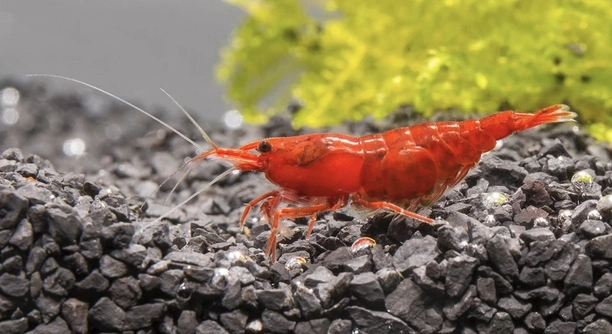
Moving to a new home can be stressful for everyone, including our small aquatic friends. Shrimp often feel unsure in unfamiliar environments and may hide or act withdrawn until they adjust to their surroundings.
Boosting shrimp confidence after a move requires creating a stable, familiar environment and gradually encouraging exploration. Providing consistent water conditions, hiding spots, and gentle interactions helps them adapt while minimizing stress and promoting natural behaviors over time.
With simple steps, shrimp can become comfortable and active again, allowing their natural curiosity and personality to shine in a new tank.
Preparing a Comfortable Space
Creating a safe and comfortable environment is the first step to help shrimp regain confidence after a move. Start by checking the water temperature, pH, and hardness to ensure they match the shrimp’s previous habitat. Sudden changes can stress them, causing hiding or reduced activity. Add plenty of hiding spots such as plants, rocks, and small caves. These areas give shrimp a place to retreat while they adjust to their new surroundings. Maintaining stable lighting and avoiding loud noises near the tank also reduces stress. Feeding them in consistent locations can encourage them to explore and feel secure. Observing them daily helps you notice if they are adjusting or if additional changes are needed. Small, steady adjustments create a sense of routine, making shrimp feel more at ease. This foundational step sets the tone for their recovery and allows them to thrive in their new environment without fear.
A stable, familiar setup lets shrimp explore naturally, reducing stress and supporting healthy behavior over time.
Monitoring water quality and providing plants or hiding spots encourages shrimp to move confidently while maintaining a sense of safety.
Gradual Interaction
Start interacting with your shrimp slowly to build trust. Avoid tapping the tank or sudden movements, which can frighten them. Spend a few minutes near the tank daily, letting them notice your presence without forcing contact. Using gentle feeding routines can help shrimp associate you with safety and nourishment. Observing how they respond allows you to adjust your approach gradually. Patience is key; confidence grows over time.
Introducing stimuli carefully helps shrimp explore while keeping stress low. Begin with feeding in small amounts at regular intervals. Over days, they learn to associate your presence with positive experiences. Avoid overhandling or sudden changes, as these can set back progress. Rearranging decorations slightly can encourage curiosity, but keep hiding spots intact. Maintaining water consistency while offering new areas for exploration helps shrimp gain confidence at their own pace. By observing their behavior and adapting your approach, shrimp gradually become more active and comfortable. Simple routines and gentle interactions build trust, letting them show their natural colors and movements without fear. This measured method supports long-term well-being and encourages a lively, confident tank community.
Consistent Feeding Schedule
Maintaining a regular feeding schedule helps shrimp feel secure and reduces stress. Offer small amounts of food at the same times daily, avoiding overfeeding. Predictable meals encourage shrimp to explore the tank and establish confidence while connecting you with their routine.
A consistent feeding schedule creates familiarity, which is vital after a move. Shrimp quickly learn when and where food appears, giving them a sense of control over their environment. Overfeeding can cloud water quality, increasing stress, so only provide what they can consume in a few minutes. Varying their diet slightly with algae wafers or blanched vegetables ensures proper nutrition and keeps them engaged. Observing how they respond to feeding times lets you adjust portions and timing to match their activity level, helping them feel more comfortable in the tank.
Feeding predictably also helps you spot any changes in behavior or appetite. Active shrimp who eat reliably are more likely to regain confidence, while consistent observation allows early detection of potential health concerns. Creating this routine strengthens the connection between a stable environment and their willingness to explore. By maintaining these simple habits, shrimp adjust more smoothly to their new surroundings, becoming more vibrant and active with each day.
Safe Exploration Areas
Providing multiple safe areas in the tank encourages shrimp to explore without feeling threatened. Plants, rocks, and small hides give them places to retreat when needed, supporting confidence and natural behavior.
Shrimp need a balance between open space and secure spots to feel comfortable. Dense plants and moss mats offer protection while allowing movement. Floating plants reduce light intensity, making shrimp more willing to explore during the day. Arranging rocks or driftwood creates small tunnels, giving them the ability to move confidently from one area to another. Regular observation ensures these areas are used effectively and adjusted if overcrowding occurs. Avoid sharp edges and unstable decorations that could injure them.
Structured exploration areas reduce stress while promoting activity. Shrimp that feel safe in multiple locations are more likely to exhibit natural behaviors like foraging and social interaction. Providing this balance between concealment and open space helps shrimp gradually gain confidence in their new environment, improving overall tank health and their well-being. By creating these zones thoughtfully, they develop both comfort and curiosity, leading to a more dynamic and lively aquarium.
Water Quality Maintenance
Clean, stable water is essential for shrimp confidence. Regular water changes and monitoring parameters like ammonia, nitrite, and nitrate keep their environment safe. Stress from poor water quality can make shrimp hide or refuse food.
Using a reliable filter and testing water frequently ensures consistent conditions. Even small fluctuations in temperature or pH can impact their behavior. Maintaining clean water reduces illness risk and encourages active movement, helping shrimp feel secure in their tank.
Gentle Lighting Adjustments
Soft, gradual lighting changes reduce stress. Avoid sudden bright lights, which can cause shrimp to retreat or hide. Using dim or indirect lighting encourages exploration while keeping them calm.
Shrimp are sensitive to light intensity and sudden shifts can trigger hiding behavior. Slowly increasing light over days allows them to adapt, helping them become more active and confident. Floating plants can diffuse light, creating shaded areas for comfort. Observing shrimp responses to lighting changes helps fine-tune conditions, making their environment more predictable. This simple adjustment supports their natural behavior, reduces stress, and encourages interaction with the tank.
Minimal Disturbance
Frequent tapping or moving decorations can stress shrimp and hinder their adjustment. Limiting disturbances helps them feel safe.
Observation and Adjustment
Monitor shrimp behavior daily. Adjust environment, feeding, and hiding spots based on their activity to support confidence and well-being.
FAQ
How long does it take for shrimp to adjust after a move?
Shrimp usually take a few days to a couple of weeks to fully adjust, depending on their species and tank conditions. Stable water parameters, familiar hiding spots, and consistent feeding routines speed up this process. Avoid rushing interactions, as confidence builds gradually over time.
Why are my shrimp hiding more than usual?
Hiding often indicates stress or discomfort. Recent moves, water fluctuations, sudden lighting changes, or overcrowding can make shrimp retreat. Providing plenty of safe areas, stable water, and minimal disturbances encourages them to re-emerge. Observing their behavior daily helps identify patterns and triggers.
Can I handle shrimp to make them more comfortable?
Handling is not recommended, as shrimp are delicate and easily stressed. Instead, build familiarity through gentle feeding routines and presence near the tank. Let them approach on their own terms. Confidence grows more effectively when shrimp feel safe, not forced.
What foods help boost shrimp confidence?
Offer small, frequent meals of high-quality flakes, algae wafers, or blanched vegetables. Variety encourages natural foraging and keeps them engaged. Predictable feeding locations also help shrimp associate positive experiences with their environment. Avoid overfeeding, as leftover food can harm water quality and increase stress.
How can I encourage shy shrimp to explore?
Gradually rearranging decorations and adding new hiding spots can stimulate curiosity. Soft, indirect lighting and consistent feeding routines give shrimp the confidence to move around. Avoid sudden changes or disturbances, which can reverse progress. Monitor their behavior and adjust the environment slowly.
Is water temperature really important for confidence?
Yes, shrimp are highly sensitive to temperature changes. Keeping water stable within their preferred range reduces stress and encourages activity. Sudden shifts can cause hiding, loss of appetite, or health issues. Using a reliable heater and thermometer ensures consistent conditions.
What signs show that shrimp are gaining confidence?
Active foraging, exploring new areas, social interaction, and regular feeding response indicate growing comfort. Bright colors and consistent movement are additional positive signs. Shrimp that gradually leave hiding spots and interact with their surroundings demonstrate that they are adjusting well.
How often should I check water parameters?
Test water at least once a week, or more frequently after a move. Monitor pH, temperature, ammonia, nitrite, and nitrate. Early detection of fluctuations allows for quick corrections, preventing stress and helping shrimp feel secure in their environment.
Can tank mates affect shrimp confidence?
Yes, aggressive or overly active tank mates can stress shrimp. Choosing peaceful companions and providing hiding spaces ensures shrimp feel safe. Observe interactions to prevent bullying and adjust tank setup to reduce conflicts. Stress from other inhabitants can delay confidence-building.
Are floating plants helpful for shy shrimp?
Floating plants diffuse light and create shaded areas, making shrimp feel secure while exploring. They also support natural behavior, allowing gradual adjustment to new surroundings. Proper plant coverage balances light and shelter, boosting shrimp comfort and encouraging activity in the tank.
How do I know if my shrimp are stressed despite hiding?
Signs of stress include loss of appetite, color fading, erratic movement, or staying in one spot for extended periods. Consistent observation and water testing help identify causes. Adjust hiding spots, feeding routines, and water parameters to reduce stress and support confidence.
Can changing decorations too often affect shrimp confidence?
Yes, frequent changes can be disorienting and stressful. Shrimp rely on familiar landmarks to navigate safely. Introduce modifications slowly, keeping sufficient hiding areas and stable water conditions. Gradual changes encourage exploration without triggering fear or retreat behaviors.
Should I feed shrimp in the same spot every time?
Consistent feeding locations create predictability, which helps shrimp feel secure. Over time, they associate the area with food and safety. This routine encourages exploration and activity, boosting confidence after a move. Avoid scattering food randomly, as this can cause stress and uneven foraging.
Do all shrimp species adjust at the same pace?
No, species differ in sensitivity and adaptability. Some adjust in days, while others take weeks. Research the specific needs of your shrimp type, including temperature, hiding preferences, and diet, to create an environment that supports their confidence and overall well-being.
Can water changes stress shrimp?
Large, sudden water changes can stress shrimp. Use small, frequent changes and match temperature and parameters to their current tank conditions. This ensures a safe transition and supports consistent confidence-building without causing setbacks in their adjustment process.
What role does tank size play in shrimp confidence?
Adequate space allows shrimp to explore and establish territories without feeling crowded. Overcrowding increases stress and hiding behavior. A balanced population with enough hiding spots in a sufficiently sized tank promotes natural activity and gradual confidence restoration.
Are there specific behaviors that show improvement daily?
Yes, increasing time spent outside hiding, approaching food, and interacting with other shrimp or the environment are positive signs. Gradual color vibrancy and active swimming indicate healthy adjustment. Tracking daily progress helps you fine-tune care routines effectively.
How important is routine in helping shrimp adjust?
Routine is crucial. Consistent feeding times, stable water conditions, and minimal disturbances create predictability, which reduces stress. Predictable patterns allow shrimp to regain control of their environment, explore more confidently, and develop steady, natural behaviors over time.
Can adding more plants too quickly cause stress?
Yes, sudden dense plant additions can overwhelm shrimp. Introduce plants gradually, ensuring open areas remain for movement. This allows them to explore safely, building confidence while benefiting from additional hiding spots and natural environmental enrichment.
What is the best way to monitor shrimp confidence?
Observe daily activity, feeding response, color vibrancy, and interaction with the environment. Note changes over time. Adjust water quality, hiding spots, and feeding routines as needed. Patience and careful monitoring ensure shrimp regain comfort and thrive after a move.
Moving shrimp to a new tank can be a stressful experience for them, but with patience and careful planning, they can regain confidence and feel comfortable again. The key is to create a stable environment that closely matches their previous home. Checking water parameters such as temperature, pH, and hardness is essential, as even small changes can cause stress. Adding hiding spots like plants, rocks, or small caves gives shrimp a sense of security. Providing areas where they can retreat allows them to explore the tank at their own pace. Consistency in water quality, feeding routines, and lighting helps them adjust more smoothly. Simple steps, taken carefully, make a significant difference in how quickly shrimp recover after a move.
Confidence in shrimp grows gradually. Unlike larger pets, they cannot be encouraged through handling, so the approach must focus on environmental stability and predictability. Small, regular interactions, such as feeding at consistent times and letting shrimp notice your presence without forcing contact, help them associate positive experiences with their new surroundings. Avoid sudden changes, loud noises, or rapid rearrangements of the tank, as these can set back progress. Observing shrimp behavior closely allows you to notice signs of stress or improvement, which is helpful in deciding what adjustments to make. Over time, shrimp that are given a calm, consistent environment will begin to explore, forage, and interact more naturally. The combination of hiding spots, stable water, and predictable routines builds trust in their surroundings, which is essential for their confidence and well-being.
Patience is an important part of helping shrimp adjust. They may take a few days or even weeks to show full confidence, depending on the species and the tank setup. Noticing gradual improvements, like leaving hiding spots, approaching food, or swimming more actively, indicates that your efforts are working. Maintaining a routine, providing safe spaces, and keeping water conditions stable are ongoing tasks, but they yield noticeable results in shrimp behavior and health. Creating an environment where shrimp feel secure allows them to display their natural colors, explore freely, and live with less stress. Every small step you take to support them contributes to their overall well-being. In the end, helping shrimp regain confidence after a move is about consistency, observation, and patience. Following these practices ensures your shrimp can adjust comfortably and thrive in their new home.

Hello,
If you enjoy the content that we create, please consider saying a "Thank You!" by leaving a tip.
Every little bit helps us continue crafting quality advice that supports the health, happiness, and well-being of pets around the world, for pets of all shapes, sizes, and species.
We really appreciate the kindness and support that you show us!