
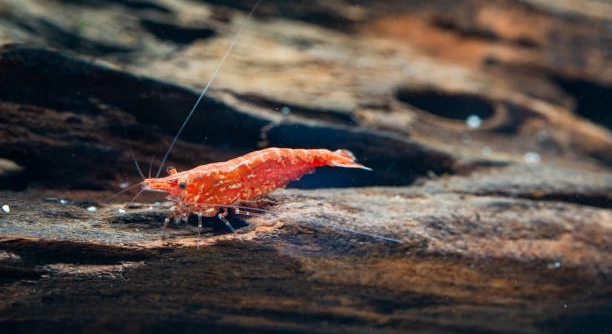
Cherry shrimp are small freshwater creatures often kept in aquariums for their vibrant colors and gentle behavior. They move gracefully among plants and rocks, adding life and charm to their tanks while maintaining a calm presence.
Cherry shrimp do exhibit territorial behavior, but it is limited. They may claim small spaces or hiding spots, especially during molting or feeding, yet they generally coexist peacefully with other shrimp in shared tank environments without aggressive confrontations.
Understanding their subtle territorial habits can improve tank harmony and ensure your shrimp thrive in a stress-free environment.
Understanding Cherry Shrimp Behavior
Cherry shrimp are naturally peaceful creatures that prefer calm environments with plenty of hiding spaces. They are active during the day and night, often exploring plants, rocks, and substrate in search of food. Territorial behavior usually appears in subtle ways, like claiming a favorite moss patch or a corner near a hiding spot. Males are more likely to move around, while females may defend small areas when they are molting or carrying eggs. Observing their movement and interactions helps you notice signs of stress or overcrowding. Stress can cause them to hide excessively or lose color, so maintaining proper tank conditions is crucial. Water quality, temperature, and adequate space all play a role in reducing tension. Providing multiple hiding spots allows each shrimp to feel secure without conflict. A balanced diet with algae, biofilm, and occasional vegetables supports their overall health and encourages natural behaviors, keeping the aquarium harmonious.
Territorial behavior in cherry shrimp is subtle and rarely aggressive, mostly linked to personal space rather than dominance.
Paying attention to these patterns ensures your shrimp remain healthy, stress-free, and continue to brighten the tank with their vibrant presence.
Tank Setup and Space Management
Space plays a key role in limiting territorial disputes among cherry shrimp. A crowded tank increases stress and may lead to competition for hiding spots.
Providing ample plants, rocks, and decorations creates natural boundaries that reduce conflicts. Cherry shrimp feel safer with multiple areas to retreat, especially during molting. Adding moss, caves, or leaf litter offers both shelter and foraging opportunities. Careful arrangement of plants also encourages exploration while limiting overlap of preferred spots. Avoid placing too many shrimp in small tanks, as it can trigger stress behaviors and color fading. Regular maintenance, including partial water changes and monitoring water parameters, ensures a stable environment. Proper filtration and temperature control prevent sudden shifts that could disturb shrimp activity. Feeding in multiple locations prevents competition and keeps weaker shrimp from being excluded. Even with adequate space, occasional minor skirmishes may occur but are part of natural interactions. A well-planned setup not only supports health but also allows you to observe their delicate, peaceful behaviors.
Feeding and Territorial Behavior
Cherry shrimp may show mild territorial tendencies around food, especially when algae wafers or vegetables are introduced. They often gather in small groups but rarely fight aggressively over a meal.
Offering food in multiple locations helps prevent disputes and ensures that all shrimp can eat comfortably. By spreading out algae, blanched vegetables, or commercial shrimp pellets, each shrimp has access to nourishment without needing to compete. Observing their feeding patterns can reveal which individuals are more dominant and which are shy, but this rarely escalates into serious conflict. Consistent feeding schedules and varied diets keep stress low and promote healthy growth. In a balanced tank, even the hungriest shrimp quickly settle into routine, sharing resources efficiently.
Hiding spots near feeding areas also reduce stress and allow weaker or timid shrimp to access food safely. Proper tank management supports peaceful coexistence and encourages natural behavior among all shrimp.
Molting and Space Needs
Molting is a vulnerable time for cherry shrimp, and they often claim small safe spaces to shed their exoskeletons. These areas need to be quiet and secure.
Providing plenty of moss, plants, and small caves ensures that each shrimp can molt without interference. During this period, shrimp are soft and defenseless, making them susceptible to accidental nudges or minor conflicts from others. Ensuring adequate water quality and stable parameters supports successful molting and reduces stress. Observing shrimp during this process helps you notice if the tank has enough space or hiding spots. A well-decorated tank prevents overcrowding near shelters, keeping shrimp healthy and safe. Proper care during molting encourages vibrant colors and overall activity, maintaining a balanced tank environment for all inhabitants.
Social Interactions
Cherry shrimp are social but cautious. They often swim in groups, maintaining distance from each other to avoid stress or minor confrontations.
Interactions are usually peaceful, with shrimp exploring and grazing together. Conflicts are rare and brief, mainly over hiding spots or food access, and do not harm the overall group dynamic.
Signs of Stress
Shrimp may become pale, hide excessively, or reduce movement when stressed. Observing behavior and water quality helps prevent these issues. Maintaining proper tank conditions and providing enough space supports calm and active shrimp.
Gender Differences
Males are more active and exploratory, while females tend to occupy safe areas, especially during molting or carrying eggs. This difference influences minor territorial behavior and movement patterns within the tank.
Maintaining Balance
Keeping plants, decorations, and hiding spots well-distributed reduces competition. A stable environment, with consistent feeding and clean water, encourages peaceful coexistence and natural shrimp behavior.
FAQ
Do cherry shrimp fight over territory?
Cherry shrimp rarely engage in true fights. Their territorial behavior is subtle and mostly involves claiming small hiding spots or preferred areas for feeding. They may chase or nudge other shrimp briefly, but aggressive encounters are uncommon. Most of the time, they coexist peacefully, sharing space and resources with minimal stress. Providing plenty of plants, rocks, and moss allows each shrimp to have its own secure area, reducing even minor disputes. Overcrowding is the main factor that could increase tension, so maintaining proper stocking levels ensures harmony among all shrimp.
How much space do cherry shrimp need to prevent stress?
Cherry shrimp do best in tanks with sufficient room to explore. Each adult shrimp benefits from about 1–2 gallons of water, depending on tank layout and hiding spots. Crowded conditions increase stress and may trigger mild territorial behavior. A well-planted tank with multiple hiding areas ensures that even timid or molting shrimp can find refuge. Decorations such as caves, driftwood, and moss create natural boundaries without forcing conflict. Regular monitoring of population density helps maintain balance and reduces competition for resources, promoting calm behavior and vibrant coloration in your shrimp.
Can cherry shrimp coexist with other shrimp species?
Yes, cherry shrimp usually coexist well with other peaceful shrimp species, such as Amano shrimp or Crystal Red shrimp. Differences in size and behavior may cause minor territorial interactions, but serious conflicts are rare. Mixing species requires attention to water parameters, diet, and hiding spots to ensure all shrimp feel safe. Each species has slightly different preferences for feeding and shelter, so providing multiple zones and varied food locations prevents competition. Observation is important during the first weeks after introducing new shrimp to make sure that no individual is stressed or excluded from essential resources.
Do cherry shrimp defend their hiding spots?
Cherry shrimp may defend small shelters, particularly during molting or when females carry eggs. These spaces provide security while the shrimp are soft and vulnerable. Conflicts are minor and usually involve gentle nudges rather than aggressive attacks. A tank with multiple hiding spots prevents repeated competition for the same areas. Moss, leaf litter, and small caves create adequate shelters for several shrimp simultaneously. Females, in particular, may stay in a preferred area for a day or two, but this behavior is temporary and does not disrupt the overall peaceful dynamics of the tank.
How does feeding affect territorial behavior?
Feeding can trigger mild competition, especially if food is placed in a single location. Cherry shrimp may gather and jostle for access to algae wafers, blanched vegetables, or pellets. This behavior is brief and rarely harmful. Spreading food in several areas reduces pressure on dominant shrimp and allows all individuals to feed comfortably. Timed feeding and varied diet options also support calm behavior. Observing how shrimp distribute themselves during feeding provides insight into social dynamics and individual tendencies, helping you manage the tank efficiently and maintain harmony.
Do males and females behave differently regarding territory?
Males are generally more active and exploratory, moving around to search for food or mates. Females are more stationary and may occupy safe spaces during molting or when carrying eggs. These differences influence minor territorial behavior, with females defending small shelters temporarily while males patrol the tank. Recognizing these patterns helps in arranging hiding spots and feeding zones to accommodate both genders comfortably, preventing unnecessary stress or crowding. A balanced tank setup allows males and females to coexist without conflict, supporting reproduction and healthy activity levels.
What signs indicate that territorial disputes are affecting shrimp health?
Shrimp under stress from overcrowding or lack of hiding spaces may become pale, reduce activity, hide excessively, or lose appetite. Monitoring behavior, coloration, and movement is essential. Proper tank management, including water quality, decorations, and population control, minimizes stress and prevents health issues caused by territorial tension. Minor nudges or brief chases are normal, but persistent aggression or exclusion of certain shrimp signals the need for intervention, such as adding plants, moss, or small caves to redistribute shelter and resources.
Can cherry shrimp adapt to limited space?
They can tolerate smaller tanks if environmental conditions are stable and hiding spots are sufficient. Stress is more likely in crowded or poorly maintained tanks. Ensuring multiple shelters, proper filtration, and consistent feeding helps shrimp adapt and reduces minor territorial disputes. Even in smaller setups, observing behavior regularly allows adjustments to prevent overcrowding and maintain a peaceful community. A well-structured small tank can still support healthy, active shrimp while minimizing competition over resources and space.
How important is water quality for territorial behavior?
Water quality directly affects shrimp activity and stress levels. Poor parameters, such as high ammonia, nitrite, or fluctuating temperatures, can increase aggression or hiding behavior. Maintaining stable water conditions, regular partial water changes, and proper filtration keeps shrimp calm and reduces unnecessary territorial disputes. Healthy shrimp are more likely to share space peacefully, feed normally, and display vibrant colors.
Are there ways to prevent territorial issues before they start?
Yes, planning the tank layout with multiple hiding spots, spreading food, controlling population density, and maintaining excellent water quality are key. Observation during feeding and molting periods helps ensure no shrimp is excluded from resources. Consistent care fosters a calm, balanced community where subtle territorial tendencies do not escalate into stress or health problems.
Final Thoughts
Cherry shrimp are naturally peaceful creatures that add charm and life to any freshwater tank. Their behavior is largely calm, and territorial tendencies are subtle rather than aggressive. While they may claim small areas, such as a favorite hiding spot or a preferred feeding zone, these actions are part of normal shrimp behavior and rarely result in serious conflicts. Providing a well-planted tank with plenty of moss, rocks, and small caves ensures that each shrimp has a secure space. Observing their interactions can be rewarding, as you notice how they navigate the tank, interact with others, and take advantage of the safe spots available. Proper spacing and careful placement of decorations allow all shrimp to coexist comfortably, reducing stress and promoting healthy activity levels. Overcrowding, however, can increase tension, so maintaining appropriate stocking levels is essential to keep the tank harmonious.
Feeding practices also play a role in minimizing minor territorial behavior. Cherry shrimp may gather around food, but brief nudges or gentle competition are typical and not harmful. Spreading food across different areas of the tank ensures that all shrimp have access to nutrition without being chased away by more dominant individuals. Providing a varied diet, including algae, biofilm, blanched vegetables, and shrimp pellets, supports their health and encourages natural foraging behavior. Observing shrimp during feeding times gives insight into their social dynamics and helps identify shy or timid individuals. This approach not only prevents unnecessary stress but also promotes even growth and vibrancy in your shrimp. Maintaining a consistent feeding routine and carefully monitoring tank activity are simple but effective ways to ensure peaceful interactions and well-being.
Molting and reproductive behavior are additional considerations for tank management. During molting, shrimp are soft and vulnerable, which can make them more defensive of their immediate surroundings. Females carrying eggs may also occupy certain areas for short periods. Providing multiple shelters allows these individuals to feel safe while maintaining overall tank balance. Water quality, temperature stability, and clean substrate are critical to supporting these processes, as stress can impact health, coloration, and reproduction. Observing how shrimp respond to space, hiding spots, and feeding routines helps create a stable environment where their subtle territorial behavior does not become a concern. With proper care, a balanced setup, and attention to their natural tendencies, cherry shrimp can coexist peacefully, thrive, and continue to enhance the beauty and calmness of a freshwater aquarium.

Hello,
If you enjoy the content that we create, please consider saying a "Thank You!" by leaving a tip.
Every little bit helps us continue crafting quality advice that supports the health, happiness, and well-being of pets around the world, for pets of all shapes, sizes, and species.
We really appreciate the kindness and support that you show us!