
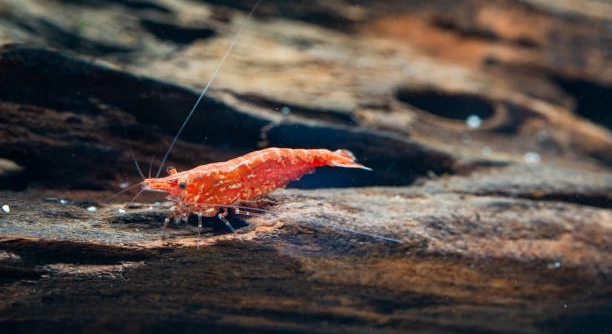
Have you ever watched your shrimp move around the tank only to suddenly stop without any clear reason? These tiny creatures can be lively one moment and motionless the next, leaving owners slightly puzzled and concerned.
Shrimp often stop exploring due to environmental stress, illness, or changes in water quality. Factors such as temperature fluctuations, poor water conditions, or lack of food can suppress activity, causing shrimp to retreat and conserve energy until conditions improve.
Understanding why shrimp halt their activity can help maintain a healthy tank and ensure your shrimp continue thriving in their environment.
Common Causes for Shrimp Stopping Activity
Shrimp can suddenly stop moving for several reasons, many of which are linked to their environment. Water quality is the most important factor. If the tank has high levels of ammonia, nitrites, or nitrates, shrimp may become stressed and hide. Temperature fluctuations also affect activity. Even a few degrees too high or too low can make shrimp sluggish. Lack of food or improper nutrition can lead to reduced movement, as shrimp conserve energy. Stress from tank mates is another factor. Aggressive fish or overcrowding can make shrimp retreat into corners or stay still for long periods. Additionally, molting plays a role. Shrimp often stay motionless when preparing to shed their exoskeleton, which is a vulnerable time requiring calm and quiet. Recognizing these signs can help identify whether the stoppage is temporary or indicates a problem that needs attention. Observing behavior alongside water testing often reveals the cause.
Water quality is usually the main reason shrimp stop moving, and small changes can make a big difference in their activity.
Keeping shrimp active involves consistent water testing, maintaining stable temperature, and providing a balanced diet. Regular observation helps notice subtle changes in behavior. Hiding spots and plants can reduce stress, encouraging exploration. It’s also important to avoid overcrowding, as too many tank mates can limit movement and cause stress. Molting cycles require patience, giving shrimp time to rest safely. By addressing these factors, you create a healthy environment that naturally encourages shrimp to move and explore regularly. The goal is a calm, stable habitat where shrimp feel secure, fed, and unstressed, promoting regular activity and preventing sudden halts in movement. Consistency in maintenance often prevents problems before they appear.
Observing Shrimp Behavior
Shrimp behavior can indicate overall health. Paying attention to movement, color, and interaction gives clues about well-being.
Regular observation helps detect stress, illness, or environmental issues early. Shrimp hiding too long, losing color, or remaining still may need immediate attention. Tracking daily patterns can reveal if stopping is temporary or recurring. Understanding normal behavior allows better care decisions.
Water Quality and Its Impact
Poor water conditions quickly affect shrimp behavior. High ammonia, nitrite, or nitrate levels make shrimp stop moving and hide. Even slight changes in pH or hardness can reduce activity. Regular testing and adjustments keep water safe, supporting natural exploration and reducing stress in shrimp populations.
Maintaining clean water requires consistent monitoring and careful management. Frequent partial water changes prevent harmful buildup of waste and toxins. Filtration helps remove debris and keeps oxygen levels stable, which shrimp need to stay active. Overfeeding can pollute the water, so providing small amounts at intervals is better than large meals. Live plants absorb excess nutrients and provide hiding spots, helping shrimp feel secure. A stable environment with balanced chemistry ensures shrimp remain curious and healthy, reducing sudden stops in movement. Observing shrimp alongside testing results allows adjustments before problems escalate, keeping activity consistent.
Water temperature, clarity, and chemical balance all work together to affect shrimp energy levels and comfort. Shrimp stop exploring if these factors fall outside their ideal range. Observing changes in behavior after adjustments helps confirm improvements. Stress from poor water quality is gradual but noticeable, often showing as lethargy, hiding, or refusal to eat. By maintaining optimal water conditions, shrimp resume normal patterns quickly.
Diet and Nutrition
Shrimp need a varied diet for energy and activity. Feeding too little or the wrong food can make shrimp stop exploring. Balanced meals with protein, algae, and vegetables keep shrimp active. Overfeeding can also create toxins that reduce movement.
A proper feeding routine encourages healthy shrimp behavior. Live or frozen foods like brine shrimp provide essential protein for growth and molting. Blanched vegetables and algae wafers supply fiber and nutrients. Offering small portions multiple times a day prevents leftover waste that harms water quality. Shrimp respond to consistent feeding schedules, often becoming more active and exploring their tank. Avoid sudden diet changes, as shrimp can react by hiding or stopping movement. Supplements like calcium help support exoskeleton strength, making molting easier and less stressful. Combining clean water and proper nutrition ensures shrimp stay lively, reducing sudden periods of inactivity and promoting overall health.
Stress from Tank Mates
Shrimp can become stressed if tank mates are aggressive or too large. Constant chasing or harassment makes them hide and stop exploring. Choosing peaceful species helps shrimp feel secure and reduces sudden inactivity.
Overcrowding also increases stress. Limited space forces shrimp to compete for hiding spots and food. Proper stocking levels create a calmer environment and encourage natural movement.
Molting and Rest
During molting, shrimp often remain still to protect themselves. They shed their old exoskeleton and wait for the new one to harden, which can take hours or days depending on species and water conditions.
Signs of Illness
Shrimp that stop moving may be sick. Loss of color, visible spots, or abnormal behavior can indicate bacterial or fungal infections. Immediate attention is important to prevent spreading and ensure recovery.
Creating a Comfortable Habitat
Providing plants, hiding spots, and smooth surfaces reduces stress. A stable tank environment encourages shrimp to move, feed, and explore naturally without sudden stops.
FAQ
Why do my shrimp hide all the time?
Shrimp hide when they feel stressed, threatened, or unsafe. Tank mates, sudden movements, or lack of hiding spots can make them retreat. Providing plants, moss, and small decorations gives them places to feel secure. Over time, they often emerge more regularly once the environment feels safe.
Can water changes affect shrimp behavior?
Yes. Sudden or large water changes can shock shrimp, causing them to stop moving or hide. It’s best to perform partial, gradual changes while keeping water parameters consistent. Matching temperature, pH, and hardness during changes minimizes stress and keeps shrimp active.
Do shrimp need specific temperatures to stay active?
Shrimp have ideal temperature ranges depending on species. When water is too cold, they slow down; too warm, they may become stressed. Using a stable heater or monitoring system helps maintain the correct range, ensuring regular exploration and normal behavior.
Why do shrimp suddenly stop eating?
Loss of appetite can occur due to poor water quality, stress, molting, or illness. Check ammonia, nitrite, nitrate, and pH levels. Offer a variety of foods, including algae, blanched vegetables, and protein-rich options. Temporary fasting is common during molting, but prolonged refusal to eat indicates a problem.
Can tank mates harm shrimp without obvious attacks?
Yes. Even non-aggressive fish can stress shrimp by chasing or crowding them. Stress alone may cause shrimp to hide, reduce activity, or lose color. Observing interactions and providing plenty of hiding spaces helps shrimp feel safe and encourages natural movement.
How does molting affect shrimp behavior?
Molting is a vulnerable time for shrimp. They may stop moving and hide until their new exoskeleton hardens. During this period, minimal disturbance is essential. Poor water quality or insufficient nutrition can complicate molting, causing shrimp to remain inactive longer.
Are there signs of disease I should watch for?
Shrimp illness often shows as lethargy, discoloration, spots, or unusual swimming patterns. Fungal or bacterial infections can spread quickly. Early detection and maintaining clean water are key. Quarantining affected shrimp and adjusting tank conditions can help recovery.
Do shrimp prefer certain tank setups for exploring?
Shrimp thrive in tanks with plants, moss, and smooth surfaces. These provide hiding spots, grazing areas, and security. Open areas encourage movement, while hiding spaces reduce stress. A balanced layout promotes consistent activity, healthy feeding, and normal social behaviors.
How often should I feed shrimp to keep them active?
Small, frequent feedings are better than large amounts. Overfeeding can foul water, reducing movement and causing stress. Offering a mix of algae, vegetables, and protein ensures they receive nutrients needed for energy, growth, and successful molting. Observing their response helps adjust feeding schedules effectively.
Can water chemistry changes make shrimp stop exploring?
Absolutely. Shifts in pH, hardness, or chemical levels can stress shrimp and make them hide. Gradual adjustments and careful monitoring prevent sudden behavior changes. Consistent water conditions are crucial for healthy activity, natural exploration, and overall well-being in shrimp.
Is inactivity always a sign of a problem?
Not always. Temporary inactivity can happen during molting, rest periods, or after minor stress. Monitoring frequency, duration, and accompanying signs helps determine if it’s normal or requires attention. Consistent patterns combined with proper care usually keep shrimp active.
Can decorations or substrate impact shrimp movement?
Yes. Smooth substrates and natural decorations allow shrimp to forage and explore safely. Sharp edges or overcrowded decorations may cause stress, hiding, or reduced activity. A thoughtful tank layout encourages natural behavior while providing shelter and grazing areas.
How can I encourage shy shrimp to explore more?
Providing hiding spots, stable water conditions, and gentle feeding routines helps. Avoid sudden movements or excessive tank disturbances. Over time, shrimp gain confidence, gradually moving into open areas, feeding regularly, and displaying natural exploration behaviors.
What is the best way to monitor shrimp health daily?
Observe movement, color, and interactions. Check water parameters regularly. Note changes in hiding, feeding, or swimming patterns. Quick action on small issues, like adjusting water quality or nutrition, prevents bigger problems and keeps shrimp consistently active and healthy.
Do shrimp respond to light or time of day?
Yes. Shrimp activity often increases during low light or night hours. Bright lights can cause hiding or reduced movement. Providing shaded areas, plants, or dim lighting helps them explore naturally while feeling secure.
Can stress cause long-term inactivity in shrimp?
Chronic stress from poor water quality, aggressive tank mates, or inadequate hiding spots can reduce shrimp activity over time. Long-term inactivity affects feeding, molting, and overall health. Maintaining stable conditions and a calm environment supports consistent, healthy movement.
How important is tank size for shrimp activity?
Larger tanks provide more space to explore and reduce territorial stress. Overcrowded tanks limit movement and increase hiding. Adequate space combined with proper water quality and decorations encourages natural behavior and consistent exploration throughout the tank.
Do shrimp need companions to stay active?
Shrimp are social and often feel more confident with other shrimp present. Groups encourage grazing, movement, and interaction. Solitary shrimp may hide more frequently, especially if stressed. Providing an appropriate number of tank mates promotes natural activity and exploration patterns.
Can changing diet suddenly affect shrimp movement?
Yes. Abrupt diet changes can cause stress or refusal to eat, reducing activity. Introducing new foods gradually while maintaining familiar options allows shrimp to adapt. Balanced nutrition supports energy, molting, and regular exploration in the tank environment.
How long should I wait to see changes after adjusting tank conditions?
Shrimp may take hours to days to respond to improvements in water quality, temperature, or stress reduction. Observing gradual increases in movement, feeding, and color indicates that adjustments are effective and the environment is becoming suitable for regular exploration.
Shrimp are small but fascinating creatures, and their behavior can tell us a lot about how well they are doing in their environment. When they suddenly stop exploring, it is usually a sign that something in their tank is off, whether it’s water quality, temperature, stress, or health. Observing your shrimp regularly is important because small changes in behavior often appear before more serious problems. Noticing when a shrimp hides for long periods, stops eating, or changes color can help you take action early. Even though it may seem concerning at first, most causes of inactivity are manageable with the right adjustments. Consistency in tank maintenance, feeding, and monitoring can prevent many of these issues from developing in the first place. Paying attention to your shrimp’s patterns and routines makes it easier to recognize when something is wrong, which helps keep them healthy and active over time.
A stable and well-planned tank is key to encouraging shrimp to explore and be active. Clean water, the right temperature, and proper chemical levels all contribute to a comfortable environment. Shrimp are sensitive to changes in pH, hardness, and chemical balance, so even small fluctuations can affect their movement. Adding plants, moss, and hiding spaces gives them security while also allowing them to move freely when they feel safe. Avoiding overcrowding and choosing peaceful tank mates reduces stress, which is a common reason shrimp stop moving. Feeding them a balanced diet of protein, algae, and vegetables supports energy and growth, especially during molting. Overfeeding or sudden changes in diet can reduce activity, so introducing new foods gradually helps them adapt. Regular observation, combined with careful attention to water quality and tank setup, ensures shrimp remain curious, healthy, and active in their environment.
Understanding shrimp behavior takes patience, but it is rewarding to see them move, feed, and interact naturally. Inactivity is often temporary and linked to molting, minor stress, or slight changes in the tank. By creating a stable habitat, maintaining proper nutrition, and monitoring for early signs of illness, you can support your shrimp’s overall health. Small adjustments, such as gradual water changes or adding extra hiding spots, can make a significant difference. Keeping track of daily patterns and responding to any unusual behavior ensures your shrimp feel secure and comfortable. Over time, this attention helps build a balanced, calm tank where shrimp explore naturally and remain lively. Recognizing their needs and responding thoughtfully allows shrimp to thrive, providing a peaceful and engaging environment for them to live in, while also giving you confidence that you are taking proper care of these delicate, fascinating animals.

Hello,
If you enjoy the content that we create, please consider saying a "Thank You!" by leaving a tip.
Every little bit helps us continue crafting quality advice that supports the health, happiness, and well-being of pets around the world, for pets of all shapes, sizes, and species.
We really appreciate the kindness and support that you show us!