
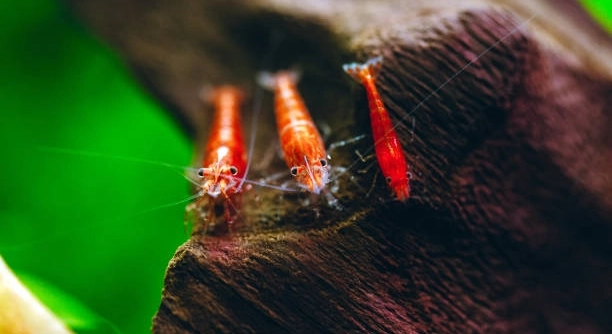
Cherry shrimp are small, colorful freshwater creatures popular in home aquariums. Their diet is varied, often including biofilm, plant matter, and leftover fish food. Many shrimp owners look for easy ways to supplement their nutrition.
Cherry shrimp can eat algae wafers safely as part of their diet. These wafers provide essential nutrients and can help maintain a balanced diet, but they should not replace natural grazing or varied food sources for optimal health.
Adding algae wafers can be beneficial, yet it is important to balance them with other foods for the shrimp’s overall well-being and tank cleanliness.
Understanding Cherry Shrimp Diet
Cherry shrimp naturally feed on algae, biofilm, and decaying plant matter in their tanks. They are small scavengers, often grazing on surfaces for food throughout the day. Providing a balanced diet helps them stay healthy and maintain their vibrant coloration. Algae wafers are a convenient supplement because they contain essential nutrients like protein, fiber, and minerals. While they are not a replacement for natural grazing, wafers can support growth, especially in tanks with limited algae. Offering a variety of foods, including blanched vegetables and occasional protein treats, ensures the shrimp receive all nutrients they need. Overfeeding algae wafers should be avoided to prevent water quality issues, as uneaten portions can decompose and affect the tank’s ecosystem. Observing the shrimp while feeding helps gauge the right portion size. Regular monitoring and rotating food types allow them to remain active, healthy, and colorful. A consistent feeding schedule supports their natural grazing habits.
Algae wafers are safe and nutritious in moderation. They help fill gaps in their diet.
Variety is key for cherry shrimp. Using wafers along with vegetables and biofilm encourages natural behavior and prevents nutritional deficiencies. Overreliance on one type of food can make them less active or affect coloration. Balancing supplemental foods ensures healthy growth.
Feeding Tips and Considerations
Avoid overfeeding algae wafers to maintain water quality. Uneaten food can lead to ammonia buildup and stress the shrimp.
Feed small portions, removing leftovers within a few hours. Rotate with vegetables and occasional protein snacks. Observing their eating patterns helps adjust portions effectively. Introducing wafers gradually allows shrimp to recognize and adapt to the new food. Temperature, tank size, and population density can influence how much they consume. In heavily planted tanks, wafers may not be needed daily, while bare tanks might require more supplementation. Always place wafers in areas where shrimp can access them without competition from fish or snails. Monitoring water parameters after adding wafers ensures the tank remains stable. Consistent, balanced feeding promotes bright colors, healthy molting, and active behavior. By combining algae wafers with natural grazing, owners can support a thriving shrimp population without compromising the tank’s environment. Proper feeding practices improve longevity and prevent common dietary issues in cherry shrimp.
Choosing the Right Algae Wafers
Not all algae wafers are the same. Look for wafers made specifically for shrimp or small freshwater invertebrates. Avoid ones with added dyes or high-fat content that can harm water quality. Quality ingredients ensure nutrition without affecting the tank’s balance.
When selecting algae wafers, consider size, ingredients, and nutrient content. Smaller wafers are easier for cherry shrimp to handle and reduce waste. Ingredients like spirulina, vegetable matter, and balanced protein help maintain healthy growth and coloration. Avoid wafers with artificial colors, excessive fillers, or high-fat content, as these can cloud the water and harm shrimp health. Observing how your shrimp respond to a specific brand is helpful. If they ignore the wafer or it disintegrates too quickly, try another brand or type. Consistency in quality prevents sudden dietary issues and supports long-term tank health. Using wafers that match shrimp size encourages feeding without excess leftover food.
Rotating different wafers and food types can keep cherry shrimp engaged with their diet. Variety prevents boredom and promotes consistent eating habits. Feeding small amounts gradually avoids water pollution and supports active, healthy shrimp.
Monitoring Shrimp Health and Behavior
Regularly check shrimp after feeding to spot changes in activity, molting, or coloration. This helps prevent dietary issues before they escalate.
Healthy cherry shrimp are active, colorful, and consistently grazing. Changes in eating behavior or reduced activity can indicate diet problems or poor water conditions. Feeding algae wafers in moderation supports health, but too many can create uneaten waste, raising ammonia levels. Observe how shrimp consume wafers: ideally, they nibble gradually rather than ignoring them. Balanced diets, including vegetables, biofilm, and occasional protein treats, maintain proper growth and bright coloration. Keeping track of molting cycles and behavior patterns provides insight into nutritional adequacy. Adjusting portion sizes and supplement frequency based on these observations ensures shrimp remain healthy and vibrant in their environment.
Timing and Frequency of Feeding
Feed cherry shrimp small portions once a day or every other day. Consistent timing helps them develop a routine and prevents overfeeding.
Observe how quickly they consume the wafers. Remove any leftovers within a few hours to protect water quality. Adjust frequency based on tank conditions and shrimp activity.
Combining Wafers with Other Foods
Algae wafers should complement, not replace, natural grazing. Include blanched vegetables like zucchini or spinach, and occasional protein snacks. This mix ensures balanced nutrition.
Providing variety encourages active foraging and healthy molting. Biofilm, plant matter, and supplemental foods together prevent deficiencies and support growth. Adjust portions based on shrimp numbers and tank size to avoid water issues.
Avoiding Overfeeding
Too many wafers can harm water quality. Feed only what shrimp can consume in a few hours.
Monitor leftovers and tank cleanliness. Balanced portions protect both shrimp health and tank stability.
FAQ
Can cherry shrimp eat algae wafers every day?
Cherry shrimp can eat algae wafers daily, but it is not recommended to rely solely on them. Feeding only wafers may lead to nutritional imbalances. It’s better to rotate with vegetables, biofilm, and occasional protein treats to maintain overall health and coloration. Observing how much the shrimp consume each feeding helps prevent overfeeding. Small portions ensure they get nutrients without degrading water quality.
How much algae wafer should I give my shrimp?
Feed small amounts that the shrimp can consume within two to three hours. Start with a tiny piece per group of shrimp and adjust based on their activity. Uneaten food should be removed promptly to avoid water pollution. Feeding gradually allows the shrimp to nibble at their own pace. Overfeeding can lead to ammonia buildup and stress. Consistent portioning helps maintain healthy growth and prevents excess waste.
Are all algae wafers safe for cherry shrimp?
Not all wafers are suitable. Choose wafers designed for shrimp or small invertebrates, avoiding high-fat content, fillers, or artificial colors. Some fish wafers may be too hard or nutrient-heavy, which can negatively affect shrimp health. Spirulina-based wafers or those with vegetable matter are ideal, offering protein and fiber without harming water conditions. Always monitor how your shrimp respond to a new brand and adjust as needed.
Can baby shrimp eat algae wafers?
Yes, baby shrimp can eat algae wafers, but they need smaller, softer pieces. Crush or break wafers into tiny bits to make them easier to handle. Young shrimp require more frequent but smaller feedings to support growth. Observing their feeding behavior ensures the wafers are accessible, and combining wafers with biofilm and fine plant matter helps them thrive in early stages.
Do algae wafers replace natural grazing?
Algae wafers are a supplement, not a replacement. Cherry shrimp naturally graze on biofilm, algae, and detritus throughout the tank. Wafers fill nutritional gaps but should be part of a varied diet. Relying solely on wafers can reduce natural grazing behavior and may affect shrimp activity and health over time. Rotate foods for balanced nutrition.
What happens if I overfeed wafers?
Overfeeding can harm both shrimp and tank environment. Uneaten wafers decay, producing ammonia and nitrites that stress shrimp. Overfeeding may also encourage bacterial blooms and cloud the water. Feeding only what is consumed within a few hours, along with routine water monitoring, prevents these issues and keeps shrimp healthy and active.
How do I know if my shrimp like the wafers?
Shrimp nibbling actively and cleaning up wafers within hours is a good sign. Ignored or scattered pieces may indicate the shrimp do not recognize the wafer or the portion is too large. Observe behavior and adjust wafer size, placement, or brand to encourage proper feeding.
Can algae wafers affect water parameters?
Yes, excessive or uneaten wafers can raise ammonia, nitrite, and nitrate levels. Regularly remove leftovers, feed small portions, and monitor water quality. Proper tank maintenance ensures wafers provide benefits without compromising the environment or shrimp health.
Is it okay to mix wafers with vegetables?
Yes, mixing wafers with blanched vegetables adds variety and balanced nutrition. Vegetables provide fiber and additional nutrients that wafers alone may not offer. A combination encourages natural foraging and supports healthy molting cycles while preventing deficiencies.
How often should I change wafer brands?
Changing brands occasionally can help maintain interest and dietary variety. Rotate between high-quality wafers with similar nutrient profiles to avoid sudden changes that might stress the shrimp. Monitor response to new brands for acceptance and water quality impact.
Can algae wafers help with shrimp coloration?
Yes, wafers with spirulina and balanced protein can enhance color over time. Bright reds, oranges, and other tones are supported when wafers complement a varied diet. Color improvement occurs gradually, so consistency and proper feeding practices are key.
Are wafers suitable for tanks with plants and fish?
Yes, but careful placement is necessary. Ensure shrimp have access without fish competing heavily. Uneaten wafers near plants can decompose and affect water quality, so remove leftovers promptly. Strategic placement supports both shrimp feeding and tank cleanliness.
Do wafers support molting?
Algae wafers provide protein and minerals that aid in healthy molting. Combined with natural grazing and vegetables, they supply the nutrients needed for exoskeleton formation. Proper molting reduces stress and promotes growth.
Can I freeze or store wafers for long periods?
Wafers should be stored in a cool, dry place, away from moisture. Freezing is generally unnecessary unless the package suggests it. Proper storage preserves nutrients and prevents mold or disintegration. Always check expiration dates before feeding.
Is it safe to give wafers to other invertebrates in the tank?
Yes, shrimp-safe wafers are generally suitable for snails and small invertebrates. Observe feeding to ensure all creatures get access without overcrowding or competition. Adjust quantities to prevent excess waste.
How do I introduce wafers to new shrimp?
Place a small piece in an area with minimal disturbance. New shrimp may take a few hours to notice. Crushing into smaller pieces can help shy or baby shrimp access the food. Gradual introduction supports natural feeding behavior.
Can wafers replace protein foods entirely?
No, wafers supplement but do not replace occasional protein sources like bloodworms or brine shrimp. Protein supports growth and molting cycles, so include occasional treats alongside wafers for balanced nutrition.
What is the best time to feed wafers?
Feed when shrimp are most active, usually in the evening or when lights are dim. This ensures consumption and reduces leftover waste. Observe tank behavior to adjust timing for optimal feeding.
How long does it take for shrimp to consume a wafer?
Small groups may finish a wafer within a few hours. Larger groups can take longer, depending on wafer size and activity. Monitor consumption to avoid leftover decay and adjust portion sizes as needed.
Are wafers suitable for planted tanks?
Yes, but monitor for leftover fragments. Decomposing wafers can affect water parameters and plant health. Feed carefully and remove uneaten portions to maintain a balanced, thriving planted tank environment.
Can wafers improve shrimp growth?
Yes, when part of a balanced diet, wafers support growth by providing protein, fiber, and essential minerals. They work best alongside vegetables, biofilm, and natural grazing, ensuring shrimp develop steadily and remain healthy.
Do all shrimp eat wafers equally?
Feeding response can vary. Some shrimp may be hesitant at first. Breaking wafers into smaller pieces and placing them strategically can help encourage reluctant individuals to eat. Observing behavior helps ensure all shrimp get nutrients.
Can wafers be fed in cold water tanks?
Yes, but feeding may slow in cooler temperatures due to lower shrimp activity. Smaller portions and careful monitoring prevent uneaten food from decomposing and affecting water quality. Adjust frequency according to shrimp activity levels.
How do I prevent wafers from fouling the water?
Feed small portions, remove leftovers quickly, and monitor consumption. Crumbling wafers into tiny bits can reduce waste and make it easier for shrimp to eat. Maintaining proper tank maintenance prevents water issues while still providing nutrition.
Are wafers necessary if my tank has plenty of algae?
Not always. Natural grazing on algae and biofilm may be sufficient. Wafers can supplement nutrients that algae alone may not provide, especially in heavily stocked or planted tanks with limited natural food.
How long can a wafer last in the tank?
If left unattended, wafers can start to soften and decompose within a few hours. Remove uneaten portions promptly to prevent water pollution and maintain healthy tank conditions for shrimp.
Can wafers be given alongside commercial shrimp food?
Yes, wafers can complement commercial shrimp pellets. Combining different foods ensures balanced nutrition and supports coloration, molting, and overall activity. Adjust quantities to prevent overfeeding and water quality issues.
Is it better to crumble or leave wafers whole?
Smaller shrimp or baby shrimp benefit from crumbled wafers, while adults can handle whole pieces. Adjust based on size, tank population, and feeding behavior to ensure all shrimp can access the food.
Can overfeeding wafers affect molting?
Yes, overfeeding can stress shrimp and disrupt water quality, indirectly affecting molting. Balanced portions, regular water checks, and a varied diet help maintain healthy molting cycles.
Do wafers attract pests?
Uneaten wafers can attract snails or other invertebrates, and sometimes promote bacterial growth. Removing leftovers and monitoring portions reduces unintended effects while still feeding shrimp adequately.
Are homemade wafers safe for shrimp?
Yes, if made with shrimp-safe ingredients like spirulina, vegetables, and protein sources. Avoid additives, dyes, and preservatives. Homemade wafers allow control over nutrient content but require careful preparation and storage.
How often should I feed wafers to baby shrimp?
Feed baby shrimp small amounts daily or every other day. Crushing wafers into tiny bits ensures accessibility. Combined with biofilm and fine plant matter, this supports growth without overwhelming water quality.
Can wafers improve shrimp breeding?
Proper nutrition supports health and breeding readiness. Wafers, alongside vegetables and protein, provide nutrients that can help improve egg production and overall shrimp vitality. Balanced feeding encourages consistent breeding behavior.
Do wafers affect shrimp lifespan?
When fed properly, wafers contribute to overall health and longevity. Overfeeding or relying solely on wafers may negatively impact lifespan due to poor water quality or nutritional gaps. Combining wafers with a varied diet promotes healthy growth and a longer life.
Is it necessary to rinse wafers before feeding?
Rinsing is not usually required for commercially prepared wafers. If they are dusty or crumbly, a quick rinse can reduce residue in the tank, helping maintain water clarity and preventing waste accumulation.
Can wafers be part of a stress reduction diet?
Yes, balanced nutrition supports immune function and stress resilience. Wafers combined with natural grazing and vegetables help maintain shrimp health, especially after changes in the tank or during molting periods.
How do I know when to stop feeding wafers?
Observe tank conditions, shrimp activity, and leftover food. Stop or reduce feeding if waste accumulates, water parameters change, or shrimp show reduced interest. Adjust frequency based on needs rather than fixed schedules.
Do wafers work in community tanks?
Yes, but placement matters. Ensure shrimp can access wafers without competition from fish or larger invertebrates. Removing uneaten portions maintains water quality and ensures shrimp nutrition.
Can wafers replace biofilm entirely?
No, biofilm remains essential for natural grazing and nutrient intake. Wafers supplement but do not replace the variety and benefits provided by biofilm. Maintaining surfaces for biofilm growth supports shrimp health and activity.
Are wafers effective in all water types?
Yes, as long as water parameters are suitable for shrimp. Soft or hard water does not affect wafer safety, but monitor feeding and water quality to prevent decomposition issues.
Do wafers need refrigeration after opening?
Store in a cool, dry place. Refrigeration is not usually required, but sealing the package tightly prevents moisture and preserves freshness. Proper storage ensures nutrients remain intact.
Can wafers be used during shrimp acclimation?
Yes, small amounts help new shrimp settle by providing accessible food. Introduce gradually to avoid overwhelming them or affecting water quality. Observing feeding behavior during acclimation supports a smooth transition.
How quickly do wafers dissolve in water?
They soften within hours. Shrimp nibble as they go, but leftover pieces should be removed promptly to prevent water quality issues. Portioning correctly reduces waste and maintains tank stability.
Are wafers compatible with frozen or live foods?
Yes, combining wafers with frozen or live foods provides complete nutrition. Rotate feed types to support growth, molting, and coloration while keeping shrimp active and healthy.
Do wafers affect shrimp behavior?
Feeding wafers encourages foraging and grazing activity. Properly sized portions prevent stress and competition. Overfeeding or poor placement may cause aggression or inactivity.
Can wafers be part of a low-maintenance tank diet?
Yes, wafers reduce the need for constant feeding, but monitoring portions and tank conditions remains important. Combining with natural algae growth supports shrimp health with minimal effort.
Are wafers suitable for long-term use?
Yes, as part of a balanced diet. Rotating with vegetables, biofilm, and occasional protein ensures long-term nutrition without water quality issues. Consistency in portioning supports healthy growth.
Do wafers need to be broken for groups of shrimp?
Breaking into smaller pieces helps groups feed more evenly, reducing competition and leftover waste. Observing feeding patterns allows proper adjustment for population size.
Can wafers replace commercial shrimp pellets?
Not entirely. Wafers are a supplement. Using them alongside pellets ensures all nutritional needs are met while supporting color, molting, and growth. Balanced feeding is key.
How long can shrimp survive without wafers?
Shrimp can survive on natural grazing and biofilm for extended periods, but wafers provide added nutrients that support growth, color, and molting. They are not essential but are beneficial for tank health.
Are wafers safe for pregnant or berried shrimp?
Yes, proper nutrition supports egg development. Wafers combined with vegetables and biofilm provide protein, fiber, and minerals needed for healthy offspring. Observing feeding ensures all berried shrimp get access.
Can wafers help with weak or slow-growing shrimp?
Yes, the protein and nutrients support growth when used as part of a balanced diet. Combine with vegetables and biofilm for optimal development. Proper feeding schedules and portioning encourage healthy growth.
Do wafers dissolve faster in warm water?
Yes, warmer water softens wafers more quickly, allowing shrimp to eat sooner. Monitor portions to avoid uneaten pieces decaying and affecting water quality.
Are wafers suitable for mixed-species shrimp tanks?
Yes, but ensure accessibility for smaller species. Break into pieces or place strategically to prevent competition. Monitor feeding behavior to ensure all shrimp receive nutrition.
Can wafers cause algae blooms?
Indirectly, yes, if uneaten wafers decompose and increase nutrients in the water. Proper portioning and removal of leftovers prevent algae overgrowth while still feeding shrimp adequately.
Do wafers need to be soaked before feeding?
Soaking is generally unnecessary. Shrimp can nibble on dry wafers, which soften quickly in water. Soaking may reduce dust but is not required.
Are wafers safe for all life stages?
Yes, with size adjustments. Baby shrimp need crushed pieces, while adults can handle larger wafers. Proper portioning ensures access for all sizes.
Can wafers replace live foods entirely?
No, live foods provide nutrients and stimulate natural hunting behavior. Wafers complement live or frozen foods for a balanced diet.
Do wafers affect water pH?
Proper feeding does not significantly affect pH. Overfeeding and decomposition may influence water chemistry, so portion control and timely removal are essential.
How long should wafers remain in the tank during feeding?
Feed only until shrimp finish nibbling, usually two to three hours. Remove leftovers promptly to prevent decay and maintain water quality.
Can wafers support molting cycles in baby shrimp?
Yes, the protein and minerals help with exoskeleton formation. Combined with biofilm and vegetables, wafers support healthy molting and growth in juveniles.
Are wafers safe in heavily planted tanks?
Yes, but monitor for leftover fragments. Remove uneaten pieces to protect plants and water quality while still providing nutrition.
Can wafers help shrimp recover from stress?
Yes, proper nutrition supports immune function and recovery. Wafers, combined with biofilm and vegetables, provide essential nutrients to help shrimp regain strength.
Do wafers need to be fed at the same time every day?
Consistency helps shrimp develop a routine, but occasional variation is acceptable. Monitor feeding behavior to adjust timing for optimal consumption.
Can wafers replace vegetables entirely?
No, vegetables provide fiber and vitamins not present in all wafers. Combining wafers with plant matter ensures complete nutrition and supports natural foraging behavior.
Are wafers suitable for nano tanks?
Yes, in small portions appropriate to tank size. Monitor leftovers to prevent water quality issues in confined spaces.
Do wafers support color enhancement in shrimp?
Yes, spirulina and other nutrients in wafers can gradually enhance red, orange, and other pigmentation when combined with a varied diet.
Can wafers be used during quarantine periods?
Yes, wafers provide accessible nutrition during isolation. Feed small amounts and remove leftovers to maintain water quality.
Are wafers safe for shrimp with molting problems?
Yes, they supply protein and minerals necessary for successful molting. Combined with other foods, wafers help support healthy exoskeleton development.
How long does a wafer remain nutritious after opening?
If stored properly in a cool, dry place, wafers retain nutrients for months. Check expiration dates and avoid moisture to maintain quality.
Can wafers help picky eaters?
Yes, wafers are often more appealing than some vegetables or pellets. Observing which wafers are preferred helps ensure all shrimp get adequate nutrition.
Are wafers safe for shrimp sensitive to water quality changes?
Yes, as long as portions are small and uneaten food is promptly removed. Overfeeding is the main risk to water-sensitive shrimp.
Do wafers need to be broken into pieces for groups?
Yes, breaking wafers ensures even distribution among multiple shrimp and reduces leftover waste, keeping the tank clean.
Can wafers support long-term tank stability?
Proper feeding and removal of leftovers prevent nutrient spikes. When combined with maintenance, wafers support shrimp health without compromising water quality.
Are wafers suitable for all freshwater shrimp species?
Most species can safely eat wafers, but always check ingredients. Some species may require smaller sizes or softer textures for proper consumption.
Can wafers be part of a low-effort feeding plan?
Yes, they reduce daily preparation compared to fresh foods, but monitoring portions and leftovers is necessary to maintain water quality.
Do wafers improve shrimp activity?
Yes, providing a reliable, nutritious food source encourages grazing, foraging, and exploration, promoting active behavior in the tank.
Are wafers safe for tanks with snails?
Yes, but monitor portions. Snails may compete for food or cause leftover buildup. Proper feeding ensures shrimp nutrition without affecting the tank environment.
Can wafers be used with newly introduced shrimp?
Yes, they provide easy access to nutrition during acclimation. Introduce gradually and observe feeding to ensure all shrimp adapt successfully.
Do wafers need to be softened for baby shrimp?
Crushing into small pieces is recommended for accessibility. Shrimp can handle softening in
Cherry shrimp are small, delicate creatures that benefit from a carefully managed diet. While they naturally graze on algae, biofilm, and plant matter, providing supplemental food helps ensure they receive enough nutrients to stay healthy. Algae wafers are a convenient option because they contain protein, fiber, and minerals that support growth, coloration, and overall well-being. They are easy to store and feed, making them a practical addition to a balanced diet. However, it is important to remember that wafers are only one part of their nutrition. Relying solely on wafers can lead to nutritional gaps and may affect the shrimp’s natural grazing behavior. A combination of natural biofilm, vegetables, occasional protein treats, and wafers ensures that shrimp receive a range of nutrients while maintaining active, healthy behavior. Observing shrimp while they feed helps determine if the portions are appropriate and if all shrimp are able to access the food without competition.
Proper feeding practices are essential for both shrimp health and tank maintenance. Overfeeding algae wafers can result in uneaten food decomposing in the water, which raises ammonia and nitrite levels and stresses the shrimp. Small, controlled portions that the shrimp can finish within a few hours help prevent these issues. The feeding schedule should consider the shrimp’s activity and the amount of natural food available in the tank. For example, heavily planted tanks or tanks with abundant algae may require less supplemental feeding, while bare tanks might need more. Additionally, rotating different types of foods and varying wafer brands can help keep the shrimp engaged and encourage natural foraging behavior. Careful monitoring of water parameters, leftover food, and shrimp behavior is essential to maintaining a healthy environment. Balanced feeding practices support proper molting, growth, and coloration, helping the shrimp thrive over time.
Finally, algae wafers can be a helpful tool in maintaining a thriving cherry shrimp population when used responsibly. They provide essential nutrients, support natural behaviors, and complement the food available in the tank. Choosing high-quality wafers, breaking them into smaller pieces for babies or smaller shrimp, and combining them with vegetables and protein sources ensures a complete diet. Proper portioning and careful observation prevent water quality problems, while consistent feeding supports active and healthy shrimp. By keeping these practices in mind, aquarium owners can enjoy colorful, active shrimp while maintaining a stable, clean tank environment. Overall, algae wafers should be considered a supplement rather than a replacement, supporting the overall health and longevity of cherry shrimp while allowing them to exhibit natural feeding and grazing behaviors.

Hello,
If you enjoy the content that we create, please consider saying a "Thank You!" by leaving a tip.
Every little bit helps us continue crafting quality advice that supports the health, happiness, and well-being of pets around the world, for pets of all shapes, sizes, and species.
We really appreciate the kindness and support that you show us!