
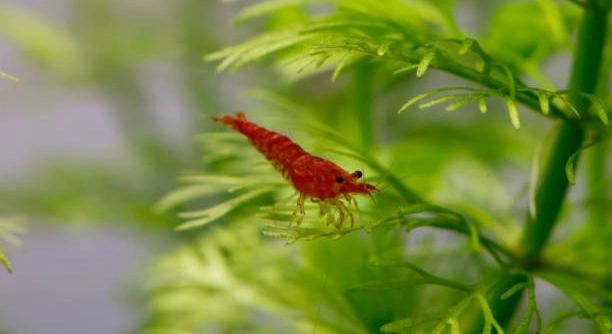
Cherry shrimp are small, colorful freshwater creatures often kept in community tanks. They move gracefully among plants and decorations, creating a lively atmosphere. Observing their behavior can be fascinating, especially when considering how they interact with other shrimp.
Cherry shrimp are capable of recognizing their tank mates primarily through chemical and visual cues. They use scent trails and subtle body movements to identify familiar individuals, establishing social hierarchies and maintaining territorial boundaries in their shared environment.
Understanding these behaviors can help improve tank management and ensure harmony. Observing interactions carefully reveals the subtle ways shrimp communicate and coexist peacefully.
How Cherry Shrimp Identify Their Tank Mates
Cherry shrimp rely on a combination of senses to identify others in their tank. Their primary method is chemical recognition. Each shrimp releases pheromones into the water, which can signal its presence, reproductive status, or social ranking. They also use sight to detect movement and color patterns, which helps them differentiate between familiar and new individuals. When a shrimp notices a familiar scent or pattern, it may act more confidently, exploring territory or interacting without fear. In contrast, unfamiliar shrimp can trigger cautious or defensive behaviors. Observing these interactions can show clear social dynamics, such as dominant shrimp asserting control over food or hiding spaces. Subtle gestures, like antennal touching or synchronized swimming, are also ways shrimp communicate. These cues help maintain harmony within a community tank. By paying attention to these behaviors, aquarists can better manage tank populations and reduce stress among their shrimp, ensuring a balanced and peaceful environment.
Chemical recognition is the main factor for social organization, supported by visual cues and minor tactile interactions.
Shrimp behavior reveals complex social patterns. Recognizing familiar tank mates reduces stress and promotes natural activity, contributing to healthier shrimp and a more balanced aquarium.
Observing Interactions and Social Behavior
Regular observation of tank dynamics is important. Cherry shrimp may establish territories, prefer certain hiding spots, and interact differently depending on the familiarity of their neighbors.
Watching shrimp in detail allows you to notice subtle gestures like antennal touching, chasing, or synchronized movement. These actions indicate comfort, curiosity, or mild competition. Familiar shrimp often swim closely or share food without conflict, while new additions may provoke caution. Over time, shrimp may become accustomed to new tank mates, gradually forming social bonds and reducing aggression. Tank conditions, such as plant density, hiding spaces, and water quality, also affect social behavior. Well-planted tanks provide safe areas for retreat and exploration, minimizing stress and promoting natural interactions. By arranging the environment thoughtfully and observing shrimp regularly, it becomes easier to understand how recognition and hierarchy shape behavior. Consistent monitoring helps identify any potential stressors, ensuring shrimp remain healthy and active. Social interactions are subtle but meaningful, reflecting their complex instincts and enhancing the overall vitality of the aquarium population.
Tank Conditions and Shrimp Recognition
Stable water conditions help shrimp recognize each other more easily. Sudden changes in temperature or pH can stress shrimp, reducing their ability to detect familiar tank mates and increasing cautious or defensive behavior.
Maintaining clean water, stable temperature, and proper filtration allows chemical cues to remain consistent. When water conditions fluctuate, pheromones and scent trails can become diluted or disrupted, making recognition difficult. Plants, moss, and hiding spots provide familiar landmarks that shrimp use alongside chemical signals to navigate and identify neighbors. Stress from poor water quality can lead to hiding, lethargy, or reduced interaction, which interferes with normal social behavior. A well-maintained tank ensures shrimp feel secure and can establish regular routines, including feeding, exploring, and interacting naturally. This consistency reinforces recognition patterns, helping them distinguish familiar shrimp from newcomers more effectively and maintaining harmony within the tank.
Good lighting and plant density also contribute to recognition. Bright, evenly distributed light improves visual cues, while dense plants offer safe spaces for exploration and interaction without conflict.
Group Size and Social Dynamics
Smaller groups allow shrimp to recognize each other more quickly and establish stable hierarchies. Fewer individuals reduce competition for resources, and social roles form faster, promoting a peaceful environment.
In larger groups, interactions become more complex. Shrimp may rely more on chemical signals than visual cues because tracking multiple individuals visually can be challenging. Hierarchies develop more slowly, and new shrimp need time to integrate without causing stress. Adequate space, hiding spots, and food distribution help prevent aggressive or overly cautious behavior. Social dynamics are influenced by age, size, and personality, with older or larger shrimp often taking dominant roles. Consistent observation of group behavior helps ensure all shrimp are interacting normally, feeding well, and sharing space without conflict. Adjusting group size carefully supports recognition, reduces stress, and promotes long-term health in the tank.
Feeding Behavior and Recognition
Shrimp often remember which tank mates share or compete for food. Familiar individuals may feed alongside each other calmly, while unfamiliar shrimp trigger cautious or defensive responses.
Consistent feeding routines reinforce recognition. When shrimp see the same neighbors at feeding times, they learn to navigate interactions peacefully, reducing stress and promoting healthy eating habits.
Signs of Familiarity Among Shrimp
Cherry shrimp demonstrate familiarity through gentle antennal contact, synchronized swimming, and shared foraging. These behaviors indicate comfort and recognition, distinguishing known tank mates from new or unfamiliar individuals.
Stress and Its Impact on Recognition
Stress can disrupt recognition patterns. Changes in water quality, overcrowding, or sudden environmental disturbances may make shrimp less attentive to familiar neighbors, causing withdrawal or aggression.
FAQ
Do cherry shrimp recognize their tank mates immediately?
Recognition is not instant. Cherry shrimp rely on chemical and visual cues to identify neighbors, which takes time. Familiarity builds gradually as they sense pheromones, observe movements, and note patterns in behavior. New shrimp may initially trigger caution or defensive actions until recognition occurs.
How long does it take for shrimp to get used to new tank mates?
Adjustment periods vary depending on group size, tank conditions, and the temperament of individual shrimp. Small, stable groups may integrate within a few days, while larger or crowded tanks may require weeks. Providing hiding spaces and maintaining consistent water conditions helps shrimp acclimate more quickly.
Can shrimp recognize individuals by sight alone?
Sight plays a role but is secondary to chemical cues. Cherry shrimp can notice color patterns, size differences, and movement, which support recognition. However, visual cues alone are usually insufficient in low-light or heavily planted tanks, where chemical signals remain more reliable.
Do shrimp remember previous tank mates after relocation?
Memory of previous tank mates seems limited. If shrimp are moved to a new environment, recognition resets because chemical trails and environmental markers are absent. Familiarity is rebuilt over time as shrimp interact again and learn the scents and movements of their neighbors.
Does stress affect recognition among shrimp?
Stress significantly impacts recognition. Poor water quality, sudden temperature shifts, or overcrowding can reduce attention to chemical and visual cues. Stressed shrimp may hide, avoid interaction, or act defensively, temporarily disrupting social recognition and normal behavior.
Are some shrimp more social than others?
Yes, individual temperament influences social behavior. Some shrimp are naturally more exploratory and willing to interact, while others are shy or territorial. Social shrimp often integrate quickly and establish clear patterns with neighbors, whereas shy shrimp may take longer to recognize and accept tank mates.
Can feeding routines improve recognition?
Consistent feeding times support recognition. Shrimp learn who is nearby during feeding and develop predictable interactions. Calm feeding reduces competition and allows shrimp to associate familiar neighbors with safety, creating a more relaxed and socially stable environment.
Do plants and decorations help shrimp recognize each other?
Yes, environmental features aid recognition. Plants, moss, and hiding spots provide visual landmarks and help shrimp navigate safely while sensing neighbors. Consistent surroundings allow chemical and visual cues to remain meaningful, improving the ability to identify and interact with familiar tank mates.
How do dominant shrimp affect recognition in a group?
Dominant shrimp influence group behavior significantly. They often control feeding areas and preferred hiding spots, setting boundaries for others. Subordinate shrimp learn to avoid confrontation and follow established social patterns. Recognition of dominance reduces conflicts and helps maintain harmony within the tank.
Is it normal for shrimp to occasionally ignore familiar tank mates?
Yes, temporary avoidance can occur. Factors such as molting, stress, or environmental changes may cause shrimp to retreat, even from familiar neighbors. This behavior is generally short-term, and normal interactions resume once conditions stabilize and shrimp regain comfort.
Can chemical signals be disrupted in certain tanks?
Chemical recognition can be affected by frequent water changes, strong filtration, or heavily treated water. These factors dilute or remove pheromones, making it harder for shrimp to identify neighbors. Providing gentle filtration and gradual water adjustments helps maintain chemical cues for recognition.
Do shrimp show signs of bonding with familiar tank mates?
Bonding is subtle but observable. Familiar shrimp often swim together, forage side by side, and engage in antennal contact without aggression. These interactions indicate trust and comfort, reflecting a social understanding built through repeated exposure and stable tank conditions.
Are juvenile shrimp able to recognize adults?
Juvenile shrimp can recognize adults mainly through chemical cues. They learn social hierarchies gradually, understanding which individuals to avoid or follow. Early recognition helps reduce conflict and supports survival within a mixed-age tank population.
Does overcrowding affect recognition?
Overcrowding complicates recognition. High population density increases competition for food and hiding spaces, causing stress. Chemical signals may become harder to track, and visual cues can be missed, leading to more cautious or aggressive behavior. Adequate space is essential for maintaining normal recognition patterns.
Can shrimp recognize other species in the tank?
Recognition is mostly limited to their own species. Shrimp may notice other species’ movements or presence, but they do not form the same social recognition patterns. Non-shrimp species can, however, influence shrimp behavior by triggering hiding or cautious responses due to perceived threats.
Do molting shrimp affect social recognition?
Molting temporarily changes recognition dynamics. Soft-shell shrimp may be ignored or avoided by others until their exoskeleton hardens. During this time, they are more vulnerable, and familiar shrimp may adjust behavior to reduce accidental harm, showing a flexible social awareness within the group.
How important is water quality for recognition?
Water quality is critical. Clean, stable conditions ensure pheromones and chemical cues remain detectable. Poor quality water stresses shrimp, masks chemical signals, and can disrupt normal social interactions, making it harder for them to identify and interact with familiar tank mates effectively.
Can recognition improve overall shrimp health?
Yes, stable recognition reduces stress, promotes regular feeding, and encourages natural behaviors. Comfortable shrimp are more active, display normal social interactions, and have stronger immunity. Supporting recognition through stable conditions, adequate space, and predictable routines contributes to healthier, happier shrimp.
Are there signs that shrimp do not recognize each other?
Signs include excessive hiding, constant chasing, or aggressive behavior. Shrimp may avoid neighbors or fail to forage together. These behaviors often indicate stress, recent introduction of new individuals, or environmental disruptions, suggesting recognition patterns are temporarily impaired and require attention.
Do chemical and visual cues work together?
Yes, they complement each other. Chemical cues provide the primary method of recognition, while visual cues, such as color and movement, reinforce familiarity. Together, these signals allow shrimp to identify neighbors accurately and maintain stable social relationships within the tank.
How can I help new shrimp integrate quickly?
Provide hiding spaces, stable water conditions, and gradual acclimation. Allow shrimp to explore the tank without forcing interactions. Consistent feeding routines and careful monitoring of social behavior support recognition, reduce stress, and promote harmonious integration of new individuals into established groups.
Final Thoughts
Cherry shrimp are more observant and socially aware than many people realize. Their ability to recognize tank mates depends on a combination of chemical, visual, and tactile cues, all of which work together to help them navigate their environment. Chemical signals, such as pheromones, play the most important role. They allow shrimp to identify familiar neighbors, detect reproductive status, and sense territorial boundaries. Visual cues, including movement patterns, color differences, and size, provide additional support, helping shrimp distinguish one individual from another. Even subtle gestures, like antennal contact or synchronized swimming, can indicate familiarity and comfort. Observing these behaviors closely can reveal patterns that may otherwise go unnoticed, showing just how complex and delicate shrimp social interactions can be.
The environment itself plays a significant role in how effectively shrimp recognize each other. Stable water conditions, proper filtration, and consistent temperature all support chemical signaling and reduce stress, allowing shrimp to focus on normal behaviors rather than survival instincts. A well-planted tank with moss, decorations, and hiding spots provides landmarks and secure areas that promote exploration while maintaining safety. Feeding routines also influence recognition, as shrimp learn who is nearby during mealtimes and adjust behavior accordingly. Group size and composition further impact social dynamics, with smaller, stable populations forming hierarchies more quickly, while larger groups require longer periods for integration. Observing shrimp regularly and maintaining a consistent environment ensures that recognition patterns develop naturally and that all shrimp can coexist peacefully.
Recognition is not only about social order—it directly affects shrimp health and activity. When shrimp can identify their neighbors, stress levels decrease, feeding becomes calmer, and overall behavior appears more natural. Stressors such as overcrowding, poor water quality, sudden changes, or aggressive newcomers can temporarily disrupt recognition and increase defensive behaviors. By managing tank conditions carefully, providing adequate space, and monitoring interactions, it is possible to support healthy recognition and reduce potential conflicts. Over time, shrimp learn to navigate their environment with confidence, interact safely with familiar tank mates, and display behaviors that reflect comfort and trust. Paying attention to these details not only promotes a more harmonious aquarium but also allows for closer observation of the subtle, fascinating ways shrimp communicate and interact in their daily lives. Recognition may seem simple, but it is a key factor in maintaining a balanced and thriving shrimp community.

Hello,
If you enjoy the content that we create, please consider saying a "Thank You!" by leaving a tip.
Every little bit helps us continue crafting quality advice that supports the health, happiness, and well-being of pets around the world, for pets of all shapes, sizes, and species.
We really appreciate the kindness and support that you show us!