
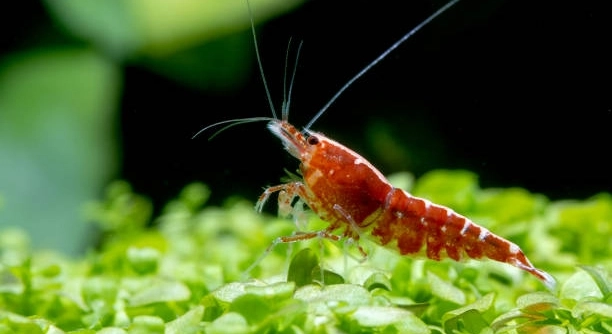
Caring for cherry shrimp becomes easier when you understand what keeps them active and healthy, especially when choosing foods that support vibrant colors and balanced nutrition in their small, delicate world of freshwater aquariums today.
Cherry shrimp love algae, biofilm, blanched vegetables, and high quality shrimp pellets, while avoiding foods high in copper or heavy preservatives that compromise their health. Providing balanced, low contaminant options sustains coloration, molting efficiency, vitality within controlled aquatic environments properly.
These simple choices help create a steady feeding routine that keeps your shrimp thriving and encourages a harmonious aquarium environment.
Foods Cherry Shrimp Love
Cherry shrimp thrive when offered foods that support their natural grazing habits and gentle digestive systems. I like keeping their diet simple because it reflects what they would naturally pick at throughout the day. Algae is their primary source of comfort and energy, helping them stay active without overwhelming their bodies. Biofilm provides steady nourishment, forming naturally on surfaces and giving them constant access to nutrients between feedings. Blanched vegetables like spinach, zucchini, and kale offer soft textures that are easy for them to nibble on, adding variety without stressing their systems. High quality shrimp pellets supply essential minerals that keep their color bright and help them molt properly. Occasional protein sources like frozen daphnia or baby brine shrimp encourage stable growth when used sparingly. Mixing these foods creates a balanced routine that keeps their environment clean, supports their behavior, and maintains consistent activity levels in the aquarium each day.
Feeding a variety of plant-based and protein-based options helps maintain balance, allowing your cherry shrimp to stay active and well nourished. These foods support their natural behaviors while keeping their environment stable and improving their overall appearance in a calm and consistent way that benefits their long term health overall.
Understanding which foods encourage steady feeding can help you keep your cherry shrimp comfortable and active. I find that rotating different items prevents boredom and keeps their colors bright. Soft vegetables add gentle fiber that supports digestion, while pellets provide reliable nutrition in controlled amounts. Natural growths like algae and biofilm remain their most dependable food sources, offering constant access to nourishment. Adding occasional protein keeps them strong without disrupting their balance. When these foods work together, your shrimp respond with steady movement, improved molting, and clear signs of comfort within the tank during their daily routines inside their space.
What to Avoid When Feeding Cherry Shrimp
Certain foods can interfere with your cherry shrimp’s health by adding unnecessary stress to their systems. Items containing copper, heavy preservatives, or excessive proteins can create imbalances, interrupt molting, and reduce activity, making it important to avoid anything that disrupts their environment or natural feeding rhythm in a consistent manner.
Feeding cherry shrimp responsibly means recognizing which ingredients and products may cause harm even in small amounts. I prefer to keep their meals clean and uncomplicated because anything overly processed tends to affect their behavior and comfort. Foods containing copper, whether from vegetables treated with chemicals or low quality pellets, can be dangerous and should always be avoided. Preservatives found in some commercial products can also irritate their systems and lead to decreased activity. Excessive protein may cause digestive strain, influencing their ability to molt correctly and maintain stable color. Seasoned foods, salted snacks, or anything designed for human consumption should never be placed in the tank because they introduce elements that disrupt water balance. Oily foods leave residue that clings to surfaces, reducing water quality and making the environment more difficult to maintain. Overfeeding can create similar problems by raising ammonia levels and encouraging unhealthy bacterial growth. Sticking to reliable, shrimp-safe foods ensures that their habitat stays clean and predictable. When you limit exposure to harmful ingredients and keep their diet consistent, your cherry shrimp remain active, well adjusted, and comfortable, allowing you to enjoy a stable and steady aquarium while maintaining balanced feeding habits that support their health.
Best Vegetables for Cherry Shrimp
Blanched vegetables offer gentle nutrition and are easy for cherry shrimp to nibble on throughout the day. Soft textures let them feed without stress, and the natural fiber supports steady digestion while keeping their environment clean and calm during regular activity.
Spinach, kale, and zucchini are my go to options because they soften quickly and maintain their structure long enough for shrimp to graze comfortably. These vegetables are rich in mild nutrients that support pigmentation and help them stay active without overwhelming their systems. I prefer slicing zucchini thinly before blanching so it becomes tender but not mushy. Leafy greens break down at a safe pace, allowing shrimp to feed gradually. Avoid adding any seasoning or oils, since even small traces can affect water quality. A small portion every few days is more than enough to support healthy feeding patterns.
Green beans and carrots can also be used when prepared correctly. I blanch them until soft so the shrimp can easily pick at the surface. Carrots add mild nourishment and hold up well in the tank, giving shrimp more time to graze. Green beans offer light fiber that helps stabilize digestion. I remove any leftover pieces after several hours to prevent decay from affecting water parameters. By rotating vegetables in modest amounts, you maintain variety without risking imbalance, keeping their feeding habits predictable and comfortable.
Best Protein Sources for Cherry Shrimp
Protein should be provided in small amounts because cherry shrimp need only limited boosts to stay strong. I prefer offering light, clean options that break down easily and avoid disrupting their tank’s balance while supporting gentle growth and consistent activity.
Baby brine shrimp, daphnia, and high quality powdered proteins are safe choices when used sparingly. These foods encourage healthy development without overwhelming their systems. I usually offer tiny portions once or twice a week, since too much protein can affect molting and reduce comfort levels. Frozen options work well because they contain fewer additives and remain clean in the water when fed properly. It helps to feed them in controlled amounts so the shrimp can consume everything quickly. Removing extra food prevents buildup that may raise ammonia or cloud the water. By maintaining careful protein portions, you support steady growth, balanced behavior, and stable conditions in their space.
How Often to Feed Cherry Shrimp
Feeding cherry shrimp small portions keeps their environment stable and prevents leftover food from affecting water quality. I prefer offering tiny amounts once a day or every other day so they can finish everything without creating unnecessary waste in the tank.
Their natural grazing habits mean they stay busy between feedings by picking at algae and biofilm. This helps maintain balance and reduces the need for large meals. Keeping portions small encourages healthy behavior and supports steady growth without overwhelming their systems.
How to Prevent Overfeeding
Overfeeding is easy to avoid when you focus on consistency and small portions. I place only enough food for them to finish within a few hours, then remove anything left behind. This routine keeps their space clean and prevents ammonia spikes. It also helps maintain predictable feeding rhythms, which supports their comfort, health, and molting patterns.
Signs Your Cherry Shrimp Are Eating Well
Steady movement, bright colors, and regular molting show your cherry shrimp are eating properly. When they stay active and continue grazing throughout the day, it usually means they’re getting the right mix of nutrients without stressing their environment or digestive systems.
FAQ
What is the best food for cherry shrimp?
The most reliable foods are algae, biofilm, blanched vegetables, and high-quality shrimp pellets. I find that combining these options keeps them active and supports proper molting. Vegetables like spinach or zucchini provide fiber and gentle nutrition, while pellets supply essential minerals without overwhelming their systems. Small protein boosts like baby brine shrimp can be added occasionally.
Can cherry shrimp eat human food?
Most human foods are not safe. Seasoning, salt, oils, and preservatives can harm their digestive systems and water quality. I stick to shrimp-safe foods exclusively to maintain balance in the tank. Even small amounts of bread, rice, or vegetables treated with chemicals should be avoided.
How often should I feed them?
Feeding small portions once a day or every other day is ideal. Cherry shrimp naturally graze on biofilm and algae in between meals. Overfeeding creates leftover food that decomposes and raises ammonia levels. I always observe their eating habits and adjust portions accordingly, ensuring nothing remains in the tank for long.
Can cherry shrimp eat frozen foods?
Yes, frozen foods like daphnia or baby brine shrimp are safe in moderation. They retain nutrition and have fewer additives compared to some commercial options. I thaw and rinse them first, then offer tiny portions so the shrimp can consume everything quickly. This prevents decay and keeps water parameters stable.
What foods should I avoid entirely?
Avoid anything with copper, heavy preservatives, excessive protein, or seasoning. I also skip human snacks, oily foods, and commercially treated vegetables. These items can disrupt molting, reduce activity, and harm water quality. Sticking to safe options ensures shrimp remain healthy, active, and comfortable in their environment.
Do cherry shrimp need protein every day?
No, protein should be offered sparingly. Occasional boosts from baby brine shrimp, daphnia, or powdered shrimp-safe protein support growth and molting without stressing their systems. I usually provide protein once or twice a week, keeping portions small to maintain balance and avoid digestive issues.
How do I know if they are eating enough?
Steady movement, grazing behavior, bright coloration, and successful molting indicate they are eating properly. I observe them daily to ensure all food is consumed and check that water quality remains stable. Adjusting portions as needed helps maintain consistent health and comfort.
Can cherry shrimp survive on algae alone?
Algae and biofilm form the foundation of their diet, but relying on them exclusively may not provide all necessary nutrients. I supplement with blanched vegetables and shrimp pellets to maintain color, molting efficiency, and overall vitality, creating a balanced feeding plan.
Is it okay to leave food in the tank overnight?
No, leftover food should be removed within a few hours. I only provide what can be eaten quickly to prevent water contamination and ammonia spikes. Clean feeding routines help maintain stable water parameters and a healthy, comfortable environment for shrimp.
What is the safest way to introduce new foods?
Introduce new items gradually, in small portions. I start with tiny amounts and monitor behavior, activity, and water quality. This prevents stress and allows shrimp to adapt without affecting the tank’s balance. Gradual introduction ensures they accept the food while staying healthy.
Final Thoughts
Feeding cherry shrimp properly is one of the simplest yet most important steps in keeping them healthy and active. Their small size and delicate systems mean that even minor mistakes in diet can quickly affect their health. I have found that sticking to a few reliable foods, such as algae, biofilm, blanched vegetables, and high-quality shrimp pellets, creates a stable routine that they can easily adapt to. Including occasional protein sources like baby brine shrimp or daphnia adds variety without overwhelming their digestive systems. Consistency is key. By offering the right portions at regular intervals, you support their natural grazing habits and help maintain clear water quality in the tank. Overfeeding, or giving unsafe foods, can quickly cause problems like ammonia spikes or disrupted molting cycles. A simple, balanced diet goes a long way in keeping the shrimp comfortable and vibrant.
Observing their behavior is another important aspect of feeding. Cherry shrimp are active grazers and will often indicate whether they are eating enough by how they move and interact with their environment. I make it a point to watch them during feeding times and throughout the day. Steady activity, bright coloration, and successful molting are all signs that they are receiving adequate nutrition. It is easy to assume that more food is better, but in reality, small, well-chosen portions are more effective. Removing any leftover food after a few hours prevents water contamination and keeps the tank stable. A careful, attentive approach ensures the shrimp remain healthy, active, and stress-free. This observation also helps adjust feeding habits over time, allowing you to respond to seasonal or growth changes in the shrimp population.
Maintaining a balanced feeding routine ultimately contributes to a healthier aquarium overall. The combination of safe plant-based foods, reliable protein sources, and careful portion control helps create an environment where the shrimp thrive naturally. I have learned that rotating vegetables and offering occasional protein keeps their diet interesting while supporting proper growth and coloration. Avoiding harmful foods and chemicals is just as crucial as choosing the right nutrition, and sticking to shrimp-safe options reduces risk and stress. By paying attention to feeding habits, water quality, and shrimp behavior, you can ensure a long-term, healthy environment for your cherry shrimp. This approach simplifies care and reduces potential problems, letting the shrimp flourish while keeping the tank easy to manage and balanced over time.

Hello,
If you enjoy the content that we create, please consider saying a "Thank You!" by leaving a tip.
Every little bit helps us continue crafting quality advice that supports the health, happiness, and well-being of pets around the world, for pets of all shapes, sizes, and species.
We really appreciate the kindness and support that you show us!