
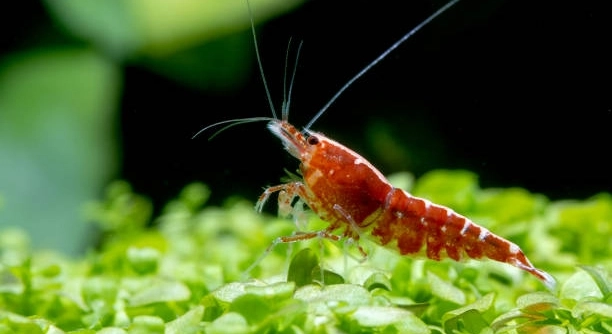
Cherry shrimp are small, colorful freshwater creatures often kept in home aquariums. Many shrimp owners notice their babies swimming among the adults and wonder about the relationship between parents and offspring in these tiny communities.
Cherry shrimp do not exhibit parental recognition or care. Adult shrimp may encounter their young in the tank, but they do not identify or nurture them. The young are independent immediately after hatching and rely on their instincts for survival.
Observing shrimp behavior can be fascinating, and understanding their natural instincts helps improve tank management and care practices.
Cherry Shrimp Behavior in the Tank
Cherry shrimp are lively creatures that spend their days grazing on biofilm, algae, and leftover food. They move slowly along surfaces, constantly searching for nutrition. Observing them can feel surprisingly calming, as their tiny movements and interactions create a subtle rhythm in the aquarium. Adults coexist with juveniles, but interactions are minimal. Most adult shrimp ignore the young, focusing on their own feeding and survival. Occasionally, you may notice an adult brushing against a baby, but this contact is accidental rather than deliberate. The shrimp’s small size and fragile bodies mean they are highly independent, and each individual relies on instinct rather than social bonds. Over time, juveniles grow into adults, repeating the same patterns. While they do share a tank, each shrimp maintains its own space. Watching these patterns can teach you about shrimp behavior and how to maintain a balanced, healthy aquarium environment.
The lack of parental care does not negatively affect shrimp populations. They naturally reproduce successfully in well-maintained tanks.
Juvenile shrimp are highly resilient despite their small size. They hide among plants and substrate, avoiding strong currents and larger tank inhabitants. Survival depends on access to food and protection, not parental attention. Observing their growth can be rewarding, as they gradually gain color and confidence, blending into the aquarium environment. Maintaining clean water and proper conditions ensures the highest survival rates, making the tank a safe habitat for multiple generations.
Feeding and Survival of Juveniles
Juvenile cherry shrimp rely on algae, biofilm, and detritus for nourishment, exploring every surface in the tank to find food.
Providing consistent, small portions of food supports growth without overwhelming the tank. Juveniles develop rapidly if water conditions remain stable. Tanks with plants and hiding spots offer extra protection, allowing young shrimp to thrive. Overfeeding can pollute water, leading to stress or illness, so careful monitoring is important. Separating juveniles from aggressive tankmates can also improve survival rates. Observing their feeding habits helps refine care practices.
Tank conditions play a key role in shrimp survival. Water quality, temperature, and pH stability influence growth rates and coloration. Juveniles require clean, oxygen-rich water to avoid stress or disease. Plants and moss provide shelter and biofilm, a natural food source that supports development. Excess nutrients can encourage algae growth, offering additional grazing opportunities. Monitoring ammonia and nitrate levels ensures the environment remains safe, preventing losses. Using gentle filtration prevents juvenile shrimp from being sucked into pumps, while still maintaining circulation. Careful observation allows early detection of health issues or aggression from larger tankmates. With proper attention to these factors, juvenile shrimp can mature into healthy adults, completing the life cycle in a thriving, balanced aquarium.
Tank Setup for Cherry Shrimp
A well-planned tank provides safety and resources for both adults and juveniles. Plants, moss, and hiding spots are essential to create a balanced environment. Stable water parameters reduce stress and encourage natural behavior.
Using live plants gives shrimp constant surfaces for grazing and shelter. Mosses like Java moss or Christmas moss are excellent, as they grow densely and offer protection for tiny shrimp. Substrate choice also matters; fine gravel or sand allows juveniles to move freely without injury. Proper filtration maintains clean water but should not create strong currents that disturb shrimp. Lighting affects algae growth, providing natural food sources while ensuring plants thrive. Regular monitoring of water temperature, pH, and hardness keeps the habitat consistent. Combining these elements ensures a thriving, low-stress environment where shrimp can feed, hide, and grow efficiently.
Tank maintenance is critical. Cleaning surfaces, removing waste, and monitoring water quality support shrimp health. Regular observation helps identify potential issues before they escalate.
Breeding and Population Growth
Cherry shrimp reproduce quickly in favorable conditions, and adults do not interfere with juveniles. Population growth depends on water stability, food availability, and shelter.
Female shrimp carry eggs under their abdomens for about three to four weeks. Once hatched, juveniles immediately start grazing and hiding. Tanks with dense plants or moss increase survival rates by providing safe zones. Consistent feeding of algae, biofilm, or small shrimp-specific foods ensures young shrimp develop properly. Water parameters must remain stable; fluctuations in temperature or pH can reduce egg viability or juvenile survival. Introducing slow-growing tankmates prevents predation and stress. Breeding shrimp can be rewarding, as observing multiple generations interact highlights natural behaviors. Over time, a balanced tank sustains a healthy population without overcrowding.
Monitoring population density is important to prevent stress and water quality issues. Managing feeding and tank maintenance ensures all shrimp thrive and reproduce successfully.
Common Mistakes in Shrimp Care
Overfeeding is a frequent issue, leading to poor water quality and stressed shrimp. Shrimp thrive on small, consistent meals rather than large portions.
Neglecting tank maintenance can cause algae overgrowth or ammonia spikes. Regular water testing and cleaning are essential to prevent health problems.
Observing Shrimp Interactions
Cherry shrimp mostly interact through grazing and movement rather than social behaviors. Adults and juveniles share space without forming bonds. Dense plants or moss allow juveniles to hide and feel secure, while adults continue their routine, creating a calm and balanced tank environment.
Water Quality Essentials
Stable water parameters are vital for shrimp health. Temperature, pH, and hardness should remain consistent. Regular monitoring prevents sudden changes that can stress shrimp or reduce survival rates.
FAQ
Do cherry shrimp recognize their babies?
Cherry shrimp do not recognize or care for their young. Adults may swim near juveniles or brush against them, but these encounters are accidental. Juveniles are independent immediately after hatching and rely entirely on their instincts for survival. Adult shrimp focus on feeding and maintaining their own health rather than forming bonds.
How can I improve juvenile survival rates?
Providing plenty of plants, moss, and hiding spots significantly increases survival. Dense vegetation gives juveniles protection from strong currents and potential aggression from adults. Feeding small, frequent portions of algae, biofilm, or shrimp-specific food ensures juveniles get enough nutrition without polluting the tank. Maintaining stable water parameters, such as temperature, pH, and hardness, is critical. Avoid sudden changes, as young shrimp are particularly sensitive. Monitoring water quality and removing waste regularly also helps prevent disease. Gentle filtration is important to prevent juveniles from being sucked into pumps while still maintaining water circulation.
What foods are best for baby cherry shrimp?
Juveniles thrive on biofilm, algae, and specially formulated shrimp foods. Sprinkling powdered or finely crushed foods over moss or plant surfaces encourages grazing. Live foods, like infusoria, can be introduced occasionally to provide protein. Overfeeding should be avoided, as uneaten food decays quickly and harms water quality. Small, consistent feedings are better than large, infrequent ones. Observing juveniles during feeding can help ensure all individuals access food.
Can adults harm juveniles?
In general, adult cherry shrimp do not actively attack juveniles. Accidental harm is possible if adults are overly aggressive or if tankmates include larger species. Providing plenty of plants and moss creates hiding places to protect juveniles. Keeping adult shrimp and juveniles in a tank without predatory fish reduces stress and increases survival. Maintaining low population density helps prevent accidental collisions and overcrowding.
How often should I clean the tank?
Regular cleaning is essential but should be balanced to avoid disturbing shrimp. Weekly partial water changes of about 20–30% help maintain water quality. Cleaning surfaces gently and removing debris prevents ammonia and nitrate spikes. Avoid over-cleaning moss or plants, as biofilm is a crucial food source for juveniles. Observation is key; if water appears cloudy or smells, increase cleaning frequency while keeping disturbance minimal.
Do cherry shrimp need special lighting?
Lighting helps plants grow, which indirectly supports shrimp by providing shelter and food sources like algae. Moderate lighting for 8–10 hours per day is sufficient. Excessive light can cause algae overgrowth, while too little can reduce plant health. Maintaining a consistent light schedule supports both plant and shrimp wellbeing.
How can I tell if my juveniles are healthy?
Healthy juveniles are active, grazing, and moving steadily through the tank. Their coloration becomes more pronounced as they grow. Lethargy, discoloration, or hiding excessively may indicate stress or poor water quality. Maintaining stable water conditions, proper nutrition, and a safe environment promotes healthy development.
Is it necessary to separate adults and juveniles?
In most cases, separating adults and juveniles is not needed. Cherry shrimp adults do not actively care for or harm juveniles. Providing a well-planted environment allows juveniles to find shelter and access food independently. Separation may only be considered if there are aggressive tankmates or overcrowding issues.
How quickly do cherry shrimp grow?
Juveniles grow steadily, molting multiple times as they develop. Growth rates depend on water conditions, food availability, and tank environment. Under stable conditions with adequate nutrition, they can reach adult size in a few months. Observing molts and gradual color development is a reliable indicator of healthy growth.
Can I breed cherry shrimp in a small tank?
Yes, small tanks can support breeding if conditions are stable. Adequate plants, moss, and hiding spaces are crucial. Overcrowding should be avoided, and water parameters must remain consistent. Proper care ensures both adults and juveniles thrive, maintaining a balanced population in a confined space.
Do cherry shrimp show social behaviors?
Cherry shrimp are not social in the traditional sense. They interact minimally, mostly through proximity while grazing. Observing them can be calming, as they share space peacefully without forming strong bonds. Dense plants and moss help maintain a peaceful environment and reduce stress.
How do I manage population growth?
Monitoring the tank and adjusting food, space, and water quality helps prevent overcrowding. Introducing more hiding spaces or additional plants can help manage growing populations. Partial water changes and occasional population control, if necessary, maintain a healthy balance and reduce stress among shrimp.
Can juveniles survive without adults?
Yes, juveniles are fully independent from hatching. They rely on instinct for feeding and survival. Adults do not provide care, so juveniles’ survival depends on access to food, safe hiding spots, and stable water conditions. Observing their growth can be rewarding as they gradually become self-sufficient.
What tankmates are safe for juveniles?
Small, non-aggressive species such as snails or tiny peaceful fish are compatible. Avoid predatory fish that may eat juveniles. Tankmates should not compete aggressively for food. A well-planted environment ensures juveniles have enough hiding spots, reducing stress and promoting survival in a community tank.
How can I encourage natural grazing?
Providing surfaces with biofilm, algae, and moss encourages natural foraging behaviors. Sprinkle powdered food lightly over these surfaces. Live plants and gentle filtration help maintain these food sources. Observing shrimp graze reinforces their natural instincts and supports healthy development.
What are common signs of stress in cherry shrimp?
Stress may appear as hiding excessively, erratic swimming, or loss of color. Poor water quality, strong currents, or aggressive tankmates often cause stress. Correcting water parameters, adding shelter, and ensuring proper nutrition helps shrimp regain normal behavior and thrive.
How long do cherry shrimp live?
Under proper care, adult cherry shrimp typically live around 1.5 to 2 years. Survival depends on water quality, nutrition, and tank conditions. Healthy environments and consistent care promote full lifespan and allow multiple generations to coexist in the same tank.
Can I keep multiple generations together?
Yes, adults and juveniles can coexist safely. Providing adequate hiding spots, plants, and stable conditions ensures all shrimp can feed, grow, and thrive without conflict, allowing multiple generations to share the tank peacefully.
Are there any special precautions for molting juveniles?
Molting is a vulnerable time. Provide plenty of plants and moss for shelter. Avoid sudden water changes and ensure consistent parameters. Molted shells often provide supplemental calcium, which supports growth. Observing shrimp during this period helps prevent injury or stress.
Do cherry shrimp require supplemental minerals?
Supplemental calcium and minerals help strengthen shells and support growth. Crushed coral, mineral-rich substrates, or specialized shrimp supplements provide necessary nutrients. Maintaining proper water hardness ensures shells remain healthy and reduces molting issues.
Can juveniles survive in bare tanks?
Bare tanks increase vulnerability to stress and predation. Lack of shelter reduces hiding opportunities, making juveniles more likely to be injured or fail to thrive. Providing plants, moss, or other cover is strongly recommended for optimal survival and development.
How do I know when juveniles are ready to breed?
Juveniles reach sexual maturity in a few months, depending on conditions. Signs include size, coloration, and the presence of eggs in females. Stable water parameters, sufficient food, and safe shelter support healthy maturation and eventual breeding success.
Cherry shrimp are fascinating creatures that show how small, simple animals can thrive independently. Unlike many other species, they do not form social bonds or care for their young. Juveniles are fully capable of surviving from the moment they hatch, relying entirely on instinct and the environment around them. Observing a well-maintained shrimp tank can be rewarding because you can watch adults and juveniles coexist peacefully without interference. Their movements are gentle and steady, as they graze on biofilm, algae, and other small food sources. Over time, the juveniles grow, molt multiple times, and gradually develop the vibrant colors that adults display. While they share the same tank, each shrimp operates independently, yet they collectively create a balanced ecosystem that is calming to watch and manage.
Maintaining a healthy environment is essential to support both adult and juvenile cherry shrimp. Plants, moss, and other hiding spaces provide shelter and grazing surfaces that are critical for survival. Proper feeding is equally important; small, consistent portions prevent overfeeding while ensuring juveniles receive enough nutrition to grow. Water quality cannot be overlooked. Stable parameters for temperature, pH, and hardness reduce stress and support overall health. Filtration should be gentle enough to avoid harming juveniles but sufficient to maintain clean water. Regular observation helps identify any changes in behavior, feeding patterns, or health issues, allowing corrective action before problems escalate. Even minor details, such as ensuring biofilm is present on surfaces for grazing or protecting molting shrimp with extra cover, can make a significant difference in survival rates and overall tank harmony.
Breeding and population growth in cherry shrimp tanks are natural when conditions are right. Adults carry eggs under their abdomens, and once hatched, juveniles immediately begin feeding and exploring. Dense plant coverage increases their chances of survival while allowing adults to continue their routine without disturbance. Population management is straightforward if the tank is properly maintained, as overcrowding, poor water quality, or insufficient food are the main risks. By providing a consistent, supportive environment, shrimp owners can witness multiple generations thriving together. Watching these small creatures grow and adapt offers insight into their behavior, resilience, and unique biology. Ultimately, cherry shrimp remind us that independence and instinct play as crucial a role in survival as care and attention, making them both simple and captivating animals to keep in an aquarium setting.

Hello,
If you enjoy the content that we create, please consider saying a "Thank You!" by leaving a tip.
Every little bit helps us continue crafting quality advice that supports the health, happiness, and well-being of pets around the world, for pets of all shapes, sizes, and species.
We really appreciate the kindness and support that you show us!