
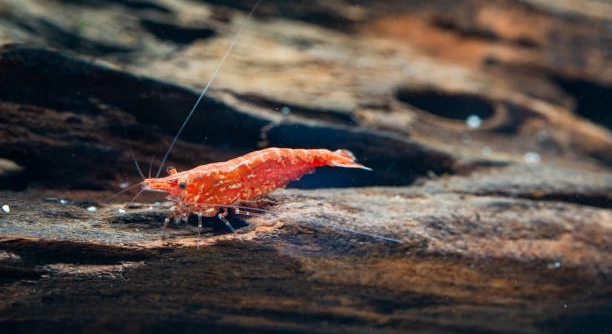
Cherry shrimp are small, colorful freshwater creatures that bring life to home aquariums. Many hobbyists enjoy watching their behaviors and interactions, noticing how they navigate their environment and respond to other shrimp in the tank.
Cherry shrimp exhibit limited learning from observing other shrimp. Studies indicate that while they can adjust certain behaviors based on environmental cues, their ability to imitate or learn complex tasks from peers is minimal. Social interactions primarily influence comfort and feeding habits.
Understanding these subtle behaviors helps shrimp keepers create a more engaging and harmonious tank environment for their aquatic pets.
Observing Behavior in Cherry Shrimp
Cherry shrimp spend most of their time foraging and exploring their tank. They respond to changes in light, water flow, and the presence of food. Watching them closely, you notice patterns in how they interact with each other, such as following each other to safe areas or clustering around feeding spots. Their movements are mostly instinctive, yet subtle differences appear depending on age or size. Younger shrimp tend to explore more, while older shrimp are more cautious and stick to familiar zones. Even though they are small, their behaviors can indicate health, stress levels, and tank conditions. Observing these patterns over time allows you to understand what they need and how they adapt. This makes tank maintenance easier and improves the overall environment. Small adjustments in hiding places or food distribution can noticeably affect how comfortable they feel in their habitat, highlighting how sensitive they are to their surroundings and peers.
Watching these interactions gives insight into their basic social habits and preferences within the tank.
Learning from peers is not their strongest trait, but they do notice movements and feeding behavior. They respond by following or avoiding certain areas, which shows a limited form of social adaptation.
Social Influence and Feeding Habits
Cherry shrimp often gather where food is abundant, and this behavior can appear as though they are learning from each other. Observing a shrimp approach a new feeding area may attract others, creating clusters. However, this is more about instinctual attraction to food rather than deliberate imitation. Over time, patterns emerge where some shrimp consistently explore first while others follow, reflecting natural caution rather than teaching or learning. Feeding habits can also vary with tank conditions; shrimp in a densely planted tank may be slower to approach food, influenced by safety concerns and visibility. In less crowded tanks, they move more confidently, sometimes forming temporary groups. Social cues mostly affect their comfort and risk assessment, rather than complex learning. Recognizing these behaviors helps you manage feeding schedules and placement, ensuring all shrimp get nourishment while minimizing stress. Adjusting food distribution and timing can improve activity and reduce competition, creating a more balanced environment for all shrimp in the tank. Observing these dynamics highlights the importance of tank layout, hiding spots, and feeding strategy in shaping shrimp behavior and social patterns.
Environmental Impact on Learning
Cherry shrimp adjust their behavior depending on tank conditions. Light, plants, hiding spots, and water flow all influence how confidently they move and explore. Changes in the environment can make them more cautious or more active. These adjustments are instinctive rather than learned from others.
Tank complexity affects shrimp activity significantly. In heavily planted tanks, they often stay near safe areas and only venture out when they feel secure. Sparse tanks encourage more open movement but can increase stress due to lack of hiding spots. Water parameters like temperature, pH, and cleanliness also play a key role. Shrimp are highly sensitive, and even minor fluctuations can alter their patterns. By observing their responses to different environmental setups, it becomes clear that shrimp behavior is shaped largely by their surroundings rather than social imitation. Proper tank design helps them feel secure and promotes natural exploration.
Adjusting environmental elements can subtly change shrimp behavior over time. Adding moss, hiding areas, or altering water flow can encourage activity while keeping stress low. Observing these shifts allows careful management of feeding and interaction patterns. It demonstrates that shrimp are highly responsive to conditions, making tank setup a critical factor in their overall well-being. Even small adjustments, like gentle water current or varied plant placement, influence movement and comfort, highlighting their sensitivity.
Interaction Patterns Within the Group
Cherry shrimp show simple interaction patterns. They may follow one another during feeding or retreat together when sensing danger. These behaviors are mostly instinctive.
Social spacing and hierarchy affect how shrimp move together. Dominant shrimp may occupy preferred areas, while smaller ones adapt by keeping distance or finding alternative zones. During feeding, a few shrimp often approach first, while others wait to join, reducing conflict and maintaining order. Clusters form naturally around food or safe spaces, reflecting comfort rather than learned guidance. Observing these patterns helps understand which shrimp are bolder and which are cautious, providing insight into group dynamics. Environmental structure, population density, and food availability all influence interactions, showing that behavior results from both instinctive tendencies and external conditions. Tracking these patterns allows careful planning of tank layout and feeding practices to minimize stress and promote natural, calm activity among the shrimp population.
Subtle Communication Signals
Cherry shrimp use subtle signals to communicate. Movements, antennae flicks, and color changes indicate awareness, stress, or readiness to feed. These signals are mostly instinctive and help maintain social balance in the tank.
They often respond to vibrations and water currents. Quick movements or sudden changes alert others to possible danger. These cues are important for survival and group coordination.
Feeding Response and Observation
Shrimp pay attention to the actions of others during feeding. When one shrimp discovers food, others may move toward the same area. This behavior is less about learning and more about following instinctive attraction to food sources. Over time, patterns of movement around feeding spots emerge. Observing these patterns allows you to anticipate where to place food to ensure all shrimp have access. Group feeding dynamics also reveal which shrimp are more cautious and which are bolder, providing insight into individual temperaments. Adjusting food placement can help balance these interactions and reduce competition among tank inhabitants.
Reaction to Environmental Changes
Shrimp quickly adjust to changes in their surroundings. Alterations in light, water flow, or decorations trigger immediate shifts in behavior.
FAQ
Do cherry shrimp really learn from other shrimp?
Cherry shrimp show very limited learning from observing others. Most behaviors, like feeding patterns or retreating from perceived threats, are instinctive. While they may follow other shrimp to a food source, this is driven by attraction to movement and food, not true imitation. Observing these patterns can help manage feeding and tank layout, but it does not mean they are teaching or learning complex tasks from one another. Their instincts dominate how they interact and adapt to the environment, making them responsive rather than socially taught.
Can environmental changes influence their behavior?
Yes. Cherry shrimp react quickly to changes in light, water flow, hiding spots, and tank density. Even minor changes can alter their movement, feeding, and exploration patterns. For example, adding more plants or decorations often encourages bolder exploration because they feel more secure. Conversely, removing hiding spots or increasing water current may make them more cautious. Monitoring these reactions helps ensure a balanced tank environment that supports natural behaviors and reduces stress.
Do they observe each other while feeding?
Cherry shrimp do watch others during feeding, but it is mostly instinctual. When one shrimp reaches a food source, others often follow, creating clusters around the same area. This is not deliberate learning but a natural response to movement and availability of food. Understanding this can help distribute food evenly in the tank so that all shrimp get access without excessive competition. Over time, you can notice which shrimp are more dominant in feeding spots and which prefer to wait, reflecting natural social tendencies.
Are younger shrimp more likely to follow older ones?
Younger shrimp often explore more and may appear to follow older shrimp, but this is primarily due to curiosity and environmental cues rather than deliberate learning. They are still developing instincts for safe areas and food locations, so observing more experienced shrimp can coincide with their natural exploration patterns. Providing adequate hiding spots and dispersed food ensures that younger shrimp feel secure and can feed without excessive competition.
How do they communicate with each other?
Communication is subtle. Cherry shrimp use antennae movements, body flicks, and color intensity to signal awareness, stress, or readiness to feed. Vibrations in the water also alert others to potential danger. These signals are instinctive and help maintain social balance, ensuring that shrimp respond appropriately to environmental threats and group dynamics. Watching these signals can help identify stress or health issues early.
Can they adapt to new tank setups?
Yes, but the adaptation is instinctive rather than learned from other shrimp. Changes in water flow, decorations, or light patterns will alter how they move and explore. They rely on hiding spots and familiar zones to feel safe while adjusting. Gradual changes help them acclimate with less stress, while sudden modifications may trigger avoidance behavior or clustering in safe areas. Observing their adaptation helps fine-tune the tank setup for both comfort and activity.
Do social interactions affect their learning?
Social interactions influence comfort and feeding patterns more than learning. Shrimp tend to cluster where others are active, but this is a response to stimuli rather than deliberate imitation. Social spacing and hierarchy can affect who approaches food first and who stays back, helping reduce conflict. Observing these dynamics allows you to manage tank population and feeding strategy effectively, promoting calm and natural behavior among all shrimp.
Can feeding strategies improve shrimp activity?
Yes. Distributing food in multiple areas encourages movement and reduces competition. Observing which shrimp are cautious or bold allows placement adjustments that support all tank inhabitants. Feeding patterns also reveal which shrimp are less confident, helping you make environmental changes to improve comfort. A balanced approach to feeding ensures more even activity and healthier shrimp overall.
Do they respond to stress signals from others?
Cherry shrimp are sensitive to stress in others. Rapid movements, sudden retreats, or clustering can trigger similar responses in nearby shrimp. This is instinctive and helps the group react to potential threats quickly. Maintaining stable water conditions and minimizing sudden changes reduces stress signals, supporting calmer interactions and more natural behavior throughout the tank.
Are there ways to encourage natural learning behaviors?
While true social learning is limited, creating a safe, stimulating environment allows shrimp to explore and adjust naturally. Adding plants, hiding spots, and varied food distribution encourages instinctive learning about safe zones and feeding locations. Observing their behavior helps identify patterns and allows careful adjustments to tank conditions, enhancing their comfort and activity without forcing social learning.
Final Thoughts
Cherry shrimp are fascinating creatures, small but full of life, and observing them can be very rewarding. Their behavior is largely guided by instinct rather than learned from other shrimp. Most of what they do, from exploring the tank to approaching food, is influenced by environmental cues and natural tendencies. They respond to light, water flow, hiding spots, and the presence of food with predictable patterns that reveal their comfort level and health. Understanding these patterns helps create a tank environment that meets their needs and reduces stress, allowing them to thrive. While it may seem like they are learning from each other, the reality is that their actions are more about survival instincts and natural social responses. Watching how they move, cluster, and interact provides insight into their well-being and can guide decisions about tank layout, food placement, and overall care.
Providing a stable and enriched environment encourages natural behaviors and keeps shrimp active. Heavily planted tanks, varied hiding spots, and gentle water flow can help them feel safe and more willing to explore. Food placement plays a significant role in shaping behavior as well. By observing how they approach feeding areas, it is possible to ensure that all shrimp have access to nourishment while minimizing competition. Social interactions within the group also reflect instinctive behavior rather than teaching or learning. Dominant shrimp may take the lead in feeding or preferred areas, while smaller or more cautious shrimp adapt accordingly. Paying attention to these dynamics allows you to create a balanced tank where each shrimp can feel secure and have opportunities to display natural movement and behavior.
Although cherry shrimp do not learn complex tasks from each other, they are responsive and adaptive to their environment. Minor changes in water conditions, lighting, or tank decorations can have noticeable effects on their activity and confidence. This sensitivity makes them interesting to observe and also highlights the importance of careful tank management. By providing a consistent and supportive environment, shrimp can show their natural instincts, which can include exploring, foraging, and interacting with one another in subtle ways. Understanding the difference between instinctive behavior and social learning allows you to set realistic expectations while appreciating their unique ways of navigating the tank. Thoughtful observation and small adjustments can significantly improve their quality of life, keeping the shrimp active, healthy, and displaying their natural charm.

Hello,
If you enjoy the content that we create, please consider saying a "Thank You!" by leaving a tip.
Every little bit helps us continue crafting quality advice that supports the health, happiness, and well-being of pets around the world, for pets of all shapes, sizes, and species.
We really appreciate the kindness and support that you show us!