
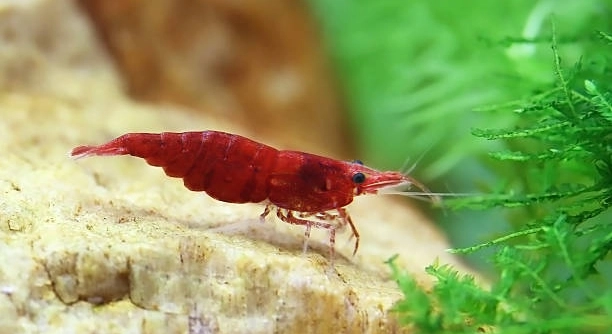
Shrimp are fascinating creatures that quietly adjust to their surroundings. Observing their behavior can reveal how they feel comfortable and safe in a new habitat. Once settled, their routines and interactions become more predictable and easier to understand.
When shrimp are settled in, they exhibit specific behaviors such as exploring their environment cautiously, hiding among structures for protection, feeding regularly, establishing territories, interacting with other shrimp, molting safely, and showing consistent swimming patterns. These actions indicate comfort and adaptation.
Recognizing these behaviors helps ensure their well-being and supports a thriving, balanced environment for shrimp in any aquarium setting.
Exploring Their Environment
Shrimp spend much of their time exploring their surroundings when they feel settled. They move cautiously across the substrate, brushing over rocks, plants, and decorations with their tiny legs. This behavior is essential for understanding their space and finding safe spots. Observing how they investigate corners or cling to surfaces can indicate their comfort level. They may test small openings and crevices to determine where they can hide or rest. This exploration is slower and more deliberate compared to their initial days in a new tank. When shrimp are confident, their movements become steady and purposeful, signaling that they recognize safe areas. Watching this process provides insight into their preferences and routines. Over time, shrimp also learn the best feeding areas and places to avoid predators or disturbances, showing a balance between curiosity and caution. Their exploration strengthens their adaptability and builds trust in the environment.
Exploration helps shrimp feel secure and confident, allowing them to interact naturally with their habitat and other tank mates.
This behavior is more than just movement. It reflects an internal assessment of safety and comfort. Shrimp will avoid exposed areas and favor locations that provide quick escape routes. They often follow repeated paths, which can signal territory boundaries or preferred zones for feeding. By monitoring their movements, we can learn which decorations or arrangements promote their activity and reduce stress. Noticing patterns in how they explore different tank regions can help improve tank design. Substrate type, water current, and hiding spots all influence this behavior. Shrimp tend to spend more time in areas that offer stability and safety, and less in areas that feel exposed. This cautious but consistent movement shows their ability to adapt while maintaining vigilance, ensuring they stay safe while remaining active and healthy.
Hiding Among Structures
Shrimp naturally hide when they feel the need for safety or rest. They squeeze into crevices, plant bases, or decorations. Hiding reduces stress and helps them recover from molting or interactions with other shrimp.
Consistent hiding behavior signals that the shrimp are adjusting well, using the tank layout effectively for comfort.
Providing varied hiding spots is crucial. Shrimp often need places to retreat, especially during molting when they are vulnerable. Structures like rocks, tubes, or dense plants offer protection and mimic their natural habitats. Observing which spots are used frequently can guide future tank design. Shrimp may share hiding spaces or use them individually, reflecting their personalities and social comfort. Without adequate hiding areas, shrimp can become stressed, reducing feeding and activity. Well-placed structures support natural behaviors, giving them a sense of security. This balance between exposed swimming zones and sheltered areas ensures shrimp remain active while staying safe. Proper observation allows adjustments to promote health, reduce aggression, and encourage thriving behavior patterns.
Feeding Regularly
Settled shrimp establish predictable feeding routines. They gather at feeding spots, pick at food consistently, and often return to the same areas. This behavior reflects comfort and adaptation to their environment, ensuring they maintain proper nutrition without stress.
When shrimp feel secure, their feeding becomes orderly. They approach food slowly at first, assessing the surroundings, then nibble confidently. This includes algae, pellets, or biofilm present in the tank. Regular feeding patterns help maintain healthy growth and support molting cycles. Shrimp may compete gently or share food spaces without aggression, showing that they recognize boundaries and established territories. Observing their feeding routines also allows monitoring of appetite and overall health. Consistency in diet and feeding times reinforces comfort, and shrimp will often remember the locations where they previously found food.
Monitoring feeding closely ensures shrimp are receiving enough nutrition while maintaining social harmony. Patterns can reveal preferences for food types and locations, and understanding these behaviors helps optimize their diet and environment. By providing consistent portions and observing their response, you can adjust feeding methods to reduce waste and promote healthier growth. Regular observation allows early detection of changes in appetite, indicating stress, illness, or environmental issues that may need attention. Feeding routines ultimately reflect their adaptation and the level of comfort within the tank, giving insight into their overall well-being.
Molting Safely
Molting is a critical and vulnerable time for shrimp, requiring secure hiding spaces and calm conditions to prevent stress or injury.
During molting, shrimp shed their old exoskeleton to grow. They often retreat to protected areas and remain still while their new shell hardens. Disturbances during this process can cause damage or stress, so providing quiet zones is essential. Tankmates generally respect these hiding periods, though occasional nudges may occur. Adequate nutrition, particularly calcium sources, supports successful molts. Observing molting patterns helps track health and growth, as frequent or irregular molting can signal environmental or dietary issues. Ensuring the shrimp feel safe and undisturbed during this process allows natural development and reduces mortality risks.
After molting, shrimp may appear weak or pale, moving slowly until their new exoskeleton hardens. They tend to stay in hiding longer during this period, gradually returning to normal activity. Providing ample shelter, gentle water flow, and minimal handling ensures a smooth transition. Tank layout should allow easy access to secure spaces and food without forcing movement. Monitoring molting frequency and post-molt behavior can indicate overall health and tank conditions. Stress-free molts contribute to longer life expectancy, vibrant coloration, and consistent growth, reflecting a stable and comfortable habitat for the shrimp.
Interacting With Other Shrimp
Settled shrimp show calm and predictable interactions with tank mates. They may swim together, graze near each other, or communicate subtly through antennae without signs of aggression.
Social behavior helps maintain harmony. Shrimp recognize territories and adjust movements to avoid conflicts, demonstrating comfort in their environment.
Establishing Territories
Shrimp often claim small areas within the tank as their own. These territories include favorite hiding spots, feeding zones, or resting surfaces. Recognizing and respecting these areas prevents stress and promotes balanced interactions among tank mates.
Consistent Swimming Patterns
Once comfortable, shrimp display regular swimming routines. They move steadily through open areas, returning to favored spots while exploring gently, reflecting their sense of safety and familiarity with the tank environment.
Grooming Themselves
Shrimp spend time cleaning their bodies and antennae. This behavior keeps them healthy and maintains sensory efficiency, indicating a settled and stress-free state.
How can I tell if my shrimp are fully settled?
Shrimp that are fully settled display calm and predictable behaviors. They explore their environment slowly, hide in secure spots when needed, and eat consistently. Swimming becomes regular, and social interactions with other shrimp are balanced. Molting occurs safely in hidden areas, and grooming is frequent. Observing these behaviors over time shows their comfort and adaptation.
Why do shrimp hide so often?
Hiding is a natural and essential behavior for shrimp. They retreat into crevices, plants, or decorations to feel safe, especially during molting or if the tank feels exposed. Frequent hiding does not indicate a problem if the shrimp return to normal activity afterward. Providing varied hiding spots supports this instinct and reduces stress.
What is the best way to feed settled shrimp?
Settled shrimp benefit from small, consistent feedings in areas they frequent. They eat algae, biofilm, and specially formulated pellets. Monitoring their feeding ensures all shrimp get proper nutrition and helps detect health issues early. Avoid overfeeding, as leftover food can deteriorate water quality and affect their behavior.
How do shrimp interact with each other?
Shrimp communicate mainly through subtle movements and antennae contact. They establish territories and generally respect boundaries, allowing multiple shrimp to coexist without conflict. Social interactions include grazing near each other, gentle nudges, or synchronized swimming. Observing these patterns indicates a stable and harmonious group.
How often do shrimp molt, and what does it look like?
Molting frequency varies by age and species. Younger shrimp molt more often to grow, while adults molt less frequently. During molting, shrimp retreat to secure hiding spots, shed their old exoskeleton, and remain still while the new shell hardens. Afterward, they stay hidden until fully recovered, gradually resuming normal activity.
Do shrimp need specific tank conditions to feel comfortable?
Yes, stable water parameters and a suitable environment are essential. Shrimp prefer clean water, moderate flow, appropriate temperature, and safe hiding spots. Substrate, plants, and decorations affect their comfort. Maintaining consistency reduces stress, supports natural behaviors, and encourages regular feeding, molting, and social interactions.
Why do shrimp groom themselves?
Grooming is vital for health and sensory function. Shrimp clean their antennae, legs, and body to remove debris, algae, and parasites. This behavior indicates they are comfortable and stress-free. Observing regular grooming patterns shows their well-being and helps identify early signs of illness if grooming decreases.
What are the signs of stress in shrimp?
Stress can manifest as erratic swimming, constant hiding, reduced feeding, or incomplete molts. Changes in coloration, lethargy, or aggression may also occur. Identifying stress early allows adjustments to tank conditions, diet, or social structure, helping shrimp regain comfort and maintain healthy behavior.
How can I encourage shrimp to explore their tank?
Providing varied terrain, plants, and decorations encourages natural exploration. Gentle water flow and safe spaces allow shrimp to move confidently. Observing them interact with new structures shows adaptation and comfort. Exploration supports feeding, social interaction, and overall well-being.
Are there signs that shrimp are comfortable with their environment?
Yes, comfortable shrimp display steady swimming patterns, consistent feeding, regular grooming, balanced social interactions, and safe molting behavior. They explore without fear, use hiding spots appropriately, and show natural curiosity. Observing these behaviors confirms that the tank conditions and setup meet their needs.
What should I do if shrimp seem unsettled?
Check water quality, temperature, and tank layout first. Ensure sufficient hiding spots and proper diet. Minimize disturbances and avoid aggressive tank mates. Gradual adjustments and observation allow shrimp to regain comfort. Patience is key, as they need time to acclimate and establish stable routines.
Can shrimp coexist with other species safely?
Shrimp can share a tank with peaceful fish or other invertebrates if space, hiding spots, and food are adequate. Avoid aggressive or predatory species. Observing interactions helps prevent stress or injury, ensuring shrimp remain comfortable and active within the community.
How important is water quality for settled shrimp?
Water quality directly affects comfort and behavior. Stable pH, low ammonia and nitrite levels, and proper temperature are critical. Poor water conditions can disrupt feeding, molting, social behavior, and health. Regular testing and maintenance support settled behavior and long-term shrimp well-being.
Do shrimp remember feeding locations or routines?
Yes, settled shrimp recognize preferred feeding spots and follow consistent routines. They may return to areas where food was previously offered. This behavior shows adaptation and comfort, allowing efficient feeding and minimal stress within the tank.
How can I make my tank more comfortable for shrimp?
Provide varied hiding spots, stable water conditions, gentle flow, and consistent feeding. Include plants, rocks, and substrate that allow natural behaviors. Minimizing sudden changes and disturbances helps shrimp feel safe, encouraging exploration, social interaction, and healthy molting patterns.
How do I know if shrimp are healthy overall?
Healthy shrimp eat regularly, molt successfully, groom consistently, interact appropriately, and show vibrant coloration. Steady swimming, predictable routines, and proper social behavior are also signs. Monitoring these indicators ensures they are comfortable and thriving in their environment.
How long does it take for shrimp to settle in?
Settlement time varies by species, tank setup, and individual temperament. Typically, shrimp begin showing consistent behaviors within a few days to a couple of weeks. Providing stable conditions and adequate hiding spots accelerates this process. Observation confirms when they are fully comfortable.
What common mistakes disrupt shrimp comfort?
Frequent water changes, poor water quality, overcrowding, lack of hiding spots, or aggressive tank mates can cause stress. Overfeeding or inconsistent feeding routines may also affect behavior. Maintaining stability and observing shrimp responses minimizes disruptions and supports healthy adaptation.
Can shrimp recognize tank mates individually?
While shrimp do not have complex recognition, they remember territories and interactions. They respond to familiar neighbors with predictable social behavior, avoiding conflicts and respecting shared spaces. Patterns of interaction indicate comfort and awareness of their community dynamics.
Is it normal for shrimp to stay hidden for long periods?
Yes, particularly during molting, stress, or initial settlement. Extended hiding is natural if the shrimp emerge regularly to feed, groom, and explore. Persistent hiding without activity may signal environmental or health issues that require attention.
How does tank layout affect shrimp behavior?
A well-structured layout with hiding spots, open swimming areas, and varied substrate encourages natural behavior. Shrimp use these features for security, feeding, and social interaction. Poor layout can increase stress, reduce exploration, and disrupt molting and feeding routines.
Do shrimp change their behavior with age?
Yes, younger shrimp molt more frequently and explore more actively. Adults show steadier swimming patterns, established territories, and less frequent molting. Observing these changes helps track growth, health, and adaptation to the tank environment.
How can I monitor shrimp comfort without disturbing them?
Use gentle observation during feeding, exploration, or grooming. Avoid tapping the tank or rearranging decorations suddenly. Quietly watching their routines allows you to detect stress, illness, or behavioral changes while maintaining their settled state.
What is the role of substrate in shrimp behavior?
Substrate provides surfaces for grazing, hiding, and anchoring plants. It affects molting success and exploration. Fine-grained or planted substrates encourage natural behaviors, while bare or unstable surfaces may increase stress and reduce activity. Proper substrate selection supports settled shrimp and healthy interactions.
How important is tank size for shrimp comfort?
Adequate tank size allows natural swimming, territory establishment, and social interaction. Crowding increases stress, aggression, and competition for resources. Providing enough space ensures shrimp can settle, explore, feed, and molt safely, promoting long-term well-being.
Can settled shrimp adapt to minor changes in the tank?
Yes, minor adjustments like adding new plants or gentle decorations are usually tolerated. Sudden or drastic changes, however, can cause stress. Gradual introductions allow shrimp to acclimate while maintaining comfort and natural behavior patterns.
What signs show that shrimp are thriving, not just settled?
Thriving shrimp eat consistently, molt successfully, explore actively, maintain vibrant coloration, groom regularly, and interact harmoniously with others. They demonstrate predictable routines and confidence in the tank, indicating both comfort and overall health.
How can I prevent stress during tank maintenance?
Perform water changes slowly, avoid sudden temperature or parameter shifts, and minimize disturbances. Keep tankmates calm and provide temporary hiding spaces if needed. Careful, gradual maintenance helps shrimp remain comfortable and stress-free.
Is it normal for shrimp to stop moving temporarily?
Yes, periods of rest or reduced activity are normal, particularly after molting or feeding. As long as they resume normal behavior afterward, temporary stillness indicates comfort, not a problem.
Can shrimp recognize feeding patterns from different people?
Shrimp can associate routines with consistent signals, such as food placement or timing. They may approach areas where food is usually provided, showing recognition of predictable feeding behaviors rather than individual people.
Do shrimp respond to tank vibrations or noise?
Yes, sudden vibrations or loud noises can startle shrimp, causing hiding or erratic swimming. Settled shrimp may resume normal behavior quickly if disturbances are brief, but repeated or strong vibrations can cause prolonged stress.
How can I track shrimp behavior over time?
Keep a simple observation log noting feeding, molting, hiding, swimming patterns, and social interactions. Tracking changes helps identify stress, health issues, or environmental adjustments needed, ensuring shrimp remain comfortable and thriving.
What role does plant coverage play in shrimp behavior?
Plants provide hiding spots, grazing surfaces, and reduce stress by breaking up open space. Dense coverage allows safe exploration and supports molting, while sparse setups may limit natural behaviors. Plant presence encourages settled, confident shrimp.
Are all shrimp species similar in their settled behaviors?
Most species share core behaviors like hiding, feeding, grooming, and exploring. However, frequency and intensity vary by species, size, and temperament. Observing individual needs ensures proper care and a comfortable environment tailored to each species.
How do I balance shrimp numbers in a tank?
Avoid overcrowding by considering tank size, hiding spots, and food availability. Maintaining a balanced population reduces stress, competition, and aggression, supporting settled, healthy shrimp and stable social interactions.
Can tank mates disrupt shrimp routines?
Aggressive or predatory tank mates can interfere with feeding, hiding, or exploration. Peaceful companions usually coexist without issue. Observing interactions ensures shrimp remain comfortable and maintain natural behaviors.
What are early signs of illness in shrimp?
Reduced feeding, erratic swimming, incomplete molts, discoloration, or lack of grooming indicate potential health issues. Early detection allows corrective actions like adjusting water quality, diet, or isolation to support recovery.
How do I encourage grooming behaviors?
Provide clean water, varied surfaces, and low-stress conditions. Shrimp naturally groom to maintain health. Observing regular cleaning patterns indicates comfort and proper adaptation to the environment.
Does light intensity affect shrimp comfort?
Moderate lighting promotes natural behavior. Too bright or constant light may cause hiding or stress. Balanced lighting cycles support exploration, feeding, and molting, helping shrimp feel settled and secure.
How important is temperature stability?
Stable temperature is critical for metabolism, molting, and activity. Fluctuations cause stress, disrupt routines, and may lead to illness. Maintaining consistent temperatures supports settled and thriving shrimp.
Can shrimp settle in newly established tanks?
Yes, but they need hiding spots, stable water parameters, and minimal disturbance. Settlement may take days to weeks, depending on species and individual temperament. Gradual acclimation ensures comfort.
What is the effect of water current on shrimp behavior?
Gentle flow encourages natural swimming and prevents stagnation. Strong currents can stress shrimp, affecting feeding and hiding patterns. Adjusting flow helps maintain comfort and settled routines.
How do I know if shrimp are comfortable during molting?
Shrimp will retreat to secure hiding spots, remain still while shedding their exoskeleton, and gradually resume activity afterward. Safe, undisturbed molting indicates comfort and proper adaptation to the tank environment.
How often should I observe shrimp behavior?
Daily, brief observations are sufficient to track feeding, exploration, social interactions, and molting. Consistent monitoring helps detect early issues and ensures shrimp remain settled and healthy.
Can shrimp adapt to minor water parameter changes?
Yes, gradual and minor changes are usually tolerated. Rapid or extreme shifts can cause stress, affecting feeding, hiding, and social behaviors. Stable conditions promote comfort and predictable routines.
Do shrimp prefer certain areas of the tank?
Yes, they favor spots that provide safety, easy access to food, and stable substrate. Observing preferences helps optimize tank layout and improve comfort.
How can I maintain settled shrimp long-term?
Ensure stable water quality, adequate hiding spots, proper diet, gentle flow, and compatible tank mates. Regular observation and adjustments support natural behaviors, minimize stress, and promote long-term comfort and health.
Are settled shrimp more active than newly introduced ones?
Yes, they explore confidently, feed consistently, and interact harmoniously with tank mates. Activity reflects comfort, adaptation, and familiarity with the environment.
How do I prevent aggression among shrimp?
Provide sufficient space, hiding spots, and food. Balanced population density and compatible species reduce competition and territorial disputes, maintaining a peaceful and settled environment.
Can stress affect shrimp molting or feeding?
Yes, stress can delay molting, reduce feeding, and cause erratic behavior. Maintaining stable conditions, hiding spots, and minimal disturbances ensures healthy, predictable routines.
Do shrimp prefer specific types of food?
Settled shrimp often favor biofilm, algae, or formulated pellets. Variety supports balanced nutrition and encourages consistent feeding behavior. Observing preferences helps tailor diet for optimal health and comfort.
How important is tank decoration for shrimp comfort?
Rocks, plants, and hiding structures provide security and exploration opportunities. Thoughtful decoration supports natural behavior, reduces stress, and encourages settled routines.
How do I know when shrimp are ready to interact with the environment?
Exploration, regular feeding, and balanced social interactions indicate they feel secure. Steady swimming and consistent routines reflect readiness to engage with the tank naturally.
What is the impact of sudden changes in lighting or water flow?
Sudden changes can startle shrimp, leading to hiding or erratic movements. Gradual adjustments maintain comfort and preserve settled behaviors.
Can shrimp adapt to new tankmates after settling?
Yes, but integration should be gradual. Observing interactions and providing adequate hiding spots ensures minimal stress and harmonious coexistence.
How do I know if shrimp are thriving versus just surviving?
Thriving shrimp eat regularly, molt successfully, explore confidently, groom frequently, and interact harmoniously. Vibrant coloration, steady growth, and predictable routines indicate comfort and overall well-being.
What are signs of a healthy shrimp colony?
Balanced feeding, low aggression, regular molting, steady exploration, and consistent grooming reflect a healthy, comfortable colony. Observing these patterns confirms that the environment meets their needs.
How can I adjust feeding to support settled shrimp?
Offer consistent portions, monitor responses, and provide variety. Proper feeding encourages natural routines, minimizes stress, and ensures all shrimp maintain health.
Does tank noise affect shrimp comfort?
Yes, excessive vibrations or loud noises may cause hiding or stress. Gentle observation and minimal disturbances maintain a stable, comfortable environment.
Can shrimp adapt to seasonal changes in temperature or light?
Gradual adjustments in light cycles or temperature are usually tolerated. Sudden changes may stress shrimp. Stability supports settled routines and overall health.
How can I tell if shrimp are interacting normally?
Balanced swimming, gentle contact, shared grazing, and respect for territories indicate normal interactions. Irregular aggression or avoidance may signal stress or environmental issues.
Are shrimp more active at certain times of the day?
Yes, many shrimp show peak activity during low light periods. Recognizing patterns helps plan feeding, observation, and maintenance to minimize stress.
How does tank maintenance affect shrimp behavior?
Careful, gradual water changes and minimal disturbance preserve settled routines. Rapid changes, cleaning, or rearrangement may disrupt feeding, hiding, and social patterns, causing stress.
Do shrimp respond to human presence?
They notice vibrations and movement but respond subtly. Over time, they may associate feeding routines with humans, approaching feeding areas confidently while remaining cautious.
Can shrimp adapt to changes in tank decorations?
Yes, gradual introductions are tolerated. Sudden rearrangements may cause temporary stress, hiding, or avoidance. Observing responses ensures comfort and adaptation.
How do I prevent shrimp from escaping or hiding excessively?
Provide ample hiding spots, secure tank lids, stable conditions, and gentle flow. Comfortable, settled shrimp are less likely to hide excessively or attempt to escape.
What is the relationship between water quality and shrimp behavior?
Stable water parameters support normal feeding, swimming, molting, and social behaviors. Poor quality causes stress, reduces activity, and may lead to illness, disrupting settled routines.
How can I support social harmony in a shrimp tank?
Provide sufficient space, hiding spots, and food. Maintain compatible species and monitor interactions. Balanced conditions reduce competition, aggression, and stress, allowing settled shrimp to thrive.
Are there differences in settled behavior between species?
Yes, behavior varies by species, size, and temperament. Some are more active or territorial, while others are social and gentle. Understanding these differences ensures appropriate tank setup and care.
How do I know if my shrimp are comfortable with tank size?
Settled shrimp explore freely, establish territories, feed consistently, and interact harmoniously. Limited space can cause stress, hiding, or aggression. Observing these behaviors confirms whether the environment is adequate.
Can shrimp detect water parameter changes?
Yes, shrimp are sensitive to pH, temperature, and chemical fluctuations. Sudden changes may alter behavior, feeding, or molting patterns. Maintaining stability supports comfort and settled routines.
What is the role of calcium in shrimp molting and health?
Calcium supports exoskeleton formation during molting. Adequate levels ensure successful molts, healthy growth, and proper development, allowing shrimp to remain comfortable and active.
How do I know if shrimp are feeding fairly in a group?
Observe distribution at feeding areas. Balanced access and minimal competition indicate settled, harmonious behavior. Adjust portions or placement to support equitable feeding for all shrimp.
Do shrimp prefer specific water currents or flow patterns?
Yes, gentle currents encourage swimming and exploration, while strong flow may cause stress. Adjusting flow helps maintain comfort and supports natural behavior patterns.
How can I reduce stress during water parameter changes?
Introduce changes gradually, monitor shrimp responses, and provide hiding spots. Stable conditions minimize disruption and maintain settled behaviors.
Is it normal for shrimp to avoid certain areas?
Yes, areas with strong currents, open spaces, or poor hiding may be avoided. Preferences reflect comfort and the need for security in the tank.
Do shrimp show signs of curiosity?
Settled shrimp reveal a lot about their comfort and adaptation through their daily routines. Their behaviors—exploring the tank, hiding in secure spots, feeding regularly, and interacting gently with other shrimp—show that they feel safe and familiar with their surroundings. Observing these actions can help assess the overall health and well-being of the shrimp in the aquarium. When shrimp are comfortable, they follow consistent patterns, returning to favorite spots for food, grooming, or rest, which indicates confidence in their environment. These behaviors are not random but reflect their instincts and natural needs, making it easier to understand what conditions promote their thriving.
Molting is one of the most critical times for shrimp and a clear indicator of their comfort. When shrimp retreat to hiding places and remain still while shedding their exoskeleton, it shows that they feel secure enough to undergo this vulnerable process. After molting, they stay hidden until the new exoskeleton hardens, resuming normal activity gradually. Regular observation of molting patterns helps identify both normal growth and potential problems. Providing adequate hiding spaces, stable water conditions, and a calm environment ensures successful molts, which contributes to long-term health. Similarly, their social behaviors, such as grazing near others without aggression and respecting territories, reflect settled behavior and reinforce the importance of proper tank layout and compatible tank mates.
Understanding shrimp behavior is essential for maintaining a balanced and healthy aquarium. Small details, such as their exploration routes, preferred feeding locations, and grooming habits, provide insight into their comfort levels. Regular monitoring allows for timely adjustments to water quality, feeding, or tank setup to support settled behavior. Ensuring proper hiding spots, gentle water flow, and stable environmental conditions promotes consistent routines and reduces stress. Comfortable shrimp are more active, interact naturally, and display vibrant colors, reflecting overall well-being. Paying attention to these behaviors creates a harmonious environment where shrimp can thrive and exhibit their natural instincts, resulting in a healthier and more enjoyable aquarium ecosystem.

Hello,
If you enjoy the content that we create, please consider saying a "Thank You!" by leaving a tip.
Every little bit helps us continue crafting quality advice that supports the health, happiness, and well-being of pets around the world, for pets of all shapes, sizes, and species.
We really appreciate the kindness and support that you show us!