
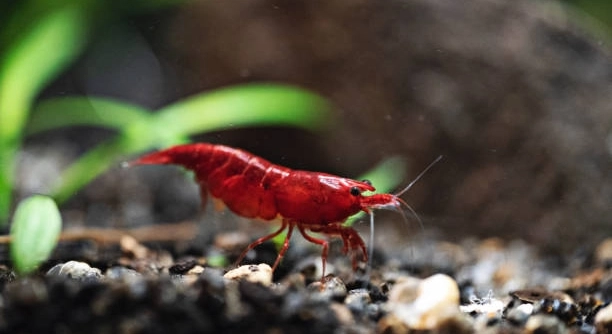
Do you ever notice your cherry shrimp swimming around your new plants but not touching them? Even when your tank looks healthy, these tiny creatures sometimes ignore fresh greenery for days or weeks. Their behavior can be confusing for hobbyists.
Cherry shrimp might avoid new plants due to unfamiliarity and chemical residues. Newly added plants often contain trace pesticides, fertilizers, or cleaning substances. Shrimp are sensitive to these compounds and may wait until the plants’ surfaces are colonized by biofilm before feeding.
Understanding why this happens can help you care for both your shrimp and plants. Observing their habits can lead to a healthier, more balanced aquarium environment.
Why Cherry Shrimp Hesitate on New Plants
When I first added new plants to my tank, I noticed my cherry shrimp completely ignoring them. They would swim around the greenery but never graze. After some research, I realized that shrimp are cautious by nature. New plants often carry chemicals from fertilizers or pesticides. Even when rinsed, tiny residues can remain on leaves or stems. Shrimp can detect these compounds and tend to avoid contact until the surfaces are safer. Another factor is biofilm. Biofilm is a thin layer of microorganisms that forms on plant surfaces over time. Shrimp feed on this layer more than the plant itself at first. Without it, they see new leaves as unfamiliar or unappealing. Over a few days or weeks, biofilm builds up naturally, making the plants more inviting. Patience and proper plant preparation can make a big difference in shrimp acceptance.
Shrimp avoidance is usually temporary and decreases as biofilm forms. Rinsing plants reduces chemical traces and encourages grazing.
Even after careful rinsing, new plants may still take time to attract shrimp. I found that lightly brushing the leaves with a soft sponge helps remove stubborn residues while also creating micro-scratches for biofilm to grow faster. Shrimp are naturally drawn to surfaces covered in microorganisms, so giving the plants a head start can speed up acceptance. In my tank, adding a few healthy, established plants nearby also helped. Shrimp felt safer exploring new greenery when familiar areas were close. It’s important to avoid harsh chemicals and extreme temperature changes, as these can stress shrimp and make them even more hesitant. By slowly introducing new plants and allowing biofilm to develop, shrimp eventually start grazing naturally. Observing them during this process taught me that patience and proper preparation are key to maintaining a balanced tank where both plants and shrimp thrive.
Preparing Plants for Shrimp
Rinsing plants thoroughly is essential before adding them to your tank. Removing dirt and debris helps reduce shrimp hesitation.
After rinsing, soaking plants in dechlorinated water for a few hours is helpful. This process removes leftover fertilizers and encourages biofilm growth. I also try to avoid plants treated with chemical sprays or fertilizers labeled “instant growth,” as these are too strong for shrimp. Once plants are in the tank, trimming damaged leaves and monitoring water parameters makes a difference. Shrimp prefer stable conditions, and sudden changes can cause them to avoid new surfaces. Regular observation allows me to see which plants are being grazed and which are ignored, giving insight into how to adjust care. Using natural methods like adding a small amount of fish food near plant bases also encourages biofilm formation. Over time, the shrimp become comfortable exploring all plants, and the tank becomes lively with grazing activity. By combining careful preparation, patience, and consistent monitoring, new plants eventually become fully integrated into the shrimp’s habitat, supporting a healthy and dynamic aquarium environment.
Shrimp Preferences and Plant Types
Some plant types are naturally less appealing to cherry shrimp. Thick, waxy leaves or smooth surfaces are harder for shrimp to cling to and graze on. Fine-leaved plants like mosses and ferns tend to attract more attention because they hold biofilm easily.
I noticed in my tank that Java moss and Marimo balls were always covered in shrimp activity. They cling to the tiny leaves and feed constantly, while thicker plants like Anubias or Amazon swords were left alone for longer. Shrimp seem to prefer surfaces that offer both texture and micro-organisms. Choosing plants with these characteristics can encourage more consistent grazing and help your shrimp feel more comfortable exploring new additions. Over time, even less preferred plants may become colonized with biofilm, making them more attractive, but initial acceptance often depends on leaf structure and texture.
Shrimp behavior is influenced by both plant type and placement. Clustering preferred plants near new additions can guide shrimp toward exploring unfamiliar greenery. I place mosses around the bases of new stems to encourage grazing. This method also helps maintain balanced growth and biofilm distribution. Observing how shrimp interact with different textures and surfaces has made me more aware of plant selection. By understanding their preferences, I can create a tank that keeps shrimp active and supports healthy plant development. Placement, texture, and biofilm presence all combine to shape shrimp behavior in predictable ways, making new plants more approachable over time.
Environmental Factors Affecting Shrimp Grazing
Water conditions have a strong effect on shrimp grazing habits. Temperature, pH, and hardness all influence activity levels and willingness to explore new plants. Keeping these parameters stable is important for consistent feeding.
In my experience, even small fluctuations in temperature can make shrimp retreat from new plants. Soft water with a neutral to slightly acidic pH is ideal for most cherry shrimp, as it promotes natural grazing behavior. Sudden changes in water chemistry, such as adding fertilizers or CO₂, can cause shrimp to avoid plants entirely until conditions stabilize. Filtration and gentle water flow also play roles; strong currents can discourage shrimp from leaving safe hiding spots. Observing shrimp behavior over time helped me adjust lighting, temperature, and flow to create a more comfortable environment. By controlling these factors, I noticed a steady increase in shrimp activity on both new and established plants. Consistency in the tank environment allows shrimp to feel secure, reducing hesitation and supporting overall plant interaction.
Plant Acclimation Techniques
Rinsing and soaking new plants helps shrimp feel safe. I always let plants sit in dechlorinated water for several hours before adding them. This reduces chemical traces and gives biofilm a head start.
Trimming damaged leaves and removing excess soil also makes plants more appealing. Healthy, clean surfaces attract shrimp faster and encourage early grazing.
Encouraging Biofilm Growth
Adding a small amount of fish food near new plants can help biofilm form quickly. In my tank, sprinkling a pinch of flakes on leaves created a thin layer of microorganisms within days. Shrimp are drawn to these surfaces and start feeding almost immediately, reducing their hesitation.
Observation and Adjustment
I watch my shrimp daily to see which plants they explore first. Adjusting plant placement or adding more textured greenery can guide them toward new additions.
Avoiding Stress Factors
Rapid water changes or strong currents can make shrimp avoid plants. Keeping conditions stable encourages natural grazing behavior and supports shrimp health.
Why are my cherry shrimp ignoring new plants?
Cherry shrimp are naturally cautious around unfamiliar surfaces. New plants often carry trace chemicals from fertilizers or pesticides, which shrimp can detect. Even after rinsing, these residues may remain, making shrimp hesitant to graze. Biofilm, a thin layer of microorganisms, needs time to develop on leaves, which is their preferred food source. Shrimp will usually start feeding once this biofilm has formed and they feel the surface is safe.
How long does it take for shrimp to accept new plants?
In my experience, shrimp usually begin exploring new plants within a few days to a couple of weeks. The speed depends on the plant type, presence of biofilm, and water conditions. Mosses and fine-leaved plants are often accepted faster because they trap biofilm easily. Waxy or smooth leaves take longer for microorganisms to colonize. Maintaining stable temperature, pH, and water flow also speeds up shrimp acceptance. Patience is key, as forcing interaction may stress them and slow the process.
What plants do cherry shrimp prefer?
Cherry shrimp are attracted to plants with fine textures or dense surfaces where biofilm can easily grow. Java moss, Marimo balls, and small ferns are excellent choices. These plants provide secure surfaces for grazing and hiding. Shrimp may ignore plants with thick, waxy leaves at first, but over time, biofilm growth can make even these acceptable. Placement also matters; clustering preferred plants near new additions can encourage shrimp to explore unfamiliar greenery.
Do chemicals in new plants harm shrimp?
Yes, chemicals like fertilizers, pesticides, or even cleaning agents on plant surfaces can irritate or stress shrimp. Even trace amounts can cause avoidance behavior. Rinsing and soaking new plants in dechlorinated water reduces chemical residues. Avoid plants treated with strong growth products or sprayed chemicals. Using natural and safe plant sources is the best approach for healthy shrimp behavior and long-term survival.
How can I speed up biofilm growth on new plants?
Biofilm is crucial for shrimp to start grazing on new plants. Adding a small amount of fish food or yeast near new leaves can encourage microorganism growth. Lightly brushing plant surfaces or soaking them in tank water for several hours can also help. Keeping the tank at stable temperature and pH supports biofilm development. Observing the leaves for a thin coating indicates that shrimp will soon feel comfortable grazing.
Does plant placement affect shrimp grazing?
Yes, plant placement greatly influences shrimp behavior. Shrimp feel safer exploring new plants when familiar or preferred plants are nearby. Placing dense moss or Marimo balls near new stems encourages them to venture out. Avoid putting plants in areas with strong currents or bright light that can stress shrimp. By strategically arranging plants, you can guide shrimp toward new greenery and reduce hesitation.
Can water conditions make shrimp avoid plants?
Absolutely. Sudden temperature changes, pH swings, or strong currents can cause shrimp to retreat from plants. I keep my tank conditions stable to promote natural grazing. Gentle filtration and moderate water flow encourage shrimp to explore rather than hide. Maintaining stable, comfortable water parameters is essential for both shrimp activity and plant acceptance.
What should I do if shrimp still ignore plants?
If shrimp continue to avoid new plants, check for chemical residues, insufficient biofilm, or stress from water conditions. Try adding biofilm-covered plants nearby or lightly sprinkling food on leaves. Ensure temperature, pH, and water hardness are consistent. Sometimes shrimp simply need more time. Observation and small adjustments usually resolve the issue, allowing shrimp to eventually graze confidently.
Do shrimp eventually eat all plants?
Shrimp mainly feed on biofilm and algae rather than the plants themselves. Over time, they may graze lightly on leaves, but they generally do not damage healthy plants. Providing a mix of plant types ensures they have plenty of surfaces for feeding without harming your tank’s greenery. Biofilm development and plant texture determine grazing patterns.
Are there signs that shrimp are stressed by new plants?
Yes, stressed shrimp may hide more, remain motionless, or avoid exploring new areas. They may also cluster in familiar plants. This behavior is usually temporary if water conditions are stable and biofilm is allowed to develop. Regular observation helps identify stress early and allows corrective actions, like adjusting plant placement or water parameters, to support shrimp health.
This FAQ covers the most common concerns I’ve noticed while introducing new plants to a shrimp tank. Observing shrimp habits, preparing plants carefully, and maintaining stable water conditions usually ensures smooth acceptance and healthy grazing behavior.
Cherry shrimp are delicate creatures, and their behavior around new plants can seem confusing at first. From my experience, they are naturally cautious, especially when introduced to unfamiliar greenery. New plants often carry tiny amounts of chemicals or residues from fertilizers, pesticides, or even cleaning solutions. Even when plants appear clean, shrimp can detect these substances and prefer to stay away until the surfaces are safer. Biofilm, a layer of tiny microorganisms that forms naturally on plant leaves and stems, plays a major role in whether shrimp accept new plants. They feed primarily on this biofilm rather than the plant itself, so a new leaf without it can seem unappealing. Giving plants time to acclimate in the tank allows biofilm to form and gives shrimp a sense of security. Rinsing and soaking plants in dechlorinated water before adding them also helps reduce chemical traces and encourages shrimp to explore sooner.
Plant type and texture are also important factors in shrimp behavior. I have noticed that fine-leaved plants, mosses, and ferns tend to attract more shrimp activity because they provide both surface area for biofilm and places to cling safely. Thick or waxy leaves, like those of Anubias or Amazon swords, often take longer for shrimp to approach. Over time, biofilm will grow even on these surfaces, and shrimp usually begin grazing eventually. Placement matters as well. Introducing new plants near areas where shrimp already feel comfortable can make them more likely to explore. Clustering favorite plants next to new additions encourages natural movement and reduces hesitation. Observing shrimp and understanding their preferences has helped me plan my aquarium in a way that supports both plant health and shrimp activity, creating a balanced environment without forcing interaction.
Environmental stability is another key aspect of encouraging shrimp to interact with new plants. Temperature, water flow, pH, and water hardness all influence shrimp behavior. Sudden changes in these conditions can make shrimp hide or avoid plants entirely. In my tank, maintaining stable parameters and gentle water movement keeps shrimp comfortable and willing to explore. Adding small amounts of food near new leaves can accelerate biofilm growth and attract shrimp earlier, but it is important not to overfeed or disrupt water quality. Patience is essential—shrimp usually adjust gradually, and forcing changes can create stress. By taking the time to prepare plants, observing shrimp behavior, and maintaining a consistent environment, new plants can eventually become fully integrated into the tank. This approach not only encourages healthy grazing but also supports long-term shrimp and plant well-being, resulting in a lively and balanced aquarium that continues to grow naturally.

Hello,
If you enjoy the content that we create, please consider saying a "Thank You!" by leaving a tip.
Every little bit helps us continue crafting quality advice that supports the health, happiness, and well-being of pets around the world, for pets of all shapes, sizes, and species.
We really appreciate the kindness and support that you show us!