
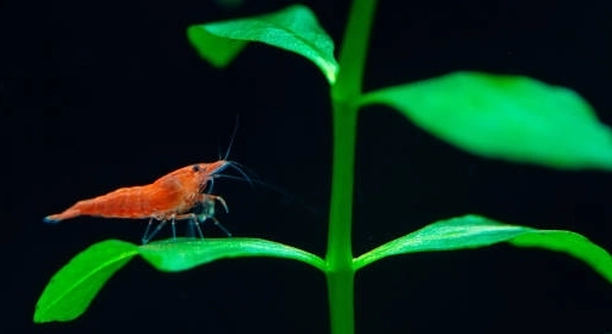
Do you ever notice your cherry shrimp moving less when the lights are on in your tank? Many shrimp owners wonder how light and darkness affect these tiny aquatic pets. Their behavior can change depending on the environment.
Cherry shrimp benefit from a daily dark period, which helps regulate their biological rhythms and reduces stress. Providing consistent light and dark cycles supports molting, feeding habits, and overall health in a controlled aquarium setting.
Maintaining the right day-night cycle is simple but important for their well-being. Learning these basics will help you keep your shrimp healthy and active.
Why a Dark Period Matters
Cherry shrimp are very sensitive to light, and too much exposure can stress them out. In their natural habitat, they experience periods of darkness that help them rest and process their environment. In an aquarium, mimicking this cycle is important for their health. Without a proper dark period, shrimp can become less active and may struggle with molting. Stress from constant light can also weaken their immune system, making them more prone to disease. Observing their behavior during light and dark phases helps you understand their needs. Providing shaded areas or turning off lights for a set period each day can make a significant difference. Over time, consistent cycles encourage regular feeding patterns and promote a calm environment. Many shrimp owners notice that shrimp appear more colorful and lively when given proper dark periods. Ensuring a balanced day-night schedule creates a healthier, more natural habitat for them to thrive in.
Cherry shrimp need about 10 to 12 hours of darkness daily. This allows them to rest and maintain regular biological functions.
Shading parts of the tank or using a timer for aquarium lights ensures your shrimp get consistent dark periods. Adjusting gradually helps them adapt without sudden stress, keeping their activity levels normal and their health stable.
How to Provide a Dark Period
Using a simple light timer is an easy way to give cherry shrimp a regular dark period. This ensures that lights turn off automatically, creating a consistent schedule without relying on memory or manual adjustments. Dark periods should mimic natural conditions, roughly 10 to 12 hours each day, allowing shrimp to rest and recover. Avoid turning the lights on and off suddenly, as abrupt changes can startle them. You can also create shaded areas using plants, rocks, or decorations, giving them optional hiding spots during the light phase. Observing their response over a week or two helps you fine-tune the timing for your specific tank setup. Some shrimp may prefer slightly longer or shorter dark periods depending on tank conditions, temperature, and species. Keeping water quality stable and avoiding excessive disturbances during dark periods reinforces their natural patterns. A consistent light-dark cycle reduces stress, encourages proper molting, and improves feeding efficiency, leading to a healthier shrimp population overall.
Signs Your Shrimp Need More Darkness
Shrimp that are overly active during the night or hide constantly may not be getting enough darkness. Stress from too much light can make them skittish and affect their feeding habits. Monitoring their activity helps you adjust light cycles.
Shrimp that lack proper dark periods may show slower growth or molting issues. Constant light can disrupt their natural rhythms, making them less efficient at eating and more prone to stress-related problems. They may cling to plants or decorations excessively and avoid open areas of the tank. Observing their behavior closely allows you to notice subtle changes in activity or coloration. Adding more shaded areas or adjusting light timers can help balance their environment. Gradual changes prevent sudden stress and allow shrimp to adapt naturally.
Providing a proper dark period supports their health and overall behavior. Even small adjustments, like reducing light hours or adding hiding spots, can improve shrimp activity, feeding, and molting patterns. Consistency is key.
Tips for Maintaining Darkness
Timers make keeping a regular dark period simple and reliable. They remove the guesswork and ensure shrimp get consistent rest. Shaded areas can supplement timers.
Using live plants, moss, or aquarium decorations creates pockets of darkness for shrimp to retreat to. Combining these with timed lights prevents overexposure and reduces stress. Gradual changes in light schedules allow shrimp to adjust comfortably, encouraging natural behavior. Observing shrimp for a week or two shows if adjustments are effective. Different species may require slightly varied dark periods, and water quality also plays a role in how they respond. Shaded areas let shrimp feel secure while maintaining activity during light periods. Regular monitoring and small adjustments ensure their environment remains healthy and predictable.
Adjusting Light for Your Tank
Gradually reducing light hours helps shrimp adapt without stress. Sudden changes can startle them, causing hiding or erratic swimming. Timers ensure a smooth transition.
Adding plants or decorations provides extra shaded areas. This allows shrimp to retreat when they feel exposed, keeping them calm and active during the day.
Recommended Dark Period Length
Most cherry shrimp thrive with 10 to 12 hours of darkness daily. This aligns with natural cycles, allowing proper rest, molting, and feeding routines. Maintaining this schedule consistently prevents stress and supports long-term health, making your shrimp more vibrant and active over time.
Monitoring Shrimp Behavior
Watch how shrimp respond to light changes. Regular observation ensures their environment meets their needs and promotes healthy, stress-free behavior.
FAQ
How long should cherry shrimp be in darkness each day?
Cherry shrimp do best with roughly 10 to 12 hours of darkness every day. This period allows them to rest, reduces stress, and supports natural behaviors like molting and feeding. Using a light timer helps maintain a consistent schedule without constant attention. Gradual adjustments to the dark period prevent stress or sudden behavior changes.
Can cherry shrimp survive with constant light?
While they might survive for a short period, constant light is stressful and unhealthy for cherry shrimp. It can disrupt their biological rhythms, slow growth, affect molting, and weaken their immune system. Providing shaded areas in addition to timed lights is beneficial for maintaining a calm, healthy tank environment.
Do cherry shrimp need complete darkness or just dim light?
Complete darkness is ideal, but dim light can sometimes be acceptable if shaded areas are available. Shrimp need a clear distinction between day and night to regulate activity, rest, and feeding. Too much light during their rest period can cause stress and irregular behavior patterns.
How do I know if my shrimp are stressed from light?
Signs include hiding excessively, clinging to decorations, reduced feeding, or unusual swimming patterns. Stress can also affect coloration, making shrimp appear dull or pale. Observing their routine and behavior over time helps identify whether light cycles are too long or intense.
Can plants and decorations help with darkness?
Yes, live plants, moss, and aquarium decorations create natural shaded areas that mimic hiding spots in the wild. These spaces give shrimp security, reduce stress, and allow them to rest even if the tank light is partially on. Combining these with timed lighting provides the best results.
What if my shrimp don’t adapt to the dark period?
Gradual adjustments are important. If shrimp resist, reduce light exposure slowly over several days, rather than making sudden changes. Monitoring behavior during the transition helps ensure they adjust comfortably. Avoid sudden full darkness, as shrimp may initially hide or act erratically.
Is a dark period more important than temperature control?
Both are essential, but darkness directly influences shrimp activity, molting, and stress levels. Temperature affects metabolism and overall health. A balanced aquarium requires attention to both factors, but neglecting proper light cycles can lead to noticeable behavior and health issues more quickly than minor temperature variations.
Do baby shrimp need the same dark period as adults?
Yes, baby shrimp benefit from consistent dark periods, though they may hide more frequently. Darkness supports growth, feeding, and stress reduction in juveniles. Ensuring shaded areas and gradual light cycles helps protect young shrimp and encourages proper development.
Can I adjust the dark period seasonally?
Small adjustments to mimic natural seasonal changes are fine, but consistency is more important than exact season replication. Drastic changes in light hours can stress shrimp. Maintaining a steady schedule with minor seasonal tweaks supports long-term health and predictable behavior.
Will increasing darkness improve shrimp coloration?
Indirectly, yes. Proper dark periods reduce stress and support molting, both of which help shrimp maintain bright, healthy colors. Stress from constant light can dull colors and affect overall appearance, so a consistent day-night cycle contributes to a more vibrant tank population.
What if my tank gets natural sunlight?
Direct sunlight can extend light exposure and cause temperature fluctuations. Using blinds or positioning the tank away from direct sun helps maintain a consistent dark period. Supplementing with timers ensures shrimp get the recommended 10 to 12 hours of darkness.
How quickly will shrimp adjust to a new light schedule?
Shrimp typically adjust over a few days to a week. Gradual changes prevent sudden stress. Observing their activity and feeding patterns during this period helps you gauge whether the new schedule is working and allows for minor adjustments as needed.
Can too much darkness be harmful?
Excessive darkness isn’t as common a problem as too much light, but very long dark periods may reduce feeding opportunities and activity. Stick to roughly 10 to 12 hours for optimal health and behavior. Small deviations are usually tolerated without negative effects.
Does tank size affect dark period needs?
Not directly, but larger tanks may have areas that naturally remain shaded, giving shrimp options to retreat. Regardless of tank size, maintaining a consistent light-dark cycle is essential for all cherry shrimp. Shaded areas complement timers for better overall conditions.
Are timers necessary for small tanks?
Timers are helpful even in small tanks. They provide consistency and reduce the chance of human error, ensuring shrimp receive a stable schedule for rest, feeding, and molting. Even minor inconsistencies can stress shrimp over time.
Can other tank inhabitants affect shrimp darkness needs?
Yes, active fish or snails can disturb shrimp during dark periods. Providing hiding spots and shaded areas allows shrimp to rest undisturbed, even if other creatures are active. Observing interactions ensures all species coexist without compromising shrimp well-being.
Is it better to gradually increase light or darkness?
Gradual changes are best for both. Sudden shifts in either direction can stress shrimp. Adjust timers or light exposure incrementally, giving shrimp time to adapt while maintaining normal feeding and activity patterns.
How important is observing shrimp behavior daily?
Daily observation helps spot stress, molting issues, or feeding changes early. Even minor behavior shifts can indicate light cycle problems. Consistent monitoring allows timely adjustments to ensure shrimp remain healthy and comfortable in their environment.
Can artificial light mimic natural conditions effectively?
Yes, using timers and proper intensity, artificial light can replicate day-night cycles. Combining this with shaded areas gives shrimp a natural-feeling environment, supporting behavior, molting, and overall health. Proper lighting setup is key for a balanced, stress-free tank.
Do shrimp need darkness during winter months?
Yes, maintaining a regular dark period is important year-round. Shrimp rely on consistent cycles rather than seasonal shifts, so even in winter, 10 to 12 hours of darkness supports normal behavior, molting, and feeding routines. Seasonal light changes are optional, not essential.
How does darkness affect shrimp feeding?
Proper dark periods regulate feeding patterns. Shrimp become more active during light phases and rest during darkness. Disrupted cycles can cause irregular eating habits, stress, and competition for food. Consistent schedules support predictable, healthy feeding behavior.
What adjustments help stressed shrimp recover?
Provide shaded areas, ensure a consistent light-dark cycle, and avoid sudden changes. Maintain stable water conditions and observe activity closely. Gradual improvements in light and environment allow shrimp to regain normal behavior and color over time.
Can darkness prevent disease?
Indirectly, yes. Stress weakens shrimp immune systems, making them more vulnerable. Regular dark periods reduce stress, support molting, and promote overall health, lowering the likelihood of disease outbreaks in the tank.
How do I combine light and plant coverage effectively?
Position plants and moss strategically to create shaded areas while using a timer for consistent light-dark cycles. This combination gives shrimp safe hiding spots, ensures adequate rest, and supports natural behavior, feeding, and molting patterns.
Are nocturnal shrimp affected differently?
Nocturnal species still benefit from regular dark periods but may be more active at night. Providing shaded retreats and consistent cycles ensures all shrimp species can rest and maintain natural rhythms.
Can I use colored lights for darkness periods?
Avoid bright colored lights during dark periods, as shrimp detect them and may perceive it as daylight. If using decorative lights, ensure they are dim or off during the designated dark period to allow proper rest and reduce stress.
Do shrimp need darkness after molting?
Yes, newly molted shrimp are vulnerable and need quiet, dark areas to harden their exoskeleton. Ensuring darkness and shaded spaces prevents stress or accidental injury, supporting successful molting and recovery.
How does darkness interact with filtration and aeration?
Proper filtration and aeration should continue during dark periods, as shrimp still require oxygenated water. Noise or turbulence can stress shrimp, so gentle flow combined with darkness creates a calm, healthy environment.
Is there a difference between freshwater and brackish shrimp?
The need for darkness is similar. Both types rely on consistent light-dark cycles to regulate activity, molting, and feeding. Adjustments may vary slightly depending on species behavior, but basic principles remain the same.
How long should I observe changes after adjusting light?
Observe shrimp for at least a week after changes. Look for feeding patterns, hiding behavior, and activity levels. Minor adjustments may be needed, but most shrimp adapt within a few days to a week of consistent light-dark scheduling.
Do night lights affect shrimp?
Yes, bright night lights can disrupt their rest. If lighting is needed for viewing, use dim, indirect lighting to avoid interfering with natural dark periods and normal behavior patterns.
Can stress from light affect reproduction?
Excessive light can reduce breeding activity. Stress affects molting and general health, which are necessary for reproduction. Maintaining proper dark periods encourages normal behavior, improving the likelihood of successful mating and healthy offspring.
Are there signs that dark periods are too short?
Shrimp may hide excessively, appear lethargic, or show molting difficulties. Feeding patterns may be irregular. Adjusting light schedules and creating shaded retreats helps restore balance and normal behavior.
What equipment is best for controlling light?
Timers combined with adjustable LED lights offer precise control. Adding plants and decorations enhances shaded areas, supporting both consistent cycles and natural retreat spaces for shrimp.
Can light affect algae growth?
Yes, too much light encourages algae, which can compete with shrimp for oxygen and nutrients. Proper dark periods help control algae growth while supporting shrimp health and normal behavior.
How does darkness affect shrimp molting?
Dark periods reduce stress and allow shrimp to molt more efficiently. Molting is energy-intensive, and a calm, dark environment supports successful exoskeleton shedding and recovery.
Can sudden light exposure harm shrimp?
Yes, abrupt changes can cause stress, erratic swimming, or hiding. Gradual adjustments using timers and shaded areas prevent shock and promote calm, predictable behavior patterns.
Is darkness important for older shrimp?
Yes, older shrimp still rely on proper light-dark cycles. Consistent darkness reduces stress, supports molting when needed, and maintains healthy feeding and activity patterns, contributing to longevity and vitality.
Do shrimp need darkness even in heavily planted tanks?
Yes, even with dense plants, timers are necessary. Plants provide shade, but consistent day-night cycles ensure predictable rest, feeding, and molting, supporting overall health and stress reduction.
How do I combine darkness with feeding schedules?
Feed during light periods when shrimp are most active. Darkness supports rest, so offering food at night may go uneaten. Consistent feeding during active hours ensures proper nutrition and reduces waste accumulation in the tank.
Can stress from light be reversed?
Yes, adjusting light cycles, providing shaded areas, and maintaining stable water conditions can reduce stress. Gradual changes allow shrimp to regain normal behavior, activity, and coloration over time.
How do I know the dark period is working?
Shrimp should show normal feeding, molting, and activity patterns. They hide less during the day, appear vibrant, and maintain healthy coloration. Consistency in behavior indicates proper light-dark scheduling.
Can I combine darkness with other stress-reduction methods?
Yes, stable water parameters, gentle filtration, shaded areas, and minimal disturbances all complement proper dark periods. Together, these factors create a calm, healthy environment for cherry shrimp to thrive.
Is there a difference in light sensitivity between males and females?
Females may hide more, especially when carrying eggs, but both sexes require consistent dark periods. Adjusting shaded areas and light schedules benefits all shrimp equally, supporting activity, feeding, and reproduction.
Do shrimp need darkness when breeding?
Yes, proper dark periods reduce stress and encourage mating behavior. Consistent light-dark cycles support healthy reproduction and successful development of juveniles in the tank.
Can aquarium decorations interfere with light schedules?
Decorations themselves don’t interfere but can create uneven lighting if improperly placed. Position plants and ornaments to provide consistent shaded areas while ensuring timers maintain a regular overall schedule.
How important is consistency compared to exact dark period length?
Consistency matters more than precise hours. Minor variations are acceptable, but regular day-night cycles prevent stress, support molting, feeding, and reproduction, and help shrimp adapt naturally to their environment.
Does light color affect shrimp?
Bright white or blue light is more noticeable to shrimp, while dim or red lighting has less impact during dark periods. Avoid bright colors during rest to prevent stress and maintain natural behavior.
Can I use darkness to manage aggressive tank mates?
Yes, shaded areas and timed dark periods allow shrimp to retreat safely. Darkness reduces interactions and stress from more active or aggressive species, supporting calmer behavior and better overall health.
How do I combine darkness with tank maintenance?
Perform maintenance during light periods to avoid disturbing shrimp during their rest. Keeping cleaning routines predictable and gentle minimizes stress while maintaining water quality and habitat health.
Will darkness alone keep shrimp healthy?
No, but it is a key factor. Proper dark periods combined with stable water, good nutrition, and adequate hiding spaces create the healthiest environment for cherry shrimp. Consistency in all aspects ensures well-being and longevity.
How long should I wait to see results after adjusting light?
Behavior and stress levels often improve within a few days to a week. Color and molting may take longer. Gradual, consistent adjustments allow shrimp to adapt fully without causing additional stress.
Are there signs that dark periods are too long?
Shrimp may feed less, stay hidden excessively, or show reduced activity. Minor variations are tolerated, but extreme darkness can limit feeding opportunities. Balancing rest with activity periods is essential for optimal health.
Can I rely on natural light for dark periods?
Natural light alone is unpredictable and can vary daily. Using timers ensures consistent dark periods, which are more important for stress reduction, molting, and feeding than relying solely on sunlight.
How do I balance darkness with plant growth?
Plants need light, shrimp need darkness. Use timers to provide sufficient light for plants while ensuring 10 to 12 hours of darkness for shrimp. Dense planting helps create shaded retreats, supporting both plant growth and shrimp health.
Does darkness help reduce predation in mixed tanks?
Yes, shaded areas and regular dark periods give shrimp a safe retreat from more active or predatory tank mates. This reduces stress, prevents injury, and encourages natural hiding and feeding behaviors.
Is there a difference between LED and fluorescent light for dark periods?
LED lights offer precise control and timers, making them ideal. Fluorescent lights can work but may be harder to adjust. Consistent on-off cycles are more important than light type for effective dark periods.
Can I measure stress related to light?
Stress is mostly observed through behavior: hiding, lethargy, reduced feeding, or pale coloration. Consistent observation during day and night helps identify light-related stress and informs adjustments.
Should I adjust dark periods for night-time feeding?
Feeding at night is optional, but shrimp feed best during light periods. Extending light for feeding can be done briefly, but maintain overall 10 to 12 hours of darkness for proper rest and stress reduction.
Do shrimp sleep during dark periods?
Shrimp don’t sleep like mammals, but they enter a restful state with reduced activity. Darkness supports this rest, allowing molting, recovery, and energy conservation for feeding and normal behavior during light periods.
Can stress from light cause long-term health issues?
Yes, prolonged stress from improper light cycles can reduce molting efficiency, affect coloration, weaken immunity, and decrease reproductive success. Maintaining consistent dark periods prevents these problems.
How does tank size influence dark period management?
Larger tanks may need more shaded spots, but consistent timed dark periods remain essential for all tank sizes. Combining timers with natural shaded areas ensures even distribution of darkness and stress reduction.
Can I combine darkness with background dimming?
Yes, dimming lights gradually at the start of the dark period can ease the transition and reduce stress. Abrupt on-off switches can startle shrimp, so gradual dimming is preferred.
Do cherry shrimp prefer total darkness or low light for resting?
Total darkness is ideal, but shaded areas can allow low light retreats. The key is a clear difference between day and night, supporting natural resting, feeding, and molting behavior.
Will adding moss or plants reduce stress better than increasing darkness?
Both help. Moss and plants provide shaded retreats, while timed darkness ensures consistent rest periods. Combining them offers the best results for stress reduction, activity regulation, and overall health.
Does darkness affect oxygen levels?
No, as long as filtration and aeration continue. Darkness affects behavior and rest, not oxygen. Gentle water movement ensures shrimp remain comfortable during dark periods.
Can darkness improve molting success?
Yes, calm, dark environments reduce stress and support proper exoskeleton shedding, improving molting success and recovery times.
Is nighttime observation stressful for shrimp?
Bright lights for observation can be stressful. Use dim or indirect lighting to minimize disruption while observing shrimp during their dark period.
Should I combine darkness with temperature stabilization?
Yes, stable temperature supports metabolic function, while darkness supports rest and stress reduction. Together they create optimal conditions for shrimp health, activity, and molting.
Can darkness reduce aggression in community tanks?
Yes, shaded areas and consistent dark periods give shrimp safe retreats, reducing conflicts and stress from more active or aggressive tank mates.
Do shrimp need darkness during acclimation?
Yes, providing shaded areas and consistent dark periods during acclimation helps reduce stress and encourages normal behavior in a new environment.
Can aquarium decorations block too much light?
They can create uneven light distribution. Proper placement ensures shrimp have shaded retreats while maintaining a regular, predictable overall light-dark cycle.
How do I balance plant growth, algae control, and darkness?
Use timers for consistent light-dark cycles, provide shaded areas for shrimp, and monitor algae. Balanced lighting supports plants without stressing shrimp or encouraging excessive algae growth.
Is it okay to slightly vary dark periods daily?
Minor variations are tolerated, but large fluctuations can stress shrimp. Consistency matters more than exact timing, keeping behavior, feeding, and molting regular.
Does darkness affect shrimp coloration immediately?
No, improvements in color occur gradually as stress decreases and molting cycles normalize. Consistent dark periods over days to weeks contribute to vibrant, healthy appearance.
Can too much light mimic a predator threat?
Yes, constant bright light can make shrimp feel exposed, causing hiding, stress, and reduced activity. Providing proper dark periods helps them feel safe and behave naturally.
Should I adjust darkness for different shrimp species?
Basic dark period requirements are similar, but observing each species’ behavior allows fine-tuning for optimal rest, molting, and activity.
Can I rely on plant shading alone for darkness?
Shading helps, but timers are essential. Plants create retreats, but consistent light-dark cycles are necessary for stress reduction, molting, and feeding patterns.
Does darkness influence shrimp lifespan?
Indirectly, yes. Proper
Cherry shrimp are small, delicate creatures that respond strongly to their environment. One of the most important factors for their health is the balance between light and dark in their aquarium. Proper dark periods help regulate their activity, molting, and feeding patterns. When shrimp have a consistent cycle of light and darkness, they tend to be calmer, more active during feeding times, and healthier overall. In contrast, too much light can stress them, cause hiding behavior, and affect their growth and coloration. By paying attention to their natural rhythms and providing a regular dark period, you create an environment that supports their well-being in a simple and effective way.
A daily dark period is not just about turning off the lights; it’s about replicating natural conditions as closely as possible. Cherry shrimp evolved in habitats where day and night cycles were consistent, and their bodies rely on these signals to function properly. Without darkness, their biological rhythms can be disrupted, which can affect molting, reproduction, and feeding behavior. Introducing a timer or using shaded areas ensures that the shrimp have a predictable period of rest. This consistency reduces stress and encourages natural behavior, which is particularly important if you want your shrimp to breed successfully or display bright, healthy colors. Small adjustments, like gradually increasing or decreasing light hours, can help shrimp adapt smoothly without sudden changes that might startle them.
In addition to timers and shading, observing your shrimp regularly is key to understanding their needs. Watch how they move, where they hide, and when they feed. Changes in behavior, such as excessive hiding, slow molting, or dull coloration, can indicate that the light-dark cycle is not balanced correctly. Providing proper darkness, along with clean water, stable temperature, and adequate nutrition, creates a low-stress environment that encourages healthy growth and natural behavior. Over time, you will notice your shrimp becoming more active, colorful, and comfortable in their tank. Paying attention to these details may seem small, but they have a significant impact on shrimp well-being. A consistent dark period, combined with careful observation, is a simple and reliable way to support the health and happiness of cherry shrimp in any home aquarium.

Hello,
If you enjoy the content that we create, please consider saying a "Thank You!" by leaving a tip.
Every little bit helps us continue crafting quality advice that supports the health, happiness, and well-being of pets around the world, for pets of all shapes, sizes, and species.
We really appreciate the kindness and support that you show us!