
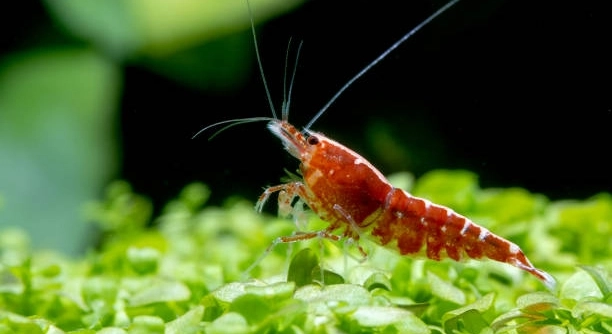
Cherry shrimp are delicate creatures that often show subtle signs when their health declines. Observing their behavior closely can help owners identify distress early and provide timely care to prevent further complications in the aquarium.
When cherry shrimp are dying, they typically display lethargy, loss of appetite, color fading, unusual swimming patterns, hiding excessively, reduced molting, and sometimes erratic movement. These indicators reflect underlying stress, illness, or poor water conditions affecting their survival.
Recognizing these signs early allows you to take appropriate steps to improve their environment and care, potentially giving them a better chance at recovery.
Lethargy and Reduced Movement
When a cherry shrimp is approaching the end of its life, one of the most noticeable signs is lethargy. They may spend long periods sitting in one spot, barely moving their legs or antennae. This slow, almost lazy behavior is very different from their usual energetic activity around the tank. Healthy shrimp are constantly exploring, grazing on algae, and interacting with their environment. A dying shrimp, on the other hand, may just hover in corners, cling to plants, or rest on the substrate without any clear purpose. This reduction in movement can also make them more vulnerable to stress or predation in the tank, even from other shrimp. Observing their behavior closely can provide early warnings before the situation becomes critical.
Lethargy is often accompanied by a decrease in responsiveness to stimuli, which signals a decline in health and vitality.
Noticing this change can help you adjust care, including water quality, diet, and tank conditions, to either improve their comfort or prevent the problem from affecting other shrimp. By paying attention to these small behavioral cues, you can better manage their environment and potentially provide a calmer, less stressful setting in their final days.
Loss of Appetite
A dying cherry shrimp often stops eating, leaving uneaten food behind.
Loss of appetite is one of the earliest and clearest signs that something is wrong. Healthy shrimp are typically active foragers, constantly nibbling on algae, biofilm, and supplementary foods provided in the tank. When a shrimp suddenly ignores food, it may indicate illness, stress, or water quality issues. This behavior is not just a simple preference change but a reflection of their declining internal health. If multiple shrimp in the tank stop eating, it may also point to environmental problems such as incorrect pH, high ammonia levels, or temperature fluctuations that need immediate correction.
To respond effectively, ensure that water parameters are within optimal ranges and remove leftover food to prevent bacterial growth. Providing a calm and stable environment can sometimes encourage a weak shrimp to eat again. Monitoring each shrimp individually allows you to spot early problems and take action to improve their quality of life. Maintaining a proper diet for the remaining shrimp helps keep the tank ecosystem balanced and reduces the spread of potential health issues.
Color Fading
Color fading in cherry shrimp is often subtle but noticeable over time. Their bright red or orange tones may dull, becoming pale or translucent.
Color loss usually indicates stress, poor water quality, or internal health decline. Shrimp rely on their vibrant colors for signaling and mating, and fading suggests a lack of nutrients or weakened immune function. Factors like high ammonia, nitrate spikes, or insufficient diet can accelerate this process. Observing these changes early can help you adjust feeding routines, enhance water conditions, and provide a more stable environment to reduce further stress and health deterioration.
It’s important to remember that color fading is not just cosmetic. A shrimp losing its coloration often coincides with lethargy, hiding, or reduced appetite. Ensuring optimal tank parameters, proper nutrition, and minimal stressors can sometimes slow this decline. Tracking individual shrimp color and behavior allows for timely interventions, making it easier to maintain overall tank health and comfort for the remaining shrimp.
Hiding Excessively
Shrimp that are dying often spend long periods hiding in decorations, plants, or substrate. Their behavior shifts from exploring to avoiding open areas almost entirely.
Excessive hiding is a response to weakness or discomfort. Shrimp feel vulnerable when their health declines and instinctively seek safety. While some hiding is normal, persistent concealment often signals that they are not well. Factors such as poor water conditions, aggression from tank mates, or internal illness can drive this behavior. Monitoring where and how long they hide can help identify specific triggers and adjust the tank environment to minimize stress.
Providing adequate hiding spots is essential, but observing shrimp that isolate themselves excessively indicates a problem. Adjustments like improving water quality, checking temperature stability, and ensuring proper nutrition may encourage more natural behavior. Even subtle changes, such as reducing tank noise or limiting sudden movements near the aquarium, can reduce stress. Tracking patterns of hiding helps differentiate between normal behavior and a shrimp nearing the end of life, ensuring that any interventions are appropriate and timely.
Erratic Swimming
Shrimp that are dying may swim in an unusual, jerky, or erratic manner. They often lose coordination and may bump into objects or float uncontrollably.
This behavior is usually a result of weakness, stress, or nervous system issues caused by poor water conditions, illness, or aging.
Difficulty Molting
Molting becomes increasingly difficult for shrimp nearing the end of their life. They may struggle to shed their old exoskeleton, which can lead to incomplete molts or injury.
Molting is essential for growth and overall health, and repeated difficulties indicate serious health decline. Stress, nutrient deficiencies, or water imbalances are common contributing factors that prevent smooth molting.
Reduced Interaction
Dying shrimp often withdraw from their tank mates and avoid usual social behaviors.
Reduced interaction signals weakness and a focus on conserving energy. Shrimp may remain isolated, avoiding group grazing or communal activities. This change often accompanies lethargy, hiding, and loss of appetite, reflecting their declining health.
FAQ
How can I tell if my cherry shrimp is dying?
You can notice a combination of signs including lethargy, color fading, loss of appetite, hiding excessively, erratic swimming, difficulty molting, and reduced interaction. Observing these behaviors over time helps determine whether a shrimp is simply stressed or approaching the end of its life.
Why do cherry shrimp lose their color?
Color loss is often linked to stress, illness, poor water quality, or nutritional deficiencies. Healthy shrimp maintain bright red or orange tones, so fading is a visible indicator that their environment or diet may need adjustment to support overall health.
Can water quality really affect shrimp survival?
Yes, water quality is critical. High ammonia, nitrite, nitrate, or extreme pH levels can stress or kill shrimp. Maintaining stable parameters, performing regular water changes, and monitoring temperature can prevent health issues and improve lifespan.
What should I do if my shrimp stops eating?
A sudden loss of appetite signals stress or illness. Check water conditions, remove leftover food, and provide high-quality shrimp foods. Sometimes shrimp may recover if the environment improves, but persistent refusal to eat usually indicates serious health decline.
Is hiding a normal behavior for shrimp?
Some hiding is natural, but excessive hiding often indicates stress or declining health. Monitor their behavior alongside other signs like lethargy, color changes, and reduced interaction to understand whether the shrimp is unwell.
How does molting affect shrimp health?
Molting is essential for growth and maintaining a strong exoskeleton. Difficulty molting can result from poor nutrition, stress, or water imbalances. Frequent molting issues are a serious sign of health decline and need immediate attention to prevent injury or death.
Can I save a dying shrimp?
It depends on the cause. Immediate steps include checking water parameters, improving nutrition, and reducing stress. Some shrimp may recover temporarily, but advanced illness or age-related decline may make recovery unlikely. Early intervention is the key to giving them a chance.
Do shrimp show signs of pain or discomfort?
Shrimp do not show pain like mammals, but behavior changes—such as lethargy, hiding, erratic swimming, or reduced feeding—indicate distress. These signs reflect environmental issues or internal health problems that need addressing for their well-being.
Why do some shrimp die suddenly without showing signs?
Sudden death can occur from extreme water fluctuations, contamination, disease, or old age. Even healthy-looking shrimp may have underlying issues not immediately visible. Consistent monitoring and maintaining stable conditions reduces the risk of unexpected losses.
Can tank mates affect a shrimp’s health?
Yes, aggressive or overly active tank mates can stress shrimp, leading to hiding, loss of appetite, or injury. Ensuring a peaceful environment and providing hiding spaces helps reduce stress and supports shrimp health, particularly for weaker or dying individuals.
How long do cherry shrimp usually live?
Cherry shrimp generally live 1.5 to 2 years under good conditions. Poor water quality, inadequate nutrition, or stress can shorten their lifespan, while optimal care may extend their life and maintain healthy behavior patterns.
What are common signs of disease in shrimp?
Symptoms include discolored spots, lethargy, abnormal swimming, failure to molt properly, and loss of appetite. Prompt identification and correction of water issues or nutrition can sometimes reduce the impact, though advanced illness may be fatal.
How can I make dying shrimp more comfortable?
Maintain stable water conditions, reduce disturbances, provide hiding places, and avoid overfeeding. Gentle care ensures that their remaining time is less stressful, even if recovery is not possible.
Is it normal for multiple shrimp to die at the same time?
Mass deaths usually point to water quality problems, disease outbreaks, or toxins. Immediate testing and intervention are critical to protect the remaining shrimp and prevent further losses.
What preventive measures keep shrimp healthy?
Regular water testing, consistent feeding with balanced nutrition, temperature stability, adequate hiding spaces, and monitoring behavior help prevent stress and illness, supporting long-term health and vitality.
Can diet affect shrimp longevity?
Yes, a varied diet rich in nutrients helps maintain color, molting ability, and overall resilience. Poor nutrition can lead to weakened immunity, increased stress, and premature death. Providing algae, biofilm, and high-quality shrimp food is essential.
How often should I check on my shrimp?
Daily observation is ideal to catch early signs of stress or illness. Even small changes in behavior, color, or appetite can indicate environmental issues that need adjustment. Regular monitoring allows timely intervention and care.
Are older shrimp more prone to dying?
Age naturally reduces resilience. Older shrimp may show slower movement, difficulty molting, and faded color. Proper care can ease their decline, but age-related health issues are inevitable.
Do shrimp need specific water parameters to thrive?
Yes, cherry shrimp prefer stable pH, temperature, and clean water. Fluctuations or extreme values can quickly stress or kill them. Consistent monitoring and gentle adjustments are essential for their survival.
How can I reduce stress in a shrimp tank?
Limit aggressive tank mates, provide hiding spots, maintain stable water conditions, avoid sudden changes, and feed consistently. Minimizing stress supports natural behavior, improves appetite, and can reduce premature deaths.
Final thoughts on caring for cherry shrimp highlight the importance of observation and consistency. These tiny creatures are sensitive to changes in their environment, and small shifts in water quality, temperature, or diet can have a significant impact on their health. By watching their behavior closely, such as swimming patterns, hiding habits, color, and appetite, you can detect early warning signs that something is wrong. Even subtle changes, like reduced activity or occasional hiding, may indicate stress or illness that requires attention. Being proactive allows you to correct issues before they become severe, giving your shrimp the best possible chance to thrive. Consistency in care is crucial because cherry shrimp are resilient only when their environment remains stable.
Water quality remains one of the most critical factors in shrimp health. Parameters like ammonia, nitrite, nitrate, and pH need to be kept within safe ranges, and fluctuations can cause stress or even death. Regular water testing and partial water changes help maintain stability. Temperature is also essential; sudden changes can weaken shrimp and make them more susceptible to disease. In addition, a balanced diet supports growth, molting, and vibrant color. Shrimp rely on algae, biofilm, and high-quality commercial foods to meet their nutritional needs. Neglecting diet can lead to fading coloration, weak shells, and decreased immunity. Providing hiding spots and minimizing disturbances also reduces stress, allowing shrimp to behave naturally and remain active. Observing and adjusting these environmental and dietary factors consistently will support long-term health and reduce the likelihood of sudden health issues.
Understanding the signs of a dying shrimp helps manage expectations and improve overall care. When shrimp show lethargy, hiding, color fading, loss of appetite, erratic swimming, or molting difficulties, it signals underlying problems that should be addressed promptly. While not every shrimp can be saved, improving conditions can sometimes extend life or at least make their final days less stressful. Paying attention to individual shrimp behavior is important, even in a larger tank, because one shrimp’s decline can indicate broader tank issues. Maintaining proper water quality, providing nutritious food, and offering a calm environment help protect the remaining shrimp and prevent further losses. Caring for cherry shrimp requires patience, observation, and consistency, but the effort results in a healthier, more active, and visually vibrant tank that reflects the benefits of attentive care.

Hello,
If you enjoy the content that we create, please consider saying a "Thank You!" by leaving a tip.
Every little bit helps us continue crafting quality advice that supports the health, happiness, and well-being of pets around the world, for pets of all shapes, sizes, and species.
We really appreciate the kindness and support that you show us!