
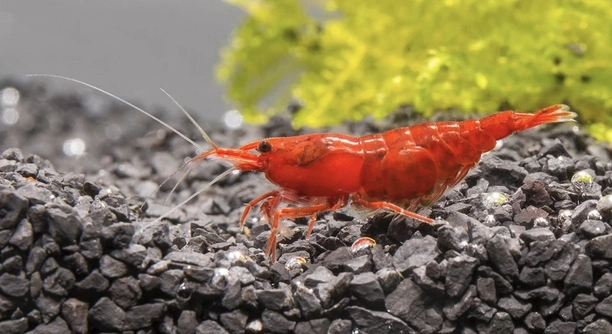
Are your cherry shrimp looking less vibrant than usual, leaving your aquarium feeling a little dull? Maintaining their bright coloration can sometimes be tricky, as various subtle factors in their environment and care routines influence their appearance.
Cherry shrimp dullness is commonly caused by improper water parameters, insufficient diet, stress from tank mates, poor lighting, inadequate hiding spaces, aging, and molting issues. Each factor can impact pigmentation, behavior, and overall health, resulting in noticeably faded coloration over time.
Understanding these causes will help you improve their environment and restore their natural vibrancy, ensuring your shrimp remain healthy and visually appealing in your aquarium.
Improper Water Parameters
Cherry shrimp are very sensitive to their water environment. Factors like pH, hardness, and temperature play a big role in their coloration. When water conditions are not stable, shrimp can lose vibrancy, become stressed, and even show slowed growth or reduced activity. Ammonia and nitrite spikes are especially harmful, as they affect both health and pigment. Regular testing is essential to ensure parameters stay within safe ranges. Even small fluctuations over time can cause dullness, so consistency is key. I learned that gradual adjustments, rather than sudden changes, prevent shock and support coloration recovery. Filtration, water changes, and careful observation all contribute to keeping water optimal. Paying attention to these details can make a noticeable difference in your shrimp’s brightness and behavior, helping them feel comfortable and secure in their tank.
Maintaining stable water conditions keeps shrimp healthy, reduces stress, and supports bright coloration. Regular monitoring is crucial.
Consistent water quality allows cherry shrimp to thrive. Sudden shifts in pH or temperature can lead to stress, impacting their color and overall vitality. Using a reliable testing kit and performing scheduled water changes minimizes fluctuations. Proper filtration removes toxins and maintains clarity, while adjusting hardness supports natural pigment expression. Observing behavior during changes helps detect early signs of stress. Even minor improvements in water stability can make shrimp appear more vibrant. Healthy water conditions encourage normal molting and feeding patterns, which are linked to brighter coloration. Over time, this approach strengthens immunity and enhances their natural reds and oranges, creating a visually appealing tank that reflects careful care.
Insufficient Diet
Cherry shrimp require a balanced diet to maintain coloration and health. Foods rich in carotenoids, proteins, and vegetables directly affect pigmentation and overall vitality. Neglecting dietary needs can cause faded colors and slow growth, making shrimp appear less lively in the tank.
A nutrient-rich diet supports vibrant color and active behavior, ensuring shrimp remain healthy.
Feeding shrimp a varied diet is essential. Commercial shrimp foods fortified with carotenoids boost red and orange hues, while blanched vegetables provide fiber and essential nutrients. Occasional protein supplements, like brine shrimp or daphnia, support growth and molting. Consistency in feeding promotes stable color expression. Overfeeding can pollute water, so careful portioning is important. Observing shrimp eating habits helps identify preferences and ensures all individuals get nutrition. Supplementing with natural color enhancers improves vibrancy, while maintaining clean water prevents dullness caused by stress. A well-rounded diet creates lively, healthy shrimp that display their natural shades beautifully.
Stress from Tank Mates
Stress from aggressive or overly active tank mates can dull cherry shrimp colors. Constant chasing or competition for food reduces their vibrancy and may cause hiding behavior, affecting overall health.
Keeping shrimp with peaceful species is crucial for maintaining color. Stress triggers hormone changes, leading to fading and lethargy. Shrimp need quiet spaces where they can feed and molt safely. Overcrowded tanks increase tension and reduce access to food, worsening dullness. Observing interactions helps identify stress sources. Providing plenty of hiding spots, like plants and decorations, allows shrimp to retreat when needed. Avoiding aggressive fish ensures shrimp remain active and brightly colored. Gradual introduction of new tank mates minimizes disruption and preserves natural vibrancy.
Even minor stress can impact coloration. Chronic exposure to aggressive tank mates slows growth and can lead to faded shells. Shrimp may skip feeding or molting cycles when stressed, which further dulls their appearance. Ensuring proper territory, hiding areas, and compatible companions creates a calmer environment, helping colors recover. Regular observation helps identify subtle behavioral changes, allowing early intervention before health declines. Maintaining a peaceful community tank is as important as water quality and diet in supporting bright, active shrimp.
Poor Lighting
Cherry shrimp need consistent lighting to maintain their color. Too little light can reduce pigmentation, while intense light may stress them. Proper lighting cycles simulate natural conditions.
Balanced lighting enhances pigment expression. Natural daylight spectrum or aquarium-specific lights support color development. Light intensity and duration affect activity levels, feeding, and molting. Too strong or prolonged light can cause hiding and stress, dulling appearance. Adjusting placement and timing improves visibility and vibrancy. Regular light cycles of 8–10 hours are often sufficient. Using timers prevents irregular schedules. Light interacts with plants, helping maintain a healthy environment that indirectly supports shrimp coloration. Choosing the right balance is essential for maintaining bright, lively shrimp.
Lighting directly influences behavior and color expression. Inadequate or excessive light disrupts circadian rhythms, causing stress and hiding, which affects feeding and molting. Plants also rely on lighting, impacting water quality and shrimp comfort. Proper lighting supports metabolism, encourages natural coloration, and creates an appealing tank display. Observing shrimp under different light conditions helps identify the optimal setup. Combining correct intensity, spectrum, and duration ensures colors remain vivid and shrimp stay active. Gradual changes in lighting prevent shock and stress, making it easier for shrimp to adapt. Over time, consistent lighting improves pigment retention and overall health, creating a lively, colorful environment.
Inadequate Hiding Spaces
Shrimp need plenty of hiding spots to feel secure. Without plants, moss, or decorations, they become stressed, which can lead to faded coloration and reduced activity.
Hiding spaces reduce stress and encourage natural behavior. Dense foliage and small caves allow shrimp to molt safely and recover, supporting brighter colors over time.
Aging
As cherry shrimp grow older, their colors naturally fade. Older shrimp often appear less vibrant even in optimal conditions, which is a normal part of their life cycle.
Aging affects pigment production and activity. While diet and water quality still matter, older shrimp will show gradual dullness that is largely unavoidable. Providing a comfortable environment helps maintain health and color for as long as possible.
Molting Issues
Problems with molting, like incomplete or irregular shedding, can cause shrimp to lose color. Stress, poor nutrition, and improper water conditions are common contributors.
Molting is essential for growth and color regeneration. Supporting regular molting cycles through diet, stable water parameters, and minimal stress encourages healthy, brightly colored shrimp.
FAQ
Why are my cherry shrimp losing color suddenly?
Sudden color loss is often linked to stress, poor water conditions, or a recent change in diet. Rapid shifts in pH, temperature, or hardness can shock shrimp, causing them to appear dull. Aggressive tank mates or overcrowding can also trigger immediate fading. Observing their environment and recent changes helps pinpoint the cause. Gradual adjustments and stable conditions often restore coloration over time.
How can I improve the color of my cherry shrimp?
Enhancing diet with foods high in carotenoids, such as spirulina or specially formulated shrimp pellets, encourages bright red and orange hues. Maintaining consistent water parameters, proper lighting, and sufficient hiding spaces also supports natural pigmentation. Avoid overfeeding or sudden environmental changes that may stress shrimp and reduce color expression.
Can water quality alone affect shrimp coloration?
Yes, water quality directly impacts shrimp color. High ammonia, nitrite, or nitrate levels stress shrimp, dulling their colors. Stable pH and hardness are essential for pigment production. Frequent testing, partial water changes, and proper filtration help maintain an optimal environment that supports vibrant colors.
Does molting affect how bright my shrimp look?
Molting temporarily affects appearance. Shrimp may appear pale or dull before and immediately after molting, as new shells are soft and less pigmented. Ensuring a proper diet and safe environment encourages healthy, regular molts, allowing shrimp to regain bright coloration once their shells harden.
Are older shrimp naturally less colorful?
Yes, aging reduces pigment production. Older cherry shrimp often appear faded even with ideal care. While diet and water quality still support overall health, gradual color loss is a normal part of their life cycle. Providing a stable, low-stress environment helps older shrimp retain as much vibrancy as possible.
Can lighting influence shrimp color?
Proper lighting enhances natural pigmentation. Insufficient light can cause shrimp to appear pale, while overly bright light can stress them, leading to hiding and dull colors. Using a balanced light spectrum for 8–10 hours per day supports pigment expression and encourages active, healthy behavior.
How important are hiding spaces for coloration?
Hiding spots are crucial. Shrimp feel secure among plants, moss, or decorations, which reduces stress and supports natural color expression. Lack of shelter increases hiding in less visible areas and reduces feeding, negatively affecting vibrancy. A well-decorated tank allows shrimp to molt safely and display their best colors.
Can aggressive tank mates cause dullness?
Yes, aggressive or fast-moving fish can stress shrimp, causing them to lose color. Constant chasing or competition for food results in hiding, reduced activity, and faded shells. Peaceful companions and plenty of hiding areas help maintain bright coloration and reduce stress-related dullness.
Is diet the main factor for bright shrimp?
Diet is one of the most important factors. Foods rich in carotenoids and protein directly affect pigment production. Vegetables, algae, and high-quality shrimp pellets support vibrant colors. Irregular feeding or lack of key nutrients can cause pale or uneven coloring, even in optimal water conditions.
How long does it take for shrimp to regain color?
Recovery time depends on the cause. Dietary improvements may show results within a few weeks, while addressing water quality, stress, or molting issues can take longer. Consistent care, stable conditions, and proper nutrition support gradual restoration of bright, healthy colors.
Can stress from handling affect color?
Handling or frequent disturbances can stress shrimp, causing temporary dullness. Minimizing direct contact and allowing shrimp to acclimate to new tanks or changes helps maintain their vibrant colors. Gentle observation rather than constant interference promotes stability and bright pigmentation.
Should I treat faded shrimp with supplements?
Supplements can help if dietary deficiencies are present. Carotenoid-rich powders or enriched foods support pigment recovery. However, supplements are not a replacement for proper water quality, stable conditions, and low-stress environments. Combining good nutrition with proper tank care produces the best results.
Does overcrowding impact color?
Overcrowding increases competition for food and hiding spaces, leading to stress and reduced vibrancy. Maintaining a reasonable shrimp-to-tank ratio ensures access to resources, encourages natural behavior, and helps maintain bright, healthy coloration throughout the colony.
How do I know if color loss is temporary or permanent?
Temporary fading often accompanies stress, molting, or dietary gaps and can improve with proper care. Permanent dullness may result from aging or chronic poor conditions. Observing shrimp behavior, growth, and recovery after environmental adjustments helps distinguish between temporary and irreversible color loss.
Are there signs other than color that indicate shrimp health issues?
Yes, lethargy, loss of appetite, abnormal swimming, and frequent hiding often accompany dull coloration. Monitoring behavior alongside color changes provides a better understanding of overall health and helps identify specific issues to address quickly.
Can I mix different shrimp species without affecting color?
Mixing species can increase competition and stress, sometimes causing color loss. Some species may be more dominant or aggressive. Keeping compatible species and providing ample hiding spaces reduces stress, allowing all shrimp to retain their natural colors.
Does water temperature affect vibrancy?
Temperature impacts metabolism and color expression. Too cold or too warm water can stress shrimp, leading to faded shells. Maintaining a stable range suitable for cherry shrimp, usually between 72–78°F (22–26°C), supports bright pigmentation and healthy behavior.
Is it normal for shrimp to change color seasonally?
Slight seasonal variations in color can occur due to changes in light intensity and temperature. However, consistent care, stable water, and a balanced diet minimize noticeable fading, keeping shrimp vibrant year-round.
Can plants improve shrimp coloration?
Yes, live plants improve water quality, provide shelter, and enhance feeding opportunities. Healthy plants support natural behavior and reduce stress, which directly contributes to more vivid colors and overall vitality.
What is the best approach to prevent dullness?
Combining stable water parameters, balanced diet, gentle tank mates, proper lighting, and adequate hiding spaces provides the most effective strategy. Preventive care maintains vibrant colors, supports healthy growth, and reduces the risk of stress-related dullness over time.
This FAQ provides practical solutions and insights to help maintain cherry shrimp vibrancy and health in a simple, manageable way.
Final Thoughts
Maintaining bright and healthy cherry shrimp requires attention to several small but important factors. Water quality is the foundation of their well-being, as fluctuations in pH, hardness, or temperature can quickly lead to stress and dull coloration. Consistent testing and regular partial water changes help keep parameters stable, allowing shrimp to thrive. Filtration and aeration also play a key role in keeping water clean and safe. Even minor improvements in tank maintenance can make a noticeable difference in their appearance and behavior. Observing shrimp closely over time allows you to notice early signs of stress or environmental issues, which is essential for preventing long-term color loss.
Diet is another critical component in maintaining vibrant shrimp. Providing foods rich in carotenoids, such as spirulina, algae, and specialized shrimp pellets, supports their natural red and orange pigments. Vegetables and occasional protein supplements help with growth and molting, which are directly linked to color expression. Overfeeding or underfeeding can both negatively impact their health, so careful portioning and observation are important. A varied and balanced diet, combined with stable water parameters, creates the best conditions for shrimp to display their full range of colors. Hiding spaces, plants, and decorations not only reduce stress but also allow shrimp to molt safely, further supporting healthy pigmentation.
Stress from tank mates, overcrowding, or environmental changes can easily affect shrimp coloration, sometimes more than diet or water alone. Providing a calm, low-stress environment with plenty of hiding areas is essential for maintaining brightness. Even aging and molting patterns influence how vibrant shrimp appear over time, so it is normal to see gradual changes in older shrimp. Lighting also impacts their color, and using a balanced light spectrum for an appropriate duration helps encourage natural pigment expression. By combining careful observation, proper nutrition, stable water conditions, adequate hiding spaces, and suitable lighting, you can support the health and vibrancy of your cherry shrimp. Consistent care and attention to these key areas ensure that shrimp remain active, healthy, and colorful, creating a visually pleasing and lively tank environment.

Hello,
If you enjoy the content that we create, please consider saying a "Thank You!" by leaving a tip.
Every little bit helps us continue crafting quality advice that supports the health, happiness, and well-being of pets around the world, for pets of all shapes, sizes, and species.
We really appreciate the kindness and support that you show us!