
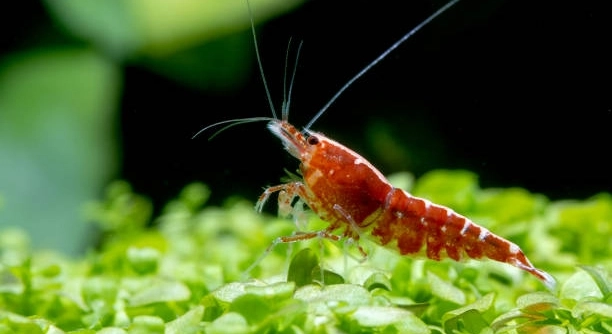
Do you enjoy keeping small aquariums but find yourself wondering how temperature affects the tiny creatures inside? Cherry shrimp are popular pets, known for their bright colors and delicate nature, requiring proper care to thrive.
Cherry shrimp prefer a stable, moderate water temperature, typically between 72°F and 78°F. Temperatures that are too low can slow their metabolism, while excessively warm water may cause stress or shorten their lifespan, affecting overall health and reproduction.
Knowing the right temperature is only one part of maintaining a healthy shrimp tank. Proper care, feeding, and water quality all play roles in keeping your shrimp active and vibrant.
Ideal Temperature Range for Cherry Shrimp
Maintaining the right temperature for cherry shrimp is essential for their survival and activity. These shrimp do best in water that stays between 72°F and 78°F. If the water drops below this range, shrimp may become sluggish, eat less, and their growth can slow. On the other hand, water above 78°F can increase their stress levels, reduce oxygen availability, and even shorten their lifespan. Consistent temperatures are more important than occasional spikes or dips because sudden changes can shock shrimp, making them more vulnerable to disease. Using a reliable heater and thermometer helps maintain stability. Additionally, room temperature fluctuations can affect small tanks quickly, so monitoring regularly is recommended. Plants, filtration, and hiding spaces can also help shrimp feel secure, indirectly supporting temperature tolerance. Adjustments should always be gradual to prevent stress. Keeping water conditions steady supports molting, reproduction, and overall activity, ensuring your shrimp remain healthy and display their vibrant colors naturally.
Stable temperatures directly impact shrimp health and breeding success. Avoid sudden changes.
Cherry shrimp rely on more than temperature to thrive. Regular water changes, low-stress handling, and balanced feeding contribute to their well-being. Tank plants help moderate temperature and provide shelter. Monitoring pH, ammonia, and nitrate levels alongside temperature ensures a safe habitat. A properly maintained tank encourages active shrimp, healthy molting cycles, and successful reproduction. Avoid overcrowding, as it can increase stress and reduce oxygen levels, which is particularly important in smaller tanks. While temperature sets the stage, consistent care and water quality are essential for long-term success. Keeping a simple log of temperature readings alongside water tests can help detect patterns or issues early. Observing shrimp behavior is also useful: active, brightly colored shrimp indicate conditions are suitable, while lethargy or hiding can signal problems. In combination, stable temperature, clean water, and proper nutrition create an environment where cherry shrimp can thrive, reproduce, and show their best colors without unnecessary stress.
Effects of Temperature on Behavior
Temperature directly influences shrimp activity levels. Warmer water increases movement but can lead to stress, while cooler water slows activity and growth.
High or low temperatures affect feeding, molting, and reproduction. Shrimp are more likely to hide when stressed by heat, and their metabolism slows in cooler conditions. Maintaining a consistent moderate temperature helps keep shrimp active, encourages regular molting, and supports healthy breeding cycles. Sudden temperature swings can trigger stress-related behaviors such as reduced appetite or excessive hiding. Monitoring behavior alongside water temperature allows you to identify problems before they become serious. By keeping water within the ideal range, you provide an environment where shrimp can explore, feed, and interact naturally, supporting both their physical and behavioral health.
Behavior changes can also indicate subtle water issues. Shrimp may respond to temperature shifts combined with poor water quality, like increased ammonia or nitrate levels. These combined factors can lead to molting problems, reduced fertility, and weakened immune systems. Observing shrimp daily allows for early adjustments. For example, adding plants or adjusting the tank’s heater gradually can stabilize conditions. Even small tanks are affected quickly by room temperature changes, making monitoring essential. Water circulation and aeration can reduce localized heat spots, helping shrimp distribute evenly and behave normally. Overall, temperature management is not just about comfort—it directly affects survival, growth, and breeding. Consistency, combined with attentive care, ensures shrimp display natural activity, vibrant coloration, and successful reproduction over time.
Signs of Temperature Stress
Shrimp may hide more than usual when water is too warm or too cold. Appetite changes and slower movement are common indicators of stress.
Temperature stress can affect molting, reproduction, and overall activity. Shrimp that stay at the bottom or cling to plants may be reacting to unsuitable conditions. Observing behavior daily helps catch problems early. Maintaining stable temperatures reduces stress and supports natural activity patterns.
If stress continues, shrimp may lose color or appear lethargic. Prolonged exposure to incorrect temperatures can make them more susceptible to disease. Regular monitoring, gradual adjustments, and providing hiding spaces improve resilience. Even minor swings can impact behavior, so careful attention ensures shrimp remain active and healthy. Consistency is crucial for sustaining molting cycles and encouraging breeding.
Adjusting Tank Temperature
Use a reliable heater to maintain consistent warmth in the tank. Avoid sudden changes, which can shock shrimp and disrupt their activity.
Gradual adjustments allow shrimp to acclimate without stress. Increasing or decreasing temperature slowly over hours or days minimizes impact on metabolism, molting, and feeding. Small tanks are especially sensitive, so monitoring the thermometer frequently is essential. Insulating tanks from drafts or direct sunlight also helps maintain stability.
Temperature adjustments should be paired with water quality checks. Consistent pH, ammonia, and nitrate levels prevent additional stress. Observing shrimp response after changes ensures conditions are suitable. Plants and hiding spots buffer minor fluctuations, helping shrimp feel secure. Maintaining a stable environment promotes healthy growth, regular molting, and successful reproduction, ensuring shrimp remain vibrant and active.
Warm vs. Cool Tanks
Warm tanks keep shrimp active and encourage faster growth, but water that is too hot can increase stress and reduce oxygen levels. Maintaining moderate warmth is key for overall health.
Cooler tanks slow metabolism and activity. Shrimp may eat less and molt more slowly, but very cold water can be harmful over time.
Recommended Temperature Settings
Keeping cherry shrimp in the 72°F to 78°F range provides stability for health and breeding. Gradual changes are essential to prevent stress, and daily monitoring of the thermometer ensures the environment remains consistent. Plants and proper filtration support stable conditions, buffering minor fluctuations. Avoid placing tanks in direct sunlight or near heat sources that could cause sudden spikes, which can lead to hiding, reduced feeding, or molting issues. Small tanks are particularly sensitive, so adjustments should be slow and measured. By prioritizing stable, moderate temperatures, shrimp can remain active, reproduce successfully, and display vibrant coloration over time.
Tips for Maintaining Stability
Insulate tanks from drafts and direct sunlight to prevent rapid temperature swings. Use heaters with reliable thermostats for consistent warmth.
FAQ
Do cherry shrimp survive in cooler water?
Cherry shrimp can survive in cooler water, but their metabolism slows down. Growth, feeding, and molting may take longer, and reproduction can decrease. Temperatures consistently below 68°F are stressful, and long-term exposure can impact health. Providing hiding spaces and stable conditions helps them cope better.
Can cherry shrimp live in warm tanks?
Yes, cherry shrimp can live in moderately warm tanks, typically up to 78°F. Warmer water boosts activity and metabolism, but temperatures above 80°F can cause stress, reduce oxygen levels, and shorten lifespan. Gradual adjustments and consistent monitoring prevent sudden heat-related problems.
How do I gradually adjust tank temperature?
Gradual changes are essential. Increase or decrease the water temperature slowly over several hours or days. Avoid sudden spikes or drops. Monitoring the thermometer and observing shrimp behavior helps ensure they adjust safely without stress. Small tanks are particularly sensitive, so patience is key.
What are the signs of temperature stress in shrimp?
Shrimp under temperature stress may hide more, move slower, or eat less. Color fading, lethargy, and irregular molting are common indicators. Daily observation allows early detection, so you can adjust the tank or water conditions before issues worsen.
Do plants help regulate shrimp tank temperature?
Yes, plants provide shade and cover, helping moderate temperature fluctuations. Dense plant growth can buffer small changes and give shrimp safer areas to retreat when conditions temporarily shift. Live plants also improve water quality, supporting overall shrimp health.
Is a heater necessary for cherry shrimp tanks?
In most climates, a heater is recommended to maintain stable temperatures, especially for small tanks. Consistent warmth prevents stress and supports normal activity, molting, and reproduction. Choose a reliable heater with a thermostat to avoid temperature swings.
Can sudden temperature changes harm shrimp?
Sudden shifts can shock shrimp, causing hiding, reduced feeding, or molting issues. Severe changes may lead to death. Gradual adjustments and consistent monitoring are essential to prevent these problems, particularly in small or uninsulated tanks.
How often should I check water temperature?
Daily monitoring is ideal, especially in small tanks or during seasonal changes. Regular checks help detect fluctuations early, ensuring stable conditions. Using a thermometer and noting readings helps maintain the proper range consistently.
Do temperature changes affect shrimp reproduction?
Yes, reproduction is highly sensitive to temperature. Too cold slows egg development, while excessive warmth can stress females and reduce breeding. Keeping water within 72°F–78°F encourages consistent breeding cycles and healthy offspring.
Can multiple shrimp tolerate slightly different temperatures?
Shrimp are resilient, but large variations within the tank can cause stress. Consistency matters more than minor differences. Using a stable heater, plants, and proper filtration helps ensure all shrimp share a uniform environment.
Is it okay to turn off the heater overnight?
Turning off the heater can be risky, especially in cooler environments. Even brief temperature drops may stress shrimp. A heater with a reliable thermostat is safer, maintaining moderate temperatures consistently without manual adjustments.
What role does tank size play in temperature stability?
Smaller tanks are more sensitive to temperature swings because water volume is low. Larger tanks have more thermal inertia, making them easier to stabilize. Small tanks need careful monitoring and possibly insulation to maintain a steady range.
How do I combine temperature control with water quality?
Temperature control should go hand-in-hand with regular water changes and monitoring pH, ammonia, and nitrate levels. Healthy water conditions reduce stress and support metabolism. Balanced care ensures shrimp remain active, reproduce successfully, and maintain vibrant coloration.
Can cherry shrimp adapt to seasonal temperature changes?
Gradual seasonal changes can be tolerated if shifts are small and monitored. Abrupt swings are dangerous. Using heaters or insulating tanks helps maintain stability throughout the year, supporting molting, feeding, and breeding cycles.
Are certain shrimp more tolerant of temperature variations?
Some cherry shrimp strains may handle minor fluctuations better, but all require moderate, consistent temperatures for optimal health. Even hardy strains will show stress if extremes persist, so maintaining 72°F–78°F is safest.
Does filtration affect temperature stability?
Filtration supports circulation, which helps evenly distribute heat throughout the tank. It also prevents hotspots or cold zones that can stress shrimp. Choosing a filter suited to tank size ensures stable water conditions alongside temperature control.
How long does it take for shrimp to adjust to a new temperature?
Shrimp typically need several hours to a few days to acclimate to gradual changes. Sudden shifts can shock them. Observing behavior, feeding, and molting during this period helps confirm they are adjusting safely.
Can I use a thermometer with an alarm for stability?
Yes, thermometers with alarms help monitor temperature precisely. Alerts for deviations allow quick intervention before stress occurs, ensuring shrimp remain in their ideal range consistently.
Are there long-term effects of mild temperature stress?
Even mild stress over time can slow growth, reduce molting frequency, and impact breeding. Consistently maintaining moderate, stable temperatures prevents these issues and supports long-term shrimp health.
Should I adjust temperature differently for juveniles and adults?
Juveniles may benefit from slightly warmer water for faster growth, but differences should remain small. Adults thrive in moderate temperatures. Overall consistency is more important than small variations between age groups.
Can lighting affect water temperature for shrimp?
Yes, strong lighting can raise water temperature, especially in small tanks. Adjusting light duration, intensity, or positioning helps maintain stable conditions, preventing stress caused by overheating or fluctuations.
Is it necessary to record temperature readings?
Keeping a simple log helps track patterns and detect problems early. Recording readings during seasonal changes or after tank adjustments ensures long-term stability and prevents unnoticed fluctuations.
Do shrimp stop eating when stressed by temperature?
Yes, stress from improper temperature often reduces appetite. Monitoring feeding patterns can indicate if conditions are suitable. Prompt adjustments help shrimp return to normal activity and maintain health.
Can shrimp recover from brief exposure to extreme temperatures?
Brief exposure may be survivable if corrected quickly, but prolonged extremes can be fatal. Recovery depends on immediate restoration to stable, moderate conditions, along with good water quality and low stress.
Is there an ideal daily temperature fluctuation range?
Cherry shrimp do best with minimal fluctuation, ideally within 1–2°F. Larger swings, even within the acceptable range, can cause stress and affect feeding, molting, and reproduction. Consistency is more important than minor daily changes.
How do I balance heating and aeration?
Proper aeration helps distribute heat evenly and maintains oxygen levels. Overheating without circulation can create hotspots. Balanced heating and aeration prevent stress and keep shrimp active and healthy throughout the tank.
Can stress from temperature affect coloration?
Yes, stressed shrimp often lose intensity in their coloration. Maintaining moderate, stable temperatures, along with clean water and proper diet, helps shrimp retain bright, natural colors.
Are heaters with adjustable thermostats better than fixed ones?
Adjustable thermostats allow precise control and gradual changes, reducing risk of stress. Fixed heaters may overshoot or underperform, especially in small tanks or changing room temperatures. Consistent settings are key for healthy shrimp.
Do tank covers help maintain temperature?
Covers reduce heat loss, prevent rapid evaporation, and buffer minor temperature fluctuations. Combined with a heater, covers support stable conditions, especially in small or lightly insulated tanks.
Can temperature extremes trigger disease?
Extreme temperatures weaken immune responses, making shrimp more susceptible to bacterial, fungal, or parasitic infections. Maintaining moderate, stable temperatures reduces stress and improves overall resilience against disease.
How often should I replace or calibrate my thermometer?
Thermometers should be checked for accuracy periodically and replaced if faulty. Calibration ensures correct readings, helping maintain consistent, moderate temperatures that support shrimp health.
Do different tank locations affect temperature?
Yes, tanks near windows, heaters, or vents can experience rapid swings. Choosing a stable location away from drafts, sunlight, or heat sources prevents sudden changes that stress shrimp.
Is it safe to mix cherry shrimp with other species in varying temperatures?
Mixing species requires considering each one’s preferred temperature. Significant differences can stress cherry shrimp. Ensuring a consistent environment that suits all inhabitants is essential for overall health.
What is the safest temperature to leave shrimp overnight?
Maintaining 72°F–78°F overnight is safest. Avoid turning off heaters in cooler climates, as sudden drops can stress shrimp and disrupt feeding, molting, and reproductive cycles. Stable night temperatures support consistent behavior and health.
Do seasonal water changes affect temperature stress?
Water changes can cause temporary temperature fluctuations. Pre-conditioning new water to match the tank’s temperature minimizes stress. Gradual changes combined with monitoring prevent adverse effects on shrimp activity and health.
Can I use a timer for heater adjustments?
Timers are not ideal for heaters, as abrupt on/off cycles create fluctuations. A thermostat-controlled heater provides gradual, stable heating, reducing stress and supporting long-term shrimp health.
How does temperature interact with feeding schedules?
Temperature affects metabolism. Warmer water increases appetite and feeding frequency, while cooler water slows digestion. Adjust feeding amounts accordingly to prevent overfeeding or malnutrition. Consistency helps shrimp remain healthy and active.
Can prolonged temperature stress affect molting?
Yes, stress can disrupt molting cycles, causing delayed or incomplete molts. Maintaining stable moderate temperatures ensures regular molting, reducing the risk of injury or death. Observing behavior and providing hiding spots supports safe molting.
Are small changes in temperature less harmful than large ones?
Even small, sudden changes can stress shrimp if they occur too quickly. Gradual adjustments and minimal daily fluctuations prevent problems, supporting consistent feeding, molting, and reproduction.
Do cherry shrimp show long-term effects from repeated stress?
Repeated exposure to unsuitable temperatures can weaken immune systems, reduce growth, and decrease reproductive success. Maintaining consistent moderate temperatures ensures long-term health and vitality.
Can temperature affect shrimp lifespan?
Yes, prolonged exposure to extreme temperatures shortens lifespan. Stable, moderate conditions reduce stress, support proper metabolism, and allow shrimp to live full, healthy lives.
Should I adjust temperature during breeding?
Slightly warmer conditions within the safe range may encourage breeding, but sudden or extreme changes can be harmful. Gradual, consistent adjustments support egg development and successful hatching.
Do shrimp recover faster in planted or bare tanks?
Planted tanks provide shelter and help buffer minor fluctuations, aiding recovery from mild stress. Bare tanks offer no refuge, so shrimp may remain stressed longer. Plants improve both comfort and stability.
Can tank decorations impact temperature stress?
Dense decorations can create shaded areas and help buffer small temperature swings. They also give shrimp hiding spots when minor fluctuations occur, reducing stress and supporting natural behavior.
How precise does the temperature need to be?
Keeping water within 72°F–78°F is sufficient. Minor deviations of 1–2°F are acceptable if gradual. Sudden changes or extremes outside this range can cause stress or health issues.
Are digital thermometers better than analog?
Digital thermometers provide faster, often more precise readings. They can help monitor small fluctuations accurately, ensuring consistent temperatures and reducing the risk of stress for shrimp.
Can stress from temperature affect molting success?
Yes, stressed shrimp may fail to molt properly, which can lead to deformities or death. Stable, moderate temperatures support regular, safe molting cycles.
Is it necessary to acclimate shrimp to a new tank’s temperature?
Acclimation is essential. Gradually introducing shrimp to a new tank’s water and temperature prevents shock, stress, and potential health issues, ensuring they adjust safely and remain active.
Can temperature stress impact shrimp behavior long-term?
Repeated or prolonged stress can lead to chronic hiding, reduced feeding, or lower reproductive success. Maintaining moderate, stable temperatures ensures natural behavior and overall vitality over time.
Do heaters need backup systems?
In areas with frequent power outages, a backup heater or insulated tank helps prevent sudden drops that could stress or kill shrimp. Consistent heating is critical for small or sensitive tanks.
How do I combine temperature control with lighting cycles?
Lighting can slightly raise water temperature. Position lights carefully, reduce duration if necessary, and monitor tank temperature. Stable heat alongside regular light cycles promotes healthy shrimp behavior and reduces stress.
Are there signs that shrimp are adjusting well to temperature changes?
Active swimming, regular feeding, normal molting, and bright coloration indicate successful adjustment. Lethargy, hiding, or appetite loss suggests the need for slower or smaller changes to support their health.
How long can shrimp tolerate minor temperature fluctuations?
Small fluctuations within 1–2°F for brief periods are generally tolerated, but consistency remains crucial. Extended exposure to larger or rapid changes can cause stress, molting issues, or reduced reproduction.
Can tank location impact recovery from temperature stress?
Yes, placing tanks in stable areas away from drafts, direct sunlight, or heaters helps shrimp recover faster from minor stress. A stable environment supports regular behavior and reduces long-term effects of temperature fluctuations.
Do different cherry shrimp colors respond differently to temperature?
All color variants respond similarly. Stress from extreme temperatures can fade color regardless of strain. Stable, moderate water maintains vibrancy and supports overall health equally across colors.
Is it okay to combine species with different temperature needs?
Combining species with significantly different preferences can stress cherry shrimp. Ensure the tank environment meets all species’ requirements without large fluctuations to maintain health and activity.
How often should I replace heaters or thermometers?
Replace equipment if it becomes faulty or inaccurate. Regular checks and maintenance prevent sudden temperature problems, keeping shrimp safe and supporting long-term health.
Are certain shrimp more sensitive to heat or cold?
Juveniles and molting shrimp are often more sensitive to temperature extremes. Adults tolerate moderate shifts better, but all shrimp benefit from stable conditions within the recommended range.
Do small tanks require more careful temperature management?
Yes, small tanks heat and cool quickly, making them more sensitive to fluctuations. Monitoring, insulation, and gradual adjustments are essential to prevent stress and maintain healthy shrimp.
Can temperature affect shrimp social behavior?
Extreme temperatures can reduce activity and social interaction. Stable, moderate water encourages normal exploration, feeding, and interaction among shrimp, supporting healthy behavior and reproduction.
Does water surface agitation impact temperature stability?
Surface agitation can slightly increase heat loss but improves circulation. Balanced filtration and gentle aeration help maintain even temperatures while supporting oxygen levels, reducing stress on shrimp.
Are there seasonal adjustments for shrimp tanks?
Minor seasonal adjustments may be needed to maintain 72°F–78°F. Gradual changes with careful monitoring prevent stress, ensuring shrimp remain active and healthy throughout the year.
Can I use multiple heaters in one tank?
Multiple heaters can help maintain stability in large or uneven tanks. Ensure each has a thermostat to avoid overheating, and monitor temperature regularly to prevent fluctuations that stress shrimp.
How does stress from temperature affect feeding efficiency?
Stressed shrimp eat less and may avoid food. Maintaining stable, moderate temperatures ensures normal feeding patterns, supporting growth, molting, and overall health.
Is it safe to let tanks cool naturally overnight?
Allowing tanks to cool too much can stress shrimp. Maintaining moderate, stable temperatures with a heater or insulation ensures overnight conditions remain safe for activity, molting, and reproduction.
Do shrimp show long-term effects from repeated mild temperature stress?
Repeated mild stress can reduce growth, delay molting, and decrease reproduction. Consistent moderate temperatures prevent cumulative negative effects, supporting long-term health and vitality.
Can temperature extremes trigger disease outbreaks?
Extreme heat or cold weakens immunity, increasing susceptibility to infections. Maintaining stable, moderate temperatures supports resilience and prevents temperature-related disease problems.
How do I maintain stability during power outages?
Insulate the tank and use battery-operated or backup heaters if possible. Minimize exposure to cold or heat swings until power is restored to prevent stress or mortality.
Does substrate type affect temperature stability?
Substrate can slightly buffer temperature changes. Sand or gravel retains heat longer than bare glass, helping stabilize conditions and reduce stress on shrimp during minor fluctuations.
Are glass or acrylic tanks better for temperature control?
Glass and acrylic have similar heat retention, but thicker walls provide more insulation. Proper heater placement and monitoring are more important than material type for stability.
Can temperature stress affect shrimp immunity?
Yes, prolonged or repeated stress from temperature fluctuations weakens immune responses, making shrimp more prone to infections. Stable moderate conditions help maintain strong immunity.
Do you need to quarantine shrimp for temperature adjustment?
Quarantine is useful for acclimating new shrimp gradually to tank temperature. Slowly introducing them prevents shock and stress, ensuring safe integration into the main tank.
Is monitoring behavior enough to gauge temperature comfort?
Behavior provides clues, but pairing observation with thermometer readings ensures accuracy. Signs like activity level, feeding, and hiding indicate comfort, while monitoring ensures stable conditions.
Can adding plants improve recovery from minor temperature stress?
Plants provide shelter and shade, buffering small fluctuations and helping shrimp recover faster. They also improve water quality, contributing to overall health and reducing stress impact.
Are digital heaters more reliable than analog?
Digital heaters with thermostats allow precise control and gradual adjustments. Analog heaters may overshoot or underperform, especially in small tanks, increasing the risk of stress. Digital systems improve stability and consistency.
Can seasonal room temperature changes affect shrimp tanks?
Yes, room temperature swings can impact tank water, especially in small setups. Monitoring and adjusting heaters or insulation ensures shrimp remain within the safe 72°F–78°F range throughout the year.
Is gradual acclimation to new temperatures better than sudden changes?
Yes, gradual acclimation prevents shock and stress. Sudden shifts disrupt feeding, molting, and reproduction, while slow adjustments allow shrimp to maintain health and activity.
Do hiding spots reduce temperature stress?
Yes, shelters and plants give shrimp areas to escape minor fluctuations. Hiding spots reduce stress and improve behavior, molting success, and overall well-being.
Can prolonged exposure to borderline temperatures affect shrimp lifespan?
Yes, long-term exposure to too warm or too cool water shortens lifespan and reduces reproductive success. Maintaining stable moderate temperatures supports longevity and healthy behavior.
Do heaters with automatic shutoff prevent overheating?
Yes, heaters with reliable thermostats or automatic shutoff prevent overheating and sudden spikes, reducing stress and promoting stable conditions for shrimp.
Are small fluctuations harmful if gradual?
Minor gradual fluctuations are generally tolerated. Sudden shifts, even small, are more stressful. Consistency and slow adjustments are key for healthy shrimp growth and reproduction.
Can stress from temperature affect molting frequency?
Yes, stress may delay molting, causing irregular cycles. Stable, moderate temperatures ensure regular molting, reducing risk of incomplete molts or injury.
Do juvenile shrimp need warmer temperatures than adults?
Slightly warmer water can speed juvenile growth, but differences should remain small. Consistent moderate temperatures are most important for overall health across all life stages.
Can temperature changes affect shrimp coloration permanently?
Extreme
Maintaining the proper temperature in a cherry shrimp tank is one of the most important aspects of keeping them healthy and active. Shrimp are sensitive to changes in their environment, and even small fluctuations can affect their behavior, feeding, and molting cycles. Keeping the water within the recommended range of 72°F to 78°F ensures they remain comfortable, active, and more likely to reproduce successfully. While it might seem simple to just set a heater and leave it, consistent monitoring and small adjustments are necessary to maintain stability, especially in smaller tanks or during seasonal temperature changes. Even minor inconsistencies in temperature can cause shrimp to hide more often, reduce feeding, or lose some of their bright coloration, which is a sign of stress. By focusing on temperature as a key factor in shrimp care, you can prevent many common problems and support a healthy, thriving aquarium.
Stable water temperature is only part of the overall care required for cherry shrimp. It works hand-in-hand with water quality, proper filtration, and suitable tank setup. Good water quality reduces stress and supports the shrimp’s immune system, making them less vulnerable to disease. Plants and decorations in the tank not only provide hiding spaces but also help buffer minor temperature fluctuations, which can make a noticeable difference in shrimp behavior. Feeding should also be adjusted according to temperature, since shrimp metabolism changes with warmer or cooler water. Observing shrimp daily helps identify any changes in activity or feeding patterns, providing an early warning if the temperature is not optimal. Over time, maintaining a consistent environment allows shrimp to develop natural molting cycles, reproduce regularly, and display vibrant colors, all signs that they are comfortable and thriving.
Ultimately, keeping cherry shrimp healthy is about creating a stable, balanced environment. Paying close attention to temperature is a simple way to prevent stress, support growth, and encourage breeding. Small steps, like using a reliable heater with a thermostat, insulating the tank from drafts or direct sunlight, and regularly monitoring the thermometer, go a long way in maintaining the ideal conditions. By combining proper temperature management with clean water, adequate feeding, and a well-planted tank, you give your shrimp the best chance to live long, active lives. Consistency and observation are key. A tank that stays within a safe temperature range creates a comfortable space where shrimp can thrive naturally, making it easier to enjoy their bright colors, lively behavior, and successful breeding cycles. Focusing on temperature and stable conditions helps you maintain a vibrant, healthy shrimp tank that supports all aspects of their care.

Hello,
If you enjoy the content that we create, please consider saying a "Thank You!" by leaving a tip.
Every little bit helps us continue crafting quality advice that supports the health, happiness, and well-being of pets around the world, for pets of all shapes, sizes, and species.
We really appreciate the kindness and support that you show us!