
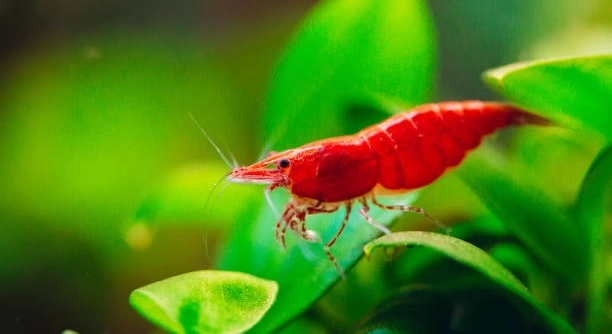
Have you ever noticed your cherry shrimp moving quickly at certain times in the tank? Observing their behavior can be surprisingly interesting. These tiny creatures respond to more than just sight or touch in their environment.
Cherry shrimp detect vibrations in water through specialized sensory hairs and statocysts, allowing them to respond to nearby movements. This ability helps them navigate, avoid predators, and interact with their surroundings efficiently in their aquatic habitat.
Learning how these shrimp perceive vibrations can improve tank care. Their reactions reveal more about their natural behaviors and environmental needs.
How Cherry Shrimp Sense Vibrations
Cherry shrimp rely on tiny sensory hairs called setae located on their bodies and antennae. These hairs detect even small changes in water movement, which helps them stay aware of nearby activity. Statocysts, small balance organs inside their heads, also contribute to detecting vibrations. Together, these organs give shrimp the ability to react quickly to their surroundings. This sense is crucial for survival, as it allows them to avoid predators and respond to sudden changes in the tank. Observing them closely, I noticed how sensitive they are to even slight water disturbances, like tapping the glass or a ripple from moving decorations. Their responses can be subtle, like a slight turn, or rapid, such as a sudden dash to hide. Tank setup and water quality can also influence how well shrimp perceive vibrations. Clean water and minimal background noise help maintain their natural responsiveness and keep their behavior consistent.
These vibrations act as an early warning system for shrimp. They react almost instantly to changes, staying alert in their environment.
Understanding vibration detection can also help in arranging tanks. Shrimp feel safer when hiding spots and plants reduce strong water currents. Gentle filtration and stable water parameters support their sensory abilities. Feeding patterns can be adjusted knowing they detect subtle movements, making them more confident and active. Over time, observing these reactions can improve care and tank setup, giving the shrimp a healthier, more natural environment to thrive in.
Factors That Influence Vibration Sensitivity
Water flow, tank size, and objects in the tank all affect how shrimp perceive vibrations.
Shrimp are more responsive in calm water. Strong currents or constant movement can mask small vibrations, making it harder for them to detect subtle signals. Tank decorations, plants, and substrate can either dampen or amplify water movements. Denser plant growth or hiding spots can protect them from disturbances, while open tanks may expose them to more noise. Temperature and water quality also influence sensory perception. Clean, stable water allows shrimp to respond more accurately, while sudden changes can stress them and reduce sensitivity. Even lighting and external vibrations outside the tank, like tapping or nearby movement, can be felt, though in varying degrees. Observing their reactions in different setups shows how environmental factors impact their behavior. By arranging the tank thoughtfully and minimizing constant disturbances, it’s possible to support their natural ability to sense vibrations and maintain a calm, responsive group of shrimp.
Common Behaviors Triggered by Vibrations
Cherry shrimp often freeze or dart away when they sense vibrations. These quick responses help them avoid danger. Even small disturbances, like tapping on the tank or nearby movements, can trigger noticeable reactions in their behavior.
When vibrations occur, shrimp may swim erratically or cling to plants and decorations. Their antennae move constantly to scan the environment for more cues. Feeding times or sudden water changes can also provoke similar reactions. I noticed my shrimp often pause mid-movement, seemingly assessing the source of the vibration before deciding where to go. These behaviors are natural survival responses and indicate their sensory systems are active. Understanding these patterns can help maintain a calmer tank and reduce unnecessary stress on the shrimp.
Another behavior linked to vibrations is clustering or hiding. Shrimp may gather in corners, under moss, or among decorations when they detect constant or strong vibrations. This tendency is especially noticeable in new tanks or after disturbances like water changes. Providing adequate hiding spots and stable water conditions allows them to feel secure and continue normal activities. By observing these behaviors, I’ve learned to adjust tank maintenance and minimize sudden disruptions, helping shrimp maintain healthy and consistent behavior patterns.
Environmental Factors Affecting Vibrations
Water temperature, tank size, and equipment placement influence how shrimp perceive vibrations. Minor adjustments can make a noticeable difference in their responsiveness.
Tank size impacts how vibrations travel. In smaller tanks, even minor movements create stronger ripples, triggering more frequent responses. Equipment like filters or air pumps can produce constant vibrations that shrimp sense continuously, potentially causing stress if too strong. Plants and decorations can help absorb some of these movements, providing calmer zones. Temperature also plays a role; colder water slows metabolism and reflexes, making shrimp less reactive, while warmer, stable water supports normal sensory function. I’ve seen my shrimp react differently in tanks of varying setups, proving that careful arrangement and monitoring can enhance their comfort.
Even external factors, like footsteps near the tank or nearby appliances, can be felt by shrimp as subtle vibrations. Regular observation helps identify which environmental factors are affecting their behavior most. Adjusting water flow, repositioning equipment, or adding plant cover can mitigate excessive vibrations. Over time, these small changes improve shrimp well-being and reduce stress. I’ve noticed a calmer, more active group of shrimp after fine-tuning tank conditions. Monitoring these environmental variables also aids in predicting behavior during feeding, cleaning, or other routine activities. By paying attention to these details, it’s possible to create a more natural and supportive habitat for cherry shrimp, ensuring their sensory abilities function as intended.
How Feeding Affects Vibration Response
Cherry shrimp often become more alert during feeding times. The movement of food in water produces vibrations that they quickly notice. Their antennae and body hairs pick up these small changes, guiding them toward potential meals.
Shrimp may compete or scatter slightly as they sense vibrations from others feeding. Their reactions are natural and show how sensitive they are to water movement. Feeding slowly and evenly helps reduce stress and ensures all shrimp can access food without too much disturbance. Observing these behaviors has helped me adjust feeding routines to maintain calm and balanced activity in the tank.
Tank Maintenance and Vibrations
Water changes, filter cleaning, and moving decorations all generate vibrations that shrimp can detect. Even minor disturbances can trigger sudden hiding or freezing behaviors. Consistent and gentle maintenance helps minimize stress and preserves normal shrimp behavior patterns. I’ve noticed that slower movements and partial water changes reduce their anxiety and make them more comfortable during routine tasks.
Signs of Stress From Excess Vibrations
Shrimp that constantly hide, cling to surfaces, or avoid moving freely may be reacting to excessive vibrations. Monitoring these behaviors can help identify environmental stressors early.
Tips for Reducing Vibrations
Placing tanks on sturdy surfaces, adding dense plants, and using gentle filters all help dampen vibrations. These adjustments make shrimp feel more secure and reduce constant stress from external or internal disturbances.
How do cherry shrimp detect vibrations in water?
Cherry shrimp detect vibrations using tiny sensory hairs called setae on their bodies and antennae, as well as statocysts inside their heads. These structures sense changes in water movement, allowing shrimp to react to nearby activity, predators, or disturbances in the tank. Observing my shrimp, I noticed even gentle taps on the tank glass caused subtle movements or pauses. Their ability to sense vibrations is an essential survival tool and influences nearly every aspect of their behavior, from feeding to hiding. This sensory system makes them highly responsive to their environment, even when nothing seems visible to us.
Can vibrations stress cherry shrimp?
Yes, excessive vibrations can stress cherry shrimp. Continuous ripples from strong filtration, air pumps, or nearby human activity can make them feel unsafe. Stressed shrimp may hide more often, move less, or show erratic swimming. I learned that minimizing sudden tank disturbances and maintaining stable water flow improves their comfort and overall health. Dense plants, hiding spots, and careful equipment placement help reduce the impact of vibrations. Stress from vibrations can also affect feeding and reproduction, so keeping the tank environment calm is important for maintaining normal shrimp activity.
Do cherry shrimp react differently to small versus large vibrations?
Cherry shrimp respond differently depending on the vibration’s intensity. Small vibrations, like light tapping or minor water movement, may make them pause or cautiously explore. Larger vibrations, such as heavy tapping or sudden water changes, trigger rapid escape responses or hiding. I noticed my shrimp cluster under moss or behind decorations during stronger disturbances, but they often continue normal activity after minor ones. Their sensitivity allows them to assess threats and respond appropriately, showing a natural ability to distinguish between harmless and potentially dangerous vibrations in the tank environment.
How does tank setup influence vibration perception?
Tank setup plays a major role in how shrimp perceive vibrations. Larger tanks can diffuse ripples, while smaller tanks amplify movements, making shrimp react more frequently. Plants, moss, and decorations help absorb water movement, giving shrimp safe zones. Filters and air pumps create constant vibrations that can either support or stress shrimp depending on intensity. I found adjusting equipment placement and providing dense plant cover reduces unnecessary reactions. Careful arrangement not only improves comfort but also encourages normal behaviors, including feeding, exploration, and social interactions within the group.
Do water conditions affect their sensitivity to vibrations?
Yes, water conditions like temperature, clarity, and stability impact vibration perception. Colder water slows metabolism and reflexes, making shrimp less reactive, while warmer, stable water encourages normal responsiveness. Turbidity or strong currents can mask small vibrations, while clean, calm water allows them to detect subtle movements effectively. I noticed my shrimp respond more consistently in tanks with stable water parameters, showing that environmental stability supports their natural sensory abilities. Maintaining proper water conditions ensures they remain alert but not stressed, promoting healthier behavior and interaction.
Can feeding routines change how shrimp respond to vibrations?
Feeding routines affect vibration response significantly. When food is added, the vibrations created by sinking flakes or pellets attract shrimp, making them move quickly and explore actively. I’ve observed my shrimp pause and assess food movement before approaching, showing they rely on vibrations to locate meals. Feeding slowly and spreading food evenly reduces competition and stress, allowing all shrimp to eat comfortably. Consistent feeding schedules help shrimp anticipate and react to expected vibrations rather than sudden, unexpected ones, supporting a calmer and more predictable environment for them.
Are there signs that vibrations are negatively affecting shrimp?
Signs include constant hiding, clinging to surfaces, erratic swimming, or reduced activity. I noticed that when my shrimp experienced frequent disturbances, they became less visible and more hesitant to explore. These behaviors indicate stress and a need for environmental adjustments. By monitoring responses and adjusting water flow, filtration, or tank placement, it’s possible to reduce harmful vibrations and improve shrimp well-being. Consistent observation helps maintain a healthy, comfortable habitat where shrimp can react naturally without unnecessary stress.
What steps can be taken to minimize harmful vibrations?
Place tanks on solid, stable surfaces and avoid areas with frequent foot traffic. Dense plants, moss, and decorations help absorb water movement, providing calm zones. Filters and air pumps should run gently, and maintenance should be done slowly to reduce sudden disturbances. I found that adjusting equipment placement and feeding routines helped my shrimp feel secure. Minimizing both internal and external sources of vibrations ensures shrimp remain active, healthy, and confident in the tank environment. Consistent care and thoughtful arrangement support their natural sensory abilities while preventing stress.
How do shrimp behave after sensing vibrations?
After sensing vibrations, shrimp may pause, retreat, or explore cautiously. Their reaction depends on the intensity and source of the movement. I often observed my shrimp freeze briefly, then either swim to a hiding spot or return to normal activity once the disturbance subsided. This behavior reflects their ability to assess the environment and react appropriately, balancing safety with exploration. Watching these reactions has helped me understand the subtle ways vibrations influence daily shrimp activity and how to maintain a calm, stable tank environment.
Do all cherry shrimp react the same way to vibrations?
Not all shrimp react identically. Individual temperament, age, and size influence responses. Some are bolder and explore despite vibrations, while others are more cautious and hide quickly. I noticed younger shrimp often react more strongly, while adults may tolerate minor disturbances. Group dynamics also affect behavior, as seeing others flee can trigger a collective response. Understanding these differences helps create an environment where each shrimp feels safe, ensuring balanced activity and minimizing stress from constant or unpredictable vibrations.
Cherry shrimp are delicate creatures that rely heavily on their ability to sense vibrations in water. This sense allows them to navigate their surroundings, avoid potential threats, and find food efficiently. From my observations, even small disturbances in the tank can trigger noticeable reactions. A gentle tap on the glass, a ripple from moving decorations, or sudden water movement can make them pause, dash, or hide. Their sensory hairs and statocysts are finely tuned to detect these changes, showing just how sensitive they are to their environment. Understanding how shrimp perceive vibrations helps in creating a stable and comfortable tank setup, reducing unnecessary stress and supporting their natural behaviors.
Environmental factors play a major role in how cherry shrimp respond to vibrations. Water flow, tank size, decorations, and equipment placement all influence their perception. In smaller tanks, even minor disturbances create stronger ripples, which can trigger more frequent reactions. Dense plants, moss, and hiding spots help absorb vibrations and give shrimp safe zones, while filters and air pumps can produce constant movement that sometimes stresses them if too strong. Temperature and water quality also affect responsiveness. Clean, stable water allows shrimp to detect subtle vibrations more accurately, while sudden changes can overwhelm them. Observing these behaviors in my own tank has shown how small adjustments in setup and maintenance routines can make a big difference in their comfort.
Feeding times, tank maintenance, and daily care routines all interact with how shrimp perceive vibrations. Adding food creates noticeable ripples, attracting shrimp and guiding them to meals, while sudden cleaning or moving decorations can provoke stress responses. Paying attention to their reactions during these times has taught me to handle the tank more gently, feeding slowly and moving items carefully. By providing stable water conditions, adequate hiding places, and thoughtful equipment placement, it is possible to reduce harmful vibrations and maintain a calm environment. Understanding their sensory world improves not just their safety but also their activity levels and overall well-being, making it easier to care for these tiny, fascinating creatures effectively.

Hello,
If you enjoy the content that we create, please consider saying a "Thank You!" by leaving a tip.
Every little bit helps us continue crafting quality advice that supports the health, happiness, and well-being of pets around the world, for pets of all shapes, sizes, and species.
We really appreciate the kindness and support that you show us!