
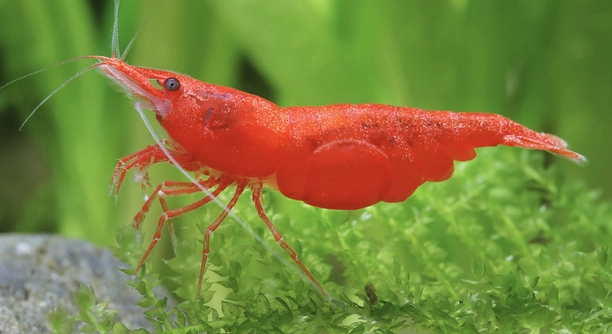
Have you ever watched your cherry shrimp interact with others in their tank and wondered if the constant activity around them affects their comfort and behavior over time in their small underwater world each day?
Cherry shrimp generally tolerate other shrimp well, showing minimal signs of stress when housed with peaceful species. Occasional territorial displays may occur, but these interactions rarely escalate, allowing mixed shrimp communities to coexist successfully under stable conditions and tank management.
There is more to learn about their behavior, helping you see how small details influence harmony within a shrimp habitat.
Understanding Cherry Shrimp Behavior
Cherry shrimp interactions can look gentle, yet their behavior holds subtle signals that help you understand how they manage space and activity in a shared tank. They rely on constant movement, light exploration, and steady routines to stay comfortable, which makes their environment an important part of how they respond to others. When different shrimp species are introduced, cherry shrimp usually adapt, as long as aggression stays low and resources remain easy to access. Their peaceful nature allows them to blend into mixed groups without much stress. Still, they may retreat if larger or more assertive shrimp approach too often, especially in crowded areas. Maintaining stable water parameters and dependable hiding spots helps them feel secure while they sort out their roles. These simple behavioral patterns show how cherry shrimp communicate their needs, giving you a clearer view of their comfort level when living with companions in the tank daily.
Cherry shrimp react to nearby activity through steady routines that help them maintain balance. When other shrimp behave calmly, they adjust with ease, but persistent interruptions can nudge them toward hiding. Simple adjustments to tank layout can support their comfort and reduce unnecessary tension within shared spaces in the tank.
Observing how cherry shrimp respond to others gives you a clearer sense of their daily preferences and limits. They thrive when their surroundings stay predictable, and they rely on small hiding areas to reset when activity becomes overwhelming. Mixed shrimp tanks work best when space, food, and shelter are evenly distributed. Gentle movements and peaceful species help keep interactions smooth, lowering the chances of stress. By watching their patterns over time, you can learn which conditions help them feel secure. These details support a balanced setup, allowing every shrimp to settle comfortably without unnecessary pressure in the tank every day.
How Tank Conditions Influence Their Comfort
Tank conditions influence how cherry shrimp react to neighbors by shaping their comfort and stability. Clean water, steady parameters, and accessible food help reduce stress from active tank mates. When the environment stays balanced, interactions remain smoother and less disruptive for sensitive shrimp living together in a shared space comfortably.
Maintaining stable tank conditions is one of the most effective ways to support cherry shrimp when they share space with other species. Consistent water parameters allow them to settle into predictable routines, reducing the impact of sudden movement or activity from nearby shrimp. A tank with balanced filtration, regular cleaning, and steady temperatures forms a supportive base that keeps stress levels low. Cherry shrimp respond well to tanks that offer multiple hiding zones, gentle plant coverage, and smooth surfaces for grazing, which help them withdraw when interactions become overwhelming. Food availability also plays an important role, since competition can create tension if resources feel limited. Providing small, frequent feedings helps every shrimp access what they need without crowding. When these elements work together, the tank feels calmer and more stable, allowing cherry shrimp to coexist peacefully even in mixed communities. Thoughtful upkeep ensures each shrimp can navigate its environment with confidence, keeping their natural behaviors steady and relaxed through daily activity. Additional structure such as leaf litter, driftwood, and safe moss clusters can further support their comfort by offering soft surfaces and visual barriers. These features help control interaction levels and give shrimp more options for moving throughout the tank.
Recognizing Signs of Stress in Cherry Shrimp
Cherry shrimp show their stress through subtle changes that appear during regular activity. They may hide more often, graze less, or remain still for long periods. Rapid swimming or sudden darting can also signal discomfort when tank interactions become too frequent or overwhelming.
Stress signs become clearer when watching their patterns over several days. Cherry shrimp usually move with gentle consistency, so any shift toward erratic motion can reflect tension caused by nearby shrimp. Reduced feeding can emerge when they feel pressured at shared food spots. Staying hidden for long stretches often means they are avoiding active areas of the tank. Faded color can sometimes appear, especially when stress continues for extended periods. Monitoring these details helps you understand whether interactions with other shrimp are affecting their comfort. By observing calmly and noting slow changes, you can spot early signals and make adjustments that support their stability.
Some cherry shrimp express stress through territorial hesitation, especially around plants or feeding zones they usually claim as regular spaces. They may pause before approaching familiar spots or retreat quickly when another shrimp enters the area. This type of behavior can point to ongoing pressure from more assertive species. When these moments increase, it usually means the shrimp are struggling to maintain comfortable routines. Offering more hiding spaces or spreading out feeding areas can reduce tension and help them regain confidence. Watching these small behaviors closely provides a steady way to understand their comfort level and respond before problems grow.
How Other Shrimp Species Influence Their Behavior
Different shrimp species affect cherry shrimp behavior by shifting the balance of activity in the tank. Peaceful varieties blend well, but assertive types create more competition. Cherry shrimp adjust slowly, and their comfort depends on how predictable interactions remain while they explore shared spaces with steady routines.
Some species bring more movement and energy into the tank, which can disturb cherry shrimp if activity becomes too constant. Amano shrimp, for example, move quickly during feeding and may dominate prime spots. Ghost shrimp can also appear bold, creating small disruptions when they claim larger areas. These behaviors can lead cherry shrimp to graze less or relocate to quieter corners. Adding gentle species such as blue velvets or snowballs helps maintain a calmer atmosphere, as their movements align more closely with cherry shrimp. Spreading out food, offering layered plant areas, and keeping enough space between territories help reduce tension. Careful species selection supports smoother interactions, allowing cherry shrimp to remain steady and comfortable without needing to adjust constantly.
Creating a Peaceful Tank Layout
A calm layout supports cherry shrimp by reducing the pressure of constant activity. Plants, moss, and small structures create natural breaks that prevent crowding. These features help them move freely while avoiding unnecessary contact with more active shrimp in shared areas.
Spreading decorations evenly encourages shrimp to settle across the tank instead of gathering in one space. This balance keeps interactions smoother and prevents dominant species from taking over key spots. Simple adjustments like adding leaf litter or extra moss can create safer, quieter areas.
Feeding Strategies That Reduce Tension
Feeding routines influence how cherry shrimp respond to others during busy moments. Offering small, frequent feedings prevents crowding and helps every shrimp access food without competition. Spreading food in several spots keeps assertive shrimp from taking over, giving cherry shrimp space to eat calmly and maintain their regular grazing patterns.
When Separating Shrimp May Help
Separation can help when cherry shrimp remain stressed despite layout changes and improved routines. Giving them their own space allows their behavior to stabilize and reduces pressure from active species. This step supports their natural rhythms and restores comfort when shared environments become too disruptive.
How can I tell if my cherry shrimp are stressed by other shrimp?
Cherry shrimp show stress through subtle behaviors. Hiding more than usual, reduced grazing, and staying still for long periods are common signs. Rapid swimming, darting, or frequent retreats from high-traffic areas also indicate discomfort. Faded color or unusual aggression toward their own species can appear if stress continues over time. Watching their daily routines carefully helps spot early changes and prevent ongoing issues.
Do cherry shrimp get along with all types of shrimp?
Not all shrimp species are equally compatible. Peaceful species, such as blue velvets or snowballs, generally coexist well with cherry shrimp. More active or assertive species, like Amano shrimp or ghost shrimp, can dominate food and space, causing cherry shrimp to retreat. Compatibility depends on movement levels, territorial behavior, and feeding patterns. Monitoring their interactions in the first few weeks is essential for ensuring a calm environment.
Will adding more hiding spots reduce tension?
Yes. Plants, moss, driftwood, and leaf litter provide safe areas for cherry shrimp to retreat when other shrimp get too active. Layered decorations create visual barriers, reducing direct contact and promoting a sense of security. Spreading hiding spots throughout the tank also prevents crowding and allows shrimp to establish personal spaces without competition.
How should I feed shrimp in a mixed-species tank?
Feeding strategies can significantly reduce stress. Offering small, frequent feedings and placing food in multiple locations ensures that no shrimp dominate resources. This approach allows cherry shrimp to graze at their own pace without competing for limited spots. Using sinking pellets, algae wafers, or blanched vegetables spread across the tank helps maintain calm feeding routines. Observing which areas shrimp prefer can guide adjustments for better harmony.
Can stress from other shrimp affect their health long-term?
Yes. Prolonged stress can lead to reduced appetite, slowed growth, and lower resistance to disease. Constant hiding and limited grazing impact their ability to maintain energy and molting cycles. Maintaining a stable environment, proper feeding, and compatible tank mates helps prevent long-term health issues and ensures cherry shrimp thrive over time.
Is separating shrimp necessary if interactions become too aggressive?
Separation is sometimes the best solution when repeated stress continues despite layout improvements and feeding adjustments. A dedicated tank or partitioned area allows cherry shrimp to recover, resume normal grazing, and restore natural behaviors. Once they regain stability, controlled reintroduction may be possible if the original tank conditions are optimized.
Do water parameters influence how cherry shrimp handle other shrimp?
Absolutely. Stable water parameters reduce stress responses, making shrimp more resilient to minor disturbances from tank mates. Parameters like temperature, pH, hardness, and ammonia levels should remain consistent. Frequent fluctuations increase anxiety, making cherry shrimp more likely to hide or avoid shared spaces, even with calm species present. Proper filtration and routine water changes are essential.
Will cherry shrimp always avoid dominant shrimp, or can they coexist peacefully?
Cherry shrimp are naturally cautious but can coexist with more dominant shrimp if space, food, and hiding spots are sufficient. They adjust their routines and retreat when necessary, but stress is minimized when interactions are predictable. Mixed-species tanks succeed best when active species are balanced with calm ones and environmental enrichment is provided.
Can monitoring behavior help prevent problems before they escalate?
Yes. Observing grazing, hiding, and movement patterns daily gives early warnings of tension. Noting changes in color, feeding habits, or darting behavior helps determine if adjustments in layout, feeding, or species selection are needed. Timely action keeps shrimp comfortable and supports long-term harmony.
Are there environmental factors beyond other shrimp that affect their stress levels?
Other factors include light intensity, water flow, temperature shifts, and tank size. Overcrowding, strong currents, or sudden disturbances can amplify stress from nearby shrimp. Providing stable, predictable conditions with adequate shelter helps cherry shrimp maintain comfort, even in a mixed-species setup.
Cherry shrimp are delicate creatures that thrive in calm, stable environments. Their behavior around other shrimp can seem subtle, but paying attention to small signals is key. Hiding more often, grazing less, or moving abruptly are ways they show discomfort. Even though they are generally peaceful, frequent interactions with more active or assertive shrimp can create tension. By observing their daily routines, you can spot changes early and make adjustments to maintain harmony. The layout of the tank, availability of food, and presence of hiding spaces all influence how comfortable they feel. A well-structured environment allows cherry shrimp to move freely, feed calmly, and maintain their natural behaviors without unnecessary stress.
Tank conditions play a central role in how cherry shrimp handle other shrimp. Stable water parameters, regular maintenance, and gentle feeding routines help reduce tension and prevent stress from escalating. Providing plants, moss, leaf litter, or driftwood creates areas where shrimp can retreat when they need a break from active tank mates. Small, frequent feedings distributed in multiple locations reduce competition for food and give each shrimp the opportunity to graze without pressure. By balancing tank dynamics carefully, you can ensure that cherry shrimp feel secure even when living alongside other species. Observing how they respond over time helps identify which environmental adjustments are most effective for keeping interactions smooth and maintaining their overall well-being.
Choosing compatible species and designing the tank thoughtfully are essential for long-term success. Peaceful shrimp species work best with cherry shrimp, while assertive or fast-moving species may require extra attention to reduce stress. In some cases, temporary separation can help stressed shrimp recover and regain confidence before returning to a shared space. Understanding their needs, monitoring behavior, and creating a supportive environment ensures that cherry shrimp remain healthy, active, and vibrant. Maintaining a calm and predictable tank not only reduces stress but also allows them to express natural behaviors, feeding routines, and social interactions. By focusing on stability, space, and care, cherry shrimp can thrive and coexist peacefully with other shrimp species, giving you a balanced and enjoyable aquarium to observe daily.

Hello,
If you enjoy the content that we create, please consider saying a "Thank You!" by leaving a tip.
Every little bit helps us continue crafting quality advice that supports the health, happiness, and well-being of pets around the world, for pets of all shapes, sizes, and species.
We really appreciate the kindness and support that you show us!