
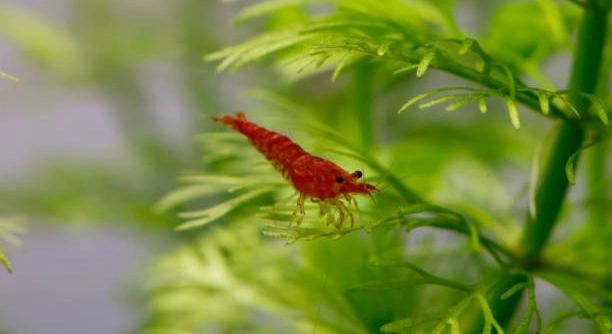
Do your cherry shrimp sometimes seem less active or show unusual colors in your tank? Many shrimp owners notice these changes and wonder what might be affecting their tiny aquatic pets. Keeping them healthy requires careful attention to their environment.
Cherry shrimp can become sick due to a variety of factors, including poor water quality, incorrect temperature, overcrowding, insufficient nutrition, stress from tank mates, sudden changes in conditions, and exposure to harmful chemicals. These issues compromise their immune system and overall health.
Understanding these reasons will help you prevent common problems and maintain a vibrant, thriving shrimp community in your aquarium.
Poor Water Quality
Maintaining clean water is the most important factor for healthy cherry shrimp. Even slight changes in pH, ammonia, nitrite, or nitrate levels can stress shrimp and make them prone to disease. Uneaten food, decaying plants, and waste can quickly degrade water quality, so regular monitoring and water changes are essential. A well-established filter can help maintain balance, but testing the water at least once a week ensures any issues are caught early. Sudden spikes in chemicals or poor circulation can cause lethargy, color fading, and molting problems. Cherry shrimp are sensitive to their environment, and ignoring water quality is a common reason they get sick. Avoid using soaps or harsh chemicals when cleaning the tank, and always condition tap water before adding it. Consistent maintenance, paired with careful observation, can prevent most water-related health issues in your shrimp, keeping them active and colorful.
Monitoring water parameters weekly helps prevent illness and keeps shrimp thriving consistently in their aquarium.
Regular cleaning and careful attention to water quality directly impact shrimp health. Keeping ammonia and nitrite at zero, maintaining stable pH, and removing decaying material prevent stress. Even minor chemical changes can trigger illness, so using proper filtration, water conditioners, and routine checks ensures a stable, safe habitat. Observing shrimp behavior and appearance can alert you to problems before they worsen. Clear water, minimal fluctuations, and a balanced ecosystem allow shrimp to molt properly, feed well, and remain vibrant. Consistent maintenance reduces the risk of bacterial and fungal infections, and encourages natural activity. By prioritizing water quality, you create a foundation for long-term shrimp health, preventing most preventable illnesses and supporting their well-being in the tank.
Overcrowding
Overcrowded tanks can cause stress and increase the spread of disease among shrimp. When there are too many shrimp in a small tank, aggression and competition for food become common.
Too many shrimp in a tank can lead to poor water quality and higher risk of sickness, as waste accumulates faster than it can be processed.
Managing population density is crucial. Overcrowding stresses shrimp, making them more susceptible to infections and slowing growth. Competition for food can cause weaker shrimp to be undernourished, while dominant shrimp thrive. Crowding also increases waste buildup, impacting water quality and causing chemical imbalances that trigger illness. Providing enough space, hiding spots, and proper filtration reduces stress and prevents outbreaks of disease. Shrimp prefer calm environments with room to explore and molt safely, so keeping populations in check ensures a healthy community. Observing how shrimp interact and adjusting numbers as needed can maintain balance. Planning tank size according to shrimp density allows each shrimp to access food and shelter, which supports their immune system and encourages natural behavior. Consistently monitoring populations and separating excess shrimp prevents health problems and keeps the tank stable over time.
Improper Diet
A poor diet can weaken cherry shrimp and make them more prone to illness. Feeding only one type of food or overfeeding can upset their digestion and overall health.
Providing a varied diet is essential. Cherry shrimp need a mix of algae, biofilm, and specially formulated shrimp foods to meet their nutritional requirements. Overfeeding can pollute the tank, while underfeeding leaves shrimp weak. Supplementing with blanched vegetables or occasional protein sources supports growth and molting. Ensuring a balanced diet helps maintain vibrant color, strong shells, and active behavior. Observing how shrimp consume their food allows adjustments to feeding amounts and types, promoting overall well-being.
Consistency is key. Feeding small portions multiple times a day rather than a large amount at once prevents uneaten food from decomposing. Including high-quality shrimp pellets and natural sources keeps them healthy and reduces stress. Maintaining dietary balance also strengthens their immune system, helping them resist infections and recover from minor health issues quickly. Proper nutrition directly influences survival rates, activity, and color intensity, making diet one of the most critical factors in preventing sickness in your tank.
Stress from Tank Mates
Stress caused by aggressive or incompatible tank mates can harm shrimp health. Constant harassment or chasing leads to hiding and reduced feeding.
Stress weakens the immune system, making shrimp more vulnerable to disease. Aggressive fish, even small ones, can nip at shrimp or compete for food. Shrimp need plenty of hiding spots like plants, rocks, or decorations to feel secure. Avoid housing them with fish known for aggressive behavior. Even non-aggressive fish can inadvertently stress shrimp if the tank is too small or lacks cover. Providing a calm environment reduces stress-related health problems and supports natural activity and feeding habits.
Monitoring shrimp behavior is important. If you notice shrimp constantly hiding, losing color, or skipping molts, tank mates may be the cause. Adjusting the aquarium setup with extra hiding places or separating incompatible species can restore balance. Stress management includes maintaining water stability and avoiding sudden changes, as these can compound the effects of harassment. Keeping shrimp in a peaceful environment promotes growth, proper molting, and reproduction while minimizing disease risk. Regular observation ensures that shrimp remain comfortable, active, and healthy in a community tank.
Sudden Water Changes
Sudden water changes can shock cherry shrimp, affecting their health. Rapid shifts in temperature, pH, or hardness cause stress and can trigger illness quickly.
Always make gradual water adjustments. Adding small amounts over several hours or days helps shrimp acclimate without risking stress or damage to their immune system.
Exposure to Chemicals
Chemicals like chlorine, medications, or cleaning agents can harm shrimp even in tiny amounts. They are extremely sensitive, and exposure often results in illness or death. Properly conditioning water and avoiding chemical residues from containers or plants is essential to maintain a safe habitat.
Temperature Fluctuations
Drastic temperature changes make cherry shrimp more vulnerable to disease. Stable, suitable temperatures support immune function and natural activity. Maintaining a heater or monitoring seasonal shifts prevents stress and keeps shrimp healthy.
FAQ
Why are my cherry shrimp turning pale?
Pale coloring is often a sign of stress or illness. Changes in water quality, temperature fluctuations, or inadequate nutrition can cause shrimp to lose their vibrant red color. Ensuring stable water parameters and a balanced diet usually helps them regain color over time.
What should I do if my shrimp stop eating?
Loss of appetite is usually linked to stress, disease, or poor water conditions. Check water parameters, reduce tank disturbances, and offer a variety of foods. Healthy shrimp should resume eating within a day or two once conditions improve.
Can overcrowding make shrimp sick?
Yes, too many shrimp in a small tank increases stress and accelerates waste buildup, which can harm water quality. Overcrowding also causes competition for food and hiding spots, weakening weaker shrimp and making them more vulnerable to infections.
How often should I change the water?
Regular water changes are critical for shrimp health. Weekly changes of 10-25% help maintain stable water chemistry. Avoid changing too much at once, as sudden shifts in pH or temperature can shock shrimp and make them sick.
Are certain tank mates dangerous for cherry shrimp?
Aggressive fish or even some active species can stress shrimp. Constant chasing or nipping can prevent feeding and increase vulnerability to disease. Shrimp thrive best with peaceful species or in species-only tanks with plenty of hiding places.
How can I prevent disease in my shrimp tank?
Maintaining clean, stable water and avoiding sudden changes is key. Quarantining new shrimp or plants, providing a balanced diet, and ensuring the tank isn’t overcrowded all reduce disease risk. Stress management is equally important, as stressed shrimp are more susceptible to illness.
What are the signs my shrimp are sick?
Common signs include lethargy, loss of color, unusual swimming behavior, failed molts, and hiding excessively. Early detection is crucial. Observing behavior daily and keeping water conditions optimal helps prevent sickness from worsening.
Can temperature changes kill cherry shrimp?
Yes, drastic fluctuations in temperature stress shrimp and can lower their immunity. Maintaining a consistent, suitable temperature range with a reliable heater or thermometer reduces health risks and supports proper molting and activity levels.
Is it safe to use medications in a shrimp tank?
Most fish medications are harmful to shrimp. Only use products labeled safe for invertebrates. Even small doses of common aquarium treatments can be lethal, so prevention through water maintenance is far safer than treatment.
Why do shrimp die after molting?
Molting is stressful, and weak shrimp or poor water conditions can cause death during this process. Ensuring optimal water quality, proper nutrition, and a stress-free environment helps shrimp molt successfully and recover afterward.
How important are hiding spots?
Hiding spots are crucial for stress reduction and protection during molting. Plants, rocks, and decorations give shrimp safe areas to retreat, reducing the risk of injury, aggression from tank mates, and disease.
Can overfeeding make shrimp sick?
Yes, overfeeding leads to uneaten food decomposing in the tank, which harms water quality. Feeding small amounts appropriate for the shrimp population keeps the tank clean and reduces the risk of illness.
How do I acclimate new shrimp?
Gradual acclimation prevents shock. Drip acclimation over an hour or two allows shrimp to adjust to new water conditions safely. Sudden changes in pH, temperature, or hardness are stressful and can lead to sickness or death.
Are certain foods better for preventing disease?
A varied diet supports immune health. Algae, biofilm, high-quality shrimp pellets, and occasional blanched vegetables provide nutrients necessary for growth, molting, and resistance to illness. Avoid relying on a single food source to keep shrimp healthy.
How long can cherry shrimp live in ideal conditions?
With proper care, cherry shrimp can live 1.5 to 2 years. Maintaining clean water, stable conditions, adequate nutrition, and a stress-free environment maximizes lifespan and keeps them active and vibrant.
What role does stress play in shrimp sickness?
Stress significantly lowers immunity. Causes include aggressive tank mates, overcrowding, poor water quality, or sudden environmental changes. Reducing stress through stable conditions, hiding spots, and careful tank management helps prevent disease and promotes overall health.
How can I tell if water parameters are off?
Frequent testing for ammonia, nitrite, nitrate, pH, and temperature is essential. Shrimp may show early signs of imbalance, such as lethargy, color fading, or hiding, indicating the need for immediate correction to prevent illness.
Is it necessary to quarantine new shrimp?
Quarantining prevents the introduction of disease or parasites. Observing new shrimp in a separate tank for at least two weeks allows early detection of health issues and protects the main tank population.
Can stress from handling make shrimp sick?
Yes, frequent or rough handling causes stress, which weakens their immune system. Minimizing direct contact and using gentle methods when moving shrimp reduces risk and supports healthy activity and molting.
Do shrimp need a heater in the tank?
Maintaining a stable temperature is vital. Depending on your local climate, a heater may be necessary to prevent fluctuations that stress shrimp. Consistent warmth supports immune function, feeding, and successful molting.
Why do some shrimp die unexpectedly?
Unexpected deaths are often linked to hidden stressors such as water quality issues, disease, temperature fluctuations, or chemical exposure. Careful observation, testing, and preventive maintenance can reduce sudden losses and improve overall survival rates.
How can I support molting?
Providing a balanced diet rich in calcium and minerals helps strengthen shells. Stable water conditions and stress-free environments are essential for successful molts. Hiding spots reduce vulnerability and allow shrimp to complete the process safely.
What are common diseases in cherry shrimp?
Bacterial and fungal infections, parasitic infestations, and shell issues are common. Poor water quality, stress, and improper diet increase susceptibility. Early detection and maintaining optimal conditions are the most effective preventive measures.
Is tank size important for shrimp health?
Yes, adequate space reduces stress, prevents overcrowding, and maintains water quality. Smaller tanks require more frequent maintenance, while larger tanks provide stability and better long-term health for the shrimp population.
Can plants affect shrimp health?
Healthy plants improve water quality, provide hiding spots, and encourage natural grazing. Dead or decaying plants release harmful chemicals, so regular maintenance is needed to prevent negative impacts on shrimp health.
How do I handle an outbreak of disease?
Isolate affected shrimp if possible, check water parameters, and remove uneaten food and debris. Preventive care and maintaining a clean, stable environment are more effective than treating disease after it spreads.
Caring for cherry shrimp requires attention to detail and a consistent routine. These small creatures are highly sensitive to their environment, and even minor changes in water quality, temperature, or diet can affect their health. Maintaining clean water, providing a balanced diet, and keeping the tank stable are the most important steps in preventing illness. Regular testing of ammonia, nitrite, nitrate, and pH levels allows you to catch problems early before they harm your shrimp. Observing shrimp behavior daily helps identify subtle signs of stress or sickness, such as hiding more than usual, losing color, or reduced activity. By understanding their needs and providing a stable habitat, you can reduce common health issues and support a thriving shrimp population. Paying attention to these basic requirements also creates a peaceful tank environment where shrimp can molt, feed, and reproduce naturally.
Overcrowding and stress from tank mates are common contributors to sickness in cherry shrimp. When too many shrimp are kept in a small space, competition for food and hiding spots increases, and waste can accumulate faster than the filter can handle. Aggressive or overly active tank mates can further stress shrimp, causing them to hide, stop eating, or become more vulnerable to disease. Providing adequate space, plenty of hiding places, and compatible tank mates is essential for their well-being. Stress not only affects behavior but also weakens the immune system, making shrimp more prone to infections and shell problems. Monitoring interactions between shrimp and other inhabitants, as well as maintaining a calm environment, helps prevent unnecessary stress. Simple adjustments, such as adding more plants or rearranging decorations, can significantly improve the quality of life in the tank.
Nutrition and consistent care also play a critical role in shrimp health. Feeding a variety of foods, including algae, biofilm, blanched vegetables, and high-quality shrimp pellets, ensures that shrimp get the nutrients they need for growth and molting. Overfeeding can pollute the tank and harm water quality, while underfeeding weakens shrimp and slows development. Gradual acclimation of new shrimp, careful handling, and avoiding harmful chemicals or medications in the tank reduce stress and protect their immune system. By combining proper diet, regular maintenance, and attention to environmental stability, most common health issues can be prevented. Supporting these factors consistently allows cherry shrimp to live longer, remain active, and display their natural color and behavior. Through steady care and observation, you can maintain a healthy, vibrant shrimp community that thrives in a safe and balanced aquarium.

Hello,
If you enjoy the content that we create, please consider saying a "Thank You!" by leaving a tip.
Every little bit helps us continue crafting quality advice that supports the health, happiness, and well-being of pets around the world, for pets of all shapes, sizes, and species.
We really appreciate the kindness and support that you show us!