
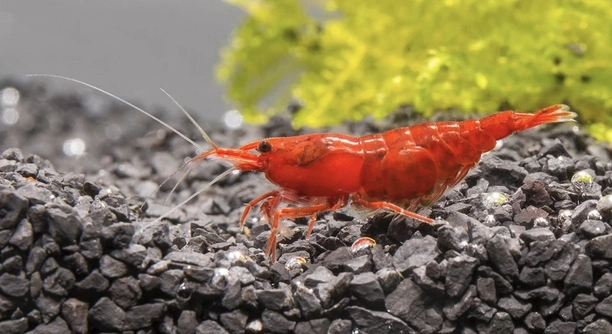
Have you ever noticed your cherry shrimp moving quietly at night while the lights are off? Many shrimp owners observe them exploring their tank in ways that are different from daytime activity patterns. Their nocturnal habits can be fascinating to watch.
Cherry shrimp are naturally more active during low-light conditions. They explore their tanks at night to forage, avoid predators, and interact with their environment, showing consistent nocturnal activity that supports their survival and well-being in home aquariums.
Learning about their nighttime behavior can help you provide a healthier, more stimulating environment for your shrimp and understand their needs better.
Why Cherry Shrimp Move at Night
Cherry shrimp are naturally shy and cautious creatures. During the day, they often hide among plants, rocks, and decorations, avoiding light and potential threats. Nighttime offers them a safer window to search for food and explore their surroundings without disturbance. Many shrimp owners notice increased movement once the tank lights go off. This behavior is instinctive and linked to their survival. Darkness reduces stress, allowing them to leave hiding spots and interact more with their environment. They may graze on algae, scavenge leftover food, or inspect new areas of the tank. Even in well-established tanks, nighttime activity can include minor territorial behavior as they navigate space and resources. Observing these movements can help owners understand shrimp health and environmental preferences. Nighttime exploration is a sign that your shrimp feel secure enough to move freely. Adjusting lighting schedules and providing shelter can improve their comfort and encourage natural behaviors consistently.
Cherry shrimp often move quietly at night, using the darkness to safely explore and forage throughout the tank.
Watching them at night reveals patterns of activity that are usually hidden during daylight. Some shrimp prefer edges and corners, while others roam open areas, often grazing on algae or leftover food. This behavior can vary depending on tank conditions, population density, and water parameters. Light intensity during the day can influence how often they emerge from hiding, with brighter tanks encouraging more nocturnal movement. Observing these habits helps in arranging the tank for optimal comfort. Adding live plants, hiding spots, and gentle filtration allows shrimp to move safely and reduces stress. They can develop routines, remembering areas with food or preferred hiding places. Consistent water quality and feeding schedules also encourage natural night activity. By understanding these patterns, owners can better support shrimp behavior, reduce stress, and enjoy the subtle rhythms of their tank. Nighttime exploration is a healthy sign and an opportunity to study their natural instincts more closely.
How Tank Setup Affects Nighttime Exploration
Shrimp feel safer when there are plenty of hiding spots and plants in the tank.
A well-planted and structured tank encourages movement while reducing stress. Plants, mosses, and small decorations provide cover, allowing shrimp to venture out without feeling exposed. Open spaces between hiding spots enable them to explore efficiently and graze on surfaces freely. The placement of food and areas with algae also influences where they move at night. Tanks with strong currents or harsh lighting may cause shrimp to stay hidden even after lights are off. Adjusting tank conditions, like soft substrate, gentle flow, and low light intensity, promotes natural nocturnal activity. Overcrowded tanks can lead to competition, making shrimp more cautious at night. Temperature stability is another key factor; fluctuations can reduce movement and affect feeding behavior. Observing how your shrimp interact with different areas can help optimize tank layout, ensuring both comfort and activity. Understanding their environmental preferences improves overall health and encourages more consistent nighttime exploration patterns, making it easier to monitor behavior and well-being.
Nighttime Feeding Habits
Cherry shrimp prefer to forage quietly after lights go out. They graze on algae, biofilm, and leftover food, moving slowly to avoid startling themselves or other tank mates. Night feeding is instinctive and helps maintain their energy levels for growth and reproduction.
Nighttime foraging allows shrimp to explore areas they avoid during the day. They carefully inspect plants, decorations, and substrate for food, often nibbling on microscopic organisms that are difficult to see. Feeding patterns can vary depending on tank population and available resources. Providing balanced food in small amounts ensures they have enough nutrition without overfeeding. Over time, shrimp may remember where food tends to appear, revisiting those areas consistently. Nighttime feeding also encourages movement and interaction with the environment, helping shrimp maintain healthy behavior and energy levels. Observing these patterns can indicate if their dietary needs are being met.
The presence of multiple shrimp in a tank influences nighttime feeding. Some shrimp may dominate certain areas, while others focus on alternative spots to avoid competition. Proper spacing of food and hiding areas reduces stress and promotes more equal access for all shrimp. Lighting and tank structure also affect how freely they forage. Tanks with plenty of cover allow timid shrimp to move confidently, while open, exposed tanks can restrict activity. Maintaining clean water supports consistent feeding, as shrimp are more active when parameters are stable. Observing their feeding habits at night helps in adjusting food amounts, placement, and tank setup to encourage healthy, natural behaviors.
Interaction With Tank Mates
Shrimp activity at night is often influenced by other tank inhabitants. They may avoid fish or more aggressive species and stick to safer zones while moving.
Nighttime exploration can reveal how shrimp interact with each other and other tank mates. Shy shrimp tend to remain near plants or decorations, while more confident individuals move across open areas to forage. Stress from nearby fish can limit activity, reducing feeding and grazing behavior. Providing ample hiding spots and structured areas allows shrimp to coexist peacefully and explore without fear. Observing these interactions at night highlights social dynamics, showing which shrimp are more dominant and which prefer quieter areas. Understanding these patterns can guide tank adjustments and improve overall harmony.
Shrimp often communicate subtly through movement and contact at night. They may graze near one another, briefly touch, or follow trails left by others. These interactions support social cohesion and indicate comfort levels within the tank. Tanks with multiple shrimp species or other invertebrates require careful monitoring, as activity levels and territorial behavior can differ. Nighttime observation can reveal patterns of avoidance, cooperation, and preferred zones. Ensuring enough space, food, and shelter encourages balanced social behavior, allowing shrimp to move freely while minimizing stress. Adjusting tank layout based on these observations can improve harmony, nighttime exploration, and overall shrimp health.
Signs of Nighttime Activity
Shrimp often leave small trails of movement across plants and substrate after lights are off. Tiny scratches on leaves or algae surfaces can indicate where they have been grazing.
Their antennae twitch constantly as they explore, sensing the environment. Quick, deliberate movements show confidence, while slow, cautious steps suggest they are checking for potential threats nearby.
Tank Lighting and Shrimp Behavior
Lighting directly affects how active shrimp are at night. Bright daytime lighting can make them hide for hours, while dimmed or natural night settings encourage exploration. Gradual light transitions reduce stress, allowing shrimp to adjust to changes without sudden exposure. Low-intensity LED lights can be left on during nighttime, helping monitor shrimp activity without disturbing their natural patterns. Tank plants and decorations create shaded areas where shrimp feel secure, promoting movement throughout the tank. Consistent day-night cycles reinforce their circadian rhythm, ensuring regular feeding and foraging. Adjusting light levels thoughtfully improves shrimp confidence and encourages them to fully utilize the tank space.
Safety During Nighttime Exploration
Shrimp need stable water conditions and gentle filtration to move safely at night.
FAQ
Do cherry shrimp prefer total darkness at night?
Cherry shrimp do not need complete darkness, but they are more active in dim or low-light conditions. Darkness reduces stress and allows them to leave hiding spots to forage. Many owners notice they explore more freely when the tank lights are off or very dim. Providing shaded areas or floating plants also helps them feel secure while still allowing some visibility for observation.
How much do cherry shrimp move at night?
Movement varies depending on the shrimp’s personality, tank setup, and population. Some may move across the entire tank, grazing on plants and substrate, while others stay near the corners or hiding spots. Nighttime activity generally increases compared to daytime because they feel safer and can access food without disturbance. Monitoring patterns can show if your shrimp are healthy and comfortable.
Can fish affect shrimp nighttime behavior?
Yes, fish presence can influence shrimp activity. Aggressive or large fish may limit shrimp movement, forcing them to hide more often. Peaceful or small tank mates usually have less impact, allowing shrimp to explore freely. Providing plenty of plants and hiding spots reduces stress and ensures shrimp feel safe enough to move at night.
Do cherry shrimp forage differently at night?
At night, shrimp often graze slowly and methodically. They nibble on biofilm, algae, and leftover food, exploring areas they avoid during the day. Some shrimp remember areas where food is often present and revisit them consistently. Nighttime foraging is a natural instinct that helps them stay nourished while minimizing risk from perceived threats.
How does tank size influence nighttime exploration?
Smaller tanks limit movement and may make shrimp feel crowded, reducing nighttime activity. Larger tanks with plenty of plants, rocks, and decorations give them more room to explore, forage, and interact with one another. Providing enough space ensures even timid shrimp can move confidently, which supports healthy behavior patterns.
Does water quality affect night activity?
Stable water parameters are essential for consistent movement. High ammonia, nitrite, or unstable pH can stress shrimp, causing them to hide more even at night. Clean water with regular maintenance ensures shrimp feel safe, promoting natural nighttime exploration and feeding. Monitoring temperature, hardness, and filtration also supports activity levels.
Should I leave the tank light on for observation?
A very dim or red light can be used to observe shrimp without disrupting their natural activity. Bright lights should be avoided, as they may make shrimp retreat to hiding spots. Many owners notice shrimp explore naturally once lights are off, allowing you to watch without interfering with their behavior.
Do shrimp interact with each other at night?
Yes, nighttime encourages social behavior. Shrimp may graze near each other, briefly touch, or follow trails left by others. These subtle interactions indicate comfort and can reveal hierarchy or preferences within the group. Adequate space and hiding areas support balanced social dynamics and reduce stress.
Can stress affect nighttime exploration?
High stress from predators, poor water quality, or overcrowding can reduce shrimp activity. Timid shrimp may hide most of the night and limit foraging. Ensuring stable conditions, gentle filtration, and safe tank mates promotes confidence and encourages them to explore regularly.
How often should I check on their nighttime activity?
Observing shrimp a few times per week is enough to understand their habits. Frequent disturbance can stress them, while occasional monitoring helps track feeding patterns, movement, and general health. Adjusting tank layout or lighting based on these observations can improve comfort and natural behavior.
Do baby shrimp explore at night?
Baby shrimp are more cautious but do explore at night once they feel safe. They stay near plants and decorations, gradually venturing further as they grow. Providing abundant cover ensures they can forage and develop without being exposed to stress from larger tank mates.
Can tank decorations impact nighttime movement?
Yes, decorations create hiding spots and pathways, encouraging shrimp to explore. Smooth surfaces, plants, and mosses give them secure areas to move through while foraging. Open spaces allow confident shrimp to roam freely, so a balanced tank setup supports activity and reduces stress.
How does feeding schedule affect night exploration?
Shrimp may learn routines and explore areas where food is regularly placed. Nighttime activity often peaks shortly after feeding if food is left in accessible spots. Overfeeding can reduce foraging behavior, while controlled feeding encourages movement and natural grazing habits.
Is nighttime exploration a sign of healthy shrimp?
Consistent movement at night generally indicates good health. Active shrimp demonstrate proper energy levels, foraging behavior, and comfort in their environment. Lack of movement or hiding excessively may signal stress, illness, or poor water conditions that need addressing.
Do all cherry shrimp behave the same at night?
Behavior varies between individuals. Some are bold and roam widely, while others are timid and stay hidden. Factors like personality, tank setup, and population density influence activity patterns. Observing shrimp individually helps understand differences and ensure all shrimp can explore safely.
How long do cherry shrimp stay active at night?
Nighttime activity usually lasts for several hours after lights go out. They may explore, graze, and interact intermittently before resting in hiding spots. Activity patterns are influenced by tank conditions, food availability, and perceived safety. Stable lighting schedules help maintain consistent routines.
Can nighttime exploration help with breeding?
Active shrimp at night are more likely to find food, interact, and engage in mating behaviors. Providing safe, shaded areas and stable conditions supports reproductive activity and overall health. Nighttime exploration indicates comfort, which is important for breeding success.
Does temperature affect night activity?
Yes, temperature stability is important. Too low or high temperatures can reduce movement and foraging. Keeping water within the recommended range for cherry shrimp encourages normal nighttime behavior and supports feeding, growth, and reproduction.
Cherry shrimp are small but fascinating creatures. Observing them at night can reveal behaviors that are not always visible during the day. Their activity in darkness is natural and instinctive. At night, they feel safer, which encourages them to leave hiding spots and explore their environment. They move slowly across the substrate, graze on algae, and inspect plants and decorations. Even tiny movements, like antennae twitching or gentle grazing, can indicate they are active and healthy. This behavior is not random—it is guided by instincts that help them find food, avoid danger, and interact with other shrimp. Understanding these patterns helps tank owners provide a more suitable environment for their shrimp. Over time, observing nighttime behavior can also show if the shrimp are comfortable, well-fed, and stress-free. When they move confidently, it is a good sign that tank conditions, including water quality and hiding spaces, meet their needs.
Tank setup plays a major role in encouraging nighttime activity. Shrimp need areas where they can feel secure while exploring. Plants, mosses, rocks, and other decorations provide hiding spots that make them feel safe. Open spaces allow confident shrimp to move freely and forage efficiently. Lighting is another important factor. Bright lights during the day may cause them to hide, while dim or low-light settings encourage natural nocturnal activity. Gradual transitions between day and night light cycles can reduce stress and prevent sudden retreats into hiding. Filtration, temperature, and water quality also affect their comfort. Stable parameters support regular movement and foraging. Overcrowding or aggressive tank mates can make shrimp hesitant to move, even at night. Careful observation helps identify areas where changes may be needed. By adjusting the tank layout, light, and environment, owners can create a space where shrimp feel confident and secure during nighttime exploration.
Understanding nighttime behavior is useful beyond observation. It can help improve feeding practices, social interactions, and overall shrimp health. Nighttime foraging ensures they get enough nutrients while reducing competition or stress. Social behavior, like grazing near each other or following trails, supports group dynamics and indicates comfort levels. Baby shrimp are more cautious but gradually explore as they grow, so providing plenty of cover is important. Observing these behaviors allows adjustments in food placement, hiding spots, and tank structure to support all shrimp. Regular nighttime activity is a strong indicator of good health and well-being. Taking note of patterns over time also helps detect potential problems, such as illness, stress, or poor water conditions. Overall, paying attention to how cherry shrimp explore their tank at night offers insights into their natural instincts, comfort, and environmental needs. It allows owners to provide a better home while enjoying subtle, interesting behaviors that make shrimp keeping rewarding.

Hello,
If you enjoy the content that we create, please consider saying a "Thank You!" by leaving a tip.
Every little bit helps us continue crafting quality advice that supports the health, happiness, and well-being of pets around the world, for pets of all shapes, sizes, and species.
We really appreciate the kindness and support that you show us!