
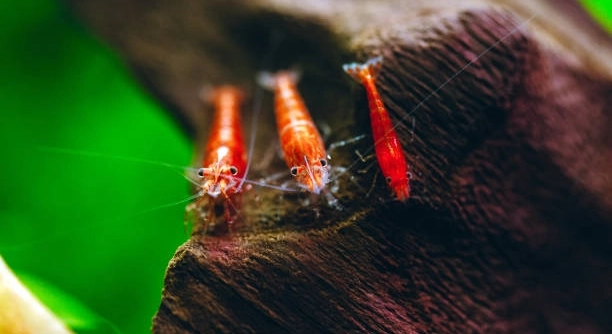
Have you ever noticed your cherry shrimp moving around the tank with small, careful steps, seeming to inspect every corner? These tiny creatures appear busy, yet their behavior can be surprisingly complex for such small animals.
Cherry shrimp primarily explore their environment rather than actively patrol. Their movements are mostly driven by searching for food, shelter, and interacting with other shrimp. This behavior is natural and helps maintain their well-being in the aquarium.
Observing these shrimp more closely can reveal patterns and habits that are not immediately obvious, adding a new level of appreciation for their daily routines.
Understanding Cherry Shrimp Movement
Cherry shrimp move in a way that seems careful and purposeful. They often stop to pick at surfaces, searching for algae or tiny food particles. Their small size allows them to squeeze into tight corners, hiding or exploring areas larger fish may ignore. Watching them over time, you notice patterns. Some shrimp stay near plants or decorations, while others spend more time along the substrate. They are constantly adjusting their position, sensing their surroundings. This behavior helps them find food efficiently and avoid threats. Even in a well-fed aquarium, they will continue this methodical movement. Observing these shrimp can be relaxing, as their quiet, persistent motion is almost meditative. Each shrimp has subtle differences, with some moving boldly across open spaces and others preferring sheltered spots. This variation adds interest and demonstrates their individual behavioral tendencies. Over time, these movement patterns can indicate health and environmental comfort.
Exploring behavior is natural, not random. Shrimp actively seek resources while staying aware of potential dangers.
Movement patterns can reveal health issues or stress. Shrimp that stop exploring or cling to one spot may need environmental adjustments. Observing these behaviors helps maintain a balanced tank and keeps the shrimp active. Factors like water quality, temperature, and available hiding spaces directly influence how much a shrimp moves. By keeping conditions stable, shrimp show more consistent and confident exploration.
Differences Between Exploring and Patrolling
Exploring is about searching for food and shelter, while patrolling would imply territorial behavior. Most cherry shrimp do not defend areas but move based on needs.
Cherry shrimp rarely patrol in a territorial sense. They are more focused on feeding and interacting with their immediate surroundings. Patrolling would involve repetitive routes or guarding a space, which is uncommon for these small shrimp. Instead, their movement is flexible and responsive. This approach allows them to adapt to changing conditions, locate resources, and avoid potential threats. Overcrowding or stress can alter movement patterns, sometimes mimicking patrol-like behavior, but these are responses rather than true territory defense. Observing these subtle differences helps aquarists understand shrimp behavior better. By noting where shrimp spend time and how they interact with tank elements, you can distinguish natural exploration from occasional repetitive movement caused by environmental stress. This knowledge aids in creating a comfortable, stimulating habitat that supports their natural habits and overall well-being.
Environmental Influence on Movement
Shrimp movement changes with their surroundings. Plants, decorations, and hiding spots guide their paths. Open areas make them cautious, while dense foliage encourages exploration and foraging.
Water quality, temperature, and current all affect how much shrimp move. Poor water conditions can slow them down, while stable parameters encourage active searching. They respond to light cycles, feeding schedules, and tank mates. Even small changes, like rearranging decorations, can alter patterns. Observing their reactions helps gauge comfort levels. Shrimp often prefer areas with gentle current and plentiful cover, balancing safety and food availability.
The presence of other shrimp influences movement too. High population density may reduce individual exploration, while low density allows bolder behavior. Shrimp adjust routes based on neighbors’ positions, avoiding crowded spots. Their social interactions, though subtle, shape movement patterns over time. By paying attention to these environmental cues, you can create a habitat that encourages natural and consistent activity, keeping your shrimp healthy and engaged.
Feeding and Movement Patterns
Shrimp often move in ways linked directly to food availability. They explore actively when hungry, slowing after feeding.
Feeding habits shape how shrimp interact with their tank. They search surfaces for leftover food and algae, moving methodically to cover the area. Different food types influence movement: sinking pellets encourage substrate foraging, while floating foods may lead them to the water surface. Shrimp are sensitive to meal timing, often anticipating feeding periods and gathering near likely locations. Movement is also affected by food quantity; limited food increases searching behavior, while abundant food allows relaxed activity. Observing these patterns provides insights into appetite and overall health.
Shrimp movement can indicate dietary balance. Overfed shrimp may show lethargy, while underfed shrimp become more active in search of resources. Adjusting feeding schedules and observing activity helps maintain energy levels and ensures shrimp remain healthy. Watching how they approach new food or change direction in the tank reveals subtle preferences and social dynamics during feeding times. A well-fed shrimp population tends to be more confident, exploring open spaces and interacting with tank features naturally, which improves the overall vibrancy of the aquarium environment.
Social Interactions
Shrimp movement is influenced by tank mates. They adjust paths to avoid collisions and maintain personal space.
Dominance and hierarchy play a subtle role. Some shrimp may follow or shadow others while exploring, but aggressive behaviors are rare.
Stress and Movement
Shrimp reduce activity under stress. Sudden changes, overcrowding, or poor water quality cause them to hide or move less.
Stress impacts both frequency and range of movement. Shrimp may cling to plants or decorations, avoiding open areas entirely. Recovery requires stable water conditions, proper temperature, and consistent feeding. Gradual changes in the tank environment help shrimp regain confidence and normal activity. Regular observation allows early detection of stress signs. Noticing patterns like prolonged hiding or erratic movement indicates the need for adjustments. By maintaining a calm, predictable environment, shrimp regain natural exploration habits, move more freely, and maintain overall health.
Breeding Influence
Pregnant females move differently. They often stay near plants or sheltered areas for protection, limiting open-area exploration.
Lighting Effects
Lighting affects visibility and comfort. Shrimp move more under moderate lighting and tend to hide under strong light or darkness.
FAQ
Why do cherry shrimp move constantly around the tank?
Cherry shrimp are naturally active, moving to search for food, explore surfaces, and interact with their environment. Constant movement helps them locate algae, biofilm, or leftover food while staying aware of potential dangers. Even in a well-planted tank, their exploration ensures they remain healthy and engaged.
Do cherry shrimp patrol like fish do?
No, cherry shrimp do not patrol territories. Their movement is goal-oriented, focused on feeding, hiding, and exploring. Occasional repetitive routes may appear like patrolling but are usually reactions to environmental factors, such as food placement or crowding, rather than true territorial behavior.
How does tank setup affect their movement?
The tank environment strongly influences shrimp behavior. Plants, decorations, and hiding spaces guide their paths, encouraging exploration. Open areas may make them cautious, while dense foliage promotes foraging and activity. Water flow, temperature, and light also impact how and where shrimp move.
Why do some shrimp stay in one spot?
Shrimp that remain in a single location may be resting, stressed, or responding to poor water conditions. They might cling to plants or substrate for security. Consistent observation of stationary shrimp helps determine whether adjustments in diet, water quality, or tank layout are necessary.
Does feeding change how shrimp explore?
Yes, feeding heavily influences movement. Hungry shrimp actively search for food, moving across surfaces methodically. After eating, activity may decrease. Different food types can alter foraging patterns, such as sinking pellets encouraging substrate movement while floating foods draw shrimp upward.
Do shrimp interact with each other while moving?
Shrimp movement is subtly social. They avoid collisions, follow each other occasionally, or explore near other shrimp. While they are not aggressive, social presence affects paths and spacing, making movement patterns dynamic rather than random.
Can stress change their movement patterns?
Stress reduces activity and increases hiding behavior. Overcrowding, poor water quality, or sudden environmental changes can cause shrimp to cling to shelter or avoid open areas. Gradual adjustments in the tank and consistent conditions help shrimp regain natural movement and confidence.
How does breeding affect movement?
Female shrimp carrying eggs often restrict their movement to safe areas. They stay near plants or decorations to protect their eggs, reducing open-area exploration. Observing these changes can help identify breeding stages and provide a calm environment for successful reproduction.
Does lighting influence shrimp activity?
Lighting affects visibility and comfort. Moderate lighting encourages movement, while strong light may cause shrimp to hide. Similarly, very low light or sudden darkness can reduce activity. Adjusting light gradually and providing shaded areas allows shrimp to move comfortably.
How can I encourage natural movement in my shrimp?
Providing a well-planted tank, stable water conditions, and varied feeding encourages natural exploration. Avoid overcrowding, sudden temperature shifts, and harsh lighting. Observing shrimp responses helps tailor the environment, promoting healthy, active behavior while maintaining a calm, balanced habitat.
Why do shrimp seem to explore the same spots repeatedly?
Shrimp often revisit productive feeding areas or safe hiding spots. Repetition is not territorial behavior but efficiency. By covering areas known to provide food or security, shrimp optimize energy use and minimize exposure to stressors in their environment.
Are shrimp more active at certain times of the day?
Yes, cherry shrimp often show activity patterns linked to feeding and light cycles. They may move more during early morning or late evening when light is moderate and feel safer exploring open areas. Recognizing these patterns helps anticipate activity and monitor health effectively.
Can I tell if a shrimp is unhealthy by its movement?
Changes in movement can indicate health issues. Lethargy, erratic swimming, or prolonged hiding may signal stress, poor water conditions, or disease. Monitoring movement trends over time provides early detection, allowing prompt interventions to maintain shrimp well-being.
How do tank mates affect movement?
Other shrimp or non-aggressive tank mates influence movement subtly. Shrimp adjust paths to avoid collisions and maintain space. High density may reduce individual exploration, while a balanced population encourages natural behavior. Understanding these interactions helps design a comfortable, active tank for all inhabitants.
Is it normal for shrimp to move quickly and then stop suddenly?
Yes, sudden bursts of movement followed by pauses are typical. This behavior allows them to respond to stimuli, search efficiently, or avoid perceived threats. Observing these patterns provides insight into environmental comfort and activity levels.
Do water current and flow impact shrimp movement?
Moderate water flow encourages exploration and activity. Strong currents may limit movement, pushing shrimp into sheltered areas. Adjusting flow to mimic natural conditions supports natural foraging behavior and reduces stress.
Cherry shrimp are small but fascinating creatures, and their movements can reveal a lot about their habits and comfort levels in an aquarium. Observing them over time shows that they are constantly engaged in exploring their environment, searching for food, and interacting with the surroundings. Their movement is not random; it is deliberate and influenced by many factors, such as water quality, temperature, lighting, and the layout of the tank. Even subtle changes, like moving decorations or adjusting plants, can alter the paths they take. Shrimp that appear cautious in open areas are often responding to perceived risks, while those that move boldly across exposed surfaces feel secure in their environment. Understanding these nuances helps in creating a tank setup that encourages natural behavior while ensuring the shrimp remain healthy and stress-free.
Feeding patterns are also closely tied to movement. Hungry shrimp tend to explore more actively, covering surfaces thoroughly in search of food. The type of food provided changes how they move as well. Sinking foods encourage shrimp to forage along the substrate, while floating foods can bring them toward the water surface. Overfed shrimp, on the other hand, may reduce their activity, appearing slower or spending more time hiding. Social interactions add another layer to their movement. While cherry shrimp are not territorial or aggressive, they still respond to the presence of others. They avoid collisions and adjust their paths to maintain personal space. Observing these subtle social behaviors allows for better tank management, helping to balance shrimp population and ensure that all individuals have access to resources without unnecessary stress.
Environmental stability is crucial for maintaining consistent movement patterns. Sudden changes in water parameters, lighting, or tank setup can cause shrimp to hide or move less, signaling stress. Female shrimp carrying eggs often limit their movement, staying close to sheltered areas for protection. Gradual adjustments to the environment, along with stable water conditions and proper feeding, help shrimp regain confidence and return to their normal exploration habits. Even small details, such as moderate lighting and gentle water flow, can improve activity levels and promote healthy behavior. By paying attention to these factors, shrimp keepers can better understand the needs of their aquatic pets and provide a habitat where they feel safe, stimulated, and able to behave naturally. Observing cherry shrimp closely not only helps ensure their well-being but also adds a rewarding layer of enjoyment for anyone maintaining a tank.

Hello,
If you enjoy the content that we create, please consider saying a "Thank You!" by leaving a tip.
Every little bit helps us continue crafting quality advice that supports the health, happiness, and well-being of pets around the world, for pets of all shapes, sizes, and species.
We really appreciate the kindness and support that you show us!