
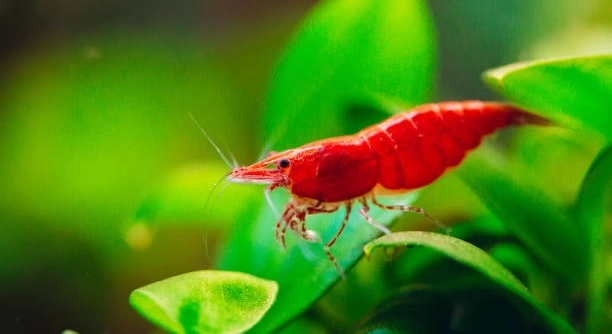
Cherry shrimp are small, vibrant creatures that brighten any freshwater aquarium. Their movements and habits often seem unusual to new owners, but these behaviors are normal parts of their daily routine and interactions.
Many behaviors of cherry shrimp that appear odd, such as flicking their legs rapidly, grazing constantly on surfaces, or hiding in unusual spots, are instinctual and necessary for their feeding, molting, and social interactions within their environment.
Observing these shrimp closely can reveal the reasoning behind each quirky action, helping you better care for them and appreciate their unique personalities.
Twitching and Flicking Legs
Cherry shrimp often twitch or flick their legs in rapid, jerky motions. This behavior can look alarming, but it is completely normal. These movements help shrimp clean their legs and antennae while also allowing them to sense food particles in the water. By flicking, they remove debris that might interfere with eating or molting. It is particularly noticeable after molting, when their new exoskeleton is soft. Twitching may also occur when they feel a slight disturbance in the water, serving as a primitive alert system. Watching carefully, you will notice that this movement is almost constant but rarely aggressive. These small, quick motions are a sign of a healthy shrimp maintaining hygiene and interacting with its environment in subtle ways.
Twitching and flicking legs are natural and indicate your shrimp are attentive to their surroundings and cleaning themselves properly.
Being aware of this behavior can help you avoid unnecessary worry and better understand their daily activity patterns. Observing them during feeding or after water changes can make these actions easier to spot and appreciate.
Hiding in Corners
Cherry shrimp spend a lot of time hiding in corners or behind decorations. This behavior is typical, especially when they feel threatened or are preparing to molt.
Hiding is a protective measure, allowing them to avoid larger tank mates and potential stressors.
Shrimp instinctively seek out quiet, enclosed spaces where they feel safe. During molting, they are particularly vulnerable, and hiding ensures they can shed and harden their new exoskeleton without interference. Even outside molting periods, shrimp may retreat when the tank is busy, the lighting is strong, or when new shrimp are introduced. By providing moss, small caves, and plants, you create an environment that caters to this need. Understanding their preference for secluded spots helps you design a tank that keeps them comfortable. Hiding is not a sign of illness or fear in most cases but rather a reflection of natural behavior and survival instincts. Observing how often and where your shrimp hide gives insight into their comfort level in the aquarium.
Constant Grazing
Cherry shrimp spend much of their time grazing on surfaces. They scrape algae, biofilm, and leftover food to meet their nutritional needs. This constant activity is normal and helps maintain a healthy tank environment.
Grazing is essential for their diet. Shrimp use their tiny legs and mouthparts to pick at every surface, ensuring they consume enough nutrients. Even if they appear picky, this behavior keeps them healthy and active. You might notice them on plants, decorations, or tank glass, slowly nibbling away. Grazing also promotes natural cleaning of the aquarium surfaces, reducing buildup and maintaining balance. Regular observation will show that they rarely stop this activity, highlighting its importance for survival.
Frequent grazing also helps shrimp establish their place in the tank’s ecosystem. By constantly feeding, they maintain energy for molting, movement, and interacting with other shrimp, which is crucial for their overall well-being.
Molting and Hiding
Molting is a critical phase in a cherry shrimp’s life, requiring seclusion for safety. The process leaves them vulnerable until their new shell hardens.
During molting, shrimp retreat to plants, rocks, or tank corners to avoid attention. This secluded behavior ensures they can shed their old exoskeleton without being disturbed. The new shell is soft, and any stress or bump could cause injury or death. Observing the timing and frequency of molting helps you understand their growth patterns and health. A well-fed shrimp with plenty of hiding spaces will molt more successfully, reflecting a supportive tank environment.
After molting, shrimp may remain hidden for hours or even a full day while their exoskeleton hardens. They gradually return to regular activity, resuming grazing and exploring. Watching this process provides insight into their natural protective instincts and reinforces the importance of providing adequate cover in the tank. Understanding molting behavior ensures you can create a safe space, improving survival rates and overall shrimp health.
Shaking Antennae
Cherry shrimp often shake their antennae rapidly. This movement is a way to sense water currents, detect food, and explore their surroundings. It may seem unusual, but it is a normal part of how they interact with the environment.
Antennae shaking also helps them communicate subtly with other shrimp. By moving them constantly, they gather information about nearby shrimp, potential threats, and available food. It is a gentle, continuous motion that rarely indicates stress or illness, simply a natural sensory behavior.
Swimming Backwards
Swimming backward is another behavior that appears odd but is common. Shrimp use this motion to navigate quickly or avoid obstacles in tight spaces.
Climbing Plants
Cherry shrimp enjoy climbing plants and decorations. This allows them to reach algae, explore, and stay active within the tank.
Rubbing Against Surfaces
Rubbing against surfaces helps shrimp clean their exoskeleton and remove algae or debris. It is a normal self-maintenance behavior.
Why do cherry shrimp flick their legs so much?
Cherry shrimp flick their legs as a natural way to clean themselves. The small, rapid movements remove dirt, algae, and leftover food from their legs and mouthparts. It also helps them sense particles in the water. This behavior is a sign of healthy shrimp maintaining hygiene and exploring their environment safely.
Is it normal for cherry shrimp to hide frequently?
Yes, hiding is entirely normal. Shrimp seek secluded areas to feel safe, especially during molting. They may retreat to plants, corners, or decorations when the tank is busy or when lights are bright. Providing plenty of hiding spaces helps them stay comfortable and reduces stress.
Why do my shrimp graze constantly?
Grazing is an essential part of a cherry shrimp’s diet. They scrape algae, biofilm, and leftover food from surfaces using their tiny legs and mouthparts. Constant grazing ensures they receive enough nutrition, promotes natural cleaning in the tank, and keeps them active. It is not a sign of hunger alone but an instinctual feeding habit.
Do cherry shrimp swim backwards often?
Yes, swimming backward is a natural behavior. Shrimp use this motion to quickly avoid obstacles or potential threats. This movement is controlled and not a sign of injury. Observing them in small tanks may make it appear more frequent, but it is a normal part of their navigation strategy.
Why are my shrimp rubbing against tank surfaces?
Rubbing against surfaces helps cherry shrimp clean their exoskeleton and remove debris or algae. It is a common maintenance behavior and ensures their shell remains healthy. After molting, rubbing may also help harden the new exoskeleton by stimulating surface contact and movement.
Is it unusual for shrimp to climb plants and decorations?
Climbing is completely normal. Cherry shrimp enjoy reaching higher spots to find algae or explore. This behavior also allows them to stay active and interact with their environment. Providing plants and decorations encourages natural climbing, which is beneficial for both mental stimulation and physical health.
Why do shrimp shake their antennae constantly?
Shaking antennae is a sensory behavior. Cherry shrimp use their antennae to detect water currents, nearby food, and other shrimp. It also helps them communicate subtly and understand their surroundings. Rapid movement of antennae is normal and indicates that the shrimp are alert and actively sensing their environment.
Should I be concerned if my shrimp molting frequently?
Frequent molting can be normal, especially in young or growing shrimp. Each molt allows them to shed an old exoskeleton and grow a larger one. Ensure there are hiding spots and adequate nutrition. If molting seems stressful or incomplete, it may indicate water quality issues or a lack of essential minerals.
Why do shrimp sometimes appear lazy or still?
Periods of stillness are normal, especially after molting or during rest. Cherry shrimp conserve energy and stay hidden to avoid stress. Occasional inactivity is not a cause for concern, but prolonged lethargy, discolored shells, or lack of appetite could signal water quality or health problems.
Can shrimp communicate with each other?
Yes, communication is mostly subtle and involves body movements, antennae shaking, and grazing patterns. These signals help establish territory, indicate stress, or coordinate feeding. While not vocal or overt, shrimp are constantly aware of each other through these behaviors, maintaining balance within the tank environment.
Why do shrimp sometimes twitch suddenly?
Twitching is a reaction to minor water disturbances, sudden movements, or sensing nearby shrimp. It is an instinctive reflex rather than a sign of illness. Observing the frequency and context of twitches can help determine if it is simply normal alert behavior.
How can I tell if my shrimp behaviors are healthy?
Healthy shrimp will groom themselves, graze regularly, hide when needed, and move around actively. Shells should look clean and intact, and molting should proceed without issues. Sudden changes in movement, appetite, or coloration may indicate stress, poor water quality, or disease and should be addressed promptly.
Are all odd shrimp behaviors linked to stress?
Not all behaviors are linked to stress. Many odd-looking actions, like leg flicking, rubbing, or backward swimming, are instinctual and part of their natural maintenance or exploration. Stress-related behaviors usually include hiding excessively, lethargy, or unusual color changes, which are more concerning signs.
How important is observation for understanding shrimp behavior?
Observation is key. Watching shrimp regularly helps identify normal versus concerning behaviors. Noting patterns during feeding, molting, and daily activity allows you to maintain optimal tank conditions and ensure your shrimp remain healthy, active, and safe in their environment.
Cherry shrimp are small but fascinating creatures, and understanding their behaviors can make keeping them a more enjoyable experience. Many of the actions that seem odd at first, like flicking legs, rubbing against surfaces, or hiding in corners, are completely normal. These behaviors are natural ways for them to clean themselves, find food, or protect themselves during vulnerable times, such as molting. Recognizing that these movements are instinctive helps reduce unnecessary worry and allows for a better appreciation of how adaptive and intelligent shrimp can be in their environment. Observing shrimp closely over time often reveals patterns, showing how each shrimp interacts with its tank and responds to changes in lighting, water flow, or other tank mates.
Creating a tank environment that supports these behaviors is crucial for their health and happiness. Providing plenty of hiding spaces, live plants, and surfaces to graze on ensures that shrimp can perform their natural behaviors without stress. Clean water, stable temperature, and proper nutrition also contribute to healthy activity levels and successful molting cycles. Understanding the reasons behind their odd behaviors makes it easier to spot any potential problems early, such as unusual lethargy, irregular molting, or lack of appetite. By addressing these concerns promptly and maintaining a stable, supportive environment, you can ensure your shrimp live longer and remain active and vibrant.
Paying attention to your shrimp’s behavior can be both informative and rewarding. Watching them graze, climb, and interact provides insight into their unique personalities and natural instincts. Their small, consistent movements may seem strange at first, but they serve practical purposes that are essential for survival and comfort. By learning to interpret these behaviors, you can provide better care and feel more connected to the shrimp in your tank. Over time, these observations help create a peaceful and balanced aquarium, where shrimp can thrive and display their natural tendencies safely. Appreciating these small, often subtle behaviors allows you to enjoy the full experience of keeping cherry shrimp while ensuring their well-being and long-term health.

Hello,
If you enjoy the content that we create, please consider saying a "Thank You!" by leaving a tip.
Every little bit helps us continue crafting quality advice that supports the health, happiness, and well-being of pets around the world, for pets of all shapes, sizes, and species.
We really appreciate the kindness and support that you show us!