
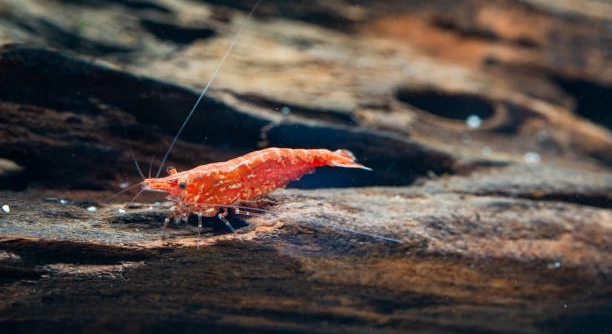
Cherry shrimp are small, vibrant freshwater creatures that often captivate hobbyists with their energetic movements and charming colors. Watching them in a tank can be relaxing, especially as they navigate their environment with apparent ease and curiosity.
Cherry shrimp explore new areas at a moderate pace, influenced by water conditions, available food, and tank setup. They do not move rapidly into unfamiliar spaces, often assessing safety and adjusting gradually before full exploration.
Observing their careful movements can reveal more about their habits and comfort levels in new environments, offering insight into their natural behaviors.
Factors That Affect Cherry Shrimp Movement
Cherry shrimp movement is influenced by several key factors in their tank environment. Water quality is the most important, as shrimp are sensitive to ammonia, nitrites, and pH fluctuations. Poor water conditions can make them hesitant to explore new areas, staying near hiding spots. Temperature also plays a role; cooler water slows their activity, while warmer water encourages more movement, as long as it remains within their safe range. Tank setup matters too—plants, rocks, and decorations provide both cover and obstacles. Shrimp will often explore areas where they feel safe, using moss or plants as intermediate points. Food availability impacts their behavior as well; they are more likely to investigate new areas when looking for algae or other edible material. Even lighting affects them, since bright lights can make them retreat to shaded regions. By understanding these factors, you can predict and support their exploratory behavior more effectively.
Water quality, temperature, and tank setup all work together to influence how confidently shrimp move around and explore their environment.
Monitoring these conditions ensures shrimp remain healthy and willing to explore, improving both their activity levels and overall well-being.
How to Encourage Exploration
Providing a safe and structured tank encourages shrimp to investigate more freely.
Adding live plants, gentle water flow, and small hiding spots helps them feel secure while discovering new areas. Carefully introducing new decorations can spark their curiosity without causing stress.
Observation is key. Shrimp are cautious by nature, and sudden changes can make them retreat. Gradually rearranging their tank allows them to adapt while still exploring. Feeding in different spots also motivates them to move and check out new locations. Shrimp are social in groups, so a community tank may encourage more movement compared to a single shrimp. Avoid overhandling or tapping the glass, as this can frighten them and reduce exploration. With consistent care, they become more confident, using the entire tank space to forage and interact with their environment. Over time, you’ll notice patterns in their behavior, understanding which areas attract them most and how they respond to changes. A well-maintained, thoughtfully arranged tank makes exploration safer and more enjoyable for cherry shrimp.
Signs Cherry Shrimp Are Exploring
Shrimp exploring new areas often move slowly, pausing frequently to sense their surroundings. They stretch out their antennae and inspect surfaces, especially around plants or decorations, before venturing further. Their movements are deliberate, showing curiosity while maintaining safety.
When cherry shrimp feel comfortable, they explore more confidently, moving across the tank in short bursts. They often test new areas cautiously, returning to familiar hiding spots if they feel insecure. The presence of food increases movement, as shrimp venture farther to forage. Social interaction with other shrimp also encourages exploration, as one shrimp’s movement can prompt others to follow. Stress, poor water conditions, or sudden changes can inhibit this behavior, making it essential to maintain a stable environment. Over time, shrimp develop preferred paths, showing where they feel safest and most comfortable. Observation of these patterns helps in understanding their behavior and adjusting the tank to support confident exploration.
Movement patterns reveal much about a shrimp’s comfort level. Consistent observation helps identify environmental factors that encourage or limit exploration, supporting healthier and more active shrimp.
Encouraging Safe Exploration
Providing hiding spaces and gentle currents promotes safe exploration. Plants, moss, and small decorations offer secure spots while allowing shrimp to investigate new areas confidently.
Gradually rearranging the tank gives shrimp new terrain without causing stress. Introducing new hiding spots or lightly altering plant placement encourages movement. Food placement in different locations motivates them to explore safely, while maintaining water quality reduces hesitation. A stable temperature and consistent lighting further support confident behavior. Social interaction in groups also stimulates curiosity, as shrimp follow each other while moving. Careful observation of their responses ensures changes are beneficial. By offering a well-structured environment, shrimp gain both security and stimulation, resulting in more active exploration. Creating a tank that balances safety and opportunity encourages natural behaviors, making shrimp more confident and willing to investigate all areas. Regular monitoring ensures adjustments are supportive, not disruptive, allowing shrimp to thrive in their space.
Typical Exploration Speed
Cherry shrimp move at a steady pace when exploring new areas. They rarely rush, taking time to inspect surfaces and objects in their path. Their careful movements help them stay safe while discovering unfamiliar spaces.
Exploration speed can vary depending on the tank’s environment. Calm water and plenty of hiding spots encourage slower, more confident movement. Sudden changes or disturbances may cause them to freeze or retreat, temporarily halting exploration. Observing their pace provides insight into comfort levels and environmental preferences.
Impact of Tank Size
Larger tanks allow cherry shrimp to spread out and explore more freely. The extra space encourages movement and reduces competition for resources, helping them feel secure while investigating different areas.
Role of Social Interaction
Shrimp often mirror the movements of others in the tank. Observing peers explore can encourage hesitant individuals to venture into new areas. Social dynamics play an important role in overall activity.
FAQ
How quickly do cherry shrimp explore new areas?
Cherry shrimp explore at a moderate pace, rarely moving quickly into unfamiliar spaces. They use their antennae to sense surroundings, pausing frequently to assess safety. Their exploration depends on water quality, tank setup, temperature, and the presence of food. Well-maintained tanks encourage more confident movement, while sudden changes or stress slow their activity. Observation over time shows that shrimp establish safe zones and gradually expand their territory, often returning to familiar spots if they feel insecure.
Do all cherry shrimp explore at the same rate?
No, exploration varies by individual shrimp. Some are naturally bolder, venturing farther from hiding spots, while others remain cautious. Age, size, and health influence behavior; younger or healthier shrimp may be more active. Social interactions also impact exploration, as shrimp tend to mirror the movements of others. In a group, a single curious shrimp can encourage more timid individuals to investigate new areas. Environmental stability, hiding spaces, and food availability further shape these differences in exploration behavior.
What environmental factors influence exploration?
Water quality is the most critical factor. Stable pH, temperature, and clean water support active movement. Tank decorations like plants, moss, and rocks provide both hiding spots and new areas to explore safely. Lighting plays a role too; bright lights can make shrimp hesitant, while dim or natural lighting encourages activity. Food placement motivates shrimp to investigate new spaces, as they seek algae or prepared foods. Gentle water currents can stimulate movement without causing stress. Keeping conditions consistent reduces hesitation and promotes regular exploration patterns.
Can cherry shrimp explore more if the tank is rearranged?
Yes, careful rearrangement can stimulate curiosity. Introducing new plants or small decorations creates fresh areas to investigate. Gradual changes prevent stress, allowing shrimp to adapt and explore confidently. Moving food locations periodically also encourages movement across the tank. However, frequent or drastic alterations can cause retreat and hesitation. Observation is key; watch how shrimp respond and ensure changes are subtle, maintaining familiar safe zones while offering new opportunities to explore.
Does social behavior affect exploration?
Social interactions have a strong influence. Shrimp often follow the movements of others, so bolder shrimp can encourage hesitant individuals to venture further. Group dynamics help establish exploration patterns, with some shrimp taking the lead in discovering new areas. Keeping shrimp in small groups improves activity levels, as isolation may reduce movement. Social observation also provides insight into comfort levels; shrimp that cluster may feel insecure, while those moving confidently demonstrate comfort and adaptation to the environment.
What signs indicate shrimp are comfortable exploring?
Confident shrimp move steadily, pausing only briefly to sense their surroundings. They stretch their antennae, climb decorations, and forage across multiple areas. Frequent retreats to hiding spots may indicate caution, while consistent movement across the tank shows comfort. Healthy coloration, active foraging, and interaction with tank mates further indicate that shrimp feel secure enough to explore freely. Observation over time reveals patterns of preferred paths and favored hiding spots, helping assess overall well-being and tank suitability.
How does food influence exploration?
Food is a strong motivator for movement. Cherry shrimp actively explore when searching for algae, biofilm, or prepared foods. Changing feeding locations encourages them to investigate different areas and stimulates activity. Regular feeding in multiple spots keeps shrimp engaged and reduces territorial competition. Over time, shrimp learn where food is likely to appear, balancing cautious exploration with foraging behavior. Using food strategically can increase activity levels and promote healthier, more confident shrimp.
Are there risks in encouraging exploration?
Exploration is generally safe when the tank is stable. Risks arise if water quality is poor, hiding spots are insufficient, or decorations have sharp edges. Sudden disturbances can stress shrimp and reduce movement. Ensuring gradual environmental changes, maintaining clean water, and providing secure spaces minimizes risk while supporting healthy exploration. Observation helps identify areas that may pose hazards and ensures shrimp remain active without unnecessary stress.
How can I make my shrimp more confident in exploring?
Maintaining stable water parameters, providing hiding spots, and introducing gradual changes encourages confidence. Food placement and gentle currents stimulate movement. Observing their behavior helps identify which areas are safe and engaging. Social interactions with other shrimp also build confidence, allowing them to explore more freely over time. Consistency, patience, and careful observation are key.
Do cherry shrimp explore at night or only during the day?
Shrimp are generally more active in low light or dim conditions. While they do move during the day, nighttime or subdued lighting encourages more cautious and continuous exploration. Providing shaded areas or floating plants can create comfortable conditions for activity without stress. Monitoring their behavior in different lighting conditions shows when they feel safest exploring new areas.
Cherry shrimp are small but fascinating creatures, and observing their behavior can be both calming and insightful. Their exploration habits are shaped by multiple factors, including water quality, tank setup, temperature, lighting, and the availability of food. They rarely move quickly into unfamiliar areas, preferring to take their time and assess each new space carefully. Their cautious approach is a natural survival instinct, helping them avoid potential threats while still satisfying their curiosity. Over time, you can notice patterns in how they move, where they feel most comfortable, and which areas they prefer to revisit. These observations provide valuable insight into their needs and preferences, allowing you to create a tank environment that supports both their safety and activity.
Maintaining a stable and well-structured environment is crucial for encouraging exploration. Plants, moss, rocks, and other decorations provide hiding spots while offering new surfaces to investigate. Gradual changes, such as rearranging decorations or introducing new hiding places, can stimulate curiosity without causing stress. Food placement also plays an important role, as shrimp are motivated to move and explore when searching for algae or prepared foods. Social dynamics further influence activity, as shrimp often follow one another and mirror movements within the group. Paying attention to these factors allows you to understand their behavior and take steps to encourage confidence and natural activity, supporting both their well-being and enjoyment of the tank.
Observing cherry shrimp is a rewarding experience, especially when you understand what drives their movements. Their exploration patterns reveal much about their comfort, curiosity, and health. Even small adjustments in tank setup or care routines can have noticeable effects on their willingness to investigate new areas. By keeping water conditions stable, providing a mix of hiding and open spaces, and offering food strategically, you create an environment where shrimp feel secure yet stimulated. Over time, they will move more confidently and consistently, giving you the opportunity to watch their natural behaviors in action. Understanding and supporting their exploration not only helps them thrive but also adds depth and interest to the aquarium, making it a more engaging and lively space.

Hello,
If you enjoy the content that we create, please consider saying a "Thank You!" by leaving a tip.
Every little bit helps us continue crafting quality advice that supports the health, happiness, and well-being of pets around the world, for pets of all shapes, sizes, and species.
We really appreciate the kindness and support that you show us!