
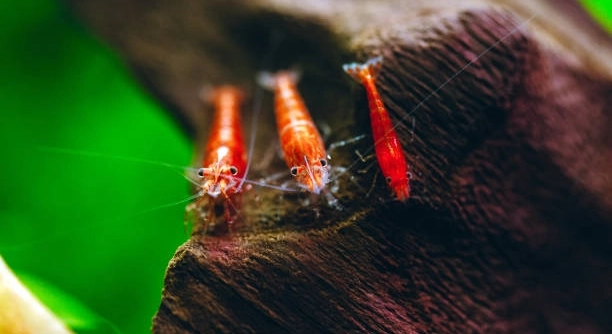
Are your new shrimp adjusting to their tank but you are unsure if they feel comfortable? Observing small changes in behavior and appearance can reveal how well they are adapting to their new environment.
Shrimp settling into a new tank typically exhibit steady movement, regular feeding behavior, and interaction with plants or decorations. Consistent color, minimal hiding, and normal molting patterns are clear indicators of acclimation and overall well-being in freshwater habitats.
Recognizing these subtle signs helps ensure your shrimp thrive in their environment and supports a healthy, balanced aquarium ecosystem for the long term.
Constant Exploration of the Tank
Shrimp that are settling in tend to explore their surroundings consistently. You may notice them moving across the substrate, climbing on plants, or checking out decorations. This exploration shows confidence and curiosity, which are positive signs that they feel safe. Even subtle movements, like shifting slightly when water currents change, indicate they are aware and comfortable in their environment. Observing these behaviors daily can help you track their adjustment. It also provides insight into which areas of the tank they prefer, whether hiding spots or open spaces. Over time, exploration patterns can help you understand their needs better, such as preferred lighting or resting spots. Regular activity without signs of stress suggests your shrimp are adapting well, maintaining normal energy levels, and establishing routines that support feeding, molting, and social interaction. Tank conditions like temperature, water quality, and pH contribute to these behaviors. Monitoring all these factors ensures a stable environment for your shrimp to flourish naturally.
Exploring the tank signals that shrimp are confident, comfortable, and beginning to establish routines that support their health.
Observation of tank exploration helps you notice preferences for hiding spots or open areas, providing insights into individual shrimp behaviors and comfort levels. Over weeks, patterns emerge that reveal their adjustment progress.
Steady Feeding Habits
Shrimp that are comfortable in their environment show consistent feeding patterns. They approach food at predictable times, nibble slowly, and return to safe areas without hesitation. This behavior contrasts sharply with stressed shrimp, which may ignore food or hide when you enter the room. Steady feeding also reflects good water conditions and proper tank balance. By offering small portions regularly, you can monitor their intake and detect changes in appetite early. Feeding behavior can also indicate social dynamics among shrimp, such as dominant individuals eating first or timid ones waiting their turn. Observing these patterns ensures that all shrimp receive adequate nutrition, supporting molting and overall health. Consistent feeding routines also reduce waste buildup and help maintain water quality. By keeping track of what each shrimp consumes, you gain valuable insight into their health and stress levels. A well-fed shrimp population tends to be more active, colorful, and resilient to environmental changes.
Regular feeding behavior confirms shrimp comfort and helps maintain balanced nutrition in the tank.
Monitoring feeding patterns allows you to detect early health issues, manage food distribution, and understand social interactions. Consistent intake ensures energy for molting and growth, while also reducing water quality problems. Careful observation over time strengthens your ability to respond to environmental or behavioral changes, creating a stable, thriving habitat.
Interaction with Tank Mates
Shrimp that feel settled interact calmly with other tank inhabitants. They do not hide constantly or display signs of aggression, moving around without stress when fish or other shrimp are nearby.
Calm interaction with tank mates reflects a stable social environment. Shrimp may swim alongside others, explore together, or forage near each other without fear. They generally avoid confrontation while maintaining their own space. Observing these patterns helps identify if the tank’s population is well balanced. Stressful interactions, such as constant chasing or hiding, can indicate overcrowding or unsuitable tankmates. Monitoring these behaviors ensures harmony and supports healthy feeding, growth, and molting routines. Healthy social interaction also reduces stress-related health problems over time.
Even subtle cues like synchronized movements, shared hiding spots, or gentle nudges during feeding can indicate comfort and adaptation. These interactions demonstrate that shrimp feel secure in their surroundings and are developing natural social behaviors. Tracking these behaviors regularly allows you to detect issues early and adjust the tank environment as needed, supporting long-term health and wellbeing.
Color Vibrancy and Body Condition
Shrimp that are settling in often display consistent color vibrancy. Their bodies are well-formed, and there are no visible signs of stress such as fading or unusual markings.
Vibrant coloration and good body condition are indicators of proper nutrition, stable water quality, and low stress levels. Healthy shrimp maintain their characteristic hues while actively moving and feeding. Dull or patchy colors may suggest environmental issues, illness, or insufficient diet. Observing the consistency of their colors over time provides insight into overall wellbeing. Body condition, including a smooth exoskeleton, clear eyes, and complete appendages, is equally important. Any signs of damage or deformities can signal stress or improper tank conditions that need addressing promptly. Maintaining optimal temperature, pH, and water cleanliness supports color vibrancy and physical health, ensuring shrimp thrive and exhibit natural behaviors.
Color changes are gradual and reflect health, molting cycles, and adaptation. Shrimp with stable hues and intact bodies demonstrate that they are acclimated to their environment. Monitoring these aspects regularly allows you to detect potential problems early, supporting proper care, nutrition, and water quality. Ensuring that shrimp maintain a healthy appearance helps them live longer, remain active, and interact safely with tank mates.
Hiding Patterns
Shrimp that are adjusting properly use hiding spots selectively rather than constantly. They retreat only when startled or during molting.
Limited and purposeful hiding indicates that shrimp feel secure. Constant hiding may suggest stress, poor water conditions, or unsuitable tank mates. Observing these patterns helps ensure their environment supports safety and comfort.
Molting Frequency
Regular molting is a clear sign of healthy shrimp. Settled shrimp shed their exoskeleton on a predictable schedule, reflecting proper nutrition and tank conditions. Disruptions in molting frequency can indicate stress or water quality issues, while successful molts show that shrimp are growing and adapting well. Proper minerals, calcium levels, and stable water parameters support healthy molts. Tracking molting patterns over time helps detect potential problems early, ensuring that shrimp remain strong and resilient. By observing these cycles, you can maintain a balanced diet and consistent tank environment, promoting long-term health and continued development.
Activity Levels
Active shrimp move steadily around the tank, exploring, foraging, and interacting naturally with their surroundings.
How long does it take for shrimp to settle in?
Shrimp usually take a few days to a few weeks to fully adjust to a new tank. The timeline depends on tank conditions, water quality, and the presence of other tank mates. Newly introduced shrimp may hide more often at first, gradually exploring as they feel safer. Water parameters like temperature, pH, and hardness should remain stable during this period. Providing plenty of hiding spots helps reduce stress and encourages natural behavior. Consistent feeding routines also help shrimp gain confidence. Observing small daily changes in movement, color, and interaction with the environment indicates progress. Patience is essential, as rushing the process can increase stress and impact health. Shrimp that acclimate successfully show steady feeding, active exploration, and predictable hiding patterns within two to three weeks.
Why are my shrimp hiding all the time?
Constant hiding usually signals stress. This can result from poor water conditions, inappropriate tank mates, sudden changes in light, or lack of sufficient hiding spaces. Overcrowding can also increase tension among shrimp. Newly added shrimp often hide while adjusting, but prolonged hiding may indicate health issues or environmental problems. Monitoring water parameters such as ammonia, nitrite, and nitrate levels is essential. Ensuring proper filtration and gentle water flow can reduce stress. Providing plants, caves, and other shelters gives shrimp confidence to explore. Regular, small feedings encourage shrimp to leave hiding spots and engage in natural behaviors. Observing interactions with other shrimp and tank mates helps identify potential sources of stress. Correcting environmental factors early prevents long-term issues and supports healthy adaptation.
What does molting tell me about my shrimp?
Molting is a sign of growth and overall health. Shrimp shed their exoskeleton to grow larger, and regular molting indicates proper nutrition and good water conditions. Skipped or irregular molts may suggest stress, mineral deficiencies, or poor water quality. Observing molting frequency helps track shrimp development. During molting, shrimp are vulnerable, often hiding until their new exoskeleton hardens. Providing calcium-rich foods and maintaining stable water parameters supports successful molts. Monitoring molting patterns also allows detection of potential issues early, ensuring that shrimp remain healthy and continue developing normally.
Why are my shrimp not eating?
Shrimp that do not eat may be stressed, adjusting to a new tank, or affected by poor water quality. Overfeeding or inappropriate food types can also reduce appetite. Observing feeding times and quantities helps identify problems. Ensuring small, frequent meals and providing food that sinks or attaches to surfaces encourages natural foraging behavior. Checking tank conditions, including temperature, pH, and ammonia levels, is essential. Healthy shrimp will gradually resume eating as they become comfortable in their environment. Consistent observation and proper feeding support strong growth, vibrant coloration, and normal molting cycles, which indicate adaptation and wellbeing.
Can shrimp live with other species during settling in?
Shrimp can coexist with other species, but compatibility is important. Peaceful fish or invertebrates reduce stress, while aggressive or predatory species can harm shrimp. Settling shrimp require hiding spots to avoid constant harassment. Observing interactions helps identify any conflict and ensures all tank inhabitants thrive. Introducing shrimp to a well-established, stable tank minimizes stress and supports natural behaviors. Providing dense plant coverage or decorations allows shrimp to retreat safely. Compatibility, space, and tank size influence shrimp comfort and health during this adjustment phase. Ensuring proper conditions helps them settle quickly and maintain regular feeding, activity, and growth patterns.
How can I tell if my shrimp are stressed?
Signs of stress include excessive hiding, color fading, sluggish movement, and loss of appetite. Erratic swimming or staying near the surface can indicate poor water quality. Environmental changes, improper lighting, aggressive tank mates, or sudden water parameter fluctuations contribute to stress. Regular observation of shrimp behavior helps detect early signs. Maintaining stable water conditions, providing shelters, and ensuring consistent feeding routines reduce stress. Stress management supports normal molting, active exploration, and healthy interactions with other shrimp. Timely intervention prevents long-term health issues and encourages smooth adaptation to the tank environment.
Do shrimp recognize their environment?
Shrimp gradually become familiar with their surroundings. They explore consistently, remember hiding spots, and develop patterns for feeding and movement. Stable tank conditions, decorations, and plants help shrimp navigate safely. Recognizing familiar areas reduces stress and encourages natural behaviors like foraging and social interaction. Observation over time shows shrimp adjusting to currents, light, and substrate. Familiarity also supports regular molting and predictable activity levels, indicating successful acclimation. Maintaining consistent care reinforces these behaviors and promotes long-term comfort in the tank.
What should I do if my shrimp are not settling in?
If shrimp show signs of stress, take steps to stabilize their environment. Check water parameters, adjust lighting, and provide additional hiding spaces. Remove aggressive tank mates if necessary. Introduce food gradually and ensure it is appropriate for their diet. Monitor behavior daily to track improvements. Patience is key, as shrimp may take longer to adjust in certain conditions. Ensuring clean water, stable temperature, and minimal disturbances supports adaptation. Observing gradual changes in movement, feeding, and color helps confirm progress. Interventions should be gentle, avoiding sudden shifts that could increase stress. Proper care, observation, and adjustments help shrimp settle successfully and thrive over time.
How important is water quality during settling in?
Water quality is critical for shrimp adaptation. Stable parameters like pH, ammonia, nitrite, nitrate, and temperature directly affect health, stress levels, and behavior. Fluctuations can lead to hiding, reduced feeding, or molting issues. Maintaining proper filtration, regular water changes, and monitoring ensures a safe environment. Clean water supports vibrant coloration, consistent activity, and normal molting cycles. Observing shrimp response to the environment can indicate if water conditions are suitable or need adjustment. High water quality minimizes stress, promotes natural behaviors, and allows shrimp to settle comfortably. Careful management of these factors is essential for long-term wellbeing.
What signs show shrimp are fully settled?
Shrimp that are fully settled display steady feeding, vibrant colors, normal molting, active exploration, and calm interaction with tank mates. They hide only when necessary and respond naturally to stimuli. Observing these consistent behaviors confirms successful adaptation to their environment. Stable water conditions, sufficient hiding spots, and proper nutrition all contribute to these signs. Fully acclimated shrimp exhibit routine patterns for feeding, resting, and interacting with other shrimp. Monitoring for these indicators ensures that the tank environment continues to support long-term health and activity. Settled shrimp are confident, resilient, and maintain a strong physical condition, reflecting successful adaptation.
Observing shrimp as they settle into a new tank provides valuable insight into their overall health and wellbeing. Shrimp show clear signs when they are adapting, such as consistent feeding, exploration of their environment, and steady interaction with tank mates. Monitoring these behaviors helps identify whether the tank conditions are suitable and if adjustments are needed. Water quality, temperature, pH, and the availability of hiding spots all play an essential role in creating a safe and comfortable environment. Even small details, like the way shrimp approach food or move among plants, can indicate confidence and comfort in their surroundings. By paying attention to these patterns, you ensure that shrimp have the proper conditions to thrive and maintain healthy routines. Settling in is not just about surviving in a new environment—it is about adjusting well and establishing predictable behaviors that support long-term health.
Consistency is key in helping shrimp feel secure. Regular feeding schedules, stable water parameters, and minimal disturbances all contribute to a stress-free environment. Shrimp that experience sudden changes in water quality or tank mates may become hesitant, hide excessively, or show signs of illness. Observing their molting patterns, color vibrancy, and movement gives a clear picture of how well they are acclimating. Providing appropriate nutrition and maintaining a clean tank are equally important to prevent stress and promote healthy development. Over time, shrimp begin to show steady exploration, active interaction, and normal foraging behavior, all of which indicate that they are adapting successfully. Patience is essential during this phase, as each shrimp may adjust at its own pace depending on individual temperament and tank conditions. Understanding these factors allows you to create a supportive environment where shrimp can thrive naturally.
Ultimately, paying attention to subtle signs is the most effective way to ensure shrimp are settling in properly. By tracking activity levels, feeding habits, molting cycles, and interactions with other inhabitants, you can confirm that shrimp are comfortable and healthy. Consistent monitoring also allows early detection of potential problems, whether related to water quality, nutrition, or social dynamics. Providing a stable, well-maintained tank environment reduces stress and encourages natural behaviors. Healthy, settled shrimp display confidence, vibrant coloration, and regular routines, reflecting successful adaptation to their new surroundings. Focusing on these indicators ensures that shrimp remain active, resilient, and continue to grow and thrive in a balanced, secure habitat over the long term.

Hello,
If you enjoy the content that we create, please consider saying a "Thank You!" by leaving a tip.
Every little bit helps us continue crafting quality advice that supports the health, happiness, and well-being of pets around the world, for pets of all shapes, sizes, and species.
We really appreciate the kindness and support that you show us!