
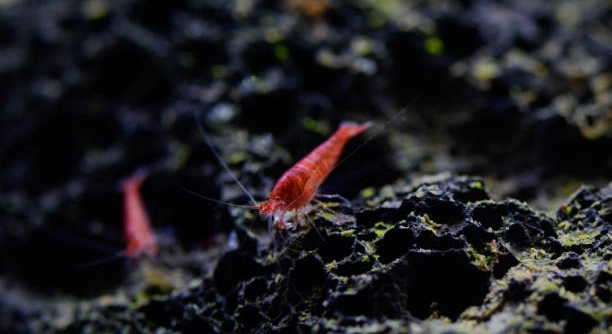
Overfeeding shrimp may seem harmless at first, but it can quickly create problems in your tank. Uneaten food can accumulate, affecting water quality and the overall health of your shrimp. Small habits can have big consequences.
Excessive feeding in shrimp tanks leads to water pollution, increased algae growth, and health issues among the shrimp population. Uneaten food decomposes, releasing harmful chemicals that disrupt the ecosystem and compromise shrimp survival and growth.
Understanding these effects can help you maintain a healthier tank environment and keep your shrimp thriving for longer periods.
Poor Water Quality
When shrimp are overfed, uneaten food begins to decompose in the tank. This decomposition produces ammonia and nitrites, which are toxic to shrimp in high concentrations. Even small amounts of leftover food can cause cloudy water, foul odors, and rapid changes in pH levels. Shrimp are sensitive to these fluctuations, and prolonged exposure can weaken their immune systems, making them more prone to disease. Overfeeding can also encourage bacterial blooms, which further destabilize water conditions. Maintaining consistent water quality is critical, as shrimp rely on clean, balanced environments to thrive. Regular water changes and careful monitoring can help counteract the effects of excess feeding. Observing the tank for signs of uneaten food and adjusting feeding schedules accordingly is key. Shrimp tanks are delicate systems, and overfeeding can upset this balance very quickly. Even minor neglect can lead to long-term problems for the health and survival of your shrimp.
Consistent feeding and monitoring reduce waste and prevent harmful chemical buildup, keeping the tank safe and shrimp healthy.
Being proactive with tank maintenance ensures that shrimp remain active, grow properly, and display their natural behaviors without stress or illness interfering.
Algae Overgrowth
Excess food in a shrimp tank provides nutrients for algae to thrive. Algae can quickly cover decorations, plants, and the substrate, making the tank unsightly and reducing oxygen levels.
Algae growth can outcompete other plants for resources and affect water chemistry. Over time, dense algae layers can suffocate shrimp and disrupt their natural grazing patterns. Removing algae manually is time-consuming, but controlling feeding can prevent its rapid expansion. Shrimp prefer clean surfaces to graze and interact with their environment. Nutrient-rich water caused by overfeeding promotes not only algae but also other microbial growth that can interfere with tank stability. By controlling the amount of food provided, you limit the nutrients available for algae. Observing how much shrimp consume in a set period can help determine the correct portion size. Using quality food that dissolves slowly reduces excess debris. Combining careful feeding practices with regular cleaning supports both plant and shrimp health. Overfeeding may seem convenient, but it often leads to extra maintenance and stress for both the shrimp and the keeper.
Shrimp Health Issues
Overfeeding can cause shrimp to become lethargic and prone to molting problems. Excess food leads to poor water conditions, which directly impacts their immune system and overall vitality.
When shrimp are exposed to deteriorating water quality caused by uneaten food, they can develop bacterial infections or fungal issues. High ammonia levels stress shrimp, making it harder for them to molt successfully. Improper molting can result in deformities or even death. Additionally, overfed shrimp may gain too much fat, affecting mobility and behavior. Observing shrimp for unusual behavior or discoloration can indicate early signs of health problems. Preventing overfeeding and maintaining clean water helps ensure shrimp remain active, healthy, and capable of normal molting cycles. Balanced nutrition and careful portion control are essential for long-term shrimp wellness.
Even small overfeeding habits can accumulate, leading to chronic stress and increased vulnerability to diseases. Watching how shrimp consume food and removing leftovers promptly is vital to keep them thriving.
Uneaten Food Accumulation
Leftover food in a shrimp tank quickly begins to rot, producing harmful chemicals and debris. This accumulation can settle on the substrate, creating unsanitary conditions.
As uneaten food decomposes, it releases ammonia and nitrates, which negatively affect water quality. Bacterial growth accelerates, increasing the risk of disease among the shrimp population. The substrate can become clogged with waste, making it difficult for shrimp to forage naturally. Over time, this accumulation can lead to oxygen depletion near the tank bottom, stressing the shrimp. Careful feeding ensures that food is consumed quickly and minimizes leftover material. Regular cleaning and monitoring of uneaten food prevent chemical spikes and maintain a stable environment. Adjusting feeding frequency and portions based on shrimp activity helps control accumulation.
By keeping uneaten food under control, you protect the tank’s balance, prevent harmful chemical buildup, and create a healthier environment for shrimp to thrive.
Oxygen Depletion
Overfeeding increases waste, which consumes oxygen as it decomposes. Low oxygen levels can stress shrimp and reduce their activity.
Shrimp rely on well-oxygenated water for proper metabolism and molting. When oxygen levels drop, they may hide, move less, or struggle to molt successfully, increasing the risk of health problems.
Filter Clogging
Excess food can quickly clog filters, reducing their efficiency. Clogged filters fail to remove waste effectively, allowing toxins to build up in the water.
Maintaining clean filters is essential for a healthy tank. Overfeeding requires more frequent filter maintenance, as debris and uneaten food accumulate. This prevents optimal water circulation and filtration, directly affecting water quality.
Increased Algae Competition
Extra nutrients from leftover food encourage algae to grow. Algae can cover surfaces shrimp graze on, reducing their available food and making the tank look untidy.
Algae competes with shrimp for oxygen and space, impacting their natural behavior and overall tank balance. Regular cleaning and controlled feeding help minimize this issue.
FAQ
How much should I feed my shrimp each day?
Shrimp generally need very small amounts of food. Feed only what they can consume within 2–3 hours. Overfeeding leads to leftover food, which decays and harms water quality. Observing your shrimp’s eating habits helps determine the correct portion. Smaller, more frequent feedings are safer than large amounts at once.
What happens if I accidentally overfeed my shrimp?
Accidental overfeeding can cause ammonia and nitrite spikes, stressing the shrimp. Uneaten food decomposes, clouding water and promoting bacterial growth. If this happens, remove leftovers immediately, perform partial water changes, and monitor water parameters closely. Over time, these steps reduce the risk of illness or death.
How do I know if my shrimp are stressed from overfeeding?
Shrimp under stress may hide more often, move slowly, or show molting issues. Discoloration or inactivity can also indicate stress. Regularly check the tank for uneaten food and test water quality. Stress signs often appear before serious health problems, giving you a chance to correct feeding habits.
Can overfeeding affect shrimp growth?
Yes, overfeeding can both stunt growth and cause deformities. Poor water quality from leftover food weakens the shrimp’s immune system and slows molting. Excess nutrients may also make shrimp less active, preventing proper exercise and natural development. Controlled feeding ensures healthier growth and normal behavior.
How often should I clean my tank if I overfeed?
Overfeeding increases the need for tank maintenance. Remove uneaten food daily and perform partial water changes regularly. Filters may require more frequent cleaning to prevent clogging. Proper maintenance keeps ammonia and nitrate levels low and ensures a stable environment for shrimp.
What type of food is best to prevent overfeeding problems?
Choose high-quality, slow-sinking shrimp food. Foods that disperse slowly allow shrimp to eat at their own pace without creating excess waste. Avoid highly processed or floating foods that can lead to leftovers. Balanced pellets or flakes provide essential nutrients while reducing risk of overfeeding.
Can plants in the tank help with overfeeding issues?
Yes, live plants can absorb some excess nutrients, reducing the impact of leftover food. Plants help stabilize water parameters and limit algae growth. However, they are not a replacement for proper feeding control. Monitoring food portions is still essential for tank health.
How can I adjust feeding for a new shrimp tank?
In a new tank, beneficial bacteria are still establishing, so excess food can quickly degrade water quality. Start with very small amounts and gradually increase as shrimp populations grow. Observe food consumption carefully to avoid leaving leftovers that could harm developing water chemistry.
Is it necessary to remove uneaten food immediately?
Yes, removing uneaten food prevents decomposition, ammonia spikes, and bacterial growth. Use a small net or siphon to clear debris daily. Even small amounts of leftover food can negatively affect water quality over time, so consistent cleanup is essential for shrimp health.
Can overfeeding cause long-term tank problems?
Chronic overfeeding can permanently disrupt tank balance. Excess nutrients fuel algae blooms, bacterial growth, and uneven water chemistry. Long-term consequences include shrimp stress, disease, and slower growth. Maintaining proper feeding routines prevents these issues and keeps the tank stable for years.
How do I prevent accidental overfeeding?
Measure food portions before feeding and feed only what shrimp can finish quickly. Avoid guessing amounts, as even small overestimates can accumulate. Using feeding tools, like spoons or small cups, helps control portions and reduces the risk of waste. Regular observation is key to maintaining balance.
Can overfeeding affect shrimp behavior?
Yes, overfed shrimp may become less active and spend more time hiding. Excess food can change grazing patterns, as shrimp rely on clean surfaces to forage naturally. Maintaining appropriate portions encourages normal behavior and interaction with the tank environment.
Are there signs that indicate overfeeding in water quality tests?
High ammonia, nitrite, and nitrate readings often indicate overfeeding. Cloudy water and unusual odors are additional signs. Regular testing allows you to detect problems early and adjust feeding before shrimp health is affected. Preventive measures are easier than correcting serious imbalances.
Can I feed shrimp different foods to reduce overfeeding risks?
Yes, offering small amounts of varied foods can meet nutritional needs without excess waste. Feed one type at a time and monitor consumption. Avoid feeding too many types at once, which can result in leftovers and water pollution. Controlled variety keeps shrimp healthy and the tank stable.
How do seasonal changes affect shrimp feeding?
Temperature changes can influence shrimp metabolism. In colder water, shrimp eat less, so feeding the same amount can lead to leftovers. In warmer conditions, metabolism increases, and they may eat more. Adjust feeding accordingly and observe consumption to avoid overfeeding and water issues.
What are simple tips to maintain proper feeding routines?
Feed small portions, observe shrimp consumption, remove leftovers, and test water regularly. Stick to consistent feeding times and avoid guessing portions. Using slow-dissolving foods and monitoring shrimp behavior helps maintain a healthy balance and prevents the common problems caused by overfeeding.
Overfeeding shrimp is a common mistake that many keepers make without realizing the consequences. It can seem harmless to offer a little extra food, especially when watching the shrimp eagerly explore the tank. However, even small amounts of uneaten food can quickly affect water quality, increase waste, and promote the growth of harmful bacteria and algae. Maintaining proper feeding habits is not just about preventing mess; it is a key part of keeping shrimp healthy and active. Watching the tank closely and adjusting food portions based on how much the shrimp consume can prevent many of the issues that arise from overfeeding. Observing shrimp behavior and tank conditions regularly helps you understand their needs more clearly, making feeding both safer and more efficient.
Careful feeding is also essential for the long-term stability of a shrimp tank. Overfeeding can cause ammonia and nitrite levels to rise, which directly affects the health of the shrimp and can result in stress, disease, or even death. Excess food decomposes and accumulates in the substrate, leading to oxygen depletion and altered water chemistry. Filters can become clogged, and algae can grow more aggressively, both of which require additional maintenance to correct. By controlling the amount of food introduced into the tank, you reduce the risk of these problems. Small, measured feedings combined with regular cleaning and water monitoring ensure that shrimp have a balanced environment where they can thrive naturally. This approach supports their molting cycles, encourages active behavior, and helps maintain overall tank health.
Developing a consistent and mindful feeding routine is the best way to prevent the problems caused by overfeeding. Using the right type of food, feeding only what shrimp can consume quickly, and removing leftovers immediately creates a stable environment that promotes growth and well-being. Additionally, observing the shrimp for changes in behavior, appearance, or activity provides early warning signs of potential issues, allowing adjustments before serious problems occur. Live plants can help absorb some nutrients and improve water quality, but they cannot replace careful feeding habits. Paying attention to tank conditions and shrimp needs ensures a balanced ecosystem, reduces stress, and supports the natural behavior of the shrimp. With regular observation and controlled feeding, maintaining a healthy and thriving shrimp tank becomes much easier and more rewarding for both the shrimp and the keeper.

Hello,
If you enjoy the content that we create, please consider saying a "Thank You!" by leaving a tip.
Every little bit helps us continue crafting quality advice that supports the health, happiness, and well-being of pets around the world, for pets of all shapes, sizes, and species.
We really appreciate the kindness and support that you show us!