
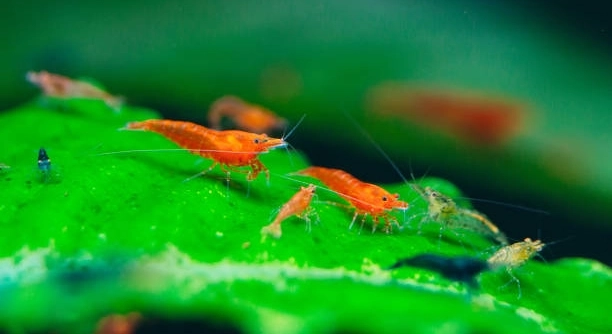
Do you enjoy watching your aquarium but wonder how small additions affect your shrimp? Cherry shrimp are lively and fascinating creatures, and every decoration, current, or bubble can influence their behavior in subtle ways.
Cherry shrimp generally tolerate bubble walls well, but their reactions vary based on water flow intensity and individual temperament. Moderate bubbling provides aeration and encourages movement, while excessively strong currents may cause stress or avoidance behavior in these delicate invertebrates.
Observing how your shrimp interact with bubble walls can reveal subtle preferences and improve their overall comfort in the tank environment. Adjustments may make a noticeable difference in their activity and health.
How Cherry Shrimp React to Bubble Walls
Cherry shrimp show varied reactions to bubble walls depending on water flow and tank setup. Some shrimp seem curious, swimming near the bubbles, while others keep a cautious distance. Observing their behavior closely can help determine how strong the airflow should be. Overly vigorous bubble walls can push shrimp away from their preferred areas, causing stress. Stress in shrimp often shows through reduced movement, hiding, or less frequent feeding. Proper placement of bubble walls allows gentle circulation without disturbing plants or hiding spots. Even minor adjustments in bubble intensity can create a more comfortable environment. Using a sponge or diffuser can soften the bubbles, making them less intimidating. Shrimp often explore the bubbles if they feel safe, which may encourage activity. Paying attention to individual shrimp responses helps ensure they stay healthy. Consistent observation allows small modifications that enhance their habitat while maintaining water quality and oxygen levels.
Monitoring shrimp near bubble walls reveals their comfort level and guides tank adjustments for better well-being.
With careful observation, tank owners can balance oxygenation and shrimp comfort, ensuring a lively environment without forcing shrimp into stressful situations. Adjustments to bubble flow, diffuser type, and tank placement make noticeable differences in daily activity and interaction with tank features. Even slight stress reduction increases feeding and molting success. Observing shrimp response over several days helps identify the ideal bubble strength. The goal is a subtle, continuous water movement that stimulates gentle exploration rather than causing repeated avoidance. Adjusting equipment such as filters or air pumps, or even moving bubble walls slightly, allows shrimp to settle into areas they prefer. Incorporating plants, moss, and hiding spots near bubbles further reduces stress by providing refuge. Recognizing individual shrimp preferences ensures that timid shrimp are not constantly exposed to disruptive currents while more active shrimp still benefit from enhanced oxygenation. This approach fosters a healthy, stable environment, promoting natural behaviors and consistent tank maintenance outcomes.
Signs of Stress from Bubble Walls
Stress signs in cherry shrimp include hiding, reduced movement, and less feeding activity. Strong or poorly placed bubbles can trigger these reactions immediately.
Identifying these signs early helps prevent long-term health issues. Shrimp that are repeatedly stressed may show slowed growth, irregular molting, or color fading. Observing patterns in daily behavior is key. For instance, if shrimp cluster in one area away from bubbles or avoid certain zones entirely, it indicates discomfort. Frequent hiding reduces feeding opportunities, which can lead to nutritional deficiencies. Stress can also make shrimp more susceptible to disease or secondary infections. Adjusting bubble intensity, placement, and tank features often alleviates these issues. Using gentle diffusers or repositioning bubbles to less trafficked areas gives shrimp control over their environment. Monitoring over several days ensures the adjustments are effective. Providing calm zones with plants or moss near bubbles creates balance. When shrimp regain normal feeding and movement patterns, it confirms that stress levels have decreased, resulting in a healthier and more active colony overall.
Adjusting Bubble Walls for Comfort
Bubble walls should create gentle water movement without pushing shrimp away. Too strong a flow can overwhelm them, while moderate bubbling encourages activity and circulation. Proper placement and intensity are essential for their comfort and well-being.
Adjustments to bubble walls start with observing shrimp behavior near the bubbles. If they avoid the area or hide frequently, the flow is likely too strong. Using a sponge diffuser or repositioning the air stone can soften bubbles. Gradually increasing intensity allows shrimp to acclimate without stress. Monitoring over several days ensures the flow supports natural movement. Plants and moss near bubbles provide refuge and help balance circulation. Even small changes in placement or strength can improve their activity and reduce hiding. Maintaining consistent water parameters alongside bubble adjustments ensures shrimp remain healthy and active.
Choosing the right type of diffuser impacts comfort as much as intensity. Sponge diffusers create smaller, softer bubbles, which are less intimidating. Adjusting bubble height and position relative to plants and hiding spots allows shrimp to explore freely. Observing individual shrimp responses ensures timid shrimp are not stressed while active shrimp enjoy oxygen-rich areas. Consistent monitoring helps maintain a stable environment and encourages natural behavior patterns. This approach balances tank aesthetics, water circulation, and shrimp comfort effectively.
Timing and Duration of Bubble Wall Use
Short bursts of bubble wall activity are often sufficient to maintain oxygen levels without stressing shrimp. Continuous, strong bubbling can be counterproductive. Proper timing improves overall tank harmony and shrimp health.
Gradually increasing bubble wall duration allows shrimp to adapt and reduces stress responses. Starting with brief sessions in the morning or during feeding encourages exploration without disruption. Observing shrimp reactions helps determine the optimal schedule. Over time, adjusting duration based on behavior ensures they remain comfortable while benefiting from oxygenation. Combining moderate bubble flow with strategic hiding spots prevents constant exposure to currents. Seasonal temperature changes and tank population density also affect timing needs. Regular evaluation of shrimp behavior and water parameters ensures that bubbles serve their purpose without causing avoidance or agitation. Careful timing supports a stable, thriving aquarium ecosystem.
Positioning Bubble Walls Strategically
Placing bubble walls near open areas encourages gentle circulation while avoiding hiding spots. Shrimp prefer areas with soft water movement, so positioning bubbles thoughtfully supports natural behavior and reduces stress.
Keeping bubble walls away from dense plant clusters prevents excessive disturbance. This approach maintains a balance between oxygenation and a safe, comfortable environment for shrimp.
Monitoring Shrimp Interaction
Regularly observing how shrimp interact with bubbles helps identify stress or comfort levels. Timid shrimp may avoid certain zones, while confident shrimp explore freely, showing how placement affects behavior. Adjustments based on these observations maintain a healthy, active tank environment.
Combining Bubble Walls with Tank Features
Incorporating plants, moss, and decorative elements near bubbles softens water flow. This combination allows shrimp to explore safely while benefiting from oxygenation and gentle currents, creating a balanced habitat.
FAQ
Do cherry shrimp need bubble walls in their tank?
Bubble walls are not strictly necessary, but they help maintain oxygen levels and gentle water movement. Many shrimp thrive without them if the tank has proper filtration and plants. Using bubble walls can improve circulation and encourage activity, but they must be adjusted carefully to avoid stress.
Can bubble walls harm cherry shrimp?
Yes, strong or poorly positioned bubbles can stress shrimp. Constant exposure to fast-moving currents may cause hiding, reduced feeding, or molting issues. Softening bubbles with a sponge diffuser or adjusting placement minimizes risks. Monitoring shrimp reactions ensures they remain comfortable while benefiting from oxygenation.
How do I know if the bubbles are too strong?
Signs include shrimp clustering away from bubbles, hiding frequently, or showing minimal movement. If only a few brave shrimp explore near the bubbles while others avoid them, the flow may be too intense. Reducing airflow or repositioning the bubble wall often resolves these issues.
Should I leave bubble walls on all the time?
Continuous operation is not required. Short periods throughout the day are often sufficient for oxygenation and gentle water movement. Gradual exposure allows shrimp to acclimate, preventing stress. Observing their behavior helps determine the best timing and duration.
Do all cherry shrimp react the same way to bubbles?
No, individual shrimp vary in tolerance. Some explore bubbles confidently, while others avoid them entirely. Factors like age, molting stage, and temperament affect their reactions. Adjusting bubble intensity and placement to accommodate different behaviors ensures a balanced tank environment.
Can bubble walls affect plant growth?
Yes, strong currents from bubble walls can dislodge delicate plants or moss. Positioning bubbles to minimize disruption near vegetation helps maintain plant stability. This also provides shrimp with refuge and natural areas to explore without being pushed by water movement.
Is there a best type of diffuser for shrimp tanks?
Sponge diffusers are preferred because they produce smaller, gentler bubbles. These diffusers reduce strong currents while still circulating water and oxygenating the tank. Air stones without a sponge may create large bubbles that stress shrimp, so choosing the right diffuser is key.
How often should I adjust the bubble walls?
Adjustments should be based on shrimp behavior and tank conditions. Frequent observation over several days helps determine whether flow is too strong or too weak. Minor changes to placement, intensity, or diffuser type can make a noticeable difference in shrimp activity and stress levels.
Do bubble walls help with molting?
Indirectly, yes. Proper water movement and oxygenation support a healthy environment, which aids molting. Excessively strong bubbles, however, may stress shrimp during this delicate time. Ensuring gentle flow near hiding spots gives molting shrimp a safe space.
Can bubbles help reduce algae?
Bubbles themselves do not directly prevent algae, but improved water circulation can limit stagnant areas where algae thrive. Combining bubbles with regular maintenance, proper lighting, and live plants creates conditions less favorable for algae growth.
What is the best placement for bubble walls in a shrimp tank?
Position bubble walls near open areas and away from dense plant clusters or hiding spots. This allows shrimp to explore freely while benefiting from oxygenation. Softened bubbles near the surface can enhance circulation without disturbing delicate tank features.
How do I gradually acclimate shrimp to bubble walls?
Start with brief periods of gentle bubbling. Observe shrimp reactions and slowly increase duration over several days. This approach prevents stress and helps shrimp adjust to currents while maintaining oxygen levels. Consistent monitoring ensures a smooth acclimation process.
Can too many bubbles be bad for shrimp?
Yes, excessive bubbles can create strong currents that tire shrimp and force them into hiding. Maintaining a balance between circulation and calm areas is essential. Using diffusers and strategic placement prevents overexposure and supports healthy behavior.
Are younger shrimp more sensitive to bubbles?
Juvenile shrimp are generally more sensitive to currents than adults. They may hide more often or avoid bubble areas. Providing gentle flow and plenty of sheltered spaces allows young shrimp to grow without undue stress.
Do bubbles affect shrimp color or activity?
Indirectly, yes. Stress from strong currents can reduce feeding and activity, which may affect coloration over time. Gentle bubbles encourage exploration and regular feeding, promoting natural coloration and lively behavior in the tank.
Can bubble walls replace filtration?
No, bubble walls cannot replace proper filtration. They improve oxygenation and circulation but do not remove waste or maintain water chemistry. Combining gentle bubble walls with an effective filter supports shrimp health without creating stress.
How do I combine bubble walls with hiding spots?
Place plants, moss, or decorative structures near bubbles to create refuges. This allows shrimp to explore and enjoy oxygenated water without constant exposure to currents. Providing both open and sheltered areas balances activity and comfort in the tank.
Is it safe to increase bubbles during feeding?
Yes, moderate bubble flow during feeding can encourage movement and exploration. Avoid excessive currents that may push food away or stress shrimp. Observing feeding patterns ensures that bubbles support natural behavior without causing avoidance.
Do all aquariums benefit equally from bubble walls?
No, the need for bubble walls depends on tank size, filtration, and shrimp density. Smaller or well-planted tanks may require minimal bubbles, while larger or heavily stocked tanks benefit from gentle circulation to maintain oxygen levels.
Can bubble walls improve shrimp breeding?
Proper oxygenation and gentle circulation support a healthy environment, which can indirectly aid breeding. Avoid strong currents near breeding areas, as stress can reduce egg-laying or affect fry survival. Creating calm zones ensures shrimp remain comfortable during reproduction.
What is the ideal bubble size for cherry shrimp?
Smaller, gentle bubbles are best, as they reduce stress and maintain circulation. Large bubbles from standard air stones may disturb shrimp, plants, and substrate. Using sponge diffusers or adjustable air stones helps achieve optimal bubble size and flow.
How do I balance bubble walls with tank aesthetics?
Position bubbles where they enhance water movement without overpowering tank features. Softened bubbles create visual interest while maintaining shrimp comfort. Adjusting placement, diffuser type, and intensity allows a visually pleasing tank that supports natural shrimp behavior.
Can bubble walls reduce water stagnation?
Yes, gentle bubbling helps prevent stagnant areas where detritus can accumulate. This improves overall water quality, reduces debris buildup, and encourages shrimp to explore different areas, supporting a healthier and more active aquarium environment.
Do bubble walls need maintenance?
Yes, air stones and diffusers can clog over time. Regular cleaning ensures consistent bubble size and flow. Neglecting maintenance may reduce oxygenation, create uneven currents, and increase stress for shrimp. Monitoring equipment performance is key to maintaining a stable tank.
How do seasonal changes affect bubble wall use?
Temperature and water chemistry shifts can alter shrimp behavior. During warmer months, oxygen levels may fluctuate, requiring adjusted bubble flow. Observing shrimp responses and adapting bubble intensity seasonally helps maintain comfort and prevents stress during environmental changes.
Are bubble walls helpful for molting tanks?
Yes, but only if the flow is gentle. Molting shrimp need calm areas to safely shed their exoskeletons. Soft bubbles near plants or hiding spots provide oxygen without forcing shrimp into stressful currents, supporting successful molts and healthy growth.
Can I use multiple bubble walls in one tank?
Yes, but spacing and intensity matter. Multiple walls can enhance circulation if placed strategically. Avoid strong combined currents that overwhelm shrimp. Gradual adjustments and observation ensure that multiple bubbles create a comfortable environment for all shrimp.
Do bubbles improve shrimp longevity?
Indirectly, yes. Proper oxygenation and gentle circulation reduce stress and support feeding, molting, and overall health. Excessive or mismanaged bubbles, however, can have the opposite effect. Careful management contributes to a longer, healthier life for cherry shrimp.
How can I tell if my shrimp enjoy the bubble walls?
Active swimming near bubbles, exploring plants around the area, and normal feeding indicate comfort. Avoidance, hiding, or reduced movement signals stress. Adjusting flow, placement, and diffuser type ensures shrimp can safely interact with bubbles while staying healthy and active.
Can bubbles affect shrimp molting frequency?
Indirectly, yes. Stressful currents can slow growth and molting. Gentle, well-placed bubbles encourage normal activity, feeding, and overall health, which supports timely and successful molts. Observing shrimp before, during, and after molting ensures the environment remains suitable.
Do bubble walls help shrimp acclimate to new tanks?
Gentle bubbles can improve oxygen levels and circulation in new setups. Avoid strong currents initially, as shrimp need calm areas to explore and feed while adjusting. Gradual introduction of bubbles supports a smoother acclimation period and reduces stress.
Are there alternatives to bubble walls for circulation?
Yes, filters, powerheads, and water pumps can provide gentle flow and oxygenation. Bubble walls are one method among many. The key is to maintain moderate water movement without stressing shrimp or disturbing plants. Choosing the right solution depends on tank size and setup.
Can I combine bubble walls with CO2 systems?
Yes, but monitor water movement carefully. Strong currents can disperse CO2 unevenly, affecting plant health. Gentle bubbles help circulation without disturbing CO2 distribution, allowing both plants and shrimp to thrive. Proper placement ensures balance between oxygenation and nutrient availability.
Do shrimp ever play in bubbles?
Some shrimp appear to explore bubbles actively, swimming near them and interacting with currents. This behavior varies by individual and tank conditions. Observing shrimp interactions helps determine whether the bubble walls enhance activity or need adjustment.
How long should new bubble walls be tested?
Observe shrimp for at least a week after installing or adjusting bubble walls. Gradual observation helps identify stress signs and ensures placement, intensity, and timing are appropriate for all shrimp in the tank.
Can bubbles help with waste distribution?
Yes, gentle circulation prevents debris buildup in one area. Even distribution of waste improves filtration efficiency and reduces stagnant zones, supporting shrimp health. Monitoring flow ensures that waste moves without stressing shrimp or displacing plants.
Is it normal for some shrimp to avoid bubbles entirely?
Yes, timid individuals often stay in calm zones. Providing hiding spots and gentle flow ensures these shrimp are safe while more confident individuals enjoy exploring near bubbles. This balance supports the entire colony’s well-being.
Can bubbles prevent low oxygen problems in dense tanks?
Yes, properly managed bubbles improve oxygenation in heavily stocked tanks. Soft, continuous flow helps maintain water quality and reduces the risk of low oxygen conditions, supporting shrimp health and activity without creating stress.
Do bubbles help with temperature stabilization?
Indirectly, yes. Gentle circulation from bubble walls distributes heat more evenly throughout the tank. This reduces hot or cold spots, ensuring a more stable environment for shrimp and promoting consistent activity levels.
Can bubble walls affect shrimp feeding habits?
Strong currents may push food away, reducing feeding opportunities. Gentle bubbling encourages movement without disturbing feeding. Observing shrimp during mealtime helps determine optimal bubble placement and intensity to support regular feeding behavior.
Are bubble walls noisy for shrimp tanks?
Properly maintained air stones and diffusers are usually quiet. Noise or vibration can occur if equipment is old or clogged, potentially disturbing shrimp. Regular maintenance ensures consistent performance and minimal disruption to their environment.
Do shrimp interact differently with bubbles at night?
Shrimp may be less active around bubbles at night, seeking calm hiding spots. Providing soft flow and refuge areas ensures they remain comfortable while maintaining oxygenation throughout the day and night.
Can bubbles aid in preventing stagnation in planted tanks?
Yes, gentle bubbles improve circulation around plants, preventing stagnant water pockets. This supports healthy roots, reduces detritus buildup, and encourages shrimp to explore multiple areas without stress.
How do I combine bubble walls with gentle filtration?
Position bubbles to complement filter flow rather than compete with it. This enhances circulation, oxygenation, and waste movement while preventing strong currents that can stress shrimp. Observation helps fine-tune placement for optimal results.
Are there any risks of too little bubbling?
Yes, stagnant water may reduce oxygen levels, particularly in dense or warm tanks. Insufficient circulation can lead to unhealthy zones, affecting shrimp activity and overall health. Gentle, well-placed bubbles prevent stagnation without creating stress.
Do bubbles help with shrimp coloration?
Indirectly, yes. Reduced stress and improved oxygenation promote normal feeding and activity, which can enhance coloration over time. Strong currents or constant stress may dull colors, so gentle bubbling is preferable.
Can bubble walls support shrimp in heavily planted tanks?
Yes, if positioned carefully. Soft bubbles improve circulation without disturbing plants or shrimp. Ensuring calm areas near dense foliage gives shrimp safe zones while benefiting from oxygenation and gentle water movement.
How do I troubleshoot shrimp avoiding bubble walls?
Reduce airflow, reposition the diffuser, or add protective plants nearby. Observing shrimp behavior helps determine which adjustment reduces stress while maintaining oxygenation and circulation. Gradual changes prevent sudden disturbances and encourage exploration.
Do bubbles help with tank cleaning?
Indirectly, gentle circulation moves detritus toward filters, making cleaning more effective. Strong currents can scatter debris, so careful adjustment ensures bubbles assist cleaning without stressing shrimp or disturbing plants.
Are there signs that shrimp enjoy bubbles?
Active swimming near bubbles, exploration of nearby plants, and normal feeding indicate comfort. Avoidance, hiding, or reduced movement signals that adjustments are needed. Regular observation helps maintain a balanced environment.
Can bubble walls replace water changes?
No, bubbles do not remove waste or chemicals. They support circulation and oxygenation, but regular water changes remain essential for maintaining healthy water parameters and shrimp health.
Do shrimp prefer certain bubble patterns?
Some shrimp may explore gentle, consistent bubbles while avoiding sporadic or large bursts. Observing their interaction allows you to adjust diffuser type, placement, and airflow for optimal comfort.
How do I maintain consistent bubble performance?
Regular cleaning of air stones and diffusers prevents clogging and uneven flow. Monitoring airflow and equipment condition ensures that bubbles remain gentle and effective, supporting shrimp health and comfort consistently.
Can bubbles improve overall tank health?
Yes, if managed carefully. Properly placed and gentle bubbles enhance oxygenation, circulation, and water quality. This supports shrimp activity, reduces stress, and encourages natural behaviors, contributing to a stable and healthy aquarium environment.
How long should I wait to see results from bubble adjustments?
Shrimp reactions can be observed within a few hours, but consistent patterns often appear over several days. Monitoring behavior helps fine-tune placement and intensity for optimal comfort and activity.
Do bubble walls interact differently with live plants vs. artificial plants?
Yes, live plants may sway or dislodge under strong currents, while artificial plants are less affected. Adjusting bubble placement and intensity ensures gentle water movement that protects live plants and provides shrimp with natural hiding spots.
Are there seasonal considerations for bubble wall use?
Yes, oxygen needs and water chemistry can change with temperature fluctuations. Adjusting bubble intensity and duration seasonally helps maintain comfortable conditions and supports shrimp health year-round.
Can bubble walls encourage shrimp activity?
Gently circulating bubbles stimulate exploration and movement without stress. Careful placement allows shrimp to swim near oxygenated zones while retreating to calmer areas when desired, promoting overall activity and well-being.
Do bubbles affect shrimp reproduction?
Indirectly, yes. Reduced stress and better oxygenation improve health, which supports mating and egg-laying. Strong currents near breeding areas can be harmful, so gentle flow and refuge spaces are important for successful reproduction.
Are there differences in reactions between red and other colored cherry shrimp?
Color variations generally do not affect bubble tolerance. Individual temperament, age, and molting stage have a greater impact on reactions. Monitoring behavior ensures all shrimp are comfortable regardless of coloration.
Can bubbles help during tank cycling?
Yes, gentle circulation from bubble walls improves oxygenation and water movement, which supports beneficial bacteria growth. Proper oxygen levels during cycling promote stable water chemistry, benefiting shrimp once introduced.
Do bubble walls help prevent stagnant zones in tall tanks?
Yes, bubbles help circulate water vertically, reducing stagnant areas. Strategic placement ensures oxygenation reaches all levels while providing calm zones for shrimp to explore safely.
Can strong bubbles interfere with shrimp feeding?
Yes, currents can push food away or disturb feeding. Adjusting intensity or timing ensures shrimp access food without stress, supporting regular nutrition and overall health.
Are there signs of overexposure to bubbles?
Shrimp may hide continuously, cluster in calm zones, or show reduced feeding and movement. Reducing flow or repositioning bubbles alleviates stress and encourages normal behavior.
Do bubbles affect shrimp molting success?
Strong currents can interfere with delicate molting stages. Gentle flow near refuge areas allows safe molts while maintaining oxygenation, supporting healthy growth and minimizing complications.
Can multiple bubble walls be used together safely?
Yes, if flow is moderate and placement avoids strong combined currents. Gradual adjustments and observation prevent stress while improving circulation throughout the tank.
Do bubbles impact shrimp lifespan?
Indirectly, yes. Proper oxygenation and reduced stress support health, feeding, and molting, which contribute to longevity. Mismanaged bubbles can have the opposite effect. Careful monitoring ensures benefits without harm.
How do I know if my adjustments are effective?
Active shrimp, normal feeding, and exploration near bubbles indicate comfort. Persistent hiding or avoidance signals further adjustment is needed. Observing behavior over several days ensures optimal placement and intensity.
Can bubbles help with water clarity?
Gently circulating bubbles reduce stagnant pockets, improving filtration efficiency and water clarity. Excessive flow can stir debris, so balance is essential for clear, healthy water.
Are there limits to how many shrimp can tolerate a single bubble wall?
Yes, overcrowding near strong currents can stress individuals. Providing multiple gentle zones ensures all shrimp benefit from circulation without overexposure or competition.
Do bubbles affect shrimp temperament?
Indirectly, yes. Calm, gentle currents support natural behavior and exploration. Strong or constant currents may increase hiding or skittishness, reducing overall activity and comfort.
How do I ensure even oxygen distribution with bubble walls?
Position bubbles strategically throughout open areas and combine with gentle filtration. Soft diffusers and adjustable airflow prevent uneven zones, supporting a stable, healthy environment for all shrimp.
Can bubble walls help during temperature fluctuations?
Yes, circulation distributes heat evenly, reducing cold or hot spots. Proper placement ensures shrimp remain comfortable and avoids stress from uneven temperatures.
Do bubbles help reduce detritus buildup?
Yes, gentle circulation moves debris toward filters. Strong currents can scatter waste, so careful placement ensures bubbles assist cleaning without disturbing shrimp or plants.
How do I prevent bubbles from disturbing substrate?
Use sponge diffusers and position bubbles above substrate areas. This creates gentle circulation without uprooting plants or stirring gravel, protecting shrimp and maintaining tank aesthetics.
Can bubbles affect shrimp social behavior?
Yes, stress from strong currents can reduce interaction, while gentle bubbling encourages exploration and natural social patterns. Observation ensures balanced behavior across the colony.
Are bubble walls suitable for nano tanks?
Yes, if adjusted carefully. Small tanks require gentle flow and soft bubbles to prevent stress, while still providing
Final Thoughts
Cherry shrimp are delicate and highly sensitive to their environment, making it important to manage every aspect of their habitat carefully. Bubble walls can be a useful tool for enhancing oxygenation and water circulation, but their effect on shrimp depends on intensity, placement, and individual shrimp temperament. Gentle bubbles can encourage exploration and activity, while strong or poorly positioned bubbles may create stress, reduce feeding, and interfere with natural behavior. Paying attention to shrimp reactions near bubble walls helps determine the optimal setup. Observing where they hide, how often they explore, and how active they are around bubbles provides insight into whether adjustments are needed. Minor changes in placement, diffuser type, or bubble strength can make a noticeable difference in comfort and overall health. Creating zones of gentle flow and calm areas ensures all shrimp can interact with the environment at their own pace.
Monitoring and adapting to shrimp behavior is key to maintaining a stable tank environment. Some shrimp are naturally more timid and may avoid bubbles entirely, while others are curious and actively explore oxygenated areas. Recognizing these differences allows for tailored adjustments, ensuring both groups remain comfortable. Sponge diffusers or soft bubble walls reduce the impact of water movement while still promoting circulation, which benefits tank oxygenation and prevents stagnant areas. Incorporating plants, moss, and hiding spots near bubble walls further supports shrimp comfort, providing refuge from currents while maintaining healthy activity levels. Gradual changes in bubble flow or placement are better than sudden adjustments, as abrupt shifts can trigger stress responses. Over time, consistent observation and fine-tuning establish a balanced environment where shrimp can move freely, feed regularly, and maintain natural behaviors without disturbance.
Overall, the use of bubble walls in a cherry shrimp tank requires careful consideration and ongoing observation. While they are not essential, they can enhance oxygenation and activity when managed properly. The goal is to provide gentle water movement that encourages exploration without overwhelming the shrimp or disturbing plants and substrate. Adjustments should account for individual temperament, tank size, and plant density, creating a harmonious balance between circulation and calm areas. Regular monitoring of shrimp behavior, feeding patterns, and hiding habits ensures that bubble walls serve their intended purpose without creating stress. By observing reactions and making incremental modifications, tank owners can create a supportive, healthy environment that promotes longevity, natural activity, and overall well-being for cherry shrimp. Consistency, attention to detail, and thoughtful placement of equipment ultimately allow bubble walls to enhance the tank while respecting the needs and comfort of these delicate creatures.

Hello,
If you enjoy the content that we create, please consider saying a "Thank You!" by leaving a tip.
Every little bit helps us continue crafting quality advice that supports the health, happiness, and well-being of pets around the world, for pets of all shapes, sizes, and species.
We really appreciate the kindness and support that you show us!