
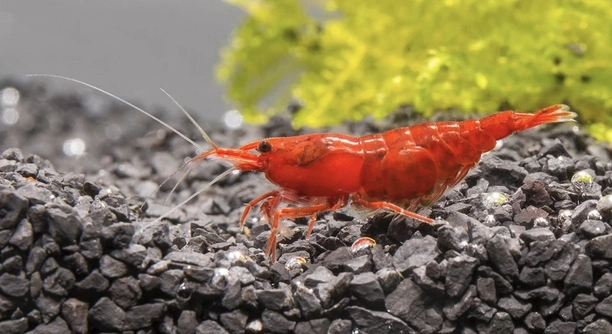
Cherry shrimp are a popular choice for home aquariums because of their vibrant color and small size. Many enthusiasts enjoy watching them interact and hoping to see them reproduce successfully in their tanks.
Cherry shrimp sometimes refuse to breed due to environmental stress, poor water quality, or inadequate nutrition. Factors such as incorrect temperature, insufficient hiding spaces, or an unbalanced diet can inhibit mating behaviors and prevent successful reproduction in captivity.
Learning how to create the right conditions can make a significant difference in encouraging healthy shrimp breeding. Proper care ensures their tank environment supports both survival and natural behaviors.
Understanding Water Conditions
Cherry shrimp are highly sensitive to water parameters. Even slight changes in pH, temperature, or hardness can stress them and prevent breeding. Maintaining a stable environment is essential. I remember when my first batch of shrimp refused to breed after I adjusted the heater without monitoring the temperature closely. Over time, I learned that consistent water testing and careful adjustments make a noticeable difference. Clean water supports healthy shrimp metabolism, encourages activity, and promotes natural mating behaviors. Filtration, regular water changes, and avoiding sudden chemical additives are all part of keeping the water optimal. Stress from poor water conditions can weaken shrimp immune systems and reduce their interest in reproduction. Observing shrimp behavior can provide early warnings of water-related issues. Providing hiding spots and plants also contributes to comfort and security, indirectly supporting breeding. Stability is more important than frequent changes, as sudden shifts can shock shrimp and halt reproductive activity.
Monitoring water regularly, even in small tanks, helps ensure shrimp remain healthy and ready to breed.
With careful attention to water, shrimp are more likely to thrive. Consistency, patience, and observation help create an environment where they feel safe and comfortable. Each adjustment contributes to a healthier tank ecosystem, which is critical for natural behaviors. In my experience, the combination of stable temperature, proper pH, and gentle water movement greatly improved breeding success. Providing moss, plants, and hiding places also encourages female shrimp to molt and lay eggs. Avoiding overcrowding and keeping the tank quiet minimizes stress and increases mating chances. Over time, these small but consistent efforts lead to visible results.
Nutrition and Feeding
Proper nutrition is vital for breeding. Cherry shrimp need a balanced diet with protein, algae, and minerals to support reproduction.
Feeding a variety of high-quality foods ensures shrimp get essential nutrients. Inadequate nutrition can delay or prevent breeding.
I started paying close attention to what my shrimp ate, and their behavior changed noticeably. They became more active, and females appeared healthier. Offering specialized shrimp food, blanched vegetables, and occasional protein supplements provides energy for mating and egg development. Overfeeding can pollute the water, so portion control is also important. I noticed that introducing natural algae in the tank helped maintain color and vitality. Observing which foods were favored allowed me to adjust portions to minimize waste. A nutrient-rich diet supports growth, increases lifespan, and enhances reproductive readiness. Combining variety with consistency creates the best conditions for breeding success. This careful approach to feeding improved my tank’s overall health and made the shrimp more likely to reproduce regularly.
Tank Setup and Space
Overcrowding can prevent cherry shrimp from breeding. Adequate space and hiding spots reduce stress and allow natural behaviors.
I learned that even a few extra shrimp in a small tank can change the dynamic completely. When I rearranged the plants and added moss, females started showing signs of readiness to molt and breed. Hiding spots like small caves or dense vegetation provide security, encouraging more active behavior. Open areas allow males to move freely and display mating behaviors. Proper spacing minimizes aggression and competition, which can otherwise inhibit breeding. Observing their interactions after making these adjustments showed immediate improvements in activity levels and interest in mating. Small details in tank arrangement can make a big difference for breeding success.
Adjusting the layout and keeping an eye on shrimp interactions helps maintain a healthy breeding environment. Watching them adapt makes the process rewarding.
Stress and Environmental Factors
Sudden changes in temperature or water chemistry can stress shrimp, stopping reproduction. Consistency is essential.
I once added new plants without rinsing them properly, and the shrimp became lethargic. Stress can come from noise, vibrations, or nearby tank activity. Even bright lighting or strong currents can cause avoidance behaviors, reducing mating chances. When I minimized disturbances and maintained stable water parameters, shrimp behavior normalized, and breeding resumed. Seasonal fluctuations or tapping on the tank also caused stress, showing that shrimp are sensitive to subtle environmental changes. Providing a quiet, stable space with gentle filtration and minimal disturbances supports healthy activity and encourages breeding naturally.
Maintaining calm, stable conditions allowed my shrimp to regain confidence and resume normal behaviors. Gradual changes and careful observation are key to preventing stress.
Light and Temperature
Cherry shrimp breed best under stable temperature and moderate lighting. Extreme heat or cold can halt reproduction.
I noticed that when the tank heater fluctuated slightly, females stopped carrying eggs. Keeping a consistent temperature around 72–78°F and avoiding intense light made a noticeable difference in their activity and breeding behavior.
Molting and Maturity
Females need to molt regularly before breeding. Molting indicates readiness and overall health.
Providing calcium-rich foods and stable water conditions supports proper molting. I observed that healthier shrimp with successful molts were more likely to breed. Stress or poor diet can delay molting, directly affecting reproduction rates.
Water Changes
Regular, gentle water changes maintain water quality and reduce stress, supporting breeding efforts.
Monitoring water parameters after each change ensures stability and prevents sudden shifts that could harm shrimp health.
Light and Temperature
Cherry shrimp breed best under stable temperature and moderate lighting. Extreme heat or cold can halt reproduction.
I noticed that when the tank heater fluctuated slightly, females stopped carrying eggs. Keeping a consistent temperature around 72–78°F and avoiding intense light made a noticeable difference in their activity and breeding behavior.
Molting and Maturity
Females need to molt regularly before breeding. Molting indicates readiness and overall health.
Providing calcium-rich foods and stable water conditions supports proper molting. I observed that healthier shrimp with successful molts were more likely to breed. Stress or poor diet can delay molting, directly affecting reproduction rates.
Water Changes
Regular, gentle water changes maintain water quality and reduce stress, supporting breeding efforts.
Monitoring water parameters after each change ensures stability and prevents sudden shifts that could harm shrimp health.
Final Thoughts
Cherry shrimp are delicate creatures, and successful breeding depends on creating a stable, supportive environment. Their sensitivity to water quality, temperature, and stress means that even small changes can affect their willingness to reproduce. Over time, I realized that consistent care is far more effective than trying quick fixes. Maintaining proper pH levels, temperature, and hardness is essential, but so is keeping the tank clean and free from chemicals or excess waste. Regular monitoring of water parameters helps prevent unexpected issues and ensures the shrimp remain healthy. Observing behavior closely provides clues about their comfort and readiness to breed. Small details, such as adding moss or plants, can significantly impact their sense of security. These elements not only provide hiding spots but also allow natural behaviors to occur, encouraging females to molt and carry eggs. A balanced approach that combines environmental stability, careful observation, and gradual adjustments often produces the best results.
Nutrition plays a critical role in encouraging breeding. Providing a varied diet that includes algae, blanched vegetables, and high-quality shrimp pellets ensures that shrimp get the energy and nutrients they need for growth and reproduction. I noticed that after improving the variety and quality of their food, shrimp became more active and engaged in natural behaviors. Protein-rich supplements support egg development, while mineral-rich foods promote healthy exoskeletons, which are vital for molting. Overfeeding, however, can harm the water quality, so portion control is essential. Watching the shrimp interact with the food and adjusting portions accordingly prevents waste and maintains a cleaner tank environment. Consistent feeding schedules help regulate their metabolism and encourage reproductive readiness. Paying attention to nutrition alongside environmental factors creates a more complete and supportive system for breeding. In my experience, shrimp that receive balanced nutrition are more likely to reproduce successfully and maintain overall health over time.
Stress management and patience are equally important in achieving breeding success. Sudden changes in temperature, water chemistry, or tank layout can discourage shrimp from reproducing. I learned that minimizing disturbances, maintaining quiet surroundings, and avoiding rapid adjustments makes a noticeable difference. Even small stressors, such as tapping the tank or introducing new tankmates abruptly, can interrupt breeding behaviors. Providing adequate space and hiding places reduces competition and increases comfort. Observing shrimp carefully and giving them time to adapt to changes helps ensure that breeding occurs naturally. Combining consistent care, proper nutrition, and a calm environment produces the best outcomes. Over time, I saw that shrimp responded positively to steady conditions and gentle handling, resulting in healthier, more active shrimp that were ready to breed. Breeding cherry shrimp requires attention to detail, patience, and a willingness to adjust care practices gradually, but the rewards of seeing a thriving colony make the effort worthwhile.

Hello,
If you enjoy the content that we create, please consider saying a "Thank You!" by leaving a tip.
Every little bit helps us continue crafting quality advice that supports the health, happiness, and well-being of pets around the world, for pets of all shapes, sizes, and species.
We really appreciate the kindness and support that you show us!