
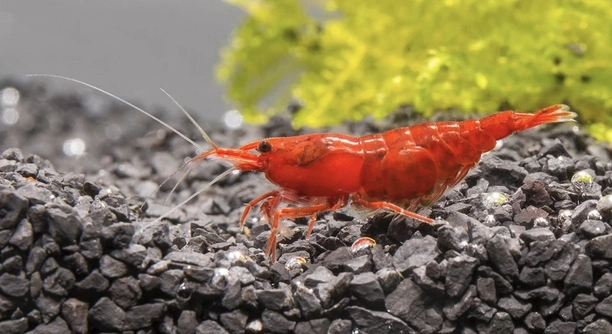
Are you setting up a new tank for cherry shrimp and trying to decide on the right shape for their home? Choosing between a tall or long tank can affect how your shrimp move, feed, and hide in their environment. Thinking carefully about tank dimensions can make a difference in creating a comfortable and healthy habitat for them.
Long tanks are generally better for cherry shrimp as they provide more horizontal swimming space and surface area for plants and hiding spots. This layout encourages natural behaviors, promotes even water conditions, and reduces territorial stress among shrimp.
Considering tank shape can help improve shrimp activity and overall tank balance, ensuring a healthier, more engaging environment for your aquatic pets.
Why Tank Shape Matters for Cherry Shrimp
The shape of your tank affects how cherry shrimp explore, feed, and establish territories. Long tanks give more horizontal swimming space, which encourages natural movement and reduces stress from cramped areas. Shrimp can spread out over plants and decorations, finding hiding spots without bumping into each other constantly. Tall tanks, while visually appealing, may limit horizontal space and make surface grazing or interaction with plants harder. Water circulation can also differ; long tanks tend to have more even conditions across the tank, whereas tall tanks can create layers of temperature or flow differences. Lighting distribution is better in long tanks, helping plants grow evenly and providing consistent coverage for shrimp. Feeding behavior is influenced as well—shrimp in long tanks can forage more naturally without crowding. Overall, considering the tank’s shape ensures the shrimp have enough space to thrive, eat, and reproduce comfortably.
Long tanks help shrimp feel less confined, creating a more stable and stress-free environment.
Even small decisions, like the length of your tank, can impact shrimp behavior, plant growth, and overall tank health. Horizontal space allows shrimp to interact with their environment fully, supporting healthier molting cycles and encouraging natural foraging habits. Choosing a long tank over a tall one can reduce territorial disputes, improve water circulation, and provide better access to feeding areas. Plants benefit too, as they spread evenly across the base, giving shrimp more hiding spots. Decorations and structures can be arranged to create multiple zones, letting shrimp retreat when needed. Light penetration is more consistent in long tanks, which supports both plant growth and shrimp activity. Ultimately, these benefits combine to make a long tank more suitable for cherry shrimp, offering a balanced environment where they can flourish, stay healthy, and display natural behavior patterns.
Water Flow and Tank Placement
Proper water flow ensures oxygenation and waste removal for shrimp.
Cherry shrimp prefer gentle currents that allow them to forage and move easily, without being swept around. Long tanks often create more even flow along the base, while tall tanks can develop stronger vertical currents that may stress shrimp. Placement matters too—tanks near windows or heat sources can have temperature fluctuations. Positioning the tank on a stable surface, away from direct sunlight, helps maintain consistent conditions. Regularly checking filters, pumps, and water movement ensures shrimp remain comfortable. Even minor adjustments in flow or placement can reduce stress and improve overall shrimp health, making their habitat safer and more predictable.
Water flow and placement significantly impact cherry shrimp survival and activity. Uneven currents or unstable temperatures can hinder growth, molting, and reproduction. Long tanks generally support consistent water movement and temperature, providing a stable environment across the base. Shrimp benefit from gentle circulation that keeps detritus suspended for feeding while not disturbing plants or decorations. Placement is critical; exposure to direct sunlight can increase algae growth and cause temperature swings, stressing shrimp. Keeping the tank away from heaters, vents, and frequent vibrations reduces stress and promotes healthy behavior. Strategic decoration placement can also guide flow, creating calm zones for molting or hiding. Monitoring water parameters and ensuring steady flow helps maintain oxygen levels and prevents waste buildup. Proper care and attention to tank layout and movement ensure cherry shrimp remain active, reproduce successfully, and enjoy a healthy, balanced habitat over time.
Choosing Substrate and Plants
A soft substrate protects cherry shrimp’s delicate bodies and encourages natural foraging. Fine gravel or sand works best. Live plants provide hiding spots, surfaces for biofilm growth, and help maintain water quality, supporting a healthy environment for shrimp activity.
Live plants not only create a natural look but also serve multiple purposes for cherry shrimp. Mosses, Java ferns, and floating plants give them surfaces to graze on biofilm and microorganisms. A well-planted tank reduces stress by offering hiding spots during molting or when new shrimp are introduced. Substrate choice affects water parameters, with darker, fine-grained substrates highlighting shrimp colors and allowing easier movement. Combining plants and soft substrate creates an environment where shrimp can feed, explore, and feel safe while enhancing overall tank aesthetics and stability.
Choosing the right plants involves considering growth rate, light requirements, and compatibility with shrimp. Slow-growing plants reduce maintenance and provide lasting shelter. Mosses and ferns attach to driftwood or rocks, giving shrimp climbing opportunities. Fast-growing plants help control nutrients but may need regular trimming to prevent overgrowth. Floating plants diffuse light, creating shaded areas and lowering algae growth. Combining a variety of plants ensures different textures and surfaces for shrimp to explore. Careful placement of plants also allows water to flow evenly, maintaining oxygenation and waste removal. This balance promotes active, healthy shrimp and a visually pleasing tank.
Feeding Cherry Shrimp
Shrimp need a varied diet of biofilm, algae, and high-quality shrimp pellets to stay healthy. Avoid overfeeding, as excess food can pollute water and harm shrimp.
Feeding small amounts multiple times a day encourages natural grazing behavior. Shrimp eat microorganisms growing on plants, substrate, and decorations, which supports their digestive health. Supplementing with blanched vegetables like zucchini or spinach provides additional nutrients. Shrimp pellets should be slow-sinking and designed specifically for freshwater shrimp. Observing feeding patterns helps determine the right quantity and frequency, reducing waste. Maintaining consistent feeding routines ensures shrimp remain active and healthy while preserving water quality and tank balance.
Careful feeding also supports color vibrancy and reproduction. Overfeeding can lead to water contamination, encouraging algae growth and affecting shrimp health. Providing diverse food types ensures nutritional balance, promoting molting and stronger exoskeletons. Blanched vegetables supply fiber and vitamins, while biofilm and algae contribute essential proteins. Pellets designed for shrimp deliver minerals like calcium for shell development. Rotating foods and introducing occasional treats prevents boredom and keeps shrimp active. Feeding practices directly influence tank cleanliness, behavior, and shrimp vitality. By monitoring portion sizes and supplementing with varied foods, you create a stable, thriving environment where cherry shrimp can grow and reproduce successfully.
Tank Maintenance
Regular water changes help keep cherry shrimp healthy and reduce buildup of harmful substances. Weekly partial changes of 20-30% maintain stable water parameters without stressing the shrimp.
Cleaning decorations and gently vacuuming the substrate prevents debris accumulation. Avoid harsh chemicals, and use only shrimp-safe cleaning tools to protect your shrimp and plants.
Lighting and Temperature
Cherry shrimp thrive in stable temperatures around 72-78°F and moderate lighting. Consistent light supports plant growth and helps shrimp maintain natural activity patterns. Avoid sudden temperature swings, as these can stress shrimp and slow molting. Proper equipment ensures a steady environment for long-term health and comfort.
Tank Mates
Peaceful fish like small tetras or snails work well with cherry shrimp. Aggressive or large species may harm or eat shrimp. Selecting compatible tank mates reduces stress and allows shrimp to forage and breed without constant threat. Safe companions create a balanced, thriving aquarium ecosystem.
Observing Shrimp Behavior
Watching shrimp interact with their environment provides insight into health and comfort. Active shrimp indicate a balanced tank, while hiding or lethargy may signal water issues. Regular observation allows timely adjustments to feeding, water conditions, or tank setup, ensuring shrimp remain vibrant and healthy.
FAQ
What is the ideal tank size for cherry shrimp?
Cherry shrimp do well in tanks as small as 5 gallons, but a 10-gallon or longer tank is better for stability. Larger tanks provide more horizontal space, reduce stress, and allow shrimp to explore. Long tanks support even water parameters and give room for plants and decorations, helping shrimp thrive.
How many shrimp should I keep in one tank?
A general guideline is 10-15 shrimp per gallon for small setups, but overcrowding can stress them and reduce water quality. Starting with a smaller group allows the population to grow naturally. Long tanks help disperse shrimp, reducing competition for food and hiding spots.
Which tank shape is better: tall or long?
Long tanks are generally better for cherry shrimp because they offer more horizontal swimming space and surface area for plants and biofilm. Tall tanks may look nice but limit movement and grazing opportunities, affecting shrimp activity and overall health.
What water parameters do cherry shrimp need?
Cherry shrimp prefer temperatures between 72-78°F, pH 6.5-7.5, and soft to moderately hard water. Stable water parameters are essential; sudden changes can stress shrimp and hinder molting or reproduction. Using a reliable heater and testing water regularly ensures a safe environment.
How often should I feed my shrimp?
Feeding small amounts once or twice a day is ideal. Cherry shrimp naturally graze on biofilm and algae, so overfeeding can pollute water. Supplement with shrimp-specific pellets, blanched vegetables, and occasional algae wafers. Observing their behavior helps determine if adjustments are needed.
Can I keep shrimp with fish?
Yes, but only peaceful, small fish or snails. Large or aggressive fish may eat shrimp. Choosing compatible tank mates helps maintain a stress-free environment, allowing shrimp to forage, molt, and reproduce safely without constant threat.
Which plants work best for cherry shrimp?
Mosses, Java fern, and floating plants are ideal. They provide grazing surfaces, hiding spots, and help maintain water quality. Plants should be slow-growing for low maintenance, and placement should allow shrimp to explore while keeping water flow steady.
How do I prevent algae problems?
Balanced lighting, proper feeding, and live plants reduce algae growth. Avoid direct sunlight and excessive nutrients. Regular water changes and cleaning surfaces can keep algae under control. A few algae-eating snails can help maintain balance without harming shrimp.
How can I tell if my shrimp are healthy?
Active shrimp with vibrant colors and regular molting indicate good health. Hiding, lethargy, or faded colors may signal stress, poor water quality, or disease. Observing behavior daily helps catch problems early and maintain a thriving tank.
What maintenance is required for a shrimp tank?
Weekly partial water changes of 20-30% maintain stable parameters. Clean decorations and gently vacuum substrate to remove debris. Avoid chemicals or strong cleaners. Monitoring temperature, pH, and flow ensures shrimp remain comfortable and active. Consistent care leads to a stable, healthy tank environment.
How often should I check water parameters?
Testing once a week is sufficient for established tanks. New tanks may require more frequent checks to ensure stable conditions. Maintaining proper pH, hardness, and ammonia/nitrite/nitrate levels prevents stress and supports molting, feeding, and reproduction.
Can cherry shrimp breed in a home aquarium?
Yes, given stable water conditions and a safe environment, cherry shrimp reproduce readily. Providing hiding spots, plants, and consistent feeding encourages breeding. Long tanks offer more space for juveniles to hide and grow, improving survival rates and overall population health.
Are decorations necessary in a shrimp tank?
Yes, they provide hiding spots, surfaces for biofilm, and enrichment for shrimp. Driftwood, rocks, and plants create zones for exploration, feeding, and molting. Arranging decorations thoughtfully ensures water flow and accessibility while keeping shrimp safe from stress or overcrowding.
What is the best substrate for cherry shrimp?
Fine gravel or sand works best. Soft substrates protect delicate bodies, allow natural foraging, and highlight shrimp colors. Darker substrates often make red shrimp appear more vibrant. Substrate choice affects water chemistry and plant growth, contributing to a balanced tank environment.
How do I introduce new shrimp to a tank?
Acclimate slowly by floating the bag in the tank and gradually adding small amounts of tank water over an hour. This reduces stress from temperature or pH differences. Adding a few shrimp at a time minimizes conflict and allows the group to settle comfortably.
Can shrimp survive in unplanted tanks?
Yes, but plants improve survival, feeding, and molting. Unplanted tanks require more frequent cleaning and monitoring. Without plants, hiding spots and surfaces for biofilm are limited, which can stress shrimp and reduce activity. Decorations can partially compensate but plants are ideal.
How long do cherry shrimp live?
Cherry shrimp typically live 1.5 to 2 years. Proper care, stable water parameters, and a stress-free environment can maximize lifespan. Healthy feeding, regular maintenance, and safe tank mates contribute to longevity and reproductive success.
Is it necessary to cycle a new shrimp tank?
Yes, cycling establishes beneficial bacteria that process waste and maintain water quality. A cycled tank prevents ammonia and nitrite spikes, which can harm or kill shrimp. Patience during this period ensures a safe, stable home for the shrimp.
What signs indicate water problems?
Shrimp hiding excessively, lethargy, faded colors, or unusual deaths suggest water issues. Test for ammonia, nitrites, nitrates, and pH. Early detection allows adjustments to prevent further stress or loss of shrimp. Regular observation is essential for tank health.
How do I handle molting issues?
Provide sufficient calcium, proper water hardness, and hiding spots. Stress, poor diet, or unstable water parameters can cause molting problems. Shrimp need quiet areas to molt safely, and regular feeding with calcium-rich foods helps support healthy shell development.
Can cherry shrimp live with other invertebrates?
Yes, peaceful snails or small shrimp species are compatible. Avoid aggressive invertebrates that may compete or harm them. Co-habitation works best when resources and hiding spots are sufficient for all inhabitants, maintaining a calm and balanced environment.
What is the best method for cleaning the tank without harming shrimp?
Use gentle tools and avoid chemicals. Rinse decorations with dechlorinated water, vacuum the substrate lightly, and change water partially. Shrimp are sensitive, so cleaning must minimize disturbance while maintaining water quality and tank balance.
How can I prevent stress in cherry shrimp?
Stable water parameters, gentle water flow, safe tank mates, and hiding spots reduce stress. Avoid sudden changes in temperature, pH, or lighting. Regular feeding and observation help maintain a calm environment, supporting growth, molting, and reproduction.
What should I do if shrimp start dying unexpectedly?
Check water parameters immediately for ammonia, nitrites, nitrates, and temperature. Inspect for disease or aggression from tank mates. Remove dead shrimp to prevent contamination and adjust maintenance, feeding, or water conditions as needed to stabilize the tank.
Can I keep different color morphs together?
Yes, but monitor breeding results. Mixed color morphs may produce variable offspring colors. Ensure enough space and hiding spots to prevent stress or dominance conflicts. Long tanks provide room for multiple morphs to coexist peacefully while maintaining activity and health.
How important is lighting for shrimp and plants?
Moderate lighting supports plant growth and shrimp activity without encouraging excess algae. Consistent light cycles help shrimp maintain natural behaviors. Floating or slow-growing plants can diffuse light, creating shaded areas and balanced illumination throughout the tank.
What are common shrimp diseases to watch for?
Bacterial or fungal infections may appear as lethargy, discoloration, or white patches. Poor water quality often triggers disease. Early detection, quarantine of affected shrimp, and maintaining stable water conditions are essential for prevention and treatment.
How do I maintain consistent water temperature?
Use a reliable heater with a thermostat. Avoid placing tanks near windows, vents, or heat sources that cause fluctuations. Stable temperature supports feeding, molting, and reproduction, keeping shrimp healthy and active in their environment.
Can shrimp survive in tap water?
Yes, if treated with a dechlorinator and tested for hardness, pH, and chemicals. Chlorine or chloramine must be removed, and parameters adjusted for shrimp safety. Properly prepared tap water can provide a safe, stable environment for long-term survival.
How often should I prune plants?
Trim fast-growing plants as needed to prevent overcrowding and ensure light penetration. Pruning supports shrimp movement, grazing, and overall tank balance. Maintaining plant health improves water quality and reduces stress on shrimp.
What equipment is essential for a cherry shrimp tank?
A reliable heater, filter, and thermometer are essential. Optional items include a sponge filter for gentle flow, lighting for plants, and water testing kits. Proper equipment ensures stable water parameters and a healthy environment for shrimp.
How do I acclimate shrimp to a new tank with fish?
Add shrimp slowly and allow them to settle in planted areas. Gradually introduce them to fish presence while monitoring interactions. Ensure plenty of hiding spots and food to minimize stress during acclimation.
Can cherry shrimp live in cold water?
They prefer 72-78°F. Colder water slows metabolism, molting, and reproduction, and can increase susceptibility to disease. Keeping temperature stable within their preferred range ensures active and healthy shrimp.
How do I increase shrimp survival rates?
Provide hiding spots, stable water, proper diet, gentle flow, and compatible tank mates. Monitoring water parameters, avoiding overcrowding, and maintaining plants improve survival and overall health. Long tanks with sufficient horizontal space support active, thriving populations.
Is it necessary to quarantine new shrimp?
Yes, quarantining for 1-2 weeks helps detect disease or parasites before introducing them to the main tank. Quarantine prevents spreading illness and protects established shrimp populations. Observing new arrivals ensures a healthy transition.
How do I deal with shrimp fighting or aggression?
Aggression is usually minimal in cherry shrimp, but overcrowding or competition for food can cause stress. Provide more hiding spots, increase horizontal space, and monitor feeding. Removing aggressive individuals may be necessary in extreme cases.
Are cherry shrimp sensitive to pH changes?
Yes, rapid changes in pH can stress or kill shrimp. Maintaining stable pH within 6.5-7.5 ensures proper molting, feeding, and reproduction. Gradual adjustments, if needed, are safer than sudden shifts.
How can I encourage breeding in cherry shrimp?
Stable water, ample plants, hiding spots, and a varied diet stimulate breeding. Long tanks with horizontal space allow juveniles to hide and grow safely. Observing behavior and maintaining optimal conditions increases reproductive success.
Can I use fertilizers in a shrimp tank?
Yes, but only shrimp-safe fertilizers in controlled amounts. Avoid chemicals harmful to invertebrates. Fertilizers support plant growth, which provides grazing surfaces and hiding spots, enhancing shrimp health and tank stability.
How do I reduce stress during water changes?
Change small portions gradually, maintain temperature consistency, and avoid sudden pH shifts. Shrimp are sensitive to rapid changes, so gentle adjustments help prevent stress and ensure ongoing health and activity.
What is the best way to feed baby shrimp?
Baby shrimp feed on biofilm, infusoria, and finely crushed shrimp pellets. Providing plenty of hiding spots ensures safety while feeding. Rotating foods supports growth, molting, and overall survival during early stages.
Can shrimp survive without live plants?
They can, but survival and activity improve with plants. Live plants provide grazing surfaces, hiding areas, and help maintain water quality. Unplanted tanks require more maintenance to keep shrimp healthy and active.
How important is tank cover?
A secure lid prevents shrimp from jumping out and keeps fish or debris from entering. Covers also help maintain humidity and temperature, contributing to a stable, safe environment for shrimp.
Can cherry shrimp coexist with other shrimp species?
Yes, but monitor compatibility. Different species may compete for food or territory. Providing adequate space, plants, and hiding spots reduces stress and supports coexistence. Mixed species can thrive if carefully managed.
How do I prevent molting issues in shrimp?
Stable water, proper calcium levels, hiding spots, and a balanced diet reduce molting problems. Stress, poor water quality, or overcrowding can cause incomplete molts or injuries. Observation helps detect early issues and ensures safe molting.
Are shrimp sensitive to vibrations or loud noises?
Yes, excessive vibrations or noise can stress shrimp, reducing feeding and activity. Placing the tank on a stable surface away from heavy foot traffic or loud appliances helps maintain a calm environment.
Can I breed cherry shrimp in a small tank?
Yes, but smaller tanks require careful monitoring of water quality and population density. Overcrowding can stress shrimp and increase mortality. Long tanks provide better horizontal space and hiding spots for breeding success.
What are signs of stress in cherry shrimp?
Hiding constantly, lethargy, faded color, or reduced feeding indicate stress. Stress can result from poor water conditions, overcrowding, or aggressive tank mates. Identifying causes early helps prevent health issues.
How do I care for molted exoskeletons?
Molted shells contain calcium and nutrients. Leaving them in the tank allows shrimp to consume them, supporting healthy growth. Removing excess debris prevents water quality issues while preserving nutritional benefits.
Is it necessary to use a sponge filter?
Sponge filters provide gentle flow and prevent baby shrimp from being sucked into strong currents. They also support beneficial bacteria growth, improving water quality and stability. While not mandatory, they enhance shrimp survival and safety.
How often should I trim moss or dense plants?
Trim as needed to prevent overcrowding and allow water flow. Dense plants support grazing but can trap debris if overgrown. Regular pruning keeps shrimp active and maintains overall tank balance.
Can shrimp survive with fluctuating light cycles?
Sudden or inconsistent light cycles can stress shrimp and encourage algae growth. Consistent moderate lighting supports plant growth, natural behaviors, and molting while reducing stress and maintaining a balanced tank.
How do I prevent shrimp from hiding too much?
Provide enough horizontal space, hiding spots, and gentle water flow. Overcrowding or aggressive tank mates can cause excessive hiding. Observing shrimp behavior and adjusting tank layout promotes activity and reduces stress.
Can shrimp survive without supplemental calcium?
They may survive, but calcium is essential for proper molting and shell strength. Providing calcium-rich foods or supplements ensures healthy exoskeleton development and reduces molting issues.
What is the best way to introduce new plants?
Rinse plants gently to remove pests, then place them gradually. Quarantining fast-growing plants for a few days helps prevent unwanted pests or algae introduction, maintaining a safe environment for shrimp.
Can shrimp live in tanks with fluctuating temperatures?
No, sudden temperature changes stress shrimp and slow molting or reproduction. Keeping a stable 72-78°F range ensures activity, health, and longevity, supporting overall well-being in the tank.
How do I know if shrimp are feeding enough?
Active grazing on biofilm, algae, or provided foods indicates adequate feeding. Lethargy, reduced color, or competition for food suggests insufficient nutrition. Adjust feeding routines as necessary to maintain health.
Are there seasonal considerations for shrimp tanks?
Temperature fluctuations in winter or summer can affect shrimp health. Using heaters, maintaining stable lighting, and monitoring water quality help prevent stress and maintain normal behavior year-round.
What is the best method to remove dead shrimp?
Use a small net or siphon to remove them promptly. Leaving dead shrimp can contaminate water and stress others. Quick removal helps maintain water quality and reduces risk of disease.
How do I prevent shrimp from being eaten by fish?
Select small, peaceful tank mates and provide plenty of hiding spots. Dense plants, moss, and decorations allow shrimp to retreat when fish are present, reducing predation risk and stress.
Can shrimp survive in low-light tanks?
Yes, but plant growth may slow, reducing grazing surfaces and hiding spots. Some hardy mosses and ferns tolerate low light, supporting shrimp activity even with limited illumination.
How do I acclimate shrimp to a new tank without stress?
Float them in the bag to match temperature, then slowly add tank water over 30-60 minutes. Gradual acclimation prevents shock from pH, temperature, or water chemistry differences.
Can shrimp survive in soft vs. hard water?
Cherry shrimp tolerate soft to moderately hard water. Calcium levels affect molting and shell health, while hardness influences pH stability. Maintaining consistent water chemistry ensures long-term survival and reproduction.
What should I do if shrimp stop molting?
Check water quality, calcium availability, and stress levels. Ensure hiding spots and proper diet. Stabilizing tank conditions and reducing stress promotes healthy molting cycles and prevents injury.
Are shrimp sensitive to sudden light changes?
Yes, abrupt lighting can cause stress and hiding. Gradually adjusting light intensity or using dimmers helps shrimp acclimate and maintain natural behaviors without disruption.
Can shrimp live with other invertebrates like crabs?
No, crabs or aggressive invertebrates may attack or eat shrimp. Peaceful snails or compatible shrimp species are safer companions. Careful selection ensures a stress-free environment.
How do I prevent shrimp from escaping the tank?
Use a secure lid and minimize gaps around equipment. Shrimp can climb and jump, so covers protect them while maintaining humidity, temperature, and safety from external hazards.
What is the best way to introduce shrimp to a planted tank?
Add them slowly to established plants, ensuring hiding spots and gentle flow. Acclimate water gradually to prevent stress from temperature or chemistry changes. Proper placement supports exploration and safety.
How do I maintain stable pH in a shrimp tank?
Use buffered substrates, stable water sources, and avoid sudden chemical additions. Regular monitoring and gradual adjustments prevent stress and support molting, feeding, and reproduction.
Can shrimp survive without hiding spots?
They can, but lack of hiding areas increases stress, molting risks, and vulnerability to tank mates. Providing plants, moss, or decorations ensures safety and encourages natural behavior.
How important is water hardness for shrimp?
Water hardness affects shell development, molting, and pH stability. Moderate hardness supports healthy growth, while soft water may require calcium supplementation to prevent molting issues. Monitoring hardness ensures a thriving population.
Can shrimp live in a tank with fluctuating ammonia or nitrite?
No, ammonia and nitrite spikes are toxic. Maintaining a fully cycled tank with stable water parameters prevents stress, disease, and mortality, ensuring shrimp survival.
How do I prevent overcrowding in a small tank?
Monitor population growth and consider tank size. Providing enough hiding spots and horizontal space reduces stress and competition, supporting healthy behavior and molting. Removing excess shrimp may be necessary to maintain balance.
**What are the signs of
Final Thoughts
Cherry shrimp are small but fascinating creatures that thrive in well-maintained tanks. The shape of the aquarium plays an important role in their overall health and activity. Long tanks offer more horizontal space, which allows shrimp to explore freely, find hiding spots, and interact with plants and decorations naturally. Tall tanks may look striking, but they can limit movement and reduce grazing opportunities on the substrate or plants. Providing a comfortable environment is essential for reducing stress, supporting proper molting, and encouraging natural behaviors that keep shrimp active and healthy.
Water quality and tank maintenance are critical aspects of shrimp care. Regular partial water changes, monitoring pH, temperature, and hardness, and avoiding sudden fluctuations all contribute to a stable habitat. Gentle water flow is preferable, as strong currents can stress shrimp and disrupt their natural activities. A soft substrate combined with live plants creates both an attractive and functional environment. Plants provide surfaces for grazing, hiding places, and help maintain water quality, while the right substrate allows shrimp to forage naturally and protects their delicate bodies. Attention to these details ensures shrimp remain vibrant, reproduce successfully, and exhibit healthy behaviors consistently.
Feeding, tank mates, and observation are equally important for maintaining a thriving shrimp aquarium. Cherry shrimp need a balanced diet that includes biofilm, algae, and occasional supplemental foods like shrimp-specific pellets or blanched vegetables. Overfeeding can lead to water issues, so it is important to provide only what they can consume in a short period. Peaceful tank mates such as small fish or snails are compatible, while aggressive or large species should be avoided. Regular observation helps detect early signs of stress, disease, or water problems. By paying attention to these factors and carefully considering tank shape, water conditions, and diet, you can create a stable, healthy, and enjoyable environment where cherry shrimp can flourish. Proper care requires attention and consistency, but it results in a beautiful, active, and balanced aquarium that supports shrimp health and long-term well-being.

Hello,
If you enjoy the content that we create, please consider saying a "Thank You!" by leaving a tip.
Every little bit helps us continue crafting quality advice that supports the health, happiness, and well-being of pets around the world, for pets of all shapes, sizes, and species.
We really appreciate the kindness and support that you show us!