
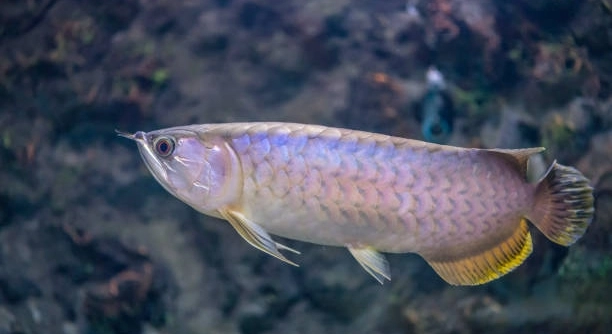
Have you ever noticed your arowana swimming close whenever you approach the tank? These graceful fish are not only striking in appearance but also show subtle behaviors that hint at their awareness of their surroundings. Watching them interact can be quietly fascinating.
Arowanas are capable of recognizing their owners through visual cues and routine interactions. Studies indicate that these fish can distinguish familiar humans from strangers and may respond with specific behaviors, such as approaching the tank or anticipating feeding times.
Learning how arowanas recognize and respond to humans can improve care routines and strengthen the bond between owner and fish. Observing their behavior offers insight into their intelligence and daily habits.
How Arowanas Recognize Their Owners
Arowanas are more perceptive than many people realize. They rely heavily on visual cues to identify familiar humans. Over time, they learn to associate a specific person with feeding or routine care. This recognition is not based on complex thinking but rather consistent patterns. Approaching the tank, tapping on the glass, or preparing food regularly helps the fish form these associations. Many arowana owners notice their fish swimming closer when they enter the room or tapping lightly on the tank. This behavior is a sign that the fish acknowledges the presence of a familiar human. Observing these reactions over weeks can reveal patterns of recognition, showing that the fish is not just reacting randomly. Repetition and consistent interaction are key to strengthening this recognition. Even subtle gestures, like the way someone moves near the tank, can become familiar signals for the fish.
Repeated interactions and feeding routines are the main factors in recognition. Arowanas respond to predictable human behavior more than appearance alone.
Arowanas’ ability to recognize people varies by personality and environment. Fish in larger or busier tanks may take longer to respond consistently. Younger arowanas may also be slower to form these associations. The environment plays a role—clear water and minimal distractions make it easier for the fish to observe and remember. Additionally, the timing and consistency of feeding are crucial. When an arowana expects food from a familiar person at the same time each day, recognition strengthens. Even movements like hand gestures or standing near the tank can trigger anticipatory behavior. Observing these cues provides insight into their learning patterns. Owners who take the time to notice subtle changes in swimming, posture, or eye focus can better understand their arowana’s comfort level and attachment. These behaviors reflect both memory and conditioned response.
Signs That Your Arowana Recognizes You
Most arowanas display noticeable responses to familiar humans, such as swimming toward you or following your movements near the tank. These behaviors indicate awareness and recognition.
Arowanas may show several signs of recognition. They often swim closer when their owner approaches, sometimes lingering near the front of the tank. Eye movement can follow your hand or body, and some fish will become more active or alert during feeding preparation. Certain individuals even respond to gestures, like tapping the glass lightly or moving a hand near the water. Repetition strengthens these behaviors. Observing them over time helps distinguish between routine swimming and active recognition. Beyond movement, arowanas may also demonstrate excitement when food is expected, showing anticipation linked specifically to a familiar person. Not all fish respond in the same way, but consistent patterns indicate awareness. Understanding these signs allows for improved interaction, a smoother feeding process, and a deeper appreciation of the fish’s cognitive abilities. Recognition also fosters trust, which can reduce stress and encourage natural behaviors, making daily care more predictable and enjoyable for both the fish and the owner.
How to Strengthen Recognition
Consistency is key when interacting with your arowana. Regular feeding times and familiar movements help the fish remember and respond to you more quickly. Predictable routines reinforce recognition and build comfort.
Using the same hand movements and approaching the tank in a calm manner helps your arowana associate you with positive experiences. Repetition strengthens memory, and the fish begins to anticipate feeding or interaction when it sees familiar patterns. Avoid sudden changes near the tank, as these can confuse the fish or make it hesitant to approach. Over time, this consistent approach creates a sense of predictability, allowing your arowana to react reliably when you are near. Even small gestures, like gently tapping the tank or moving slowly while preparing food, become familiar signals the fish can recognize. This method not only improves recognition but also reduces stress, helping the fish stay comfortable in its environment.
Patience is essential when building recognition. Some arowanas may respond quickly, while others take longer to notice repeated cues. Environmental factors, such as tank size, water clarity, and noise levels, influence how effectively the fish can observe and remember. Providing a calm, consistent environment allows the fish to focus on familiar human actions rather than distractions. Rewarding recognition with food or interaction encourages learning. Watching for subtle changes in swimming patterns or attention levels helps track progress. The more predictable the interaction, the stronger the recognition becomes, eventually forming a bond that makes feeding and care easier and more enjoyable.
Common Misconceptions About Arowana Behavior
Many people assume that arowanas respond randomly and cannot recognize humans. While some reactions may seem spontaneous, consistent patterns indicate awareness.
Arowanas are intelligent fish, but their responses are often misunderstood. When they approach the tank, it may be interpreted as simple curiosity, yet it can actually be recognition of familiar humans. Some assume fish only react to food, ignoring visual cues or routine interactions that influence behavior. Understanding these distinctions is important to interpret actions correctly. Observing repeated behaviors and linking them to specific people helps clarify their responses. Misreading signals can lead to unnecessary worry about aggression or stress. Accurate interpretation of behavior improves care and strengthens interaction, showing that arowanas are more observant and responsive than often assumed.
Feeding and Recognition
Arowanas quickly associate humans with feeding, which strengthens recognition. Approaching the tank or preparing food consistently helps the fish anticipate interactions and builds a sense of familiarity.
Using the same routine for feeding each day encourages your arowana to recognize specific movements and gestures. This creates predictable behavior patterns that improve responses and reduce stress.
Environmental Factors Affecting Recognition
Tank setup, water clarity, and lighting all influence how well an arowana can see and remember its owner. Clear water and consistent lighting help the fish observe and respond to repeated cues.
Handling Recognition Challenges
Some arowanas are naturally shy or less responsive, making recognition slower. Patience and consistent interaction are essential to help them adapt and feel comfortable around humans.
Observing Subtle Signs
Pay attention to small behaviors like following movements, changing swimming patterns, or remaining near the front of the tank. These are subtle but clear indicators of recognition.
FAQ
Do arowanas really remember their owners?
Yes, arowanas can remember their owners through repeated interactions and consistent routines. They respond to familiar gestures, hand movements, and feeding schedules. Memory is reinforced when the same person performs predictable actions near the tank. Some fish may respond quickly, while others take more time to form these associations. Observing consistent behavior, such as swimming toward you or following your movements, indicates recognition and memory in action.
How long does it take for an arowana to recognize its owner?
Recognition varies depending on the fish’s personality, age, and environment. Some arowanas may respond after a few weeks of regular interaction, while others may take months. Consistency is key: feeding at the same times and using familiar gestures helps speed up the process. Larger tanks or busy environments may slow recognition, as distractions make it harder for the fish to focus on human cues. Patience and repeated interaction strengthen memory and response over time.
Can arowanas distinguish between different people?
Yes, arowanas can distinguish between familiar and unfamiliar people. They respond differently to individuals they recognize versus strangers. Familiar humans often trigger behaviors like approaching the tank, swimming closer, or showing anticipation for food. Strangers may not elicit the same response, and some fish may even remain cautious or hide temporarily. Recognition is based on visual cues and consistent routine interactions rather than scent or other complex senses.
Why does my arowana ignore me sometimes?
Ignoring behavior is often linked to timing, mood, or environmental factors. If the fish has recently eaten, is stressed, or is adjusting to tank changes, it may not respond immediately. Lighting, water clarity, and movement near the tank also influence attention. Arowanas are naturally selective about when they engage, so repeated positive interactions usually encourage more consistent responses over time.
Do arowanas show affection toward their owners?
Arowanas do not show affection like mammals, but they demonstrate recognition and comfort. Swimming close to the tank, following movements, or showing anticipation for feeding are signs of trust and familiarity. These behaviors indicate that the fish associates certain people with positive experiences rather than expressing emotion in a human sense. Consistent care and calm interaction reinforce these responses.
What actions can improve recognition?
Regular feeding at the same times, gentle hand movements, and consistent approaches near the tank help your arowana learn to recognize you. Avoid sudden changes, loud noises, or irregular gestures, as these can confuse the fish. Over time, repeated exposure to predictable cues encourages recognition, improves response, and reduces stress.
Do arowanas react differently to new environments?
Yes, moving an arowana to a new tank or changing its surroundings may temporarily affect recognition. Fish need time to adjust and observe familiar patterns again. Keeping routines consistent, maintaining water clarity, and minimizing disturbances helps the fish regain its ability to recognize you in the new environment.
Can recognition affect feeding behavior?
Recognition strongly affects feeding. Arowanas that identify their owners often anticipate food and may show excitement when they see familiar gestures. This can make feeding smoother and more predictable. Fish that are less familiar with a person may eat cautiously or stay away, highlighting the connection between recognition and behavior.
How do I know if my arowana truly recognizes me?
Look for consistent reactions over time, such as swimming toward you, following your hand, or staying alert when you approach. Subtle cues, like changing swimming patterns or lingering near the front of the tank, indicate recognition. Repetition and predictable routines reinforce these behaviors, making them more reliable indicators of memory.
Are all arowanas equally responsive?
No, responsiveness varies by personality, age, and environment. Some arowanas are naturally more curious and interactive, while others are shy or cautious. Patience, consistent routines, and positive reinforcement are important to help less responsive fish recognize and engage with their owners.
Arowanas are fascinating fish that show more awareness than many people realize. Observing their behavior over time reveals small but clear signs of recognition. They often respond to familiar people through visual cues, movement patterns, and feeding routines. Approaching the tank, tapping lightly on the glass, or performing predictable gestures can trigger reactions that indicate the fish recognizes a person. These responses are not sudden or dramatic but show a quiet intelligence. For example, an arowana may swim closer when its owner enters the room or linger near the front of the tank during feeding times. These behaviors are reinforced through repetition and consistency. When interactions are calm and predictable, the fish learns to associate specific humans with positive experiences. It is this combination of memory, routine, and visual observation that allows arowanas to distinguish familiar individuals from strangers. Understanding these patterns helps improve care and creates a more comfortable environment for the fish.
Recognition in arowanas is influenced by several factors, including environment, personality, and routine. Fish in larger tanks or with busy surroundings may take longer to consistently respond to familiar humans, as distractions make it harder to focus. Younger or less social arowanas may also be slower to form associations, while more curious individuals tend to notice and respond quickly. Water clarity and lighting play a role too, as clear water and consistent light make it easier for the fish to see and remember repeated actions. Feeding schedules are another key factor. When a person consistently provides food at predictable times, the fish begins to anticipate these interactions and may display behaviors that signal recognition, such as swimming in a specific pattern, following hand movements, or staying alert near the front of the tank. Patience and regular interaction are essential for building this awareness over time. Recognizing that every fish is different helps owners set realistic expectations and adjust care routines accordingly.
Building a relationship with an arowana requires consistency, observation, and understanding. While they do not show affection in the same way mammals do, their behavior demonstrates trust and comfort. Approaching the tank in a calm, predictable way and maintaining steady routines can strengthen recognition and reduce stress for the fish. Subtle gestures, such as gentle tapping or slow hand movements, can reinforce familiarity, and repeated exposure helps the fish remember and respond reliably. Observing small signs, like lingering near the front of the tank, following movements, or changing swimming patterns, allows owners to track recognition and adapt care practices. Over time, these interactions create a predictable and comfortable environment, benefiting both the arowana and the person caring for it. Understanding how arowanas recognize and respond to humans encourages better care practices, fosters a sense of connection, and highlights the intelligence and awareness these fish possess. Consistency, patience, and attention to subtle behavior make a noticeable difference in the quality of interaction, ensuring that the fish feels secure while providing the owner with rewarding observation opportunities.

Hello,
If you enjoy the content that we create, please consider saying a "Thank You!" by leaving a tip.
Every little bit helps us continue crafting quality advice that supports the health, happiness, and well-being of pets around the world, for pets of all shapes, sizes, and species.
We really appreciate the kindness and support that you show us!