
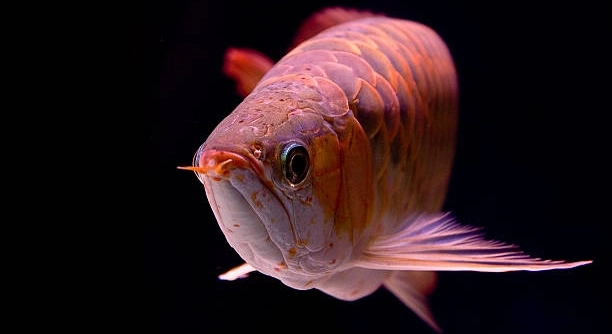
Is your arowana floating with its tail pointing downward in the tank? Observing this behavior can be worrying, especially for someone who cares deeply about their fish. It often signals that something in the fish’s environment or health needs attention.
The primary reason an arowana floats tail down is due to swim bladder disorder. This condition affects the fish’s buoyancy, causing it to tilt or struggle to maintain a normal horizontal position. Stress, diet, or water quality can also contribute.
Understanding why this happens will help you take the right steps to support your arowana’s health and restore its normal swimming behavior.
Common Causes of Tail-Down Floating
When my arowana started floating with its tail down, I realized there were several possible causes. Swim bladder issues are the most frequent reason. This small organ helps fish maintain balance, and even minor infections, constipation, or gas buildup can make the fish tilt. Poor water quality is another factor that often gets overlooked. High ammonia or nitrite levels can stress the fish and affect buoyancy. Overfeeding is common, especially with pellet diets. Uneaten food can decay in the tank, producing harmful chemicals, or cause digestive problems in the arowana. Physical injury from bumps or sudden movements may also damage the swim bladder or affect fins. Temperature fluctuations in the tank can make the fish sluggish and unstable. Even mild stress from nearby tank activity can influence swimming patterns. Observing the tank environment closely often helps identify which factor is most likely causing the problem.
Most arowana owners notice that correcting water quality and diet usually helps the fish regain its balance quickly.
Swim bladder disorders may appear suddenly or gradually. Noticing the timing of symptoms can provide insight into whether it’s diet-related, stress-induced, or linked to water conditions. Constant observation and recording feeding habits, water tests, and tank changes can clarify the cause. Immediate action, like adjusting feeding or improving water quality, often prevents further complications.
Treatment and Care Tips
Tail-down floating can improve with the right care. Simple adjustments in diet or tank conditions often make a noticeable difference.
Treating the issue requires patience and consistency. Start by improving water quality with regular testing and partial water changes to maintain ammonia, nitrite, and nitrate at safe levels. Adjust feeding practices by offering smaller meals and soaking dry food to reduce digestive strain. Some owners find adding peas or other fiber-rich foods helps relieve constipation, a common factor in swim bladder problems. Reducing stress is essential; avoid sudden tank movements or overcrowding. Observe the fish closely for signs of infection or fin damage, as these can worsen the tilt. Temperature consistency is important, keeping the tank within the species’ ideal range. In severe or persistent cases, consulting a vet with experience in ornamental fish may be necessary. Careful attention and small, consistent improvements often restore the arowana’s normal swimming behavior without the need for invasive measures.
Adjusting Diet and Feeding Habits
Feeding smaller portions more frequently helped my arowana start swimming normally again. Overfeeding often leads to digestive problems that affect buoyancy. Switching to a varied diet with occasional frozen or live food can make a big difference.
High-protein diets can sometimes cause constipation or gas buildup in arowanas. I noticed that when I fed only pellets, my fish struggled more with tail-down floating. Incorporating a mix of frozen shrimp, fish, or insects helped improve digestion and reduced swim bladder stress. Soaking dry foods before feeding can also prevent sudden expansion in the stomach. Consistency in meal size and timing keeps the fish’s digestive system stable. Avoid sudden diet changes, as these can increase stress and worsen floating issues.
Fiber-rich foods like peas or blanched vegetables can be useful for relieving constipation. I started giving my arowana a few peas each week, which noticeably helped balance its swimming. Monitoring how the fish responds to diet adjustments is essential. Gradually reintroducing protein-rich foods once digestion improves ensures the arowana stays healthy. Along with water quality and temperature control, diet management is a key factor in preventing recurring tail-down floating. Keeping a simple feeding schedule and avoiding overfeeding protects the swim bladder and overall health.
Maintaining Optimal Water Conditions
Regular water testing quickly revealed minor ammonia spikes in my tank. Keeping levels low is essential to prevent stress and buoyancy issues.
Stable water parameters are critical for arowanas. High ammonia, nitrite, or nitrate levels can impair organ function, including the swim bladder. I maintain a strict schedule of partial water changes and monitor pH, hardness, and temperature consistently. Proper filtration prevents waste buildup, which can contribute to floating problems. Introducing live plants can help naturally regulate water chemistry and provide a less stressful environment. Avoiding sudden changes in water temperature or composition also reduces the risk of swim bladder complications.
Consistency in water maintenance prevents recurring swim bladder problems. I keep a log of water parameters, filter cleaning, and partial water changes, which helps spot trends early. Sudden shifts in temperature or chemical levels often trigger tail-down floating, even in otherwise healthy fish. Maintaining optimal conditions involves regular tank cleaning, careful observation, and immediate correction of any imbalances. Using a reliable filter and performing gradual water changes reduces stress and ensures the arowana’s environment remains stable. Over time, these practices improve swimming posture, buoyancy, and overall well-being.
Recognizing Stress Factors
I noticed my arowana became more tail-down when the tank was noisy or crowded. Stress affects swimming posture quickly.
Sudden changes in lighting, tank decorations, or nearby activity can trigger stress. Keeping a calm environment helps the fish maintain normal buoyancy.
Monitoring Health Closely
Regular observation helped me catch early signs of illness. Watch for changes in appetite, color, or fin movement. Consistent monitoring allows quick action to prevent worsening swim bladder issues.
Using Temperature to Support Recovery
Maintaining stable water temperature made a noticeable difference in my arowana’s swimming. Fluctuations often worsen tail-down floating. Keeping the tank within the ideal range reduces stress on the swim bladder and improves digestion.
Seeking Veterinary Advice
Sometimes professional help is necessary. If the arowana shows persistent tail-down floating or other unusual symptoms, a veterinarian experienced in fish care can provide proper diagnosis and treatment.
FAQ
Why is my arowana floating with its tail down suddenly?
Sudden tail-down floating is often caused by swim bladder issues. Stress, overfeeding, poor water quality, or minor injuries can trigger this behavior. I noticed it often happens after a big change in diet or tank setup. Quick observation and adjusting feeding or water conditions can usually help.
Can diet alone fix tail-down floating?
In some cases, yes. Overfeeding or feeding only dry pellets can cause constipation or gas, affecting the swim bladder. I started giving my arowana smaller meals and adding fiber-rich foods like peas, which helped restore normal swimming. Consistency in feeding is important.
Does water quality really affect swim bladder problems?
Absolutely. Poor water quality stresses fish and can impair organ function. Ammonia, nitrite, and nitrate spikes often lead to buoyancy issues. I maintain regular water tests and partial water changes, which quickly improved my arowana’s swimming posture. Proper filtration also plays a key role.
Can temperature changes cause this behavior?
Yes. Sudden drops or spikes in tank temperature can make the arowana sluggish and worsen tail-down floating. I keep the tank within the recommended range and use a stable heater to prevent stress. Even minor fluctuations affect digestion and buoyancy.
Should I isolate my arowana if it floats tail down?
Isolation isn’t always necessary unless other fish are aggressive or the arowana appears weak. I sometimes use a separate quarantine tank to reduce stress during recovery, which helps the fish eat and swim normally without interference.
Are swim bladder problems permanent?
Not usually. With proper diet, stable water conditions, and reduced stress, most arowanas recover. Persistent issues may indicate infection or organ damage, which requires veterinary care. I’ve found that early attention prevents long-term problems.
Can overfeeding cause tail-down floating even in healthy tanks?
Yes. I’ve seen this happen even when water quality is perfect. Overfeeding stretches the stomach, leading to swim bladder pressure. Feeding smaller portions and soaking pellets before giving them to the fish prevents this issue effectively.
How long does it take for an arowana to recover?
Recovery varies depending on the cause. Minor constipation or water-related issues can improve in a few days. Stress-related floating may take a week or longer. I usually monitor my fish closely every day and adjust conditions as needed.
Are live foods better than pellets?
Live or frozen foods help improve digestion and provide variety, which can prevent constipation and buoyancy problems. I mix pellets with occasional frozen shrimp or fish, which seems to support swim bladder health and keeps my arowana active.
When should I call a vet?
If tail-down floating persists for more than a week, or if you notice swelling, discoloration, or unusual behavior, a veterinarian is necessary. I contacted a vet once when my arowana didn’t improve after diet and water adjustments, and proper treatment made a clear difference.
Can stress from tankmates cause this issue?
Yes. Aggressive or overly active fish can stress an arowana, leading to buoyancy problems. I rearranged decorations and provided hiding spaces, which reduced stress and improved swimming posture. Minimizing disturbances makes a noticeable difference.
Does lighting affect swim bladder health?
Indirectly. Sudden bright lights or rapid changes can startle fish, increasing stress. I maintain a gentle light schedule, which seems to help my arowana remain calm and swim normally.
Are there supplements that help?
Sometimes fiber supplements like peas or specialized fish foods can aid digestion and relieve swim bladder pressure. I’ve added these occasionally when constipation was an issue, which helped the fish regain balance.
Can old age cause tail-down floating?
Older arowanas may develop swim bladder or organ problems more easily. I noticed that older fish need extra care with diet, water quality, and stable conditions to prevent floating issues. Regular observation is key.
Is tail-down floating always a sign of disease?
Not necessarily. It can result from temporary stress, diet issues, or water changes. I’ve seen it happen after minor tank disturbances, and careful adjustments often resolve the problem without illness.
How can I prevent this in the future?
Consistent feeding, monitoring water quality, reducing stress, and observing behavior regularly help prevent tail-down floating. I keep a log of feedings, water tests, and tank changes, which makes spotting issues early much easier.
Are certain arowana species more prone to this?
Some species are slightly more sensitive to diet and water fluctuations, but all arowanas can experience swim bladder problems. I learned that regardless of species, maintaining stable conditions and proper nutrition is essential.
Can physical injury cause tail-down floating?
Yes. Bumps, rough decorations, or aggressive tankmates can damage the swim bladder or fins. I noticed my arowana tilt after minor collisions, and careful tank setup prevented repeated incidents.
Does fasting help?
Short fasting of one to two days can relieve constipation-related swim bladder issues. I sometimes skip a meal or two when I suspect digestive stress, which helps the arowana regain normal buoyancy quickly.
Are there medications for swim bladder problems?
Only if the problem is caused by bacterial infection or parasites. I avoid unnecessary medications and focus first on diet, water, and stress management. Proper diagnosis is crucial before using any treatment.
Can floating with tail down lead to other health issues?
Yes. Constant pressure on the swim bladder or stress from struggling can weaken the fish and increase susceptibility to infections. I monitor my arowana closely and make changes immediately to avoid long-term complications.
Does tank size matter?
Smaller tanks can increase stress and restrict movement, worsening tail-down floating. I keep my arowana in a spacious tank with enough swimming room, which helps maintain proper buoyancy and reduces stress-related tilting.
How can I tell if it’s serious?
Persistent floating, lack of appetite, color changes, swelling, or lethargy are warning signs. I track these closely and contact a vet if I notice any combination of these symptoms. Early action prevents serious problems.
Can changes in water flow affect swimming?
Yes. Strong currents or uneven flow can force the fish to struggle, sometimes causing tail-down floating. I adjust filter output and provide calm areas, which allows the arowana to swim naturally and recover balance.
Is this common in young arowanas?
Yes. Juveniles are more prone to swim bladder issues due to developing organs and sensitivity to diet or water changes. I feed younger fish smaller meals and maintain stable conditions to prevent early onset of floating problems.
Do stress and illness together worsen the problem?
Definitely. I’ve observed that stress amplifies the effects of mild illness, making tail-down floating worse. Reducing stress while treating any underlying condition improves recovery significantly.
Can I correct it with gentle tank adjustments?
Yes. Rearranging decorations, providing hiding spots, reducing activity near the tank, and stabilizing temperature often help. I noticed improvement quickly after small, thoughtful adjustments.
Is patience important in recovery?
Very much. Swim bladder recovery takes time, and rushing treatments can worsen stress. I give my arowana gradual changes and consistent care, which leads to the best long-term results.
Can this happen more than once?
Yes. I’ve seen tail-down floating return if water quality drops, diet is neglected, or stress increases. Maintaining consistent care is the most effective way to prevent repeat episodes.
Are there signs of improvement I should watch for?
Normal horizontal swimming, steady tail position, and regular feeding indicate recovery. I track these daily to know if interventions are working. Early signs of improvement guide further care.
Can tank decorations cause issues?
Yes. Sharp or crowded decorations can injure the fish or create stressful swimming conditions. I rearranged mine for open swimming space, which noticeably improved balance and posture.
Does age of the tank water matter?
Freshly changed water can sometimes shock the fish if parameters differ. I always adjust temperature and chemistry gradually during water changes to avoid sudden stress, which helps maintain normal swimming behavior.
Is observation more important than treatment sometimes?
Yes. Many mild cases resolve with proper diet, water, and stress management. I’ve learned that careful observation often reveals the root cause without rushing medication.
Are there signs of irreversible damage?
Persistent tilt, swelling, or organ damage visible over weeks may indicate long-term problems. I consult a vet immediately if I notice these, as early intervention can prevent further decline.
Does water hardness affect swim bladder?
Yes. Extremely soft or hard water can influence organ function. I test and adjust hardness to suit my arowana, which supports stable buoyancy and overall health.
Can tail-down floating indicate infection?
Sometimes. Bacterial or parasitic infections may accompany buoyancy issues. I watch for color changes, lethargy, or abnormal spots, which signal the need for medical attention.
Can live plants help?
Yes. They improve water quality and provide hiding spots, which reduce stress and support normal swimming. I’ve noticed calmer behavior and fewer floating issues after adding plants.
Do I need to change everything at once?
No. Gradual adjustments in diet, water quality, and environment are more effective. I make one change at a time to see what helps, reducing stress on the arowana and improving recovery.
Can tail-down floating affect appetite?
Yes. I’ve seen my arowana eat less when struggling to maintain balance. Correcting swim bladder stress usually restores normal feeding within a day or two.
Are certain foods more likely to cause problems?
Dry pellets expand in the stomach and can cause constipation. I soak them first and combine with occasional live or frozen foods to reduce digestive strain.
Is monitoring temperature more important than water changes?
Both are critical. Temperature fluctuations stress the swim bladder, while poor water quality damages organs. I prioritize stability in both to maintain healthy swimming posture.
Can overcrowding make it worse?
Yes. Limited space increases stress and reduces swimming ability. I maintain ample tank space to give my arowana room to move freely and recover from floating issues.
Does the time of day affect behavior?
Yes. I noticed my arowana tilts more during active periods or bright lights. Providing consistent lighting and calm periods supports normal swimming patterns.
Can tail-down floating be a minor issue?
Sometimes it’s temporary, caused by digestion or minor stress. I observe carefully before taking further action, often resolving the problem with diet and water adjustments.
Does fasting always work?
Not always, but short fasting can relieve constipation and reduce pressure on the swim bladder. I combine fasting with fiber-rich foods for best results.
Can swimming exercises help?
Gentle swimming in calm water improves muscle tone and buoyancy. I create calm zones and let my arowana move naturally, which aids recovery without added stress.
Is patience the most important factor?
Yes. Gradual, consistent care combined with observation leads to long-term recovery. Rushing interventions can increase stress and make floating worse. I’ve learned this through repeated experience.
Can I prevent it entirely?
Not entirely, but consistent diet, clean water, stable temperature, and low-stress environment greatly reduce the likelihood. Regular observation and quick intervention help maintain a healthy, balanced fish.
Is veterinary care expensive?
Costs vary, but early consultation often prevents more serious, expensive treatments later. I found that timely advice saved my fish from long-term complications.
Can tail-down floating indicate a combination of issues?
Yes. Diet, water, stress, and minor injury can act together. I address each factor gradually, which usually restores normal swimming without drastic measures.
How often should I check the tank?
Daily observation for behavior and weekly water testing works well. I track changes carefully to catch problems before they worsen.
Are there natural remedies that work?
Soaked food, fiber-rich vegetables, and consistent care are effective. I focus on simple, low-stress adjustments rather than chemical treatments for minor cases.
Can swimming posture be a long-term health indicator?
Yes. I monitor tail position and balance as part of overall health assessment. Persistent tilting signals an issue needing attention, while normal posture indicates stability.
Does tank lighting schedule matter?
Yes. Consistent lighting reduces stress and supports normal swimming behavior. Sudden bright lights can startle the fish and worsen tail-down floating.
How quickly should improvements appear?
Minor diet or water changes can show effects in days, while stress-related issues may take longer. I monitor daily to adjust care as needed.
Can tail-down floating resolve on its own?
Sometimes mild cases improve without intervention, but I’ve found active observation and small adjustments prevent recurrence and support faster recovery.
Are there risks if ignored?
Yes. Ignoring floating can lead to organ strain, infection, or long-term swimming issues. I address even minor symptoms immediately to prevent escalation.
Is each case unique?
Absolutely. Each arowana responds differently. I tailor diet, environment, and care based on behavior and recovery signs.
Can improper tank decorations worsen it?
Yes. Sharp or cramped spaces increase stress or risk injury. I rearrange for open swimming areas, which supports recovery and prevents recurrence.
Does social behavior influence floating?
Aggression or overcrowding increases stress and tilting. Providing calm conditions and sufficient space improves buoyancy and overall health.
Are smaller adjustments better than big changes?
Yes. Gradual changes reduce stress. I adjust diet, water, and environment slowly, which allows the arowana to adapt and recover steadily.
Can tail-down floating affect growth?
Persistent buoyancy problems may reduce feeding efficiency, impacting growth. I maintain diet and conditions to ensure the fish grows properly despite temporary floating issues.
Does tank location matter?
Yes. Vibrations, noise, and frequent movement nearby stress the fish. I placed my tank in a quiet spot, which improved swimming posture.
Are there environmental enrichments that help?
Yes. Hiding spots, gentle currents, and stable conditions reduce stress and support normal swimming. I added plants and decorations carefully to create a calm environment.
Can other fish spread causes of floating?
Only if disease or parasites are involved. Otherwise, tankmates mainly influence stress. I monitor all fish and quarantine new additions to prevent problems.
Does water aeration affect swimming?
Yes. Proper aeration ensures oxygen levels remain stable. Low oxygen can increase stress and worsen floating. I adjust air stones or filters to maintain balance.
How do I know if recovery is complete?
Normal horizontal swimming, steady tail, regular appetite, and alert behavior indicate recovery. I continue observation for several weeks to confirm full improvement.
Are all remedies safe for juveniles?
Mostly, but young fish are sensitive. I adjust feeding, water changes, and environmental conditions gradually to prevent added stress.
Can minor swim bladder issues be ignored?
Occasionally, mild, temporary tilting resolves on its own, but I prefer addressing all signs to prevent worsening and long-term damage.
Does floating occur more at certain times?
Yes. I noticed more tail-down during active periods or after feeding. Monitoring timing helps identify triggers and guide care.
Are commercial remedies effective?
Some fiber-rich foods or digestive aids help, but diet, water, and stress management remain the most reliable solutions in my experience.
Do seasonal changes affect this?
Yes. Temperature fluctuations during seasonal changes can stress fish. I adjust heaters and maintain stable water conditions to prevent tail-down floating.
Can tail-down floating lead to permanent deformities?
If untreated over long periods, stress or organ strain can cause lasting posture issues. Early intervention prevents this. I act immediately at first signs.
Does exercise help recovery?
Gentle swimming in calm areas strengthens muscles and supports buoyancy. I avoid strong currents or overcrowded zones to allow safe movement.
Is over-cleaning the tank harmful?
Yes. Removing too much beneficial bacteria during cleaning can affect water quality. I perform gradual, partial cleaning to maintain stability.
Can I prevent stress completely?
Not entirely, but minimizing loud noises, sudden movements, overcrowding, and abrupt environmental changes significantly reduces risk of tail-down floating.
Do symptoms differ between species?
Minor differences exist, but all arowanas can experience swim bladder problems. Observing each fish’s behavior helps tailor care effectively.
Are tail-down floating and swimming upside down related?
Both can indicate swim bladder issues, though floating tail-down is more common. I treat them similarly with diet, water, and stress management.
Does fasting work for all causes?
Only for constipation or mild digestive issues. I combine fasting with fiber foods and stable conditions to support recovery.
Can I use homemade remedies?
Yes, simple foods like peas help, but chemical or untested treatments can worsen problems. I stick to safe, low-stress methods.
Does water movement influence recovery?
Yes. Calm areas help regain balance, while strong currents can make tail-down floating worse. I adjust flow carefully.
Are temperature and feeding linked?
Yes. Temperature affects digestion, which impacts swim bladder function. I coordinate stable heating with proper meal sizes for best results.
Can tail-down floating reoccur?
Yes. Stress, overfeeding, poor water, or injury can trigger it again. Consistent care is key to preventing repeats.
Is monitoring behavior more important than treatments?
Often, yes. Observation helps identify triggers and guide appropriate interventions. I track swimming, feeding, and activity to make decisions.
Does tank location reduce stress?
Yes. Quiet, low-traffic areas help maintain calm behavior and normal swimming posture.
Can supplements replace proper diet?
No. Supplements aid digestion but cannot replace balanced meals. I use them only when needed to support fiber intake.
Are small changes more effective than large ones?
Yes. Gradual adjustments reduce stress and allow the arowana to adapt. Sudden changes often worsen floating.
Is there a timeline for recovery?
Minor issues improve in days; stress-related or combined causes may take weeks. I monitor progress daily.
Can poor swimming posture signal other problems?
Yes. Swim bladder issues, stress, injury, or infection can all manifest as tail-down floating. I evaluate diet, environment, and health together.
Can floating affect social interactions?
Yes. Stress or poor buoyancy may make the arowana avoid tankmates or behave unusually. I provide calm spaces for recovery.
Is observation more effective than guessing?
Yes. Careful monitoring of water, diet, and behavior helps identify the true cause and prevents unnecessary interventions.
Can mild tail-down floating be ignored?
Sometimes, but I prefer proactive care. Minor symptoms can worsen if diet, water, or stress are neglected.
Do lighting and temperature schedules need to match?
Yes. Consistent light and stable temperature reduce stress
Final Thoughts
Managing arowanas that float with their tail down can feel stressful at first, but with careful observation and consistent care, most issues can be resolved. I’ve learned that paying close attention to diet, water quality, and tank environment makes the biggest difference. Overfeeding or feeding the wrong types of food is a common problem, so offering smaller portions and including fiber-rich foods like peas can prevent digestive stress. Live or frozen foods can also help balance the diet and support healthy swim bladder function. Even minor adjustments, like soaking dry pellets or spacing out meals, can improve buoyancy. Keeping a regular feeding schedule reduces the chances of sudden digestive problems that might make the arowana tilt in the water.
Water conditions are equally important. I noticed that slight changes in ammonia, nitrite, or nitrate levels could affect my arowana’s swimming posture within a day. Regular water testing and partial water changes maintain stability and prevent stress. Filtration also plays a major role, as a clean tank reduces the likelihood of organ strain or infection. Temperature consistency is crucial as well. Sudden fluctuations can make the fish sluggish or worsen tail-down floating. Maintaining stable water temperature, along with consistent light and calm conditions, creates an environment where the arowana can swim naturally and recover more quickly. Stress from tankmates, overcrowding, or excessive noise can also impact buoyancy, so it helps to design a tank layout that provides plenty of swimming space and safe hiding spots.
Patience is key when dealing with tail-down floating. Some cases resolve within a few days, while others take weeks, depending on the underlying cause. Observation is often more valuable than immediate treatment because it allows you to understand what factors are affecting the fish. Keeping a log of feeding habits, water tests, and behavioral changes helps identify patterns and supports informed decisions. In cases where the problem persists, consulting a veterinarian experienced in ornamental fish ensures proper care. Overall, attentive daily care, careful diet management, and stable tank conditions can significantly reduce the chances of swim bladder issues and help your arowana maintain normal swimming behavior, supporting long-term health and well-being.

Hello,
If you enjoy the content that we create, please consider saying a "Thank You!" by leaving a tip.
Every little bit helps us continue crafting quality advice that supports the health, happiness, and well-being of pets around the world, for pets of all shapes, sizes, and species.
We really appreciate the kindness and support that you show us!