
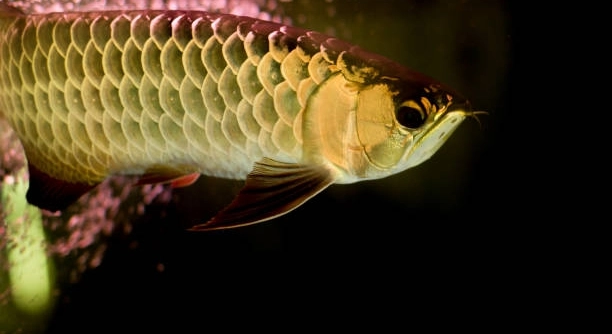
Arowanas are majestic and striking fish, admired for their shimmering scales and graceful movements. Yet, beneath their calm exterior, they experience fear from unexpected sources. Understanding these triggers is key to keeping them comfortable and stress-free in captivity.
Arowanas are most commonly frightened by sudden movements, loud noises, aggressive tank mates, rapid lighting changes, unfamiliar objects, water contamination, and overcrowded conditions. These factors disrupt their natural behavior and cause stress responses, reducing their overall health and well-being in captivity.
Recognizing these fears helps owners create a safer and calmer environment for their arowanas, ensuring their fish remain healthy and display natural, relaxed behaviors.
Sudden Movements in the Tank
Arowanas are naturally cautious fish. When there are abrupt movements near or inside the tank, they can startle easily. Even small gestures, such as tapping the glass or a quick hand motion, can trigger a strong stress response. These reactions are instinctual, as arowanas are predators that also remain alert to threats. Sudden movements can make them swim frantically, bump into decorations, or hide in corners, which affects their overall well-being. Maintaining a calm environment around the tank helps reduce these episodes. Over time, consistent exposure to sudden stimuli may lead to chronic stress, lowering immunity and appetite. Careful placement of decorations and avoiding frequent disturbances near the tank can keep arowanas more relaxed. Monitoring their behavior after any disturbance helps owners notice signs of persistent stress, like unusual swimming patterns or loss of color. By observing and adjusting the tank environment, owners can create a safer space for these delicate fish.
Keeping hands and objects away from the tank helps arowanas feel more secure and reduces stress triggers.
Repeated disturbances not only frighten arowanas but can also affect their long-term health. Stressful situations, like sudden movements, prompt the release of stress hormones, which impact their immune system, making them more susceptible to infections. Prolonged exposure may cause reduced feeding, lethargy, and even erratic behavior. Arowanas rely on consistent conditions to thrive, so minimizing disruptions is essential. Large or active tank mates can compound stress from movements, making them even more sensitive. Observing their reactions and adjusting the tank surroundings ensures a calmer environment, promoting normal behavior and proper growth. Regular maintenance, stable water conditions, and thoughtful placement of decorations prevent unnecessary disturbances. Over time, a controlled setting allows arowanas to develop trust in their habitat, swim confidently, and show vibrant colors. Owners who prioritize consistency notice fewer panic responses and healthier, more active fish.
Loud Noises Around the Tank
Loud noises can easily unsettle arowanas. They are sensitive to vibrations and sudden sounds, which trigger fear and erratic swimming.
Excessive noise from speakers, household appliances, or heavy footsteps can stress arowanas. This stress leads to hiding, decreased appetite, and restless behavior. Avoiding loud environments near the tank helps maintain their calm.
Prolonged exposure to loud sounds affects both physical and mental health. Arowanas may develop weak immunity, slower growth, and vulnerability to disease. Stress hormones rise when noise levels are high, impacting metabolism and digestion. Tank placement is crucial; areas with frequent commotion or high traffic should be avoided. Soundproofing or using thick tank lids can reduce vibrations and noise transmission. Even vibrations from nearby construction or moving furniture can disturb them. Providing hiding spots and floating plants can give arowanas a sense of safety during unavoidable disturbances. Consistent quiet periods reinforce a sense of security, allowing them to feed and swim without fear. Maintaining a controlled, quieter environment ensures they remain healthy, display natural behaviors, and thrive over time.
Aggressive Tank Mates
Aggressive tank mates can scare arowanas, causing them to hide or swim frantically. Smaller or territorial fish increase stress and may lead to injuries. Choosing compatible tank mates ensures a calmer environment and helps maintain their health and natural behavior.
Arowanas are large, predatory fish, but they are sensitive to the presence of overly aggressive companions. Fish that constantly chase or nip at them create a stressful environment. Even seemingly minor interactions can cause anxiety, leading to reduced feeding and erratic swimming. Incompatible species, such as territorial cichlids or very active fish, increase tension in the tank. Observing behavior and separating aggressive fish helps arowanas remain calm and confident. Proper tank size also reduces conflict by giving each fish enough space to establish its own territory, lowering the chance of constant confrontations.
Providing hiding areas and monitoring interactions is essential for maintaining arowanas’ well-being. Calm tank mates allow them to swim freely, display natural behavior, and avoid unnecessary stress. Choosing the right companions prevents injuries, promotes feeding, and supports long-term health. Maintaining clear boundaries and adequate space keeps aggression under control, allowing arowanas to thrive alongside compatible species.
Rapid Lighting Changes
Sudden shifts in lighting can startle arowanas, making them swim erratically or hide. Consistent light patterns reduce stress and help them feel secure.
Arowanas respond strongly to rapid changes in light intensity, such as turning lights on or off abruptly or using bright flash photography. These fish are naturally sensitive to environmental changes, and sudden lighting can trigger panic. Frequent disturbances disrupt their swimming patterns and make them less confident in the tank. Gradual dimming or timed lighting reduces stress, allowing them to feed and explore comfortably. Consistency in lighting supports natural rhythms, including sleep and feeding schedules, which are critical for maintaining health. Proper light management also highlights their colors without causing anxiety.
Using adjustable or timer-based lighting helps arowanas adapt and stay calm. Hiding places like plants or rocks give them refuge during unavoidable bright flashes. Minimizing abrupt changes ensures they remain active without fear, promoting a balanced and stress-free environment that supports growth, appetite, and overall well-being.
Unfamiliar Objects in the Tank
Arowanas are cautious and may react fearfully to new objects, decorations, or sudden additions. Introducing items gradually helps them adjust and prevents unnecessary stress.
Even minor changes, like new plants or ornaments, can make arowanas hide or swim nervously. Observing their response ensures they adapt without panic.
Water Contamination
Dirty or contaminated water is stressful and harmful for arowanas. Poor water quality can cause erratic behavior, reduced appetite, and increased susceptibility to disease. Regular water changes and monitoring are essential to maintain a safe environment.
Water parameters like ammonia, nitrite, nitrate levels, and pH must be stable. Sudden fluctuations or pollution from uneaten food and waste can overwhelm arowanas, leading to stress and illness. Using proper filtration, cleaning the substrate, and testing water frequently prevents dangerous buildup. Even small changes in temperature or hardness can make them anxious. Clear, clean water supports natural swimming patterns, proper feeding, and overall health. Consistent maintenance helps arowanas feel secure and thrive, reducing fear responses and ensuring longevity in captivity.
Overcrowded Conditions
Too many fish in the tank can intimidate arowanas, making them less confident and more stressed. Proper stocking levels are critical for their comfort and safety.
FAQ
What signs show that an arowana is scared?
Arowanas display several clear signs when frightened. They may swim rapidly across the tank, collide with decorations, or hide for extended periods. Loss of appetite and sudden color changes also indicate stress. Observing these behaviors helps owners identify triggers and adjust the environment to reduce fear.
How can I reduce sudden stress from movements around the tank?
Keeping the area around the tank calm is essential. Avoid tapping the glass or making quick gestures near the fish. Placing decorations strategically and allowing space for smooth swimming minimizes startling movements. Over time, a consistent environment lowers stress and improves overall behavior.
Are certain tank mates more likely to scare arowanas?
Yes. Aggressive or highly active fish can intimidate arowanas. Territorial species often chase or nip at them, causing stress. Choosing compatible tank mates and ensuring adequate space reduces fear and allows arowanas to swim confidently without feeling threatened.
How does lighting affect arowana stress levels?
Sudden changes in light, including turning lights on or off abruptly, can trigger panic. Gradual transitions or using timers help maintain stable lighting patterns. Proper light management supports natural rhythms, encourages feeding, and reduces unnecessary stress in the tank.
Can new decorations frighten arowanas?
Yes. Arowanas are cautious and may react nervously to unfamiliar objects. Introducing decorations slowly and observing their response allows them to adjust. Providing hiding spots around new items gives a sense of security and prevents prolonged fear.
What water conditions reduce fear in arowanas?
Stable water parameters are essential. Ammonia, nitrite, nitrate, pH, and temperature fluctuations can stress fish. Regular water testing, proper filtration, and routine cleaning maintain safe conditions. Clear, clean water ensures calm swimming and natural behavior.
Does overcrowding increase arowana stress?
Overcrowded tanks reduce swimming space and make arowanas feel threatened. Each fish needs sufficient room to move freely. Proper stocking levels prevent conflict, lower stress, and promote healthy growth and behavior.
How do loud noises affect arowanas?
Arowanas are sensitive to vibrations and sudden sounds. Household appliances, speakers, or footsteps can startle them. Minimizing loud disturbances and placing the tank in a quiet area helps keep them calm and comfortable.
Can diet or feeding schedules influence stress?
Yes. Irregular feeding or poor-quality food can make arowanas more anxious. Maintaining a consistent feeding routine with appropriate nutrition supports their health, reduces fear responses, and encourages normal activity levels.
How long does it take for arowanas to adapt to a new tank?
Adjustment depends on individual temperament, tank size, and environmental stability. Generally, they may take days to weeks to feel secure. Providing consistent conditions, hiding spots, and minimal disturbances accelerates acclimation and reduces fear behaviors.
Are there signs of chronic stress in arowanas?
Chronic stress can appear as persistent hiding, lethargy, faded color, or irregular swimming patterns. Frequent stress lowers immunity, making them more prone to disease. Observing behavior and maintaining optimal conditions prevents long-term issues and supports healthy growth.
Can I use plants or decorations to make arowanas feel safe?
Yes. Floating plants, rocks, or driftwood create natural hiding spots. These elements provide security during unavoidable disturbances, helping arowanas relax and reduce panic. Proper placement allows swimming space while offering shelter, balancing safety and freedom.
Do temperature fluctuations scare arowanas?
Sudden shifts in water temperature can be stressful. Arowanas prefer stable temperatures within their ideal range. Using heaters, thermometers, and monitoring changes carefully keeps water conditions consistent and prevents fear responses.
How do I know if my tank is too noisy for arowanas?
If arowanas swim erratically, hide frequently, or refuse to feed, noise may be a factor. Observing reactions to household sounds or vibrations helps determine whether adjustments, such as relocation or sound dampening, are necessary.
Is regular observation important for reducing fear?
Yes. Monitoring behavior daily helps identify stress triggers early. Owners can adjust tank conditions, remove disturbances, or rearrange decorations to create a calmer environment. Regular observation ensures arowanas remain healthy and display natural behaviors.
Can stress affect arowana growth?
Persistent fear slows metabolism and reduces appetite, impacting growth. Stress can also weaken the immune system, making them susceptible to illness. Maintaining stable water, compatible tank mates, and a calm environment promotes normal growth and long-term well-being.
Are all arowanas equally sensitive to fear?
Individual temperament varies. Some are naturally more skittish, while others are confident. Age, size, and previous experiences influence sensitivity. Understanding the personality of each fish helps tailor care and minimize fear.
How often should I clean the tank to reduce stress?
Regular maintenance prevents contamination and maintains stable water parameters. Weekly partial water changes, filter checks, and substrate cleaning reduce anxiety and support a healthy, stress-free environment for arowanas.
Do hiding spots actually reduce fear, or just mask stress?
Hiding spots provide real security. They allow arowanas to control their environment and retreat when frightened. This reduces erratic behavior and supports natural instincts, creating a more comfortable and confident fish.
Can multiple stressors combine to scare arowanas more?
Yes. Sudden movements, loud noises, overcrowding, and poor water quality together amplify fear. Reducing one or more stressors significantly improves behavior and overall health. Prioritizing stable, predictable conditions keeps arowanas calmer and thriving.
Arowanas are striking and fascinating fish, but they are also highly sensitive to their environment. Their reactions to sudden movements, loud noises, aggressive tank mates, rapid lighting changes, and unfamiliar objects reveal how easily they can become stressed. Even small changes in water quality or overcrowding can have a significant impact on their well-being. Observing these behaviors closely allows owners to identify potential stressors before they affect health or growth. Creating a stable environment with calm surroundings, clean water, and compatible tank mates helps arowanas feel secure and promotes natural behavior. This attention to detail may seem small, but it plays a critical role in reducing fear and encouraging confidence in these delicate fish. Over time, a consistent and thoughtful approach builds trust between the fish and their environment, which is reflected in their calm, confident swimming and feeding patterns.
Managing stress in arowanas requires careful planning and ongoing maintenance. Regular water testing, proper filtration, and scheduled cleaning are essential to maintaining safe conditions. Lighting should be consistent, and changes introduced gradually to prevent panic. Tank decorations and hiding spots should be placed thoughtfully, providing security while maintaining open swimming areas. Limiting loud noises and avoiding sudden disturbances around the tank also helps reduce stress responses. Monitoring their interactions with other fish ensures that aggressive or overly active tank mates do not intimidate them. Feeding routines should be regular and appropriate for their size and species, supporting both physical health and mental well-being. Each small adjustment adds to a calmer, more predictable environment that allows arowanas to thrive and show their natural beauty.
Understanding arowanas’ sensitivity also benefits long-term health and longevity. Chronic stress can weaken the immune system, reduce appetite, and stunt growth. By recognizing the subtle signs of fear—hiding, erratic swimming, color changes, or loss of appetite—owners can take proactive measures to improve conditions. The goal is not only to prevent harm but also to create a positive, supportive habitat where arowanas can exhibit their full range of behaviors. Over time, these adjustments foster a balanced and secure environment, allowing the fish to live with confidence and minimal stress. Consistent care, patience, and observation make a significant difference, turning a tank into a safe, healthy home that meets the natural needs of arowanas while reducing fear and promoting overall well-being.

Hello,
If you enjoy the content that we create, please consider saying a "Thank You!" by leaving a tip.
Every little bit helps us continue crafting quality advice that supports the health, happiness, and well-being of pets around the world, for pets of all shapes, sizes, and species.
We really appreciate the kindness and support that you show us!