
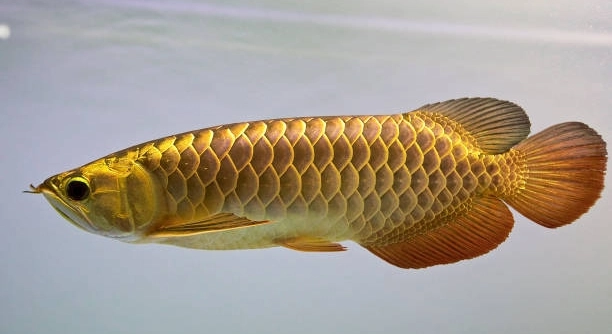
Do you enjoy keeping arowanas but find yourself wondering about their nighttime habits and environment? Many aquarium owners want to ensure their fish are comfortable and healthy around the clock. Understanding lighting is key.
Arowanas do not need light at night. Maintaining darkness during nighttime hours supports their natural circadian rhythm, reduces stress, and encourages healthy resting behavior. Continuous artificial light can negatively affect their health and overall well-being.
Proper lighting management is important for your aquarium setup. Learning the right balance will help your arowana thrive in a safe and natural environment.
Understanding Arowana Nighttime Behavior
Arowanas are naturally diurnal, which means they are active during the day and rest at night. Observing their behavior can help you create an environment that supports their natural rhythm. At night, they often hover near the bottom or middle of the tank, moving slowly and conserving energy. Providing a consistent day-night cycle helps them feel secure and reduces stress, which can improve feeding habits and overall health. Bright lights at night can disturb them, making them restless or anxious. Some owners notice their arowanas swimming frantically or hiding when the tank is lit too long. It’s important to mimic natural conditions by turning off lights after their active period. Dim or no lighting allows them to sleep properly, recover from daily activity, and maintain strong immune systems. This simple adjustment can significantly enhance their quality of life.
Nighttime darkness supports healthy growth and reduces stress in arowanas. They thrive best with clear light cycles.
Even with proper lighting, other factors affect nighttime behavior. Tank size, water quality, and hiding spots play a role. A larger tank lets them swim freely, while stable water parameters prevent health issues. Adding floating plants or shaded areas provides safe resting spots. Observing their behavior helps you know if adjustments are needed. Consistency is important—changing light schedules or introducing sudden bright lights can confuse them. Over time, proper care ensures your arowana feels secure, sleeps well, and remains active during the day.
Choosing the Right Lighting for Your Tank
Arowanas do well with low-intensity lights at night or complete darkness. Bright lights disrupt rest and increase stress.
For daytime, full-spectrum lights enhance color and simulate sunlight. At night, switch off the lights or use dim, red-toned lights if necessary. Avoid leaving lights on for long periods, as this can affect their biological clock. Some owners use timers to maintain a strict day-night cycle. Lighting should complement, not replace, proper feeding, filtration, and tank maintenance. Adequate nighttime darkness supports natural behavior, encourages proper rest, and helps your arowana stay healthy. By observing their activity and adjusting light levels, you create an environment that balances aesthetics with the fish’s well-being. Well-managed lighting contributes to longevity, color retention, and reduced stress, making it an essential aspect of responsible arowana care. Consistency and careful observation are key to creating a stable and comfortable habitat for these majestic fish.
Signs Your Arowana Is Disturbed by Light
Restlessness at night can indicate that your arowana is disturbed by light. Swimming frantically, hiding constantly, or refusing to rest are common signs. Observing these behaviors helps you adjust lighting for their comfort and natural routine.
If your arowana frequently changes position or taps the glass at night, it may be reacting to excessive illumination. Bright lights can disrupt sleep patterns and increase stress, affecting appetite and immune function. Over time, continued exposure to night lighting can make your fish more prone to illness. Watching their behavior closely allows you to identify issues early. Adjusting the light schedule gradually can help them adapt without sudden stress. Providing shaded areas or floating decorations gives them safe spots to rest and feel secure, further reducing nighttime agitation.
Other subtle signs include sluggish movement during the day or lack of appetite. These indicators often link back to disrupted rest at night. Monitoring your arowana’s activity patterns regularly ensures that any problems can be corrected. Changing tank decor, dimming lights, or allowing complete darkness overnight promotes healthier, more natural behavior. Over weeks, arowanas adjust well to stable lighting, showing calmer movements, consistent feeding, and improved coloration. Maintaining this balance strengthens their overall health, making them more resilient and comfortable in the aquarium.
How to Adjust Lighting Gradually
Gradual changes in lighting prevent stress. Sudden switches from bright light to darkness can startle your arowana and disrupt rest patterns.
Begin by dimming lights slowly in the hour before night. Use timers to maintain consistent schedules, simulating sunrise and sunset. Adjust brightness in small increments over several days to weeks, allowing your fish to adapt naturally. Combining dimmed lighting with shaded areas or floating plants encourages restful behavior and reduces nighttime stress. Avoid turning off all lights abruptly if the tank is heavily decorated or has other fish that may react to sudden darkness. Gradual adaptation helps arowanas maintain their circadian rhythm, improving sleep quality and overall health.
Creating a stable light cycle involves observing your fish’s response carefully. Note when they begin to rest, hide, or show active swimming. Gradual adjustments allow you to find the optimal balance for your specific tank setup. A consistent schedule promotes regular feeding patterns, proper metabolism, and reduced stress hormones. Over time, the arowana learns to associate lighting cues with activity periods, improving behavior and energy levels. Using timers and dimmers simplifies the process and ensures reliability. Attention to these details results in a calmer, healthier, and more vibrant fish, showing that small lighting changes can make a significant difference in their well-being.
Nighttime Tank Setup
Providing shaded areas or floating plants helps your arowana feel secure at night. Darkness with hiding spots encourages natural resting behavior and reduces stress.
Avoid placing bright lights directly over the tank at night. Arowanas are sensitive to sudden illumination, which can make them anxious or restless.
Using Timers for Consistent Lighting
Timers are an effective way to maintain a regular day-night cycle for your arowana. Setting lights to turn on and off at consistent times helps mimic natural conditions. Gradual dimming or a delayed shutoff can ease the transition from day to night. This approach reduces stress and promotes healthier behavior. Over time, arowanas learn to anticipate active periods and resting periods, improving feeding patterns and overall well-being. Timers also take the guesswork out of lighting management, ensuring the tank environment remains stable even when you are not present. Regular observation combined with consistent light cycles supports long-term health and enhances coloration and vitality.
Avoiding Nighttime Disturbances
Keep the tank area quiet and free from sudden movement at night. External disturbances can prevent your arowana from resting properly.
FAQ
Do arowanas sleep at night?
Arowanas do rest at night, though they do not sleep exactly like humans. They become less active, hover in one area, and reduce movement. Darkness helps them maintain this resting state, allowing their bodies to recover from daytime activity. Proper rest is essential for growth, immune function, and overall health.
Can too much light at night harm my arowana?
Yes. Excessive nighttime lighting can stress arowanas, leading to erratic swimming, hiding, or decreased appetite. Continuous exposure may disrupt their circadian rhythm, weaken the immune system, and affect color vibrancy. Maintaining darkness at night supports natural behavior and prevents these negative effects.
Is it okay to use a night light in the tank?
Low-intensity, red or blue night lights are sometimes acceptable. These lights allow observation without disturbing rest. Bright or white lights, however, can cause stress. Using timers to gradually dim lights ensures a smooth transition to darkness and helps your arowana adapt naturally.
How long should the tank be dark at night?
Arowanas benefit from roughly 10–12 hours of darkness each night. This duration mimics natural day-night cycles, supporting healthy behavior. Providing consistent dark periods allows proper rest and reduces stress, which improves feeding, growth, and coloration over time.
What if my arowana refuses to rest?
Refusal to rest usually indicates stress or environmental issues. Check water quality, temperature, and tank decor. Sudden bright lights or disturbances can prevent proper resting. Adjusting lighting gradually, adding shaded areas, and minimizing nighttime disruptions often restores normal behavior.
Do other fish in the tank affect arowana nighttime behavior?
Yes. Aggressive or active tankmates can disturb an arowana’s rest. Ensure compatible species are housed together and that each fish has space to retreat. Providing hiding spots and observing interactions helps reduce stress and allows all fish to rest properly.
Can arowanas adjust to artificial night lighting over time?
They can partially adapt, but natural darkness is always better. Gradual adjustments, dimmed lights, or timers help minimize stress. However, long-term reliance on artificial night lighting may still affect sleep quality, growth, and immune function. Mimicking natural day-night cycles remains ideal.
How can I tell if my arowana is stressed by light?
Signs include frantic swimming, constant hiding, refusal to eat, or lethargy during the day. Monitoring their movements and daily patterns can indicate whether lighting or environmental factors are causing stress. Timely adjustments help restore calm and normal behavior.
Should lights be turned off if I leave home overnight?
Yes, consistent darkness at night is important. Using a timer ensures lights turn off automatically, maintaining a stable day-night cycle even when you are away. This prevents disruption of their resting period and supports long-term health.
Do arowanas need a complete dark period every night?
Complete darkness is ideal, but very dim, low-intensity lights are sometimes acceptable for observation. The key is avoiding bright or direct lights that disrupt their natural resting behavior. Providing an environment that mimics natural conditions leads to healthier and calmer fish.
Can poor nighttime lighting affect arowana growth?
Yes. Lack of proper rest due to bright lights or disturbances can slow metabolism and growth. Arowanas need a consistent dark period to recover energy, support digestion, and maintain strong immune function. Proper lighting directly contributes to long-term health and vitality.
Are floating plants or decorations helpful at night?
Yes. Floating plants, driftwood, or shaded areas give arowanas safe places to rest and feel secure. These additions reduce stress and help maintain normal nighttime behavior, especially if the tank receives some low-intensity light for observation.
Do arowanas prefer total darkness over dim light?
Most arowanas prefer total darkness. Dim light may be tolerated but can slightly disrupt rest. Observing your fish’s behavior can help you determine whether they are comfortable with low-intensity night lighting or require complete darkness for proper rest.
How do I balance aesthetic lighting and arowana health?
Use full-spectrum lights during the day to enhance color and simulate sunlight. At night, turn off lights or use dim, red-toned lighting. Timers help create consistent day-night cycles. Balancing visual appeal and fish health ensures your arowana thrives while maintaining a beautiful tank.
Can nighttime light stress lead to illness?
Yes. Chronic stress from disrupted rest can weaken the immune system, making arowanas more susceptible to infections, parasites, or disease. Ensuring proper darkness and a stable environment reduces stress and supports long-term health.
Is it normal for arowanas to be inactive at night?
Yes. Reduced movement and hovering are normal nighttime behaviors. This inactivity allows them to rest and recover energy. Sudden activity at night usually indicates stress or environmental disturbances, signaling that adjustments may be needed.
How long does it take for arowanas to adapt to a new lighting schedule?
Adaptation can take several days to a few weeks. Gradual changes, timers, and dimming lights in stages help them adjust naturally. Observing behavior throughout the adjustment period ensures they remain calm and continue proper rest patterns.
Can lighting affect arowana coloration?
Yes. Proper lighting during the day enhances color vibrancy, while darkness at night supports rest and reduces stress, indirectly maintaining coloration. Continuous or harsh night lighting may dull colors over time. Consistent day-night cycles are essential for bright, healthy coloration.
What other factors should be considered along with lighting?
Water quality, temperature, tank size, diet, and compatible tankmates all affect nighttime behavior. Proper care combined with consistent lighting ensures arowanas rest well, stay healthy, and maintain natural behavior patterns, resulting in a more balanced and thriving aquarium environment.
Does the type of tank lighting matter for arowanas?
Yes. Full-spectrum lights enhance natural coloration and simulate sunlight, while low-intensity or red lights at night minimize disturbance. Avoid overly bright or flickering lights, which can stress your fish and interfere with nighttime rest, leading to health and behavioral issues.
Are arowanas more active with moonlight simulations?
Moonlight simulations can encourage calm night activity without disrupting rest. Soft, dim lighting helps maintain natural behavior. However, strong or continuous moonlight-style lighting may keep them slightly more alert, so it’s best used sparingly and combined with longer dark periods.
Can I monitor arowanas at night without disturbing them?
Yes. Low-intensity red lights, night-vision cameras, or dim ambient lighting allow observation without interfering with rest. Avoid white or bright lights that can startle or stress them. Observation tools help track behavior and health while maintaining a natural nighttime environment.
Is nighttime lighting more critical for young arowanas?
Young arowanas are more sensitive to environmental changes. Proper darkness supports growth, stress reduction, and immune system development. Bright or inconsistent lighting can negatively affect development, so a stable nighttime environment is especially important for juveniles.
How does light impact feeding schedules?
A consistent light-dark cycle helps regulate appetite. Daytime lighting signals feeding time, while nighttime darkness signals rest. Disrupted lighting may reduce feeding interest or cause irregular eating patterns. Maintaining proper cycles supports digestion and healthy growth.
Can too little light during the day affect nighttime behavior?
Yes. Insufficient daytime light can confuse their circadian rhythm, leading to restless or unusual nighttime activity. Providing adequate daylight simulation ensures they recognize day and night periods, promoting proper rest and natural behavior patterns.
What is the best way to test if my lighting setup is working?
Observe behavior patterns, appetite, and activity levels over several days. Restful nighttime behavior, normal feeding, and calm daytime activity indicate the setup is effective. Adjustments can be made gradually based on these observations to ensure optimal conditions.
Does water temperature interact with lighting effects at night?
Yes. Cooler temperatures combined with darkness encourage proper resting behavior, while warmer water may increase activity or stress. Maintaining stable temperatures alongside appropriate lighting ensures arowanas rest well and stay healthy.
Are reflective surfaces in the tank a problem at night?
Yes. Reflections from bright lights can disturb arowanas, causing restlessness or stress. Avoid placing tanks near mirrors or highly reflective surfaces, especially if lights remain on at night, to maintain a calm environment.
Can lighting affect social behavior at night?
Yes. Improper lighting may increase aggression or territorial disputes if multiple fish are present. Darkness helps reduce tension and allows all fish to rest comfortably without unnecessary stress or conflict.
How often should I check nighttime behavior?
Daily observation is ideal, even briefly. Checking patterns helps catch early signs of stress, poor rest, or environmental issues. Regular monitoring ensures adjustments can be made quickly, keeping your arowana healthy and comfortable.
Does tank placement in the room matter for night lighting?
Yes. Tanks near windows, lamps, or other light sources may experience unwanted illumination at night. Positioning the tank in a darker area or using covers can prevent external light from disturbing your arowana’s rest.
Can nighttime lighting influence breeding behavior?
Yes. Stable light cycles support natural hormonal rhythms, which are important for breeding. Excessive or inconsistent lighting may delay or disrupt spawning, while consistent day-night periods encourage reproductive readiness and healthy behavior.
Is there a difference between species regarding light sensitivity?
Some arowana species are more sensitive to light changes than others. Observing individual behavior and adjusting lighting accordingly ensures all species in your care rest well and maintain normal activity patterns.
Should I keep the aquarium completely dark when using a filter or equipment that glows?
Minimize glowing equipment at night or cover it if possible. Even small lights can disturb rest. Using low-intensity, indirect lighting or covering glowing components helps maintain darkness while ensuring proper tank function.
Can nighttime lighting affect stress hormones in arowanas?
Yes. Constant light exposure can increase cortisol levels, leading to chronic stress. Adequate darkness allows hormone regulation, reduces anxiety, and supports overall health, improving behavior, immune response, and growth.
Is it necessary to change lighting as arowanas age?
Adjustments may be beneficial. Young arowanas are sensitive to light, while adults may tolerate low-intensity night lighting. Observing behavior and stress levels ensures lighting meets the needs of your fish at each life stage.
How can I combine aesthetics and natural darkness?
Use daytime full-spectrum lighting for color and visibility, then switch to timers and dim or indirect night lighting. Floating plants or decorations add beauty and provide shaded resting areas, balancing appearance with fish comfort.
What is the most common mistake with nighttime lighting?
Leaving bright lights on overnight or frequently changing the light schedule is the most common error. These practices disrupt rest, increase stress, and can harm overall health. Consistent cycles and gradual adjustments prevent these problems.
Can lights affect parasite susceptibility?
Indirectly, yes. Stress from disrupted rest can weaken the immune system, making arowanas more prone to parasites or infections. Proper darkness at night helps maintain immunity and overall resilience.
How long can arowanas go without proper darkness?
Extended periods without darkness can lead to chronic stress, poor growth, and health issues. Even a few nights of continuous bright light may affect behavior, so maintaining consistent dark periods is crucial for long-term well-being.
Are there any signs that lighting is optimal?
Calm nighttime behavior, normal feeding, vibrant coloration, and steady daytime activity indicate the lighting setup is effective. Observing these patterns regularly helps confirm that your arowana is comfortable and healthy.
Should I adjust lighting if I travel?
Yes. Use timers to maintain consistent day-night cycles while away. This prevents stress and disruption to natural resting behavior, ensuring your arowana stays healthy even in your absence.
Can nighttime lighting affect interaction with me?
Bright or sudden lights at night may make arowanas wary of movement near the tank. Maintaining darkness preserves trust and natural behavior, while minimizing stress during nighttime hours.
Are specialized arowana lights necessary?
Not always. Standard full-spectrum daytime lights and low-intensity nighttime options are sufficient. The key is consistency, gradual transitions, and avoiding bright light during resting periods to maintain health.
Can lighting changes alone improve arowana health?
Lighting is one factor. Proper rest supports overall well-being, but water quality, diet, tank size, and compatibility are equally important. Combined with proper lighting, these factors create a stable, healthy environment for your fish.
How can I gradually test new lighting setups?
Introduce small changes incrementally, monitor behavior, and adjust gradually. Observing feeding, activity, and rest helps ensure the new setup is comfortable, reducing stress and supporting natural cycles.
Does tank background color affect nighttime behavior?
Darker backgrounds can reduce reflections and visual stress, promoting calm rest. Lighter or reflective surfaces may increase activity or alertness, so choosing the right background helps maintain proper nighttime behavior.
Are there long-term benefits to proper nighttime darkness?
Yes. Consistent darkness improves sleep, reduces stress, supports immune function, enhances coloration, and promotes natural activity patterns. Over time, arowanas become healthier, calmer, and more vibrant, making proper nighttime lighting a key component of care.
Can lighting adjustments help aggressive arowanas?
Indirectly. Proper darkness at night and gradual transitions reduce stress, which can minimize aggression. Providing shaded areas and consistent light cycles encourages calmer behavior and improves overall tank harmony.
Does the size of the tank affect lighting needs?
Yes. Larger tanks may require multiple light sources or strategic placement to ensure even day-night cycles. Ensuring darkness reaches all areas is important to maintain proper rest for your arowana.
How often should I review my lighting setup?
Regularly—at least monthly—to ensure timers, dimmers, and light intensity remain appropriate. Monitoring behavior and tank conditions allows adjustments before problems arise, keeping your arowana comfortable and healthy.
Are arowanas more sensitive to overhead lights or side lights?
Overhead lights are generally more disruptive. Side lighting may create reflections and stress. Understanding your tank’s lighting dynamics helps optimize the environment and prevent nighttime disturbances.
Can lighting affect metabolic rates in arowanas?
Yes. Proper day-night cycles regulate metabolism and digestion. Disrupted light patterns can slow growth, reduce appetite, and affect energy levels, highlighting the importance of consistent lighting schedules.
Is there a difference between natural sunlight and artificial lighting?
Artificial full-spectrum lighting can mimic sunlight, but direct natural sunlight may overheat the tank or promote algae growth. Consistent artificial lighting allows better control while still supporting color, behavior, and health.
Can lighting influence how arowanas interact with their reflection?
Bright lights at night may increase interaction with reflections, causing stress or aggressive behavior. Low or no lighting reduces this effect and encourages calmer, more natural behavior.
Should I consider seasonal adjustments in lighting?
Minor adjustments can mimic seasonal changes, supporting natural rhythms. However, sudden shifts may stress arowanas. Gradual, subtle changes are best to maintain stable day-night cycles.
Are there specific brands of lighting recommended for arowanas?
No single brand is essential. Focus on full-spectrum daytime lighting and low-intensity nighttime options, with timers for consistency. Proper setup and observation matter more than brand names.
How does lighting affect arowana coloration over years?
Consistent proper lighting enhances and maintains vibrant coloration, while disrupted cycles or excessive night lighting may dull colors over time. Balanced light management supports long-term visual appeal and health.
Can nighttime lighting influence aggression during the day?
Yes. Disrupted rest may increase irritability or aggression with tankmates. Ensuring proper darkness at night promotes calmer daytime behavior and improves overall tank harmony.
Does the aquarium hood affect nighttime lighting?
Yes. Hoods can block external light, helping maintain darkness. They also allow controlled placement of dim or observation lights without disturbing arowana rest.
Are arowanas sensitive to light flicker?
Yes. Flickering lights can stress them, especially at night. Using stable, consistent lighting prevents rest disruption and reduces anxiety, supporting natural behavior.
Can you combine moonlight simulation with complete darkness?
Yes. Moonlight can be brief or dim, giving visual appeal without disturbing rest. Limiting its duration ensures proper darkness for sleep while maintaining natural behavior patterns.
How much observation is too much at night?
Excessive observation with bright lights can disrupt rest. Limit nighttime observation to low-intensity lighting or cameras to avoid stressing your arowana.
Proper nighttime lighting is an important part of keeping arowanas healthy and comfortable. Arowanas are naturally diurnal fish, meaning they are active during the day and rest at night. Maintaining a period of darkness each night allows them to follow this natural rhythm. Artificial lighting that stays on too long or is too bright can disturb their resting behavior, causing stress or restlessness. Providing darkness for at least ten to twelve hours a night helps them recover from daily activity, supports their immune system, and promotes normal growth and metabolism. Simple adjustments to lighting, such as turning off the main lights or using low-intensity night lights, can make a significant difference in their overall well-being. Observing your arowana’s nighttime behavior is key to understanding whether your lighting setup is working correctly. If the fish swim frantically, hide constantly, or avoid rest, it may be a sign that adjustments are needed. Over time, proper darkness helps them feel secure, reduces stress, and encourages calmer behavior during both night and day.
Creating a stable environment for your arowana goes beyond just turning the lights off. The placement of decorations, floating plants, or shaded areas can give your fish safe spaces to rest without feeling exposed. Even subtle environmental factors, such as tank reflections or glowing equipment, can affect nighttime comfort. Using timers for lights ensures consistent day-night cycles, allowing arowanas to adjust gradually and maintain natural activity patterns. Gradual dimming of lights or slowly transitioning to darkness can prevent sudden stress, helping your fish adapt without disruption. Nighttime darkness also improves the quality of their rest, which has a direct impact on daytime activity, feeding habits, and coloration. Ensuring that all these elements—lighting, tank setup, and environmental consistency—work together creates a habitat that supports your arowana’s health and long-term vitality. Consistent observation is essential because each fish may react slightly differently to lighting conditions, and small changes can improve comfort significantly.
Balancing the aesthetics of the aquarium with the health needs of your arowana is achievable with simple strategies. Full-spectrum lighting during the day highlights coloration and mimics natural sunlight, while darkness or low-intensity lighting at night promotes rest. Using timers and indirect lighting can help maintain this balance while providing visual appeal when desired. Avoiding overly bright lights, reflections, and sudden changes prevents unnecessary stress, ensuring your arowana can follow its natural routine. Maintaining proper night conditions supports growth, immune function, and behavior, and also contributes to longevity and overall happiness in the tank. Over time, you will notice calmer, healthier behavior, better coloration, and improved energy levels when the lighting and environment are properly managed. These steps may seem small, but they are crucial for creating a stable, safe, and comfortable home for your arowana. Proper nighttime care demonstrates attention to their natural needs and is a simple way to ensure they thrive in your aquarium for years to come.

Hello,
If you enjoy the content that we create, please consider saying a "Thank You!" by leaving a tip.
Every little bit helps us continue crafting quality advice that supports the health, happiness, and well-being of pets around the world, for pets of all shapes, sizes, and species.
We really appreciate the kindness and support that you show us!