
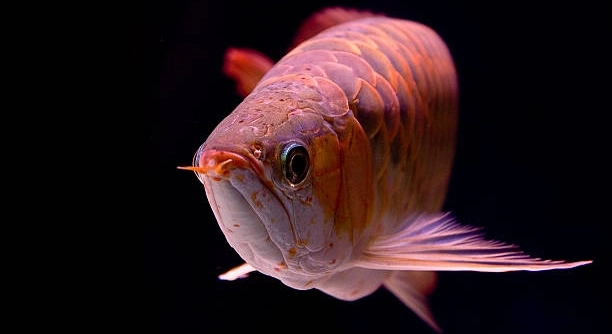
Arowanas are majestic fish known for their long bodies and shiny scales. Many fish owners enjoy keeping them in home aquariums. Observing their behavior can be fascinating and sometimes surprising. They seem lively and aware of their surroundings.
Arowanas do show playful behaviors, including swimming energetically, chasing objects, and interacting with tank decorations. Providing stimulation in their environment encourages natural movement, reduces stress, and promotes overall health, supporting both their physical and mental well-being.
Creating a tank that encourages activity can greatly enhance their daily life. Understanding their needs ensures they remain healthy, alert, and engaged in their environment.
Understanding Arowana Behavior
Arowanas are intelligent fish that display a variety of behaviors beyond simple swimming. They often explore their tanks actively, showing curiosity about objects, plants, and other fish. Some even recognize their owners over time and respond to their presence. Observing these behaviors helps in understanding what keeps them stimulated and healthy. Providing toys like floating objects, mirrors, or small ping-pong balls can encourage natural hunting instincts and reduce boredom. They may swipe at objects or make short bursts of fast swimming, indicating engagement and alertness. Arowanas also enjoy having hiding spots or areas with gentle water currents, which mimic natural habitats and make them feel secure. Monitoring their responses to new items helps determine what types of enrichment work best. Over time, introducing small changes to the tank can keep their environment dynamic without overwhelming them. Overall, understanding their behaviors allows owners to create a more suitable and enjoyable home for these unique fish.
Arowanas react positively to environmental changes that simulate natural conditions, keeping them active and engaged daily.
Enrichment is essential for preventing stress and promoting well-being. Simple additions like driftwood, rocks, or floating objects encourage swimming, exploration, and interaction. Rotating items in the tank prevents monotony. Observing reactions ensures activities are effective, and even minimal changes can significantly improve their mental stimulation.
Types of Tank Enrichment
Tank enrichment can include objects, water flow adjustments, and interactive elements. These changes mimic natural behaviors and reduce stress in confined environments.
Floating objects, plants, and gentle water currents provide mental stimulation and encourage movement. Offering occasional live or frozen food increases hunting instincts and keeps feeding interesting. Mirrors can sometimes trigger playful swimming, but should be used sparingly to avoid stress. Proper lighting, combined with hiding spots, helps create a dynamic environment that feels natural. Even rearranging decorations slightly can prompt exploration. Environmental enrichment supports both physical activity and mental engagement. Regular observation ensures that the fish responds positively and avoids frustration. Changing one aspect at a time allows the owner to see which strategies work best. Over time, a well-enriched tank can lead to more active, healthy, and responsive arowanas that display their full range of behaviors, making care more rewarding.
Would you like me to continue with the next section following the same word counts and format?
Safe Toys and Objects
Floating balls, plastic rings, and lightweight driftwood can safely entertain arowanas. Avoid sharp or small items that can be swallowed. Rotating toys keeps them interested and encourages natural swimming patterns. Observing reactions ensures safety and engagement.
Providing safe objects promotes physical activity and mental stimulation. Arowanas may chase floating items, nudge objects with their mouths, or interact with drifting decorations. Gentle currents can enhance this play by moving items naturally, making them more enticing. Over time, rotating or changing the items prevents boredom. Careful observation ensures that no toy causes stress or injury, keeping the environment safe and stimulating. Structured play also helps in monitoring health, as active engagement reflects overall well-being and alertness.
Introducing safe objects gradually allows arowanas to explore at their own pace. Some fish may start by cautiously approaching new items, while others interact immediately. Adjusting the placement, number, or type of objects helps identify what keeps them most engaged. Combining toys with feeding routines or gentle water flow encourages natural behaviors, creating a dynamic and enriching environment. Over time, this approach strengthens both physical and mental health, leading to more active, curious, and resilient arowanas that thrive in their home tank.
Feeding and Interaction
Interactive feeding methods can stimulate hunting instincts. Using tongs or floating food encourages movement and mental engagement during mealtime.
Varying diet and presentation keeps arowanas motivated. Offering live, frozen, or pellet foods at different positions in the tank encourages exploration and natural foraging behaviors. Some owners hang food at the surface to prompt leaping, which enhances agility. Even rearranging the feeding area slightly each time adds novelty, keeping the fish attentive and active. Observing how they respond to different methods helps refine techniques, ensuring both safety and stimulation.
Structured interaction during feeding strengthens environmental enrichment. Using floating or sinking food items at different tank levels encourages swimming, chasing, and coordinated movements. Incorporating short bursts of feeding activity throughout the day can mimic natural patterns and reduce lethargy. Over time, arowanas may learn to anticipate feeding and respond actively, improving overall engagement. Combining this with other enrichment strategies, like toys and hiding spots, creates a well-rounded environment that addresses both physical exercise and mental stimulation, supporting a balanced and healthy lifestyle for the fish.
Water Flow and Currents
Adjusting water flow can encourage swimming and playful behavior. Gentle currents help arowanas explore their environment and interact with floating objects. Too strong a current may cause stress or fatigue, so moderation is key.
Currents create movement that stimulates natural instincts. Arowanas often swim against gentle flows, chasing floating items or exploring corners of the tank. Rotating the direction or intensity occasionally adds variety, keeping them alert. Proper water flow also improves oxygenation and overall tank health, supporting both mental and physical activity.
Tank Rearrangement
Changing the layout of decorations or hiding spots keeps arowanas curious. Even minor adjustments prompt exploration and reduce monotony.
Social Interaction
Some arowanas benefit from observing other fish or reflective surfaces. Interaction encourages natural behaviors, provided tank mates are compatible.
FAQ
Do arowanas enjoy playing with toys?
Arowanas do respond to toys and objects in their tank, though each fish has its own personality. Floating balls, rings, or driftwood can spark curiosity. They may nudge items, chase them, or swim around them repeatedly. Observing reactions helps determine which toys are engaging without causing stress.
How often should I introduce new objects?
Introducing new objects once every few weeks is usually enough. Too many changes at once can overwhelm them. Small adjustments, like moving a decoration or adding a floating toy, are enough to keep them curious and active. Gradual changes ensure they explore safely.
Can arowanas recognize their owners?
Arowanas can learn to recognize people who feed or interact with them regularly. They may swim closer when you approach the tank. This behavior is more pronounced in fish that receive consistent attention and positive interactions. Over time, they become familiar with daily routines.
Is interactive feeding necessary for their well-being?
Interactive feeding is not strictly necessary, but it enhances mental stimulation. Offering food with tongs, at different heights, or in moving water encourages natural hunting behaviors. It also adds exercise, making feeding time more than just nourishment.
Are mirrors safe for enrichment?
Mirrors can trigger curiosity and swimming activity. However, use them sparingly. Some arowanas may become stressed if they perceive a constant “rival.” Short periods of exposure are best, and always observe their reactions carefully to avoid negative effects.
Do all arowanas respond to enrichment the same way?
No, individual temperaments vary. Some fish are immediately curious and playful, while others may need time to adjust. Watch their behavior closely and adjust enrichment strategies accordingly. Patience is key to finding what engages each fish without causing stress.
Can rearranging the tank improve activity?
Yes, changing decorations, hiding spots, or plant placement encourages exploration. Even small adjustments prompt arowanas to investigate their surroundings. Rotating layouts gradually prevents boredom and stimulates natural behaviors like swimming, hiding, and investigating, keeping them mentally active.
How do currents affect play behavior?
Gentle water currents encourage swimming and chasing floating objects. They create dynamic movement in the tank that mimics natural habitats. Too strong a flow can tire or stress them, so adjusting intensity is important. Observation ensures currents enhance activity without overwhelming the fish.
Is it okay to keep arowanas with other fish?
Tank mates can provide social stimulation, but compatibility is crucial. Arowanas are predatory and may stress smaller or aggressive species. Choosing fish of similar size and temperament reduces risks and can encourage natural interaction without conflict.
How do I know if enrichment is working?
Active swimming, exploring objects, interacting with floating items, and alert responses indicate effective enrichment. Lethargy or hiding for long periods may signal boredom or stress. Gradually adjusting toys, currents, and feeding methods can improve engagement and overall well-being.
Can arowanas play outside their tank?
They should not be removed from water for play. Safe enrichment happens within the tank environment. Floating objects, rearrangements, and interactive feeding provide stimulation without risking their health or safety.
Does age affect their interest in enrichment?
Juvenile arowanas are often more curious and playful, while older fish may be calmer. Both benefit from environmental changes and stimulation, but strategies should match their activity level. Gradual adjustments maintain engagement at every life stage.
Are there signs enrichment is stressing them?
Signs include frantic swimming, hiding constantly, refusal to eat, or aggressive behavior. Stress indicates the tank changes are too intense or frequent. Adjusting the environment, reducing new objects, and moderating currents can help restore comfort and balance.
How much space is needed for effective play?
Arowanas need ample swimming space for interactive behavior. Larger tanks with open areas allow chasing, exploring, and playing with objects. Overcrowded tanks limit movement and can reduce engagement with enrichment strategies, making space essential for their activity and health.
Can lighting affect their behavior?
Lighting influences activity patterns. Moderate lighting encourages natural exploration and interaction with toys. Sudden changes or excessive brightness can stress arowanas. Using gradual light adjustments and maintaining a day-night cycle supports natural behaviors and keeps them active.
This FAQ covers many aspects of enrichment, ensuring that arowanas remain engaged, healthy, and responsive in their tank environment. By observing, adjusting, and introducing varied stimuli, owners can maintain both physical and mental well-being for their fish.
Final Thoughts
Arowanas are intelligent and active fish that benefit greatly from a well-planned environment. They naturally explore, chase, and interact with their surroundings, so providing stimulation is essential for their health. Simple changes in the tank, such as adding floating objects, rearranging decorations, or creating gentle currents, can encourage natural behaviors. Observing their reactions helps determine what works best, and each fish may respond differently. Some arowanas are immediately curious and playful, while others need time to adjust. Understanding their individual personalities allows owners to provide appropriate enrichment without causing stress. Even small adjustments, like rotating toys or moving plants, can make the tank more engaging and reduce boredom, supporting both mental and physical activity. Over time, these strategies can improve their overall health and longevity in a home aquarium.
Feeding routines also play a role in enrichment. Interactive feeding encourages natural hunting instincts and keeps arowanas active. Offering food in different areas of the tank or at varying depths can promote movement and exploration. Some owners use tongs or floating food to make mealtime more dynamic, while others incorporate live or frozen food to mimic natural conditions. Combining feeding with environmental enrichment provides both mental stimulation and exercise, which is important for preventing lethargy and stress. Arowanas that are engaged with their environment tend to display more natural behaviors, such as swimming confidently, investigating objects, and responding to changes in their tank. Monitoring these responses ensures that enrichment is effective and safe, allowing owners to make adjustments as needed.
Creating a balanced environment is key for long-term well-being. Proper tank size, compatible tank mates, safe toys, and carefully managed water flow all contribute to a healthy, stimulating habitat. Enrichment does not have to be complicated or expensive—small, thoughtful changes can make a noticeable difference in the fish’s behavior and happiness. Observing daily patterns, adjusting slowly, and respecting each fish’s temperament ensures that the tank remains a place where arowanas can thrive. By prioritizing both physical activity and mental stimulation, owners can support a healthy, content, and more interactive fish. Arowanas respond to care, attention, and a thoughtfully arranged environment, which ultimately leads to a more fulfilling and rewarding experience for both the fish and the person caring for them.

Hello,
If you enjoy the content that we create, please consider saying a "Thank You!" by leaving a tip.
Every little bit helps us continue crafting quality advice that supports the health, happiness, and well-being of pets around the world, for pets of all shapes, sizes, and species.
We really appreciate the kindness and support that you show us!