
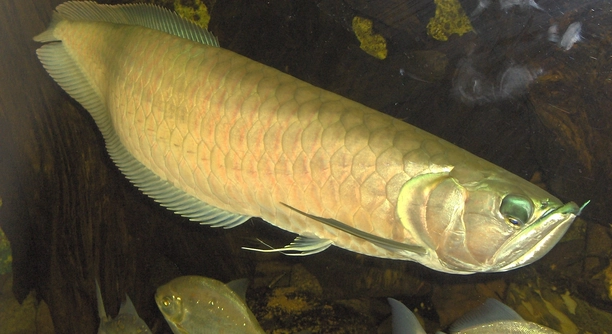
Arowanas are striking fish that add life to any aquarium. Their graceful swimming can suddenly shift to quick, erratic movements that catch attention. Observing this behavior may leave owners concerned about the fish’s well-being and environment.
Arowanas often dart around due to stress, poor water conditions, sudden changes, or insufficient space. These movements can indicate discomfort, territorial instincts, or reactions to other fish. Addressing environmental and dietary factors can help reduce erratic swimming behaviors effectively.
Identifying the cause of darting behavior can protect your arowana’s health. Simple adjustments in care and environment can create a calmer, more stable habitat.
Understanding Arowana Darting Behavior
Arowanas are naturally active fish, but sudden bursts of speed or erratic swimming often signal underlying issues. In my experience, observing these behaviors closely can reveal much about their environment. Stress is a common factor, triggered by changes in water quality, temperature fluctuations, or overcrowding. Sometimes, other fish in the tank can provoke reactions, as arowanas are territorial. Even subtle factors, like new decorations or sudden noises, can startle them. Poor water conditions, such as high ammonia or nitrite levels, affect gill function and overall comfort. Inadequate tank size limits their swimming space, encouraging rapid, nervous movements. Diet also plays a role; irregular feeding schedules or inappropriate food can make them restless. Identifying patterns in darting, such as time of day or location in the tank, can help pinpoint the cause. Taking small steps to stabilize their habitat often results in calmer, more predictable behavior over time.
Proper tank conditions greatly influence your arowana’s behavior. Consistency is key to reducing stress and erratic swimming.
Observing your arowana daily allows you to notice early warning signs. A clean, properly sized tank with stable water parameters provides comfort. Regular feeding routines and careful attention to companions reduce stress triggers. Even minor adjustments, like dimming lights or minimizing sudden movements around the tank, can improve their sense of security. Over time, arowanas respond positively to stability, showing calmer swimming patterns and more interaction with their environment. Paying attention to these details ensures a healthier, more balanced life for your fish.
Water Quality and Tank Setup
Maintaining water quality is essential for healthy arowanas. Poor water conditions lead to constant stress and unpredictable movements.
Regular testing of ammonia, nitrite, nitrate, and pH levels is critical. Arowanas thrive in stable conditions with consistent temperature and filtration. The tank should be large enough to accommodate their swimming needs, ideally with minimal overcrowding. Substrate, decorations, and hiding spots should provide comfort without restricting movement. Sudden changes in water temperature or chemistry can shock the fish, causing darting. Filtration and aeration must be adequate to maintain oxygen levels and reduce toxins. Even small weekly water changes contribute significantly to overall water stability. Observing fish behavior after each adjustment can indicate improvement or highlight ongoing stressors. Overfeeding or irregular feeding schedules may also disrupt water quality, so consistency is crucial. Proper lighting, avoiding harsh direct light or abrupt changes, reduces stress further. Creating a stable, predictable environment helps your arowana feel secure, reducing rapid, erratic swimming. This careful attention supports long-term health and well-being.
Diet and Feeding Habits
Arowanas need a balanced diet to stay calm and healthy. Irregular feeding or inappropriate food can make them restless. Consistency in type and schedule helps reduce erratic behavior and supports overall growth.
Feeding live or frozen foods occasionally can satisfy their natural hunting instincts. Overfeeding, however, can lead to poor water quality, which increases stress and darting. A diet that includes pellets formulated for arowanas ensures proper nutrition while minimizing digestive issues. Observing how your fish responds to each type of food can reveal preferences and indicate health. Small, frequent meals often work better than large, infrequent feedings, preventing sudden bursts of activity caused by hunger or excitement. Maintaining variety while keeping feeding consistent creates a calm and stable routine, promoting well-being.
Even minor changes in feeding practices affect behavior. Switching foods too quickly or skipping meals can trigger anxiety and sudden movements. Paying attention to how your arowana reacts helps in creating an effective feeding strategy. Proper portion control also prevents leftover food from polluting the water, indirectly reducing stress. Keeping a feeding log can make it easier to track patterns and identify triggers. Ultimately, a thoughtful, consistent approach to diet supports calmer, more predictable swimming and overall fish health.
Tank Companions and Social Behavior
Arowanas are territorial and may react strongly to other fish in the tank. Aggressive or overly active companions can trigger darting or defensive behaviors.
Careful selection of tank mates is essential. Ideal companions are similarly sized, non-aggressive fish that do not compete for the same territory. Introducing new fish gradually allows the arowana to adjust. Observing interactions closely helps identify potential stress triggers. Incompatible companions may require separation to prevent injury or ongoing stress. Even subtle signs of aggression, like chasing or cornering, can cause persistent erratic movements. Ensuring sufficient space and hiding spots allows fish to establish boundaries naturally. Balanced social conditions reduce stress, improve swimming patterns, and create a more peaceful environment.
Environmental Stressors
Sudden changes in lighting, temperature, or tank layout can stress arowanas. Even small disturbances, like loud noises or frequent movement near the tank, may trigger darting behavior and restlessness.
Vibrations from nearby appliances or tapping on the glass can startle them. Consistency in the environment helps reduce stress and promotes calmer swimming.
Health Concerns
Internal parasites, infections, or injuries can cause erratic swimming. Monitoring for physical signs, such as discoloration, fin damage, or bloating, is crucial. Early detection allows for timely treatment, which can restore normal behavior and prevent further health complications.
Observation and Monitoring
Keeping a daily log of behavior, feeding, and water parameters helps track patterns. This routine provides insights into triggers and allows for adjustments that improve the arowana’s comfort and stability.
FAQ
Why does my arowana dart around suddenly?
Sudden darting is often a response to stress or discomfort. Factors like poor water quality, sudden temperature changes, or nearby movement can startle them. Even minor environmental changes, such as new decorations or the addition of tank mates, can trigger these bursts of speed.
Can poor water conditions cause erratic swimming?
Yes. High levels of ammonia, nitrites, or unstable pH directly impact an arowana’s health and behavior. Water that is too cold or too warm can also make them restless. Regular testing and maintenance help prevent these issues and support calmer swimming patterns.
Does tank size affect darting behavior?
Absolutely. Arowanas require spacious tanks to swim freely. Small or overcrowded tanks force them into tight spaces, increasing stress and rapid movements. Providing enough room and minimal obstruction allows them to establish territory and move more naturally.
How does diet influence my arowana’s activity?
Inconsistent feeding schedules or inappropriate food can make arowanas more active or anxious. Feeding a balanced diet, including pellets formulated for arowanas and occasional live or frozen foods, ensures proper nutrition and reduces restlessness caused by hunger or excitement.
Do tank mates trigger darting?
Tank companions can affect behavior significantly. Aggressive, overly active, or smaller fish may provoke stress, leading to erratic swimming. Carefully chosen, non-aggressive companions of similar size help maintain a peaceful environment, reducing the likelihood of sudden darting episodes.
Can environmental changes stress my arowana?
Yes. Arowanas are sensitive to changes in lighting, water flow, and noise levels. Sudden movement around the tank or vibrations from nearby appliances can startle them. Keeping a stable, consistent environment helps them feel secure and swim more calmly.
Is darting ever a sign of illness?
Erratic swimming can indicate underlying health issues. Parasites, bacterial infections, or injuries often cause distress. Monitoring for symptoms like bloating, fin damage, discoloration, or lethargy is crucial. Prompt attention and treatment help restore normal behavior and prevent serious complications.
How can I monitor my arowana effectively?
Daily observation is key. Track swimming patterns, feeding habits, and tank conditions. Keeping a log allows you to identify triggers, notice gradual changes, and make necessary adjustments. This practice supports arowana health and ensures a stable, stress-free environment.
Will reducing light help with darting?
Controlled lighting can improve comfort. Bright or sudden changes in light may startle fish, causing darting. Gradual transitions and stable lighting schedules help reduce stress and encourage natural swimming behavior.
How long does it take for arowanas to calm down?
The time varies depending on the cause of stress. Correcting water quality, improving diet, or adjusting tank conditions may take days to weeks. Consistency and patience are essential, as arowanas gradually adapt to stable, comfortable environments.
Can overfeeding cause erratic swimming?
Yes. Overfeeding not only affects water quality but also increases activity due to digestive stress. Proper portion control, feeding frequency, and removing uneaten food help maintain calm behavior while preventing water pollution.
Are there signs that my arowana is adapting well?
Calmer swimming patterns, regular feeding, and active exploration without sudden bursts indicate adaptation. Reduced aggression toward tank mates and fewer hiding behaviors also show comfort and security in their environment.
Does water temperature impact behavior?
Water that is too cold slows metabolism, while overly warm water increases activity and stress. Keeping a consistent, appropriate temperature range for your arowana promotes balanced swimming and overall health.
Should I quarantine new fish before introducing them?
Quarantining new tank mates prevents disease transmission and reduces stress. It allows observation for illness and ensures compatibility, helping maintain a stable and calm environment for your arowana.
Can I use decorations to reduce stress?
Yes. Strategically placed plants, rocks, or hiding spots allow your arowana to feel secure and define territory. Avoid overcrowding; the goal is comfort without restricting movement. Proper tank layout reduces darting and encourages natural behavior.
How often should I test water parameters?
Weekly testing of ammonia, nitrites, nitrates, and pH is ideal. Regular checks allow early detection of harmful changes. Consistent monitoring helps prevent stress, erratic swimming, and long-term health problems.
Does tank location affect behavior?
Placement matters. Tanks near heavy foot traffic, loud appliances, or constant disturbances can stress fish. A quiet, stable area encourages calm behavior, reducing darting and improving overall well-being.
Are certain arowana species more prone to darting?
Some species are naturally more active and may exhibit frequent bursts of speed. Understanding species-specific behavior helps distinguish normal activity from stress-induced darting. Adjusting environment and care accordingly ensures their comfort.
How do I know if darting is serious?
Persistent, repeated darting with signs like fin damage, lethargy, or refusal to eat indicates serious stress or illness. Immediate attention to water quality, tank conditions, and health assessment is necessary to prevent worsening issues.
What steps create a calmer tank environment?
Stable water conditions, appropriate tank size, compatible companions, consistent feeding, controlled lighting, and minimal disturbances collectively reduce stress. Observing behavior and making gradual adjustments ensure your arowana feels secure and maintains healthy swimming patterns.
This FAQ provides practical solutions to manage darting behavior, helping create a healthier, more stable habitat for your arowana.
Final Thoughts
Arowanas are magnificent and sensitive fish that respond quickly to their environment. Their sudden darting behavior often signals discomfort or stress, but it does not always indicate a serious health problem. Observing patterns in their movements can reveal much about how they feel and what might be causing anxiety. Water quality, tank size, diet, and companions all play a role in their daily activity. Small adjustments to any of these factors can make a noticeable difference in behavior. Consistency is especially important, as arowanas thrive in stable and predictable surroundings. By maintaining regular care routines, you create an environment where they can feel secure and swim calmly. Even minor changes, such as adjusting lighting or removing sudden noise sources, can reduce erratic behavior. Over time, these efforts help your arowana become more confident and relaxed in its tank.
Diet and feeding habits directly affect an arowana’s behavior. Providing a balanced, consistent diet reduces restlessness and prevents sudden bursts of energy caused by hunger or excitement. Feeding schedules should remain regular, and portions should be carefully measured to avoid overfeeding or leftover food that can affect water quality. Incorporating a variety of foods, such as high-quality pellets and occasional live or frozen options, supports natural instincts and overall health. Observing how your fish responds to different foods can help identify preferences and any digestive issues. Additionally, tank companions must be chosen carefully to avoid conflict and stress. Aggressive or overly active fish can trigger darting behavior, while compatible species promote a calmer, more balanced environment. Ensuring there is enough space, hiding spots, and boundaries in the tank allows the arowana to feel secure and reduces the need for sudden defensive movements.
Environmental factors also significantly impact darting behavior. Sudden changes in temperature, water chemistry, or tank layout can cause stress, while consistent, stable conditions encourage calm swimming. Monitoring water parameters regularly and keeping the tank clean reduces the risk of illness and stress-related behavior. Arowanas are sensitive to disturbances from outside the tank, such as loud noises or vibrations, so placing the tank in a quiet, stable area is beneficial. Health concerns, like parasites, infections, or injuries, can also result in erratic swimming, so careful observation for any signs of physical issues is essential. Keeping a log of behavior, feeding, and water conditions helps identify patterns and triggers. By paying attention to these details, you can create a safe, comfortable habitat that allows your arowana to thrive, swim naturally, and display its full beauty.

Hello,
If you enjoy the content that we create, please consider saying a "Thank You!" by leaving a tip.
Every little bit helps us continue crafting quality advice that supports the health, happiness, and well-being of pets around the world, for pets of all shapes, sizes, and species.
We really appreciate the kindness and support that you show us!