
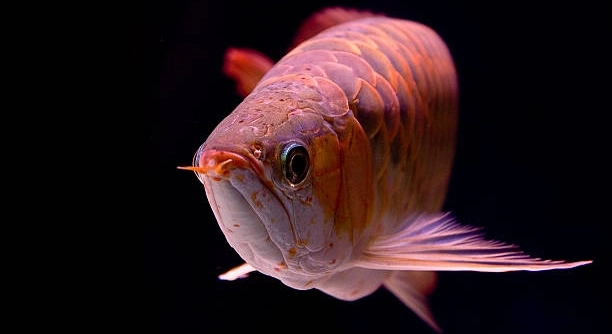
Do you love keeping an Arowana but find it challenging to maintain a healthy feeding routine? Overfeeding is a common issue that can affect their growth, water quality, and overall well-being in your aquarium environment.
Overfeeding an Arowana can lead to obesity, digestive problems, and poor water quality, which negatively impacts its health. Implementing controlled feeding practices, monitoring portion sizes, and establishing a consistent schedule are essential measures to prevent these issues.
Maintaining proper feeding habits ensures your Arowana remains healthy, vibrant, and active. The following tips will help you manage portions and keep your fish thriving.
Understand Your Arowana’s Appetite
Arowanas have unique feeding needs depending on their size, age, and species. Younger fish require smaller, more frequent meals, while adults thrive on a consistent schedule with measured portions. Observing your fish during feeding can help you recognize its normal appetite and behavior. Overfeeding can occur when portions are too large, or when feeding happens too often, which may lead to bloating, lethargy, and water contamination. Arowanas are active predators that may seem hungry even after a proper meal, so it is important to resist offering extra food. By understanding how much your Arowana truly needs, you can prevent health complications and maintain a balanced tank environment. Feeding should be consistent but moderate, focusing on quality nutrition rather than quantity. This approach helps your Arowana develop naturally, avoid digestive issues, and maintain a clean aquarium with minimal stress on filtration systems.
Keeping track of feeding times and portion sizes improves health and tank conditions.
Regular observation of appetite changes helps detect illness early, ensuring timely interventions and maintaining your Arowana’s long-term well-being.
Use Measured Portions
Providing exact portions for your Arowana reduces the risk of overfeeding and water pollution. Pre-measuring daily meals ensures your fish receives only what it can consume in a few minutes, preventing leftover food from decomposing in the tank.
Feeding with controlled portions keeps water clean and fish healthy.
Overfeeding can disrupt water balance and create ammonia spikes that harm fish health. Pre-measuring portions prevents this problem, ensuring your Arowana receives balanced nutrition without waste. Using tools like feeding cups or tweezers allows precise delivery, especially for live or frozen foods. Portion control also helps monitor the fish’s appetite and detect irregular eating patterns early, signaling potential health issues. Regularly adjusting portion size based on activity level, growth rate, and seasonal changes is crucial. For example, during warmer months when metabolism is higher, slightly larger portions may be appropriate, while cooler periods may require less. Consistency in meal size supports proper digestion, prevents obesity, and keeps the tank environment stable. Establishing this routine reduces stress for both you and the fish while promoting a long, healthy life.
Stick to a Feeding Schedule
Feeding your Arowana at the same times daily helps regulate its appetite and prevents overfeeding. Consistency allows the fish to anticipate meals without begging for extra food between sessions.
A consistent feeding schedule prevents stress and supports healthy growth. Skipping or adding unscheduled meals can disrupt metabolism and lead to overeating when food is available. Young Arowanas benefit from two or three small meals per day, while adults generally do well with one or two larger portions. Recording feeding times ensures no accidental extra meals occur, keeping water quality stable. This routine also helps monitor appetite changes, which can indicate health issues early. Sticking to a schedule reduces waste, prevents leftover food accumulation, and encourages natural feeding behavior.
Regular timing also promotes a calmer tank environment. Fish adapt to predictable feeding patterns, which reduces aggressive competition and stress in the aquarium.
Monitor Food Types
Choosing the right food ensures your Arowana receives balanced nutrition and avoids digestive problems. High-quality pellets, frozen fish, and occasional live foods provide essential proteins and vitamins for growth.
Varying food types prevents nutritional deficiencies and keeps your Arowana interested in its diet. Relying on one type can lead to selective feeding or boredom, increasing the temptation to overfeed. Live foods should be offered sparingly to avoid introducing parasites, while frozen or prepared foods reduce risk and provide consistent nutrient content. Pellets designed for large carnivorous fish support jaw and teeth development, contributing to overall health. Providing variety also allows you to control portion sizes more accurately, reducing waste and preventing water contamination. Paying attention to food quality and freshness is critical, as poor-quality or spoiled food can trigger digestive issues and weaken immune response. Observing how your Arowana consumes different foods helps adjust portions and ensures it receives adequate nutrition without excess.
Using diverse foods supports long-term health and natural feeding behaviors. Offering balanced nutrition keeps the fish energetic, vibrant, and less prone to illness.
Avoid Feeding Too Late in the Day
Feeding your Arowana late in the evening can cause uneaten food to decay overnight, polluting the tank and stressing the fish. Early or mid-day feeding allows time for digestion and reduces water quality issues.
Feeding earlier supports natural activity patterns. Arowanas are most active during daylight, so offering meals when they are alert encourages complete consumption and prevents leftover food from lingering in the tank.
Observe Your Arowana’s Behavior
Watching your fish during feeding helps identify overeating tendencies and signals when portion adjustments are needed. A healthy appetite shows alertness, smooth swimming, and quick food consumption.
Avoid Over-Reliance on Treats
Snacks or high-protein treats should be limited. Frequent treats can easily lead to overfeeding and digestive problems.
Maintain a Clean Tank
Regularly removing uneaten food and waste prevents water contamination, supporting fish health. Clean tanks reduce the risk of disease, help maintain clear water, and allow the Arowana to thrive in a balanced environment.
FAQ
How often should I feed my Arowana?
Young Arowanas should be fed two to three times daily with small, manageable portions. Adult Arowanas typically do well with one or two meals each day. The key is consistency in timing and portion size to prevent overeating and maintain a stable aquarium environment.
What are the signs of overfeeding?
Overfed Arowanas may appear bloated or lethargic, swim slower than usual, or refuse food occasionally. Uneaten food in the tank, cloudy water, and sudden spikes in ammonia or nitrites also indicate overfeeding. Observing these signs early helps prevent long-term health problems.
Can I give live food every day?
No. Live foods should be offered sparingly, as they can introduce parasites and bacteria. Use frozen or high-quality pellet options for daily meals, reserving live food for occasional enrichment or variety.
What portion size is appropriate?
Feed only what your Arowana can finish in two to three minutes. Excess food should be removed immediately. Portion size depends on fish size, activity level, and age, so adjust gradually based on observation.
Are treats necessary for Arowanas?
Treats are optional and should be limited. Too many treats can unbalance nutrition and lead to digestive issues. Use treats to provide variety but ensure the main diet remains nutritionally complete.
How can I tell if my Arowana is hungry?
Alert swimming, chasing food eagerly, and following movements near the tank indicate hunger. However, Arowanas may appear hungry even when fed enough, so rely on portion control rather than perceived appetite.
What foods are safest for Arowanas?
High-quality pellets, frozen fish, shrimp, and occasional insects provide balanced nutrition. Avoid overfeeding fatty or processed items that may cause digestive problems or water contamination. Variety supports health and keeps feeding interesting.
Should I feed multiple times if water quality is poor?
No. More frequent feeding worsens water quality. Focus on controlled portions, regular tank maintenance, and removing uneaten food to maintain both fish health and a stable environment.
How do I adjust feeding during seasonal changes?
Arowanas’ metabolism slows in cooler temperatures and increases in warmer months. Reduce portion sizes in cooler periods and increase slightly during warmer months, while always monitoring appetite and tank cleanliness.
Can overfeeding affect water quality long-term?
Yes. Excess food decomposes, raising ammonia, nitrite, and nitrate levels. Poor water quality stresses fish, encourages disease, and can reduce lifespan. Consistent portioning and cleaning routines prevent long-term water problems.
How important is observation during feeding?
Extremely important. Watching your Arowana eat helps detect appetite changes, portion issues, or early signs of illness. Observation ensures your fish consumes all food without overfeeding and allows timely adjustments to diet and routine.
What’s the best way to introduce a new food type?
Introduce new foods gradually, mixing small amounts with familiar items. Observe how your Arowana responds to prevent rejection, digestive upset, or uneaten food accumulation. Gradual changes reduce stress and maintain proper nutrition.
Can overfeeding lead to obesity in Arowanas?
Yes. Excessive food intake causes weight gain, bloating, and reduced mobility. Obesity increases the risk of organ damage and shortens lifespan. Controlled portions and monitoring growth prevent these issues.
How do I manage feeding in a community tank?
Feed carefully to ensure all species receive appropriate portions. Observe interactions and remove leftover food promptly. Use separate feeding areas or feeding tools if needed to prevent dominant fish from consuming too much.
Is it safe to skip a feeding occasionally?
Yes. Skipping a meal once in a while is safe and can help prevent overfeeding. Adult Arowanas can tolerate occasional skipped meals without health issues, as long as feeding schedules are otherwise consistent.
How do I clean leftover food effectively?
Remove uneaten pellets, frozen food, or treats with a net or siphon immediately after feeding. Frequent partial water changes help maintain water quality, especially if accidental overfeeding occurs.
Can overfeeding cause disease?
Indirectly, yes. Excess food decomposes, increasing harmful bacteria and toxins. Poor water quality and obesity reduce immunity, making Arowanas more susceptible to infections and internal health problems.
What is the easiest way to prevent overfeeding?
Measure portions, stick to a feeding schedule, and observe your fish’s appetite. Limiting treats and avoiding extra hand-feeding are simple, effective methods to maintain a healthy diet and tank environment.
How long can Arowanas go without food?
Adult Arowanas can survive several days without food, especially if water quality is stable. This tolerance allows flexibility in feeding schedules, but routine consistency is better for long-term health.
How do I know if I am feeding too little?
Signs of underfeeding include excessive weight loss, sluggish behavior, or failure to grow properly. Adjust portions gradually while monitoring water quality and overall fish health to ensure adequate nutrition without overfeeding.
Can I feed by sight alone?
No. Appetite may not reflect true nutritional needs. Controlled portions, observation of consumption, and water monitoring are more reliable than relying on perceived hunger to determine feeding amounts.
What tools help with portion control?
Feeding cups, tweezers, or pre-measured containers allow precise delivery. Using these tools prevents accidental overfeeding and ensures your Arowana receives the correct amount each meal.
Are frozen foods better than live foods?
Frozen foods are safer because they reduce the risk of parasites and disease. They also allow precise portioning, helping control feeding and preventing water contamination. Live foods can be offered occasionally for variety but should not replace staple meals.
How do I balance variety without overfeeding?
Rotate food types across meals rather than adding extra items at once. Measure portions carefully and combine new foods with regular diet items to maintain balanced nutrition and prevent excess.
What role does water temperature play in feeding?
Temperature affects metabolism. In warmer water, Arowanas eat more actively and may require slightly larger portions. Cooler water slows appetite, and overfeeding during these periods can cause bloating or digestive issues.
Can stress affect feeding habits?
Yes. Stress from tankmates, poor water quality, or sudden changes can reduce appetite or cause overeating. Maintaining stable conditions, proper tank size, and consistent routines supports healthy feeding behavior.
How often should I review feeding habits?
Regularly monitor and adjust feeding based on growth, activity, and seasonal changes. Frequent observation ensures portion control, prevents overfeeding, and helps detect early signs of illness, keeping your Arowana healthy year-round.
How important is record-keeping for feeding?
Keeping a feeding log helps track portions, schedules, and dietary changes. It is valuable for spotting trends, managing water quality, and ensuring your Arowana receives consistent, appropriate nutrition over time.
Can I combine live and pellet foods in one meal?
Yes, but in measured amounts. Mixing types prevents overfeeding, ensures balanced nutrition, and maintains interest without introducing excess food or stress from competition for prey.
What is the risk of ignoring leftover food?
Neglecting leftover food leads to water contamination, higher ammonia levels, and bacterial growth. This can harm the fish’s digestive system, weaken immunity, and create a less stable aquarium environment.
How do I handle occasional overeating?
Remove uneaten food immediately and perform partial water changes. Adjust future portions to prevent repetition. Occasional overeating is manageable if corrected promptly, protecting both health and water quality.
How can feeding practices extend my Arowana’s lifespan?
Controlled portions, consistent schedules, quality foods, and proper monitoring reduce stress, prevent obesity, and maintain water quality. These practices collectively support longevity, growth, and vibrant health in your Arowana over many years.
What common mistakes should I avoid?
Avoid free-feeding, adding extra meals, giving frequent treats, ignoring water quality, and relying solely on perceived hunger. Sticking to measured portions and consistent routines prevents most feeding-related issues.
How do I introduce pellets to a young Arowana?
Start with small, soft pellets mixed with familiar foods. Gradually increase pellet proportion while observing acceptance and digestion. This method encourages healthy eating habits from an early age.
What is the ideal feeding duration?
Offer food for two to three minutes per meal. Any leftovers should be removed immediately to prevent decay, maintain water quality, and avoid digestive issues.
How do I prevent overeating in aggressive feeders?
Feed aggressive individuals separately or use feeding tools to control portions. Ensuring each fish gets its measured share reduces competition and prevents dominant fish from overconsuming.
Is it okay to give supplements?
Supplements are optional and should be used sparingly. Focus on balanced foods first. Over-supplementing can disrupt nutrition and may lead to health issues or water contamination.
Can feeding habits impact tank cleaning frequency?
Yes. Overfeeding increases waste accumulation, requiring more frequent water changes. Controlled portions reduce debris and stabilize water parameters, making tank maintenance easier.
How do I know if my Arowana is undernourished?
Signs include weight loss, dull coloration, slow swimming, and reduced appetite. Adjust portions and ensure high-quality foods to restore proper nutrition and maintain health.
Are all pellets the same quality?
No. Choose pellets formulated for carnivorous, large fish, with appropriate protein, vitamins, and minerals. Low-quality pellets may cause malnutrition or digestive issues, despite correct portioning.
What is the best strategy for portion adjustment?
Observe growth, appetite, and activity level, then gradually increase or decrease portions. Sudden changes can cause stress or digestive problems, so adjust slowly while monitoring responses.
How does tank size affect feeding?
Smaller tanks require careful portion control, as excess food quickly degrades water quality. Larger tanks allow more tolerance but still need measured feeding to maintain health and cleanliness.
Can overfeeding cause swim bladder issues?
Yes. Overeating can lead to bloating and swim bladder problems, affecting buoyancy and swimming. Controlled portions prevent these physical complications and support natural movement.
How do I feed multiple Arowanas without overfeeding?
Distribute measured portions evenly, monitor consumption, and remove uneaten food. Using separate feeding zones or tools helps manage quantity and prevents dominant individuals from overeating.
What role does observation play in preventing feeding mistakes?
Constant observation allows immediate correction of portion errors, identification of appetite changes, and early detection of health issues, ensuring consistent nutrition and tank stability.
How do I balance growth and portion control?
Provide enough food to support growth without excess. Monitor weight, appetite, and activity, adjusting portions gradually to prevent obesity while maintaining healthy development.
What is the impact of overfeeding on immunity?
Excess food can lead to obesity and poor water quality, both of which weaken the immune system, making the Arowana more susceptible to infections and disease.
Can I feed by intuition alone?
No. Relying on intuition often leads to overfeeding. Measured portions, schedules, and observation ensure accurate, consistent nutrition while protecting health and water quality.
How do I prevent digestive issues from overfeeding?
Feed small, manageable portions, avoid frequent treats, and remove leftovers promptly. Balanced diet, observation, and routine maintenance prevent constipation, bloating, and other digestive problems.
How can I track feeding success?
Use logs, note appetite, growth, and leftover food. Monitoring water parameters alongside feeding habits helps evaluate success and make necessary adjustments.
Are frozen and live foods interchangeable?
They are complementary, not fully interchangeable. Frozen foods provide safety and consistency, while live foods add variety. Both require portion control to prevent overfeeding and water contamination.
What is the best approach for long-term feeding?
Consistency in schedule, portion control, balanced diet, observation, and tank maintenance. Gradual adjustments based on fish growth, season, and health ensure long-term success and vibrant Arowanas.
Can I feed while away from home?
Automatic feeders can help but must be carefully calibrated. Overfeeding is still possible, so manual monitoring is ideal when possible. Only use automated options for short absences with precise portioning.
How often should I rotate food types?
Rotate every few days or weekly. Variety supports nutrition, reduces boredom, and maintains interest, while careful portioning prevents overfeeding and digestive issues.
What is the safest way to feed new fish in the tank?
Feed individually or use controlled portions during acclimation. Observe for stress, appetite, and competition to prevent overfeeding and ensure proper nutrition for all fish.
How do I prevent feeding stress in community tanks?
Distribute food evenly, control portions, and watch interactions. Adjust feeding techniques to reduce aggression, ensuring all fish get sufficient nutrition without overfeeding dominant individuals.
What is the role of water changes in feeding management?
Frequent partial water changes remove leftover food, prevent ammonia spikes, and stabilize water quality. This supports proper digestion and reduces risks from overfeeding.
Can overfeeding affect behavior?
Yes. Overfed fish may become sluggish, less active, or display abnormal swimming. Proper portions maintain natural energy levels and behavior.
How do I manage feeding when fish refuse food?
Offer smaller portions, try different high-quality foods, and monitor water conditions. Refusal may indicate stress, illness, or improper feeding practices, which should be addressed promptly.
Are there tools to make feeding easier?
Tweezers, feeding rings, cups, and automatic feeders help control portions, target delivery, and prevent leftover food. These tools simplify routine feeding while avoiding overfeeding.
How do I balance diet, health, and tank cleanliness?
Controlled portions, consistent schedule, varied high-quality foods, observation, and regular tank maintenance keep your Arowana healthy and the aquarium environment clean and stable.
Can overfeeding shorten lifespan?
Yes. Chronic overfeeding leads to obesity, digestive issues, poor water quality, and weakened immunity, all of which can significantly reduce lifespan if not corrected.
How do I recover from accidental overfeeding?
Remove leftover food, perform partial water changes, monitor water quality, and adjust future portions. Gradual recovery ensures minimal stress on fish and environment.
What are practical daily feeding tips?
Measure portions, feed at consistent times, observe consumption, remove uneaten food promptly, and maintain tank hygiene. Regular monitoring ensures balanced nutrition and prevents overfeeding.
How does tank size influence feeding strategies?
Smaller tanks require stricter portion control, as waste accumulates faster. Larger tanks allow slightly more flexibility but still need careful monitoring to avoid water quality issues.
What is the simplest way to avoid overfeeding?
Stick to measured portions, maintain consistent schedules, and observe appetite. Avoid extra meals or treats beyond what the fish can consume safely.
Can feeding habits affect coloration?
Yes. Balanced nutrition supports vibrant coloration, while overfeeding or poor diet can dull colors and reduce overall appearance.
How do I ensure long-term health through feeding?
Controlled portions, observation, variety in high-quality foods, and consistent feeding schedules, along with proper tank maintenance, support long-term health and growth.
Are there risks in free-feeding?
Free-feeding almost always leads to overfeeding, water contamination, and obesity. Measured portions are far safer and maintain both health and water quality.
What is the role of observation in preventing overfeeding?
Observation allows adjustments to portions, early detection of appetite changes, and monitoring for uneaten food, ensuring proper nutrition and clean water.
How do I adapt feeding for different Arowana species?
Adjust portions, food types, and frequency based on size, metabolism, and behavior specific to each species. Observation ensures appropriate nutrition without overfeeding.
How do I prevent boredom while controlling portions?
Rotate high-quality food types and feeding techniques. Controlled variety maintains interest without adding extra calories or causing water quality issues.
Can overfeeding affect reproduction?
Yes. Obesity or poor health from overfeeding may reduce fertility, spawn quality, and overall reproductive success. Balanced diet and portion control support reproductive health.
How do I safely introduce supplements?
Add sparingly, following manufacturer guidelines, and monitor responses. Supplements should enhance a balanced diet, not replace proper feeding practices.
What is the best method for portioning frozen foods?
Thaw small amounts, feed only what the fish can finish in minutes, and remove leftovers. Pre-measure daily portions for accuracy and to prevent waste.
Can overfeeding lead to disease outbreaks?
Yes. Excess food fosters bacterial growth, ammonia spikes, and stress, all of which increase susceptibility to infections and other health problems.
How do I evaluate feeding success over time?
Monitor appetite, growth, activity, and water quality. Adjust portions, schedule, and food types based on observed trends to maintain optimal health and tank conditions.
What is the key to lifelong healthy feeding habits?
Consistency in portions, schedule, observation, water maintenance, and high-quality foods. Gradual adjustments based on fish needs ensure balanced nutrition, clean water, and long-term health.
How do I prevent accidental overfeeding?
Measure portions, stick to a schedule, remove uneaten food, and avoid adding extra meals. Observation ensures your Arowana receives proper nutrition without excess.
Can I feed frozen foods exclusively?
Yes, if nutritionally balanced and portioned correctly. Frozen foods reduce parasite risk and allow precise control over amounts, preventing overfeeding.
How often should I check for leftover food?
Immediately after feeding, remove uneaten portions. Check again during daily maintenance to prevent decay, maintain water quality, and support digestion.
What is the safest way to adjust feeding portions?
Increase or decrease gradually based on appetite, growth, and activity. Sudden changes can cause digestive problems or stress. Monitor responses closely to ensure success.
How do I keep track of feeding routines?
Maintain a log noting portion size, food type, and times. This helps prevent overfeeding, track growth, and adjust routines for optimal health.
Can overfeeding affect social behavior?
Yes. Overfed Arowanas may become less active or aggressive. Proper portioning maintains normal social interactions, activity levels, and natural hunting instincts.
What is the impact of overfeeding on tank chemistry?
Excess food increases ammonia, nitrite, and nitrate levels, stressing fish and promoting algae growth. Measured portions protect both fish and water quality.
How can I make feeding more efficient?
Pre-measure portions, use feeding tools, and maintain a schedule. Immediate removal of leftovers and careful observation ensures efficient, safe feeding.
How do I prevent overfeeding when using automatic feeders?
Calibrate the feeder carefully, measure daily portions in advance, and monitor fish during feeding. Overfeeding can occur if the device delivers excessive amounts.
What is the effect of overfeeding on growth?
Overfeeding may cause rapid but unhealthy weight gain, organ stress, and digestive problems. Controlled
Feeding an Arowana correctly is one of the most important responsibilities in maintaining a healthy aquarium. Overfeeding is a common mistake that can lead to health problems such as obesity, digestive issues, and reduced lifespan. It also negatively affects water quality, creating an environment that stresses the fish and promotes disease. By focusing on portion control, consistent feeding schedules, and careful observation of your Arowana’s behavior, you can prevent these problems. Understanding your fish’s appetite and growth needs allows you to adjust meals appropriately. Measuring food before feeding ensures that only the amount your fish can consume is provided, minimizing waste and maintaining a clean tank. Maintaining water quality through regular monitoring and cleaning is equally important, as uneaten food and excess nutrients can quickly deteriorate the environment. Simple steps like removing leftovers immediately after feeding, performing regular partial water changes, and checking filtration systems help sustain a balanced and safe tank.
Choosing the right types of food is another key factor in preventing overfeeding. High-quality pellets, frozen fish, and occasional live foods provide essential proteins and nutrients without overloading your Arowana’s digestive system. Variety in food keeps your fish interested and encourages natural feeding behaviors, but it should be managed carefully to avoid excessive calories. Treats should be used sparingly, and live food should be offered occasionally rather than daily. Observation plays a crucial role here. Watching how your Arowana responds to each type of food helps you determine the right portion size and frequency. It also allows you to detect early signs of health issues, such as reduced appetite, bloating, or unusual behavior. Adjusting feeding based on activity levels, growth, and seasonal changes ensures your fish remains healthy throughout the year. Consistency in both schedule and portion is more important than responding to perceived hunger, as Arowanas may appear hungry even after being properly fed.
Ultimately, managing your Arowana’s diet is about balance, consistency, and careful observation. Avoiding overfeeding promotes not only physical health but also long-term well-being, vibrant coloration, and active behavior. Keeping a record of feeding routines and portion sizes can be a helpful tool in maintaining this balance. Feeding should never be rushed, and monitoring water quality should always accompany meal planning. By combining proper nutrition, regular observation, and attentive tank maintenance, you create an environment that supports natural growth, prevents health issues, and allows your Arowana to thrive. Taking these steps ensures your fish remains active, strong, and healthy, while also making your aquarium a stable and clean space. Responsible feeding practices are not only beneficial for the fish but also simplify tank care and create a more enjoyable and rewarding experience as a fish keeper.

Hello,
If you enjoy the content that we create, please consider saying a "Thank You!" by leaving a tip.
Every little bit helps us continue crafting quality advice that supports the health, happiness, and well-being of pets around the world, for pets of all shapes, sizes, and species.
We really appreciate the kindness and support that you show us!