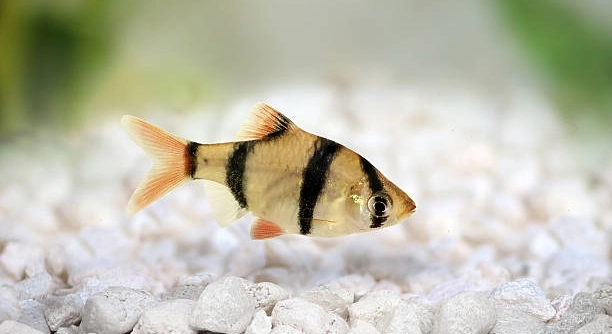
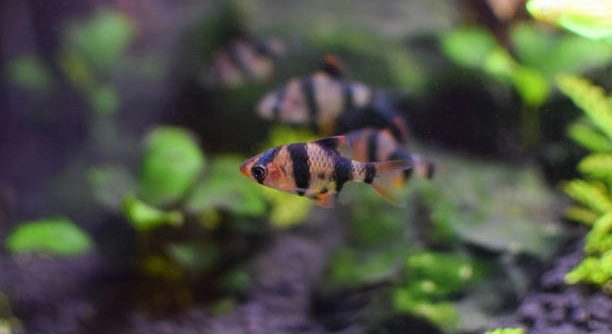
Why Tiger Barbs Stay in a Corner of the Tank
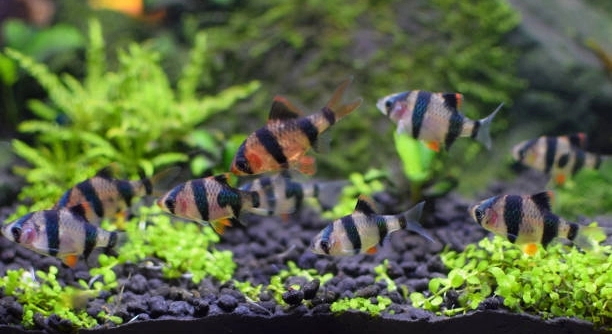
Are your tiger barbs spending most of their time huddled in a corner of the tank instead of swimming around actively? Tiger barbs often stay in a corner of the tank due to stress, poor water conditions, lack of companionship, or territorial behavior. These environmental and social factors can significantly influence their swimming patterns and … Read more
7 Ways to Tell If Tiger Barbs Are Bonding

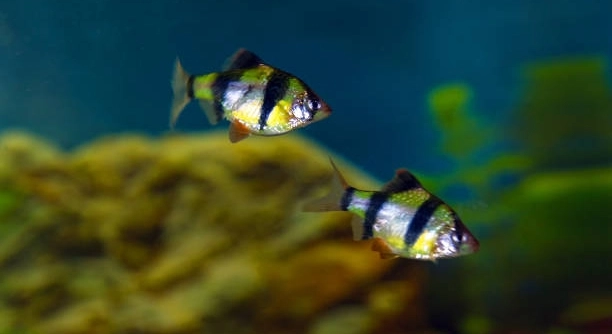
Tiger barbs are lively freshwater fish known for their bright colors and social nature. Many aquarium owners enjoy watching how these fish interact with each other. Understanding their behavior helps create a harmonious tank environment. Tiger barbs bond through specific behaviors like swimming closely together, sharing feeding times, and showing less aggression toward one another. … Read more

How to Choose Tankmates for Tiger Barbs

Choosing the right tankmates for tiger barbs can be challenging because these fish have distinct behaviors and needs. It is important to consider their temperament and environment to create a peaceful and healthy aquarium. Proper planning helps avoid conflicts and stress. Selecting compatible tankmates for tiger barbs requires understanding their semi-aggressive nature, swimming patterns, and … Read more

Why Tiger Barbs Might Flick Their Fins

Do you ever find yourself watching your tiger barbs and noticing them flicking their fins more than usual in the tank? Tiger barbs often flick their fins as a form of communication or stress response. Environmental changes, aggression, or parasites can trigger this behavior, making it important to observe their actions and tank conditions carefully. … Read more

7 Tricks to Calm an Overactive Tiger Barb

Tiger barbs are lively and colorful fish often kept in home aquariums. Their active nature can sometimes cause stress or disrupt tank harmony. Managing their behavior is important for a peaceful and healthy environment. Calming an overactive tiger barb involves adjusting tank conditions, providing proper diet, and creating hiding spaces to reduce stress. Regular maintenance … Read more

Why Tiger Barbs May Ignore New Food

Are your tiger barbs ignoring the new food you’ve added to their tank, leaving it untouched and floating away? The most common reason tiger barbs may ignore new food is unfamiliarity. Sudden dietary changes, texture differences, or lack of scent recognition can cause hesitation. Stress, poor water conditions, or illness can also contribute to reduced … Read more

How Many Tiger Barbs Should You Keep? (Guide)

Keeping tiger barbs in your aquarium can be a rewarding experience for any fish enthusiast. These colorful, active fish bring life to freshwater tanks and require specific care to thrive well. Knowing the right number to keep is essential for their health and happiness. The ideal group size for tiger barbs is at least six … Read more

7 Best Filters for Tiger Barb Aquariums

Are your tiger barbs swimming in cloudy water, or does your tank need a better system to keep things clean and safe? The best filters for tiger barb aquariums are ones that balance strong water flow with biological, mechanical, and chemical filtration. Canister, sponge, and hang-on-back filters are often recommended due to their efficiency and … Read more

Do Tiger Barbs Prefer Bare Bottom Tanks?

Many fishkeepers wonder about the best tank setup for their Tiger Barbs, especially regarding the substrate. Tank bottoms can vary widely, from bare glass to planted substrates. Understanding what suits Tiger Barbs helps create a comfortable environment. Tiger Barbs do not have a strict preference for bare bottom tanks, but bare substrates can make tank … Read more

Can Tiger Barbs Live in Blackwater Tanks?

Have you ever set up a blackwater tank and wondered if your vibrant tiger barbs could thrive in such a dark environment? Tiger barbs can live in blackwater tanks, but adjustments are necessary. These include stable water conditions, moderate acidity, and careful monitoring of behavior and compatibility with other species in the darker, tannin-rich water. … Read more