
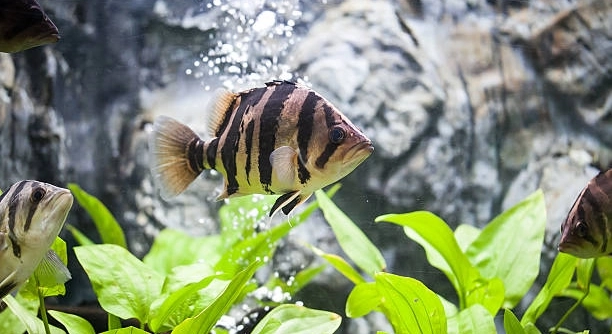
Choosing the right tankmates for tiger barbs can be challenging because these fish have distinct behaviors and needs. It is important to consider their temperament and environment to create a peaceful and healthy aquarium. Proper planning helps avoid conflicts and stress.
Selecting compatible tankmates for tiger barbs requires understanding their semi-aggressive nature, swimming patterns, and social behavior. Ideal companions should be equally active but not overly aggressive or slow-moving, ensuring balanced interaction and minimizing territorial disputes in the tank.
This guide will help you find suitable fish species to share a tank with tiger barbs for a harmonious aquatic community.
Understanding Tiger Barbs’ Temperament
Tiger barbs are lively and curious fish known for their semi-aggressive behavior. They often nip at the fins of slower or long-finned tankmates, which can cause stress or injury. Because of this, it’s important to keep tiger barbs in groups of at least six to reduce their aggression. When they have enough company, they tend to focus on each other instead of bothering other fish. They prefer active tankmates who can keep up with their energy and are not easily intimidated. Avoid pairing them with very slow-moving or delicate species, as this can lead to constant harassment and health issues for those fish. The tank should have plenty of hiding spaces and decorations to give shy fish places to retreat.
Tank size also matters; a larger aquarium helps reduce territorial disputes by giving all fish enough space to swim freely and avoid conflict.
Keeping an environment that matches their natural behavior helps maintain a peaceful tank.
Providing adequate space and companions reduces aggressive incidents among tiger barbs.
A spacious tank with enough hiding spots supports harmony among active and timid fish.
Ideal Tankmates for Tiger Barbs
Good tankmates for tiger barbs are similarly active and robust species that can handle their occasional nipping. Fast swimmers like danios and other barbs often do well because they match the tiger barbs’ energy levels. Larger tetras and certain catfish species, such as Corydoras, are also suitable because they tend to stay near the bottom and avoid confrontation. Avoid slow, long-finned fish like angelfish or bettas, as tiger barbs may nip their fins relentlessly.
When selecting companions, consider their temperament, swimming zones, and size relative to tiger barbs. It’s best to introduce tankmates gradually and monitor their behavior to ensure compatibility. Maintaining a balanced community means avoiding overcrowding and providing a varied diet that meets all species’ nutritional needs. Keeping similar water parameters for all fish also helps maintain health and reduces stress.
A well-chosen community creates a dynamic but peaceful aquarium that everyone can enjoy.
Regular observation ensures ongoing harmony among tank residents.
Avoiding Aggression and Stress
Keeping tiger barbs with the wrong tankmates often leads to stress and aggression. Stress can weaken fish immune systems, making them prone to disease. Aggression causes injury and disrupts the peaceful balance in the tank. Monitoring behavior closely is essential to prevent these issues.
To minimize aggression, provide enough space and hiding spots in the tank. Group tiger barbs in schools of six or more to diffuse their nipping tendencies. Choose tankmates that are fast and active but not overly aggressive. Avoid overcrowding, as it increases competition for resources and territory, raising stress levels. Regular water changes and good filtration also keep fish healthy and less irritable.
If you notice persistent chasing or fin damage, consider rearranging the tank layout or separating incompatible fish. Early intervention helps maintain a balanced environment and protects all tank inhabitants.
Tank Setup Tips for Tiger Barbs
A suitable tank setup reduces stress and aggression among tiger barbs and their tankmates. Use plants, rocks, and decorations to create hiding places where timid fish can retreat. A tank of at least 30 gallons is recommended for a school of six or more tiger barbs and their companions.
Maintain water conditions between 74°F and 79°F with a pH of 6.5 to 7.5. Consistent temperature and clean water reduce stress and improve overall health. Avoid sharp decorations that may injure active swimmers. Lighting should be moderate to mimic natural daylight without causing overstimulation. Regular maintenance, including water changes and filter cleaning, supports a stable environment for all species.
Arranging the tank thoughtfully and controlling water parameters encourages peaceful coexistence and vibrant fish health.
Feeding Considerations for Tiger Barbs and Tankmates
Tiger barbs are omnivores and need a balanced diet to stay healthy. Feeding them high-quality flakes, pellets, and occasional live or frozen foods keeps them active and vibrant. Feeding habits of tankmates should also be considered to avoid competition.
Ensure all fish get enough food by distributing meals evenly throughout the tank. Overfeeding can pollute the water, so feed only what fish consume within a few minutes. Observing eating behavior helps adjust feeding amounts to suit all species in the tank.
Monitoring Fish Behavior
Watch for signs of stress or aggression regularly. Quick action can prevent injuries or illness in your fish.
Introducing New Tankmates
When adding new fish, quarantine them first to prevent disease spread. Introduce newcomers slowly and observe interactions carefully to ensure compatibility.
Water Quality Maintenance
Consistent water testing and changes keep fish healthy and stress-free.
FAQ
How many tiger barbs should be kept together?
Tiger barbs are schooling fish and do best in groups of six or more. Keeping them in smaller groups can increase aggression and stress, leading to more fin nipping and territorial behavior. A larger school helps spread their attention and keeps them calmer overall.
Can tiger barbs live with bettas?
Generally, tiger barbs and bettas do not mix well. Bettas have long fins that tiger barbs may nip repeatedly. Additionally, both species can show aggression, which can lead to fights and injury. It’s safer to avoid housing them together.
What tank size is suitable for tiger barbs?
A minimum tank size of 30 gallons is recommended for a small school of tiger barbs. Larger tanks provide enough space for active swimming and help reduce aggressive behavior by giving fish plenty of room to establish territories and avoid each other when needed.
What water conditions do tiger barbs need?
Tiger barbs thrive in water temperatures between 74°F and 79°F, with a pH range of 6.5 to 7.5. Stable water parameters are important to reduce stress and prevent disease. Regular testing and maintenance help keep these conditions consistent.
Which fish make good tankmates for tiger barbs?
Suitable tankmates include other barbs, danios, certain tetras, and bottom-dwelling catfish like Corydoras. These species are active enough to avoid harassment and generally peaceful enough to coexist. Avoid slow-moving, long-finned, or overly aggressive fish.
How can I reduce aggression in a tiger barb tank?
Keep tiger barbs in groups of six or more, provide ample hiding spots, and maintain a well-planted tank. Avoid overcrowding and aggressive tankmates. Regularly rearranging decorations can also help reduce territorial disputes by disrupting established boundaries.
What should I feed tiger barbs?
Tiger barbs eat a varied diet including high-quality flakes, pellets, and occasional live or frozen foods such as bloodworms or brine shrimp. A balanced diet supports their health and bright coloration. Feed small amounts twice a day and avoid overfeeding.
Can tiger barbs live in a community tank?
Yes, tiger barbs can live in a community tank if their tankmates are chosen carefully. Compatible species must tolerate their semi-aggressive behavior and active swimming style. Proper tank setup and monitoring are essential to maintain harmony.
How do I introduce new fish to a tiger barb tank?
Quarantine new fish before adding them to prevent disease. Introduce them slowly by floating the bag to equalize temperature, then release carefully. Observe closely for any signs of aggression or stress. Be prepared to separate fish if necessary.
What signs indicate that tankmates are not compatible?
Look for persistent chasing, torn fins, hiding, or loss of appetite. These behaviors suggest stress or aggression. Early identification allows you to adjust tank conditions or remove problematic fish to protect the community.
How often should I change water in a tank with tiger barbs?
Change about 25% of the water weekly to maintain water quality. Regular water changes reduce toxins and keep fish healthy. Use a water conditioner to remove chlorine and chloramine before adding new water.
Are decorations important in a tiger barb tank?
Yes, decorations like plants, rocks, and caves create hiding places and break up sightlines. This reduces aggression by giving fish areas to retreat and establish territories. Avoid sharp objects that could injure active swimmers.
Can tiger barbs tolerate different water hardness levels?
Tiger barbs are adaptable but prefer moderate hardness. Extremely soft or hard water can cause stress and health problems. Testing water hardness and adjusting with appropriate products can help create an ideal environment.
What is the lifespan of tiger barbs?
Tiger barbs typically live between 5 and 7 years with proper care. Good water quality, balanced nutrition, and a suitable tank environment contribute to a longer, healthier life.
Do tiger barbs require special lighting?
Moderate lighting works best, simulating their natural environment. Too bright lighting may stress the fish, while too dim may reduce their activity and color vibrancy. A regular day/night cycle helps maintain their natural rhythms.
Choosing the right tankmates for tiger barbs is important to keep your aquarium peaceful and healthy. These fish are active and semi-aggressive, so they need companions who can match their energy without causing too much conflict. Keeping tiger barbs in groups of six or more helps reduce their aggression toward other fish. It is also essential to provide enough space and hiding spots in the tank. This allows all fish to have their own area and helps avoid constant chasing or stress. When selecting tankmates, consider species that are fast, active, and not easily intimidated.
Maintaining good water quality and a stable environment supports the health and behavior of tiger barbs and their companions. Regular water changes, proper filtration, and monitoring water parameters like temperature and pH create conditions that reduce stress and illness. Feeding a varied diet appropriate for all fish species in the tank ensures they get the nutrition they need without competition. Watching fish behavior closely helps catch any early signs of aggression or health problems. Adjustments to the tank setup or fish combinations may be necessary to keep a balanced community.
Overall, creating a successful aquarium with tiger barbs requires careful planning and ongoing attention. Understanding their temperament and needs is key to choosing compatible tankmates. A well-maintained environment with thoughtful care helps all fish thrive together. With the right approach, your tank can become a lively, attractive space where tiger barbs and their companions live in harmony. Taking these steps will protect your fish and make your aquarium more enjoyable to maintain.

Hello,
If you enjoy the content that we create, please consider saying a "Thank You!" by leaving a tip.
Every little bit helps us continue crafting quality advice that supports the health, happiness, and well-being of pets around the world, for pets of all shapes, sizes, and species.
We really appreciate the kindness and support that you show us!