
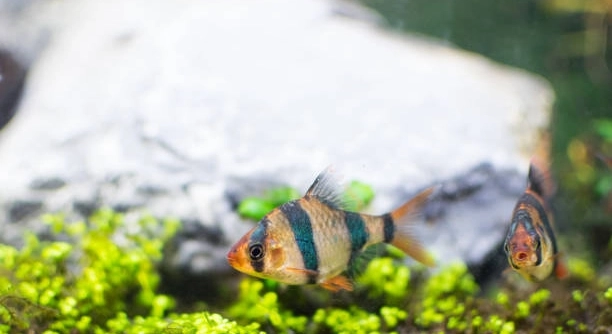
Keeping tiger barbs in your aquarium can be a rewarding experience for any fish enthusiast. These colorful, active fish bring life to freshwater tanks and require specific care to thrive well. Knowing the right number to keep is essential for their health and happiness.
The ideal group size for tiger barbs is at least six individuals. Keeping them in groups reduces aggression and promotes natural schooling behavior. Overcrowding, however, should be avoided to maintain water quality and ensure sufficient swimming space.
Properly managing the number of tiger barbs helps maintain a balanced aquarium environment. This guide will explain the best practices to keep your fish healthy and content.
Understanding Tiger Barbs’ Social Behavior
Tiger barbs are schooling fish, which means they naturally swim in groups. When kept alone or in too small a number, they tend to become aggressive toward other fish and even each other. This aggression usually results in fin nipping and stress, which harms their health. Keeping them in groups of six or more helps spread out this aggressive behavior, making it less intense. When in larger groups, tiger barbs also show more natural swimming patterns, which adds visual appeal to your tank. Their social behavior is an important factor when deciding how many to keep. Besides group size, the size of your aquarium matters too. A tank that is too small can increase stress and aggression even in larger groups. For a typical group of six tiger barbs, a minimum tank size of 20 gallons is recommended. Larger groups will need bigger tanks to ensure they have enough space to swim and establish their social hierarchy peacefully.
Proper group size reduces stress and aggressive behaviors among tiger barbs, creating a healthier tank environment.
Choosing the right number of tiger barbs improves their natural behavior and decreases fin nipping. It also helps maintain a peaceful tank where all fish can coexist. By giving them enough space and companions, you promote a balanced aquatic ecosystem. Avoid overcrowding to keep water quality high and to reduce competition for food and territory. This leads to longer lifespans and happier fish overall.
Tank Setup and Environmental Needs
Tank setup plays a key role in managing tiger barb behavior. A well-planted tank with hiding spots helps reduce aggression by providing safe spaces. Decorations like rocks or driftwood create territories and break lines of sight. This minimizes constant chasing, which stresses the fish. Keep the water temperature between 74 and 79°F for optimal health. Clean, well-filtered water with stable parameters is essential, as poor conditions worsen aggressive behavior. Regular water changes and a balanced diet further support their well-being.
A properly prepared environment balances the natural activity of tiger barbs and promotes peaceful interactions.
Ensuring the right environment prevents unnecessary stress and aggression among tiger barbs. Tank decorations and plants reduce visible conflicts, giving fish places to retreat when needed. Maintaining clean water and proper temperature supports their immune systems, lowering disease risks. Consistent care and setup reduce stress-related behaviors and help your tiger barbs live a more harmonious life. This preparation also benefits other fish species you may keep with them, creating a stable and healthy aquarium community.
Feeding Tiger Barbs
Tiger barbs are not picky eaters and accept a variety of foods, including flakes, pellets, and live or frozen options. Providing a balanced diet ensures they stay healthy and active. Overfeeding can lead to poor water quality, so feed small amounts twice daily.
A diet rich in protein and nutrients supports their vibrant colors and energy. Offering occasional live or frozen foods like bloodworms or brine shrimp mimics their natural diet. Including plant-based flakes or spirulina can add variety and promote overall health. Monitoring feeding amounts is important to avoid leftover food, which can cause ammonia spikes.
Consistent feeding times help establish routine behavior and reduce stress. A varied diet also supports their immune system, making them less prone to disease. Ensuring good nutrition complements proper tank care and social group size for a thriving aquarium.
Common Health Issues in Tiger Barbs
Tiger barbs are generally hardy but can suffer from diseases like ich, fin rot, and swim bladder problems. Maintaining clean water and stable conditions lowers these risks. Early detection and treatment are vital for recovery.
Stress from overcrowding or aggression weakens their immune system, making illness more likely. Regular observation for signs like faded colors, clamped fins, or erratic swimming helps catch problems early. Quarantining new fish before adding them to the tank prevents disease introduction.
Using medication promptly and adjusting tank conditions usually resolves common health issues. Good diet, water quality, and proper stocking density all play roles in keeping tiger barbs healthy and lively.
Selecting Tank Mates for Tiger Barbs
Choosing compatible tank mates helps reduce aggression in tiger barbs. Avoid slow, long-finned, or shy fish that can be targeted by their nipping behavior. Active, robust species that can handle their energy work best.
Good tank mates include danios, barbs, and larger tetras. These fish share similar activity levels and tolerate tiger barbs’ boisterous nature. Proper selection keeps peace in the tank and ensures all fish thrive together.
Breeding Tiger Barbs
Breeding tiger barbs requires separate tanks and controlled conditions. They prefer slightly acidic to neutral water with a temperature around 78°F. Males display brighter colors during spawning.
Providing fine-leaved plants or spawning mops gives females places to lay eggs. Parents should be removed after spawning to prevent egg predation. Careful attention to water quality supports successful breeding.
Tank Maintenance Basics
Regular water changes of 25% weekly help maintain water quality. Cleaning filters and removing debris reduce toxins and keep fish healthy.
FAQ
How many tiger barbs should I keep in a 20-gallon tank?
A 20-gallon tank is suitable for about six tiger barbs. This number allows them enough space to swim and reduces aggression by keeping their social group intact. Smaller groups may lead to more aggressive behavior, while more than six might overcrowd the tank, affecting water quality.
Can tiger barbs live with other fish species?
Yes, tiger barbs can live with other fish if tank mates are chosen carefully. Active, fast-swimming species like danios, larger tetras, or barbs usually coexist well. Avoid slow-moving or long-finned fish, as tiger barbs may nip at their fins, causing stress and injury.
What do tiger barbs eat?
Tiger barbs eat a variety of foods including flakes, pellets, and live or frozen foods like bloodworms and brine shrimp. A balanced diet with both protein and plant-based foods helps maintain their bright colors and good health. Avoid overfeeding to keep the tank clean.
Why do tiger barbs nip fins?
Fin nipping is often a result of social behavior and boredom. When kept in too small numbers or in an unstimulating environment, tiger barbs may become aggressive toward tank mates or each other. Keeping them in groups of six or more and providing hiding spots reduces this behavior.
How do I know if my tiger barbs are stressed?
Signs of stress include faded colors, clamped fins, erratic swimming, and hiding more than usual. Stress often comes from overcrowding, poor water quality, or aggressive tank mates. Regular monitoring and maintaining good tank conditions help prevent stress.
What water parameters do tiger barbs need?
Tiger barbs prefer water temperatures between 74°F and 79°F, a pH level of 6.0 to 7.5, and moderate hardness. Stable water conditions are crucial; sudden changes can cause stress or illness. Regular testing and water changes help maintain these parameters.
Can tiger barbs be kept alone?
It is not recommended to keep tiger barbs alone. They are schooling fish and rely on groups for social interaction. Alone, they may become aggressive or stressed. Keeping at least six ensures healthier behavior and a more natural environment.
How often should I clean my tiger barb tank?
Perform partial water changes of about 25% weekly to maintain water quality. Cleaning the filter and removing uneaten food or debris also helps keep the environment healthy. Consistent maintenance reduces the risk of disease and stress for your fish.
What are common diseases in tiger barbs?
Common diseases include ich, fin rot, and swim bladder issues. These often result from poor water quality or stress. Early signs include white spots, ragged fins, or difficulty swimming. Treating quickly and maintaining a clean tank helps prevent serious problems.
How can I encourage breeding in tiger barbs?
To encourage breeding, keep water temperature around 78°F and maintain slightly acidic to neutral pH. Provide plenty of fine-leaved plants or spawning mops for egg-laying. Separate the breeding pair from the main tank to protect eggs from being eaten.
Final Thoughts
Keeping tiger barbs in your aquarium can be very rewarding when done correctly. They are active, colorful fish that add movement and life to any freshwater tank. However, their social needs and behavior require proper attention. Maintaining the right group size, ideally six or more, helps reduce aggression and supports natural schooling behavior. Overcrowding should be avoided to ensure water quality and adequate swimming space. The size of your tank must match the number of tiger barbs you keep, with at least 20 gallons for a small group. This balance is important to create a healthy environment where the fish can thrive.
Tank setup and maintenance also play a critical role in keeping tiger barbs healthy. Providing hiding spots with plants, rocks, or decorations helps reduce stress by giving the fish safe places to retreat. Water parameters like temperature, pH, and cleanliness are vital for their well-being. Regular water changes and good filtration prevent buildup of harmful substances and keep the aquarium stable. Feeding them a balanced diet, with a mix of flakes, pellets, and occasional live or frozen foods, supports their energy and coloration. Paying attention to these details will minimize health issues and make your fish more active and vibrant.
Choosing compatible tank mates and understanding their health needs are equally important. Tiger barbs do best with other active fish that can handle their energetic nature. Avoid slow or long-finned species that might suffer from fin nipping. Watching for signs of stress or disease and addressing problems early will protect your fish and keep the tank peaceful. Overall, caring for tiger barbs requires a mix of proper social grouping, environment, diet, and monitoring. When these needs are met, they can be a lively and beautiful addition to your aquarium for many years.

Hello,
If you enjoy the content that we create, please consider saying a "Thank You!" by leaving a tip.
Every little bit helps us continue crafting quality advice that supports the health, happiness, and well-being of pets around the world, for pets of all shapes, sizes, and species.
We really appreciate the kindness and support that you show us!