
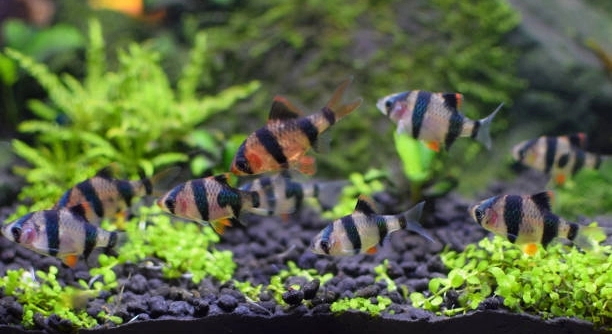
Are your tiger barbs spending most of their time huddled in a corner of the tank instead of swimming around actively?
Tiger barbs often stay in a corner of the tank due to stress, poor water conditions, lack of companionship, or territorial behavior. These environmental and social factors can significantly influence their swimming patterns and overall health.
Several tank conditions and behavioral traits can explain this pattern, and understanding them can help you improve your fish’s comfort and well-being.
Common Reasons Behind This Behavior
Tiger barbs are active fish, but when they cluster in a corner, it’s usually a sign that something is off. Poor water quality is one of the most common reasons. If ammonia or nitrite levels are too high, the fish become stressed and seek refuge in a quieter area. Tank size also matters. A small or overcrowded tank can make them feel threatened or uncomfortable. Lack of stimulation, like plants or hiding spots, can lead to boredom or stress. Lastly, if the tank has aggressive tankmates or the tiger barbs themselves lack a proper shoal, they may isolate for safety. Observing tank conditions and adjusting their environment can quickly improve their behavior. Regular water testing, adding live plants, and keeping them in groups of at least six usually helps.
Sometimes tiger barbs just need a short adjustment period after a move or tank change. Give them time to settle in.
They may also become territorial if there aren’t enough distractions or places to explore. Giving them space and structure can help calm this behavior. Consider rearranging the tank to reset territories. Adding visual breaks like driftwood or rocks can give each fish a sense of space and make the environment feel more secure.
When to Be Concerned
If your tiger barbs are still hiding after a few days, or if they show signs of illness like torn fins, loss of appetite, or faded colors, it may be time to take a closer look.
Extended corner-hiding paired with physical changes may signal a larger issue. Diseases such as ich or bacterial infections can make fish sluggish and hide more often. If one or more tiger barbs begin breathing rapidly, swimming erratically, or losing their balance, a health problem is likely. You’ll also want to observe how they interact with other fish. If another tankmate is being aggressive, this may explain the hiding behavior. Quarantining sick fish, testing water parameters, and watching for changes in behavior can guide you toward a solution. You don’t need to diagnose everything yourself—ask for help from an experienced aquarist or a pet store that knows fish care well. With consistent care and attention, most behavioral problems can be reversed before they lead to long-term harm.
Improving Tank Conditions
Start by checking the water quality. Even slightly elevated ammonia or nitrite levels can cause discomfort. Use a liquid test kit, not strips, for more accurate readings. Make sure to do partial water changes weekly and clean the filter regularly.
Next, evaluate the tank size and layout. Tiger barbs need room to swim and places to hide. A minimum 20-gallon tank for a small group is essential. Add live plants, rocks, or driftwood to create visual barriers. These decorations help reduce stress and aggression. Avoid sharp decor that may injure them. Also, check the temperature—between 74°F and 78°F is ideal. Sudden changes in temperature or pH can lead to hiding and inactivity. Keep lighting moderate, not too bright. Harsh lights make some fish retreat. With a stable, enriched setup, your tiger barbs are more likely to spread out and swim confidently.
Consider the flow of water. Tiger barbs enjoy moderate current but not strong blasts that push them around. Make sure the filter’s output isn’t overwhelming. You can redirect flow with a sponge or use plants to buffer it. Stable, gentle movement mimics their natural environment better. This small change often improves their behavior quickly.
Social Needs and Tankmates
Tiger barbs are social and thrive in groups. Keeping fewer than six often leads to bullying or isolation. A proper shoal reduces tension and helps them feel safer, encouraging them to swim more freely.
Pay attention to their tankmates. Avoid slow or long-finned species like bettas or guppies, which tiger barbs may nip at. Instead, choose active fish of similar size and temperament, such as zebra danios or other barbs. A balanced community reduces aggression and stress. Spread food across the tank to limit competition. Aggressive or overcrowded tanks can make tiger barbs retreat and stay hidden. If needed, rehome incompatible fish or divide the space using decor. Keeping your tank harmonious is key to seeing your tiger barbs active and relaxed throughout the day. Proper companions and enough space allow each fish to establish its place without constant tension.
Feeding and Daily Routine
Uneven feeding routines can affect tiger barb behavior. If food only reaches one area of the tank, some fish may dominate, leaving others to hide. Spread food evenly to encourage full-tank movement and reduce corner-huddling caused by feeding stress.
Feed small amounts twice a day instead of one large feeding. Overfeeding can cause water quality issues and stress. Consistent feeding times help build trust and predictability, which calms active fish like tiger barbs. They respond well to a reliable daily routine, including lighting and feeding schedules that match their natural patterns.
Monitoring Behavioral Changes
Track changes in swimming, color, and eating habits. These patterns reveal stress or illness early. Healthy tiger barbs are active, curious, and stay in groups. Once they start hiding or acting differently, it’s usually worth reviewing tank conditions and routine. Catching small issues early prevents bigger problems later.
Environmental Enrichment
Tiger barbs benefit from stimulation in their environment. Adding new plants, decor, or even a mirror briefly can keep them engaged. Rotate tank elements occasionally to keep their space fresh. A varied setup encourages more natural swimming and exploration, which helps prevent corner-hiding behavior over time.
FAQ
Why are my tiger barbs suddenly hiding in a corner?
Sudden hiding is usually triggered by stress. This could come from poor water quality, new tankmates, a recent tank change, or illness. Even subtle changes like lighting or water temperature shifts can cause this behavior. Check water parameters first—high ammonia or nitrite levels are common causes. Also, consider whether your tiger barbs have enough hiding spots or if there’s been an increase in aggression from other fish. If everything checks out and the behavior continues for several days, observe their eating habits and appearance for signs of illness like faded color, spots, or ragged fins.
How many tiger barbs should I keep together?
Tiger barbs are schooling fish and do best in groups of at least six. When kept in smaller numbers, they often become aggressive or anxious. A proper group helps spread out aggression and creates a natural pecking order. With fewer fish, one or two may be singled out and bullied, leading to hiding or corner-huddling. More tiger barbs usually result in a more active, balanced tank. Just be sure your aquarium is large enough to support the group. A 20-gallon tank is the minimum for six, but a larger tank is ideal.
Can tiger barbs live with other fish?
Yes, but it depends on the other fish. Tiger barbs are active and can be nippy, especially if they’re bored or kept in small groups. Avoid slow-moving or long-finned fish like bettas, angelfish, and guppies. They do better with similarly active species like zebra danios, cherry barbs, or rainbowfish. Matching their energy level helps reduce tension. Always monitor interactions when adding new fish, and provide plenty of space and cover to give all tankmates room to retreat if needed.
Why are my tiger barbs aggressive?
Aggression is common when tiger barbs are kept in small groups or feel crowded. They naturally chase and nip to establish rank, but this becomes a problem when the group is too small to diffuse the behavior. Keeping them in a larger group, adding plants and decor to break lines of sight, and avoiding finny or passive tankmates can reduce aggression. A bigger tank with proper flow and hiding places also helps lower stress and improve their behavior.
What water conditions do tiger barbs need?
Tiger barbs thrive in water that is between 74°F and 78°F, with a pH of 6.0 to 8.0. They prefer slightly soft to moderately hard water. Keep ammonia and nitrite at 0 ppm, and nitrates under 20 ppm. Use a reliable test kit to check your water regularly. Stability matters more than perfection—avoid sudden shifts in pH or temperature. Weekly water changes of 25–30% help keep the water clean and safe. A properly maintained filter is also essential to ensure water movement and remove waste.
Why are my tiger barbs not eating?
If they stop eating, it’s often a sign of stress, illness, or poor water quality. First, test the water and correct any issues. Make sure food is reaching all parts of the tank and not just the dominant fish. If they’re new to the tank, give them a few days to adjust. Offer a variety of foods like flakes, pellets, and frozen brine shrimp to stimulate appetite. Watch for signs of disease like white spots (ich), swelling, or odd swimming. If one or more fish remain uninterested in food for several days, consider isolating them for closer monitoring.
Can lighting affect their behavior?
Yes, lighting plays a role. Bright lights can cause stress and make tiger barbs hide more often. Use moderate lighting and provide shaded areas using plants or decor. Keep lighting on a consistent schedule—usually 8 to 10 hours per day. Sudden changes or long light periods can throw off their rhythm. A good balance between light and shadow helps tiger barbs feel safe and display more natural behavior throughout the tank.
Is it normal for tiger barbs to chase each other?
Yes, especially within their group. Tiger barbs establish a social hierarchy through chasing and light nipping. This behavior is normal as long as it doesn’t lead to injury. If chasing becomes constant or one fish is always targeted, it may indicate a group size that’s too small or a tank setup that lacks cover and space. In most cases, adding a few more tiger barbs and rearranging the tank can reduce the tension.
Final Thoughts
Keeping tiger barbs happy and active means paying attention to their environment, social needs, and daily routine. When they stay in a corner of the tank, it’s often a sign that something is not right. It could be poor water quality, lack of space, aggression from other fish, or simply not having enough of their own kind. These issues can stress them out, and stress usually leads to hiding or unusual behavior. Making small changes like improving water conditions, feeding consistently, and giving them more hiding spots can help them feel more secure. It’s not always about one big fix—sometimes it’s a few small things that make a big difference.
Tiger barbs are active and curious fish. When given the right space and care, they usually swim around the tank with energy. They enjoy being in groups, so keeping at least six together can prevent bullying and help them stay calm. A larger tank with plants, rocks, and moderate water flow gives them room to explore and stay busy. Be careful with their tankmates—some fish don’t mix well with tiger barbs. Fast-moving fish that can hold their own are usually better choices. Avoid long-finned or very calm fish, as tiger barbs might nip at them. Always watch how they behave after introducing new fish or changing the tank layout.
Paying attention to your tiger barbs’ behavior will help you catch any problems early. If you notice changes in how they swim, eat, or interact, it’s worth checking their environment and health. Regular water testing, consistent feeding, and observing their behavior go a long way in keeping them happy. Every fish has its own personality, but when one or more tiger barbs spend too much time in a corner, it’s usually their way of saying something isn’t right. Taking time to understand their needs can help them feel more comfortable and confident in their space. With steady care and attention, tiger barbs will stay active, social, and a colorful part of your tank.

Hello,
If you enjoy the content that we create, please consider saying a "Thank You!" by leaving a tip.
Every little bit helps us continue crafting quality advice that supports the health, happiness, and well-being of pets around the world, for pets of all shapes, sizes, and species.
We really appreciate the kindness and support that you show us!