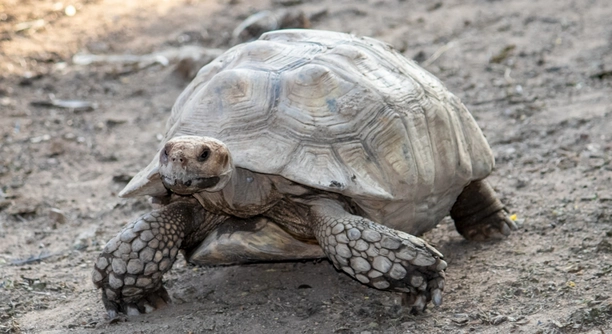
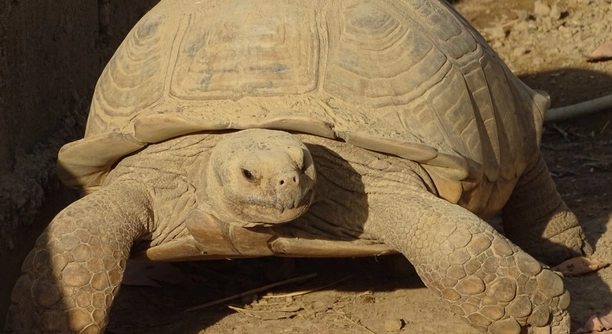
Why Does My Sulcata Tortoise Keep Trying to Bury Itself Indoors?
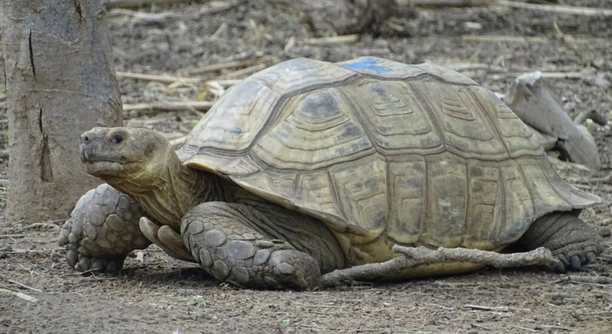
Sulcata tortoises are known for their large size and unique behaviors. If you’ve noticed your tortoise trying to bury itself indoors, it’s important to understand what could be behind this action. It’s not unusual for them to display such tendencies. The primary reason your sulcata tortoise may attempt to bury itself indoors is to seek … Read more
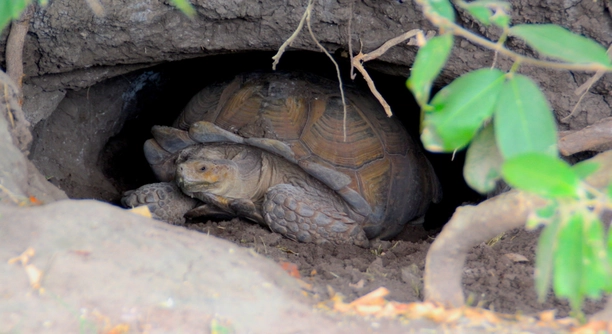
7 Reasons Your Sulcata Tortoise Keeps Banging Its Shell

Your sulcata tortoise’s behavior can sometimes be puzzling, especially when it repeatedly bangs its shell. Understanding why this happens is key to ensuring your pet’s well-being. There are various reasons behind this behavior that you can address. The most common reason for shell banging in sulcata tortoises is territorial or mating behavior. These tortoises may … Read more

Why Does My Sulcata Tortoise Keep Moving Its Legs While Lying Down?

Is your sulcata tortoise constantly moving its legs while lying down? This behavior might seem odd, but it is actually quite common. Understanding why this happens can help you determine if your tortoise is simply stretching, dreaming, or experiencing an issue. Sulcata tortoises often move their legs while lying down due to natural muscle reflexes, … Read more

Why Is My Sulcata Tortoise’s Shell So Rough?

Many tortoise owners notice that their sulcata tortoise’s shell may become rough over time. Understanding why this happens can help improve the overall health and care of your pet. The roughness of a sulcata tortoise’s shell is typically caused by natural growth, lack of proper diet, or insufficient humidity. Shell issues may also arise from … Read more

7 Reasons Your Sulcata Tortoise Is More Active at Night

Many sulcata tortoise owners notice their pets being more active at night. Understanding this behavior can help ensure your tortoise’s well-being and happiness. Here are some reasons why your sulcata tortoise might be more active after dark. Sulcata tortoises are primarily crepuscular, meaning they are naturally more active during dawn and dusk, but some may … Read more