
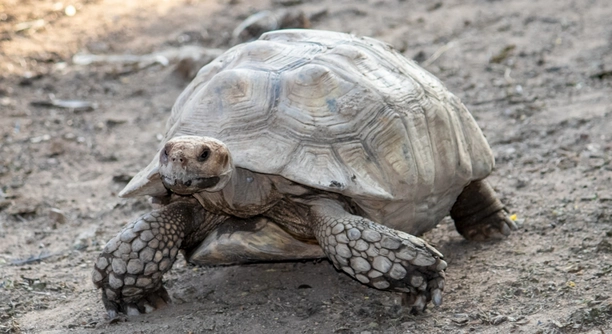
Many tortoise owners find themselves living in small spaces, but they still want to provide the best care for their sulcata tortoise. This article will guide you on how to keep them happy, even in limited areas.
To ensure your sulcata tortoise thrives in a small space, focus on creating a proper enclosure with enough room for movement, proper heating, and hiding spots. Their diet should include high-fiber foods, and regular outdoor time for sun exposure is essential.
Understanding the balance of space, diet, and habitat for your tortoise will make a big difference in their happiness and health. Continue reading for helpful tips.
Choosing the Right Space for Your Sulcata Tortoise
Finding the right space for your sulcata tortoise is essential, especially when living in a small area. These tortoises grow large and need room to roam, so their enclosure should be spacious enough for them to move around comfortably. It’s important to provide a space that mimics their natural habitat, which includes a dry environment with access to heat and UVB light. In a small space, consider using vertical space for climbing or adding layers to make the most of what you have. You can create a comfortable home for your tortoise without taking up too much room, as long as you focus on their basic needs.
Make sure the enclosure is secure, so your tortoise doesn’t escape, especially if you live in an apartment or a place with other pets. You can use a large plastic tub or even a wooden box to create a manageable space. Adding some natural elements, like rocks and small plants, will help simulate a natural environment.
For a small space, look for a long, wide container or table with enough area for your tortoise to move. Consider placing it by a window for some sunlight during the day, but keep them in a safe area away from drafts.
Temperature and Lighting
Heating and lighting are key components in keeping your sulcata tortoise happy. They require warmth during the day and cooler temperatures at night to regulate their bodies. To maintain the correct temperature, use a heat lamp or ceramic heat emitter to provide warmth. Make sure the warm side of the enclosure stays between 85°F to 95°F, while the cooler side remains around 75°F. A UVB light is essential to help them absorb calcium for strong bones. Place the UVB light in a position where your tortoise can bask under it for about 12 hours a day.
Proper lighting helps mimic natural conditions and keeps your sulcata tortoise healthy. If your living space does not provide enough natural light, especially in winter, investing in a good UVB lamp is essential. Make sure to replace the bulbs every 6 months for maximum effectiveness. The key is to provide the right balance of heat and light for your tortoise’s needs.
Adding a reliable thermometer and humidity gauge will help you monitor the environment, ensuring it stays within the optimal range. Keep a close eye on their behavior, as they will often seek out the warmth they need.
Providing Proper Nutrition
Proper nutrition is essential to your sulcata tortoise’s health. In the wild, these tortoises are herbivores that mainly eat grasses and plants. A healthy diet for your tortoise includes high-fiber grasses, leafy greens, and some fruits. Offering a variety of greens such as dandelion, collard greens, and mustard greens will keep them satisfied. Fresh grass is best, but you can also find dried grasses at pet stores if you can’t get fresh. A good rule of thumb is to avoid too many high-protein foods, as this can cause health issues.
It’s important to provide them with calcium to keep their bones strong. Offering calcium supplements or adding cuttlebone to their enclosure is a good way to ensure they get what they need. Fresh, clean water should always be available, either in a shallow bowl or a large enough area where they can drink comfortably.
If you live in a small space, you may find it challenging to give your tortoise the variety of food it needs. However, you can plan ahead by stocking up on a few key foods to rotate and keep their diet balanced. Try to make sure their meals are nutrient-dense, and avoid feeding them foods high in oxalates like spinach and beet greens.
Regular Outdoor Time
While your sulcata tortoise will be fine in their indoor enclosure, they need regular outdoor time to get enough natural sunlight. If you can create a safe outdoor area, such as a small garden or balcony space, your tortoise can enjoy sunbathing and stretching their legs. Even in small spaces, you can bring your tortoise outside for an hour or two each day during sunny weather.
When letting them outside, always supervise them to prevent them from wandering off or getting into any potential hazards. A small pen with fencing or a safe, enclosed garden area will help protect your tortoise from dangers such as predators or traffic. Always make sure to bring them inside before it gets too hot or cold.
If outdoor space is not an option, using a UVB light indoors can help mimic the benefits of natural sunlight. However, outdoor time is still the best way for them to soak in natural warmth and vitamin D.
Safe Substrate Choices
Choosing the right substrate for your sulcata tortoise’s enclosure is vital for their health. Avoid sand or soil that can cause impaction if ingested. Instead, opt for a safe, absorbent material like grass hay or a mixture of coconut coir and soil.
A suitable substrate is easy to clean and helps maintain the proper humidity levels. Using hay or coconut coir allows your tortoise to dig, which is a natural behavior. Ensure the substrate is deep enough to let your tortoise burrow slightly but not so deep that it creates a mess. Spot clean daily to keep the environment fresh and safe.
Changing the substrate regularly is necessary to prevent odor buildup and bacteria. Monitor for any signs of mold or mildew, and replace it completely if it becomes too dirty. Keeping the habitat clean helps prevent skin infections and encourages your tortoise to feel comfortable and secure in its home.
Maintaining a Healthy Environment
A clean environment is crucial for your sulcata tortoise’s overall well-being. Along with choosing the right substrate, make sure to regularly clean their food and water bowls to avoid contamination. It’s important to check the humidity and temperature levels consistently.
You should clean the entire enclosure weekly, washing all surfaces with a mild reptile-safe cleaner. This ensures that your tortoise remains healthy and minimizes the risk of bacteria or parasites. If your tortoise spends time outdoors, always check for any potential dangers like sharp objects or toxic plants.
Keeping your tortoise’s living space dry is key. Wet conditions can lead to respiratory issues or shell rot. Be mindful of the humidity in your space, as too much moisture can encourage mold or fungus. A dry, well-ventilated area is essential for their comfort and health.
Providing Hiding Spots
Sulcata tortoises enjoy having hiding spots in their enclosure, even though they’re not nocturnal creatures. These areas help them feel secure, especially when they want some alone time. A small wooden box or a pile of rocks can serve as a perfect hide.
Provide a hiding spot in the warm section of the enclosure to allow your tortoise to retreat if they feel stressed or overwhelmed. It doesn’t need to be elaborate, but should be big enough for your tortoise to fit comfortably. Adding a few hideaways ensures that they have the option to rest and feel protected.
A simple rock pile or plastic shelter is enough to create a space where they can relax away from direct light or noise. Even in a small setup, offering these shelters helps your tortoise maintain a healthy balance between exposure and privacy.
Exercise and Enrichment
Exercise is an important part of keeping your sulcata tortoise happy. Since they naturally roam long distances, providing space to move is essential for their physical and mental health. Even in small spaces, you can ensure they get enough exercise.
Create pathways or clear areas for your tortoise to wander. If possible, let them roam in a safe, enclosed outdoor area where they can walk, explore, and forage for food. Small obstacle courses or digging areas also encourage movement. Regular outdoor sessions give them the exercise they need and help prevent boredom.
Even if your indoor space is limited, placing rocks, logs, or safe plants within the enclosure can make your tortoise work for food and explore its environment more. It helps replicate natural challenges, encouraging them to stay active. This prevents weight gain and keeps them engaged.
Bathing and Hydration
Regular baths are important for your sulcata tortoise’s hydration and overall well-being. These baths help keep their skin healthy and provide them with an opportunity to drink water. Make sure to offer a shallow dish of water daily, as they often drink in short bursts.
Bathing your tortoise once a week or more, depending on their needs, helps maintain hydration levels. Use warm water, as it will help your tortoise feel relaxed and more inclined to drink. Ensure the water level is low enough that they can comfortably stand but deep enough to allow them to soak.
Bathing also aids in digestion, especially if your tortoise has trouble with constipation. After their bath, make sure to dry them gently with a towel. This also helps avoid shell rot or other skin issues that could arise from prolonged wetness.
FAQ
How much space does a sulcata tortoise need in a small home?
In a small home, a sulcata tortoise needs at least 4-6 square feet of space for a young tortoise. For adults, you’ll want a minimum of 10-12 square feet. However, this can be tricky in small apartments. Use vertical space and multi-level enclosures to maximize the available area.
Creating a space that’s functional and safe in a small home requires careful planning. Even if you’re limited on room, you can use corners or areas near windows for natural light. Make sure the space is secure and free from potential hazards. Although they grow large, they don’t need a huge area at all times, but space to roam is necessary for their health.
What kind of lighting does a sulcata tortoise need?
Sulcata tortoises need UVB light to synthesize vitamin D3 and calcium for healthy bones. Use a good-quality UVB bulb to mimic sunlight. This should be on for 10-12 hours each day. Place the bulb close enough so your tortoise can bask under it, but not too close that it causes overheating.
In a small living space, it may be harder to get natural sunlight, so the UVB lamp is essential. It should cover the full length of their basking area. You can also use a heat lamp to regulate the temperature, especially in cooler climates. Make sure to replace the UVB bulb every 6 months.
What do sulcata tortoises eat?
Sulcata tortoises are herbivores and primarily eat grasses, hay, and leafy greens. They also enjoy some flowers and cactus pads. Fresh grass, dandelion greens, and hibiscus flowers are great options for variety. Be sure to avoid too many high-oxalate greens like spinach, which can cause health problems.
You can feed your tortoise a mix of collard greens, dandelion greens, and a small amount of fruits like melon or berries. A varied diet helps ensure they get a wide range of nutrients. Always provide fresh water in a shallow bowl for them to drink from daily. Adding cuttlebone for calcium is also beneficial.
How often should I feed my sulcata tortoise?
Sulcata tortoises should be fed every day, especially while they are young. As they grow, you can adjust feeding to every other day. However, they need access to food daily in their enclosure, even if they aren’t eating every single day. Always make sure fresh food is available for grazing.
For adults, you may not need to feed them every day, as they can sustain themselves with the right portions of food. Young sulcatas need a higher intake of food to fuel their growth, while adults need less to maintain their weight. Ensure you’re offering high-fiber, low-protein foods.
Can I keep a sulcata tortoise in an aquarium?
No, aquariums are not suitable for sulcata tortoises because they need room to move around and a dry environment. Aquariums can be too small and don’t provide proper ventilation. A large plastic bin or custom-made enclosure is a better option.
An enclosure should provide plenty of space for your tortoise to roam and include areas for basking and hiding. It’s important that the walls are high enough to prevent them from escaping. Make sure there is adequate ventilation and that they can move freely without any restrictions.
How do I keep my sulcata tortoise warm in a small space?
To keep your sulcata tortoise warm, use a heat lamp or ceramic heater in their enclosure. The warm side of the enclosure should be kept between 85-95°F during the day, with a cooler side around 75°F. If your space gets cold, adding a heater may be necessary.
You can use a thermostat to regulate the temperature in their enclosure. In a small space, consider using a space heater in the room to maintain a stable environment. If your tortoise has access to natural sunlight, that will help with warming as well. Keep the temperature consistent to prevent stress.
How can I tell if my sulcata tortoise is stressed?
Stress in sulcata tortoises can manifest through behaviors such as not eating, excessive hiding, or moving in circles. They may also be more aggressive or withdrawn. Environmental factors like poor temperature, inadequate hiding spots, or loud noises can contribute to stress.
If your tortoise becomes lethargic or seems to lose interest in food or exploration, it’s important to check their enclosure for any environmental problems. Ensure they have access to a safe hiding spot, and that temperature and lighting conditions are optimal. Tortoises are sensitive to stress, so providing a calm, secure environment is essential.
How often should I clean my sulcata tortoise’s enclosure?
You should spot clean your sulcata tortoise’s enclosure every day, removing any uneaten food and waste. Deep cleaning should be done once a week, washing the entire enclosure and replacing the substrate. Keeping the environment clean reduces the risk of bacteria, mold, and other health issues.
Use a reptile-safe cleaner to disinfect surfaces and make sure to rinse thoroughly to avoid any chemical residue. Regular cleaning also helps prevent odor buildup, especially in a smaller living space. By maintaining a clean enclosure, you’ll ensure a healthier, more comfortable home for your tortoise.
Can sulcata tortoises live with other pets?
It’s not recommended to keep sulcata tortoises with other pets, especially small ones or animals that might see them as prey. Sulcatas are slow-moving and may be harmed by more aggressive animals. Keep them in an enclosure away from other pets to avoid any stress or injury.
If you plan to introduce your tortoise to other pets, like another tortoise, make sure the animals are compatible in size and temperament. Never leave them unsupervised, as tensions can arise quickly, and tortoises may not have the ability to defend themselves.
Taking care of a sulcata tortoise in a small space can be challenging, but it’s definitely possible with the right setup. These tortoises are quite resilient and adaptable when their basic needs are met. The most important things to focus on are proper space, temperature, lighting, and a healthy diet. Even in a small apartment or house, you can create an environment that supports your tortoise’s natural behaviors and needs. With careful planning, your sulcata tortoise can thrive in a small space, just like any larger enclosure.
It’s also essential to remember that regular interaction and attention will help keep your tortoise happy. They benefit from being in an environment that feels secure, with hiding spots to retreat to and enough room to roam. While outdoor time is ideal, providing safe access to fresh air and sunlight or UVB lamps can help fill in those gaps. Regular baths for hydration and occasional exercise are vital for their overall health. This ensures that your tortoise remains physically active, properly hydrated, and satisfied with its environment.
In conclusion, even with limited space, keeping a sulcata tortoise healthy and happy is achievable. By adjusting your care routine, offering a balanced diet, maintaining their habitat, and ensuring they have opportunities for both rest and exercise, you can provide a fulfilling life for your tortoise. With a little extra effort, your sulcata tortoise can adapt and thrive, becoming a beloved companion in your small space.

Hello,
If you enjoy the content that we create, please consider saying a "Thank You!" by leaving a tip.
Every little bit helps us continue crafting quality advice that supports the health, happiness, and well-being of pets around the world, for pets of all shapes, sizes, and species.
We really appreciate the kindness and support that you show us!