
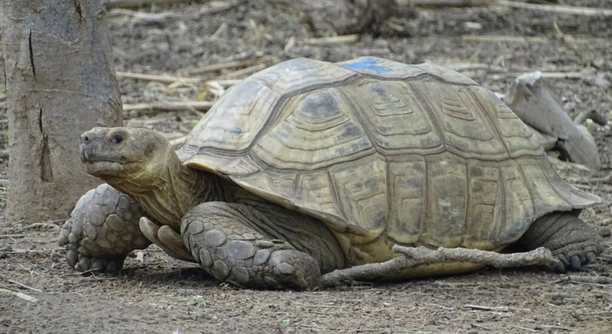
Sulcata tortoises are known for their large size and unique behaviors. If you’ve noticed your tortoise trying to bury itself indoors, it’s important to understand what could be behind this action. It’s not unusual for them to display such tendencies.
The primary reason your sulcata tortoise may attempt to bury itself indoors is to seek a suitable environment for brumation or protection. This behavior is common in sulcatas, as they instinctively search for burrows to stay safe and secure.
Understanding why your sulcata tortoise engages in this behavior can help you provide a better living space. With some changes, you can meet its needs and ensure its well-being.
Understanding the Natural Instincts of Sulcata Tortoises
Sulcata tortoises are naturally burrowing animals, especially in the wild. In their natural habitat, they dig large burrows to keep themselves cool and protect themselves from predators. Their instinct to bury themselves is not just about seeking warmth or safety, but also part of their survival mechanisms. In the wild, they would typically dig these burrows deep enough to escape extreme temperatures or harsh weather. This behavior carries over into their domesticated lives, even if they don’t face the same natural threats. When you see your tortoise trying to bury itself indoors, it’s likely trying to recreate this sense of security and comfort.
Burrowing is a behavior that begins early in their lives and continues as they mature. This instinct is linked to their need to find protection, whether that’s from the sun or the cooler weather indoors. Even though they might not have the same environmental pressures at home, the need for a burrow remains.
Sulcata tortoises are particularly sensitive to their environment. If they’re kept in too warm of an area or have no access to a hiding spot, they may feel exposed and try to bury themselves to mimic their natural habitat. Ensuring they have a space that feels secure is essential for their well-being.
Creating the Right Environment for Your Tortoise
If your sulcata tortoise continues to bury itself indoors, it’s a good idea to adjust its living conditions. They need access to both warm and cooler areas to regulate their body temperature effectively. Ensure your tortoise has a safe, quiet place where it can retreat.
To create a more comfortable living space, providing a large substrate such as soil, coconut fiber, or grass hay will give your tortoise something to dig into. The right substrate allows them to burrow naturally, helping them feel at ease and more settled in their environment.
Temperature and Humidity Needs
Sulcata tortoises are highly sensitive to temperature and humidity levels. If their habitat is too dry or too hot, they will likely feel the need to bury themselves for comfort. Maintaining proper humidity levels can help them feel more secure, reducing the urge to dig.
The ideal temperature for a sulcata tortoise is between 80-90°F during the day, with a basking spot of around 95°F. Humidity should be kept between 50-60%. If these levels are off, your tortoise might try to bury itself to escape uncomfortable conditions. A thermometer and hygrometer can help keep track of these factors to maintain a balanced environment.
Providing a humidity-controlled space is important for their health. If you’re keeping them indoors, consider using a humidifier or misting their enclosure to maintain proper moisture. Sulcatas need the right environment to thrive, and addressing temperature and humidity will reduce their desire to burrow unnecessarily.
Offering Adequate Space for Movement
A small or overcrowded enclosure might make your sulcata tortoise feel trapped, increasing its instinct to bury itself. Tortoises need room to roam freely, allowing them to engage in natural behaviors like burrowing when they feel it’s needed. Ensuring they have plenty of space will reduce stress.
A minimum enclosure size of 4×8 feet is recommended for adult sulcatas. This allows them to roam, explore, and feel more comfortable in their surroundings. A cramped space with limited areas to explore can lead to frustration and the compulsion to bury themselves in search of relief. Ensure your tortoise has the space to move without feeling confined.
Adding rocks, logs, or plants can also provide your tortoise with the opportunity to hide or climb. These additions make the environment more stimulating and give your tortoise a sense of security. With enough space and proper furnishings, your tortoise will feel more at ease and less inclined to hide or bury itself.
Stress and Anxiety
Sulcata tortoises can bury themselves as a response to stress. Changes in their environment, loud noises, or unfamiliar people can make them feel anxious and insecure. In such cases, they might instinctively dig to create a more peaceful space.
Reducing stress factors can help your tortoise feel safer. Keep the enclosure quiet, avoid sudden changes, and ensure it’s a calm, consistent environment. A peaceful space encourages them to explore freely rather than retreat into a burrowed position. Pay attention to any triggers that may cause your tortoise distress.
Proper Diet and Hydration
A poor diet can contribute to a sulcata tortoise’s stress, making it more likely to try to bury itself. Ensure your tortoise gets a varied and balanced diet. Fresh grasses, hay, and leafy greens should be their main food sources.
Hydration also plays a key role in reducing stress. Keep fresh water available at all times and monitor its intake. A well-fed, properly hydrated tortoise is less likely to feel uncomfortable enough to seek out a burrow for relief.
FAQ
Why does my sulcata tortoise dig in its food bowl?
Sometimes, your sulcata tortoise may dig in its food bowl out of instinct or habit. They might feel that digging helps them claim their territory or establish a comfortable space to eat. This behavior is not uncommon and may simply be a way of making the food feel more secure to them. It can also occur when they are bored or seeking attention. Ensure that their enclosure is stimulating enough to keep them occupied, which can reduce unnecessary digging.
Can I stop my sulcata tortoise from burying itself indoors?
While it’s not possible to entirely stop a sulcata tortoise from attempting to bury itself indoors, you can reduce the frequency of this behavior by providing an environment that meets its natural needs. Proper temperature, humidity, and enough space to roam can help prevent excessive burying. By making their living space feel secure, your tortoise is less likely to feel the need to dig.
Should I be concerned if my sulcata tortoise keeps trying to bury itself?
In most cases, it’s a natural behavior. However, it can indicate that your tortoise is feeling stressed, uncomfortable, or seeking a change in environment. If your tortoise is continually burying itself, check if the temperature, humidity, or space needs adjustment. If no improvement occurs, consulting a vet might be necessary.
How can I create a burrowing space for my sulcata tortoise?
To allow your sulcata tortoise to engage in its natural burrowing instinct, provide a substrate that encourages digging, such as coconut fiber, topsoil, or grass hay. Ensure the substrate is deep enough for them to dig and create a comfortable space. Adding rocks or hiding spots can also help mimic a more natural environment.
Does my sulcata tortoise need a hiding spot?
Yes, sulcata tortoises often seek a place to hide when they feel stressed or want privacy. Adding shelters like a wooden box or a shaded area can give your tortoise the sense of security it needs. This also helps reduce the desire to bury itself as they feel less exposed.
How often should I mist my sulcata tortoise’s enclosure?
Misting the enclosure once or twice a day can help maintain the right humidity levels for your sulcata tortoise. However, the exact frequency will depend on your local climate and how dry the environment is. Keeping the substrate moist, but not soaked, helps ensure your tortoise remains comfortable and hydrated.
Can I use sand in my sulcata tortoise’s enclosure?
It’s best to avoid using sand as a primary substrate for sulcata tortoises. Sand can cause digestive problems if ingested and may not retain moisture as well as other materials. Instead, opt for substrates like coconut fiber or topsoil that are safer and more appropriate for their burrowing needs.
How do I know if my sulcata tortoise is stressed?
Signs of stress in sulcata tortoises include reduced activity, hiding more often, loss of appetite, or excessive digging. If your tortoise displays these signs, it’s important to assess its living conditions. Changes in temperature, humidity, or the environment can all contribute to stress.
Can a sulcata tortoise dig out of its enclosure?
While sulcata tortoises are capable of digging, it’s unlikely they will dig out of a properly secured enclosure. However, they are known to dig deep, so it’s important to ensure the walls are high enough and that the substrate is deep enough to prevent escape attempts.
What should I do if my sulcata tortoise refuses to eat?
If your tortoise is refusing food, it could be a sign of illness, stress, or environmental factors. Check if the temperature and humidity are correct and ensure the diet is varied and balanced. If the problem persists, consult a veterinarian specializing in reptiles.
Is it normal for my sulcata tortoise to try and bury itself during the winter months?
Yes, it’s common for sulcata tortoises to burrow more frequently in cooler months. This behavior is part of their instinct to stay warm and safe. In their natural habitat, they would dig to regulate their temperature and protect themselves. Make sure the indoor environment stays at an appropriate temperature, and if necessary, provide a heated area for your tortoise.
How can I tell if my sulcata tortoise is healthy?
Signs of a healthy sulcata tortoise include clear, bright eyes, a smooth shell, and active behavior. They should be eating well and moving freely. If you notice any changes in their behavior, such as lethargy, lack of appetite, or shell deformities, it may be a sign of a health issue.
Should I give my sulcata tortoise a bath?
Giving your sulcata tortoise a gentle soak can help with hydration, especially if you notice it is not drinking enough water. Ensure the water is lukewarm and shallow, and never force your tortoise into the bath. A soak can help them stay hydrated and maintain a healthy shell.
Can I house multiple sulcata tortoises together?
It is generally not recommended to house multiple sulcata tortoises together, especially if they are not familiar with each other. Sulcatas are solitary creatures and may become territorial. If you do choose to house more than one, ensure they have enough space to avoid aggression and stress.
Final Thoughts
Understanding why your sulcata tortoise keeps trying to bury itself indoors can help you address the issue and provide a better living environment for your pet. In most cases, this behavior is natural and linked to their instinct to find safety or comfort. It’s a way for your tortoise to feel secure and avoid perceived threats. While burrowing indoors may seem concerning, it’s often a harmless instinctual action.
That said, it’s important to consider factors such as stress, environmental conditions, and diet when your tortoise exhibits this behavior frequently. A sudden change in its surroundings, like a new pet or altered routine, can lead to anxiety. Additionally, improper temperature or humidity can make your tortoise feel uncomfortable. By ensuring that the environment is stable and meets their needs, you can reduce unnecessary stress. Proper care also includes a well-balanced diet and keeping their habitat clean, both of which play a big role in their overall health and happiness.
Overall, while burying behavior is often normal, it’s essential to monitor your sulcata tortoise for signs of stress or health issues. If you notice changes in eating habits, movement, or appearance, it’s always best to consult a veterinarian. With the right care, your tortoise should thrive in its environment, and its natural instincts, like burrowing, will not pose a problem. Keep an eye on their comfort, and ensure they have the right conditions to stay healthy and stress-free.

Hello,
If you enjoy the content that we create, please consider saying a "Thank You!" by leaving a tip.
Every little bit helps us continue crafting quality advice that supports the health, happiness, and well-being of pets around the world, for pets of all shapes, sizes, and species.
We really appreciate the kindness and support that you show us!